Department of Medicine and Clinical Science, Graduate School of Medical Sciences, Kyushu University, 3-1-1 Maidashi, Higashi-ku, Fukuoka, 812-8582, Japan.
Department of Integrated Therapy for Chronic Kidney Disease, Graduate School of Medical Sciences, Kyushu University, Fukuoka, Japan.
Sci Rep. 2024 Sep 2;14(1):20386. doi: 10.1038/s41598-024-71416-0.
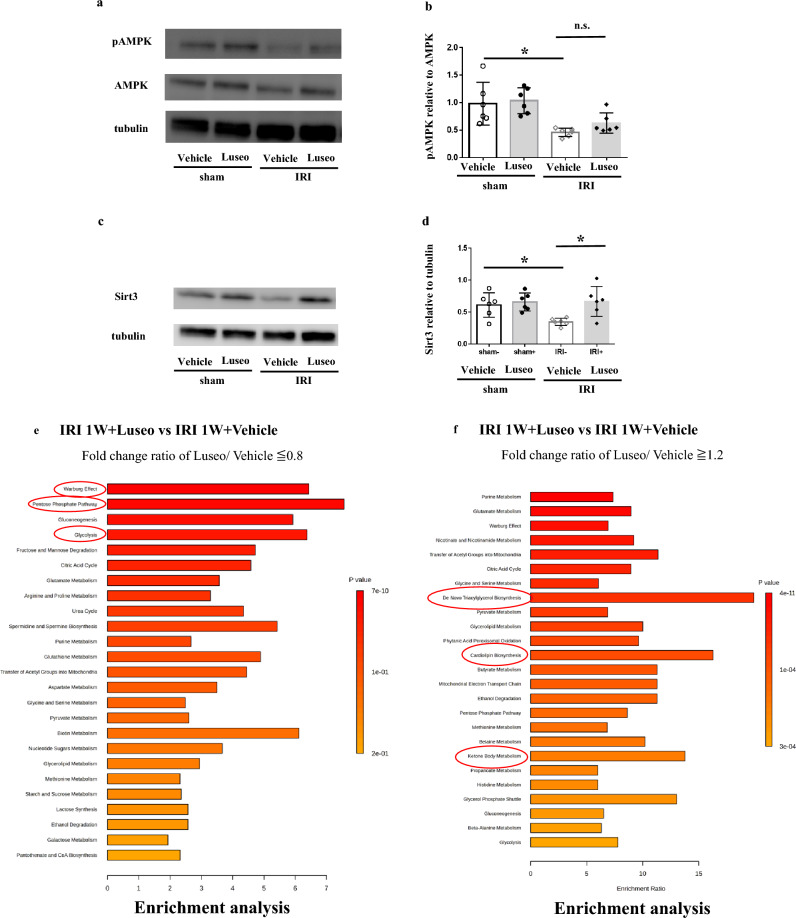
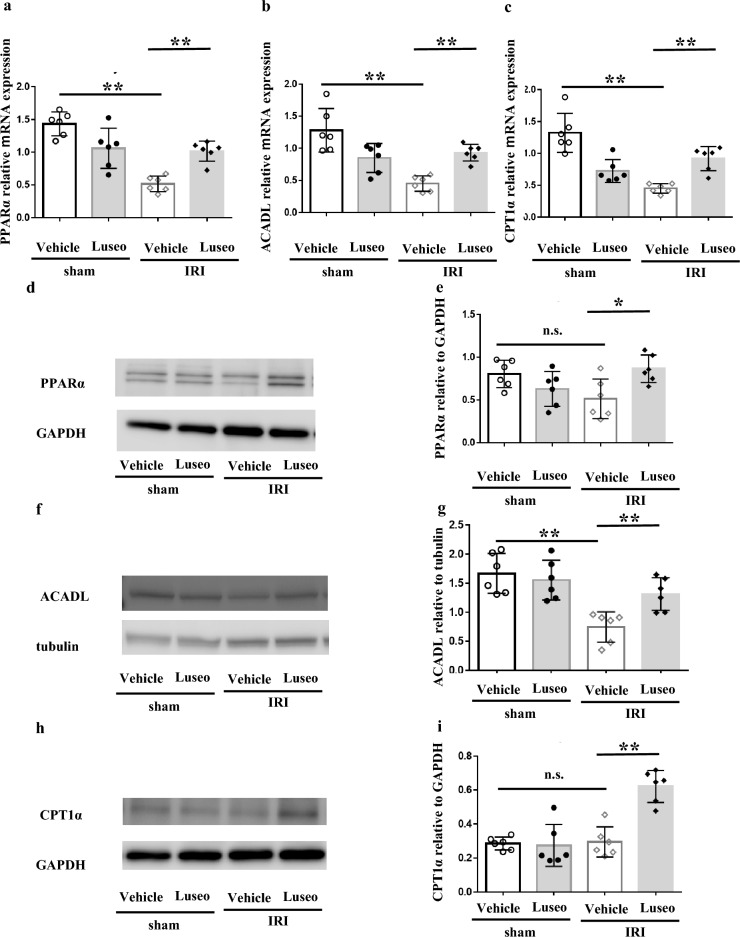
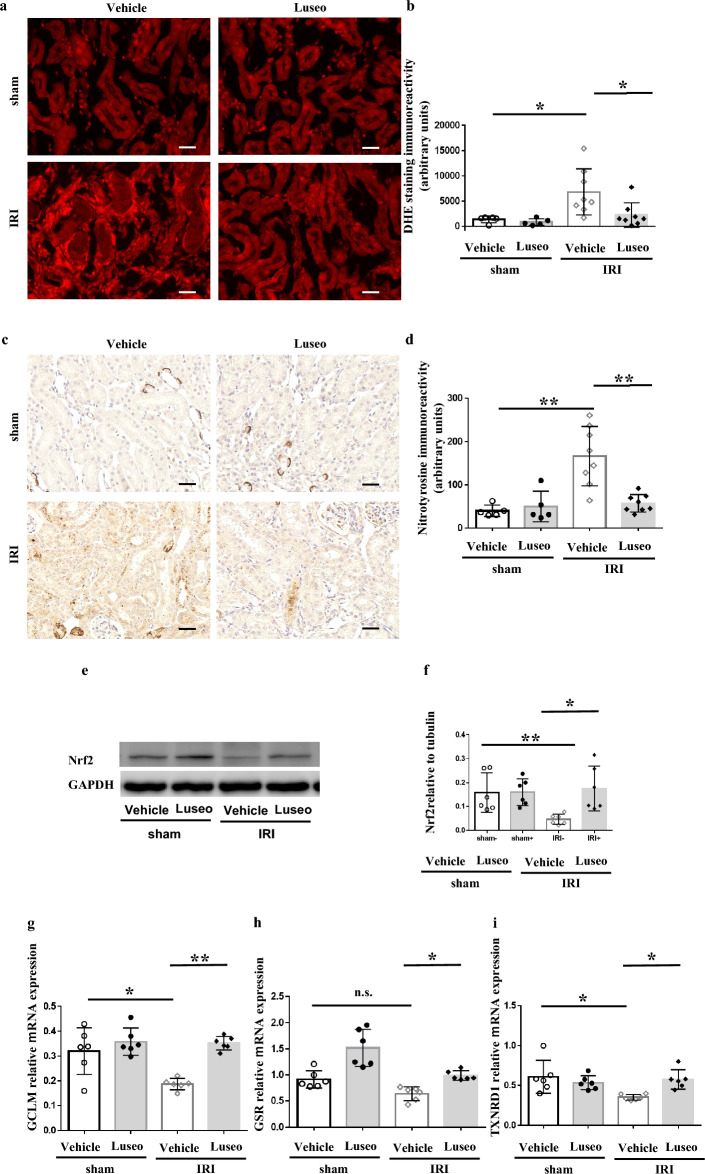
Sodium-glucose cotransporter 2 (SGLT2) inhibitors have been shown to be renoprotective in ischemia-reperfusion (I/R) injury, with several proposed mechanisms, though additional mechanisms likely exist. This study investigated the impact of luseogliflozin on kidney fibrosis at 48 h and 1 week post I/R injury in C57BL/6 mice. Luseogliflozin attenuated kidney dysfunction and the acute tubular necrosis score on day 2 post I/R injury, and subsequent fibrosis at 1 week, as determined by Sirius red staining. Metabolomics enrichment analysis of I/R-injured kidneys revealed suppression of the glycolytic system and activation of mitochondrial function under treatment with luseogliflozin. Western blotting showed increased nutrient deprivation signaling with elevated phosphorylated AMP-activated protein kinase and Sirtuin-3 in luseogliflozin-treated kidneys. Luseogliflozin-treated kidneys displayed increased protein levels of carnitine palmitoyl transferase 1α and decreased triglyceride deposition, as determined by oil red O staining, suggesting activated fatty acid oxidation. Luseogliflozin prevented the I/R injury-induced reduction in nuclear factor erythroid 2-related factor 2 activity. Western blotting revealed increased glutathione peroxidase 4 and decreased transferrin receptor protein 1 expression. Immunostaining showed reduced 4-hydroxynonenal and malondialdehyde levels, especially in renal tubules, indicating suppressed ferroptosis. Luseogliflozin may protect the kidney from I/R injury by inhibiting ferroptosis through oxidative stress reduction.
钠-葡萄糖共转运蛋白 2(SGLT2)抑制剂已被证明在缺血再灌注(I/R)损伤中具有肾脏保护作用,其机制有多种,但可能还存在其他机制。本研究探讨了鲁格列净对 C57BL/6 小鼠 I/R 损伤后 48 小时和 1 周时肾脏纤维化的影响。鲁格列净减轻了 I/R 损伤后第 2 天的肾功能障碍和急性肾小管坏死评分,并在 1 周时通过天狼星红染色减轻了随后的纤维化。对 I/R 损伤肾脏的代谢组学富集分析显示,鲁格列净治疗抑制了糖酵解系统,并激活了线粒体功能。Western blot 显示,鲁格列净处理的肾脏中营养剥夺信号增加,磷酸化 AMP 激活蛋白激酶和 Sirtuin-3 升高。鲁格列净处理的肾脏中肉碱棕榈酰转移酶 1α 蛋白水平升高,油红 O 染色显示甘油三酯沉积减少,表明脂肪酸氧化激活。鲁格列净防止了 I/R 损伤引起的核因子红细胞 2 相关因子 2 活性降低。Western blot 显示谷胱甘肽过氧化物酶 4 增加,转铁蛋白受体蛋白 1 表达减少。免疫染色显示 4-羟壬烯醛和丙二醛水平降低,尤其是在肾小管中,表明抑制了铁死亡。鲁格列净可能通过降低氧化应激抑制铁死亡来保护肾脏免受 I/R 损伤。