Gong Keke, Liu Jia, Zhang Mengya, Dong Zhiping, Ma Jifang, Xuan Peixue, Bai Hui, Li Zhiyong
Institute of Millet Crops, Hebei Academy of Agriculture and Forestry Sciences, Shijiazhuang 050035, China.
Key Laboratory of Genetic Improvement and Utilization for Featured Coarse Cereals (Co-Construction by Ministry and Province), Ministry of Agriculture and Rural Affairs, Institute of Millet Crops, Hebei Academy of Agriculture and Forestry Sciences, Shijiazhuang 050035, China.
Plants (Basel). 2025 May 17;14(10):1507. doi: 10.3390/plants14101507.
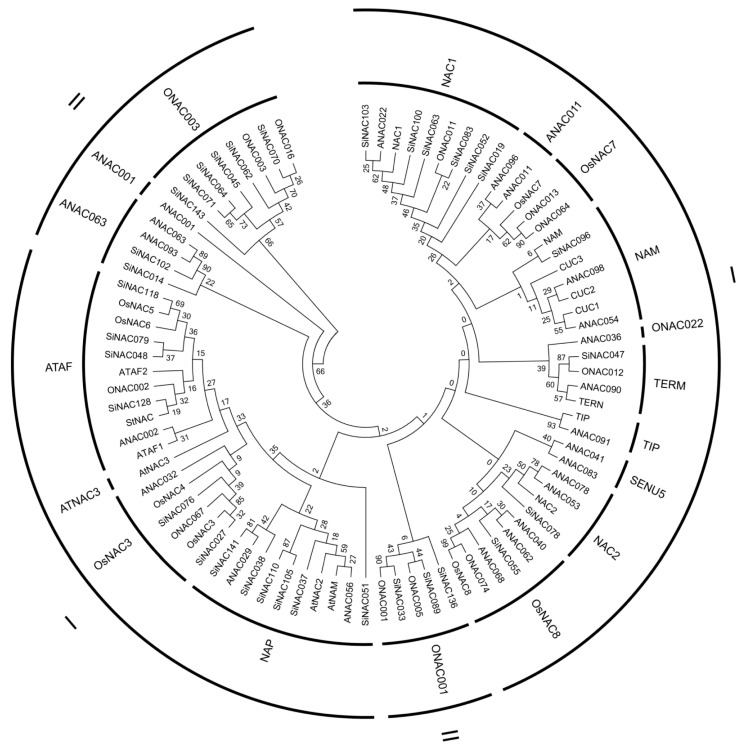
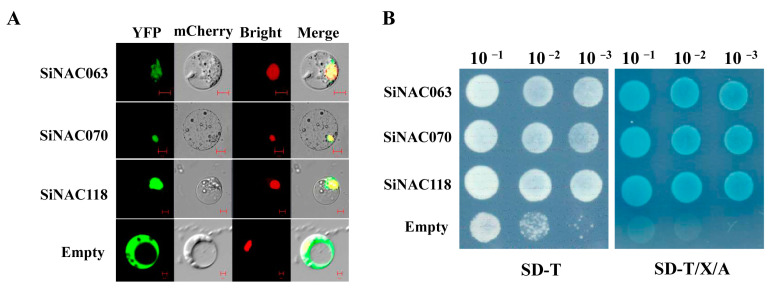
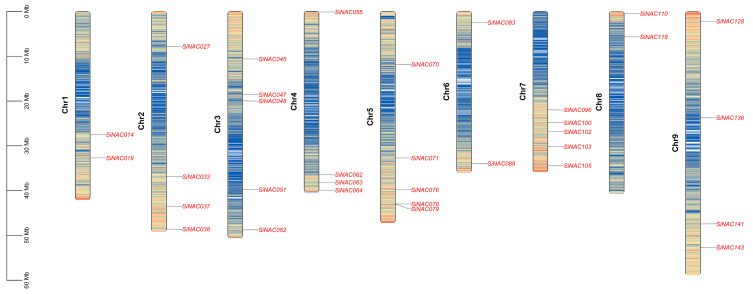
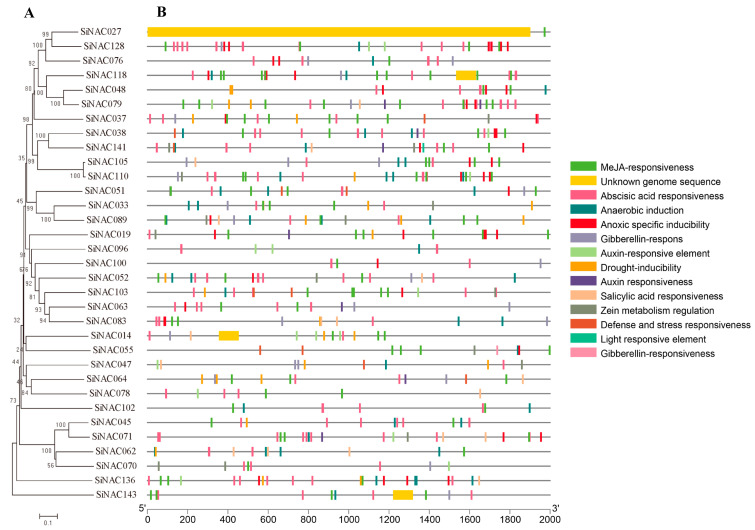
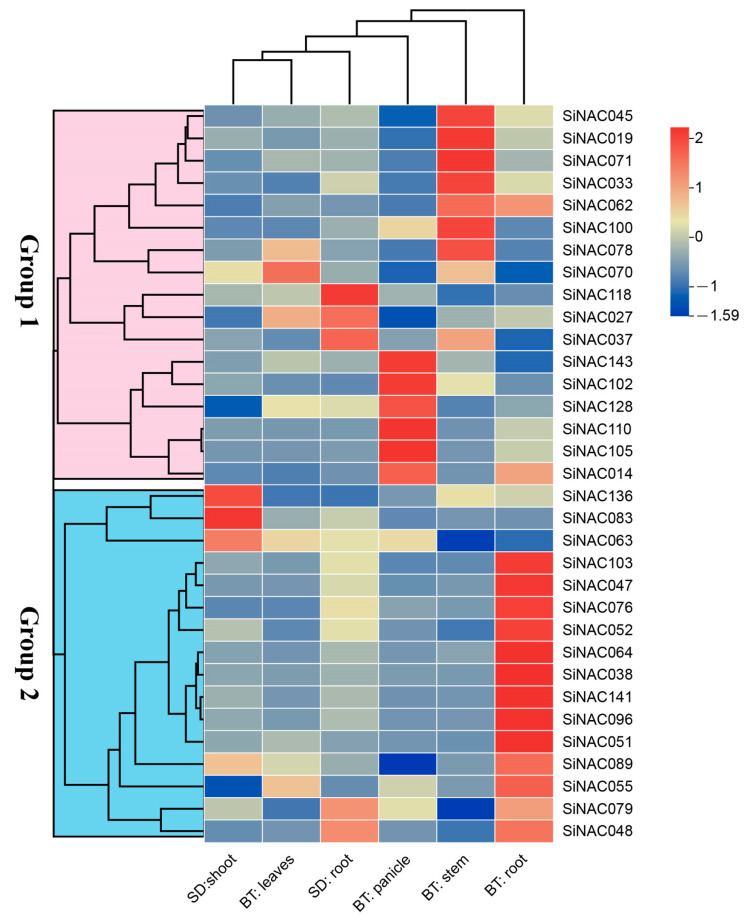
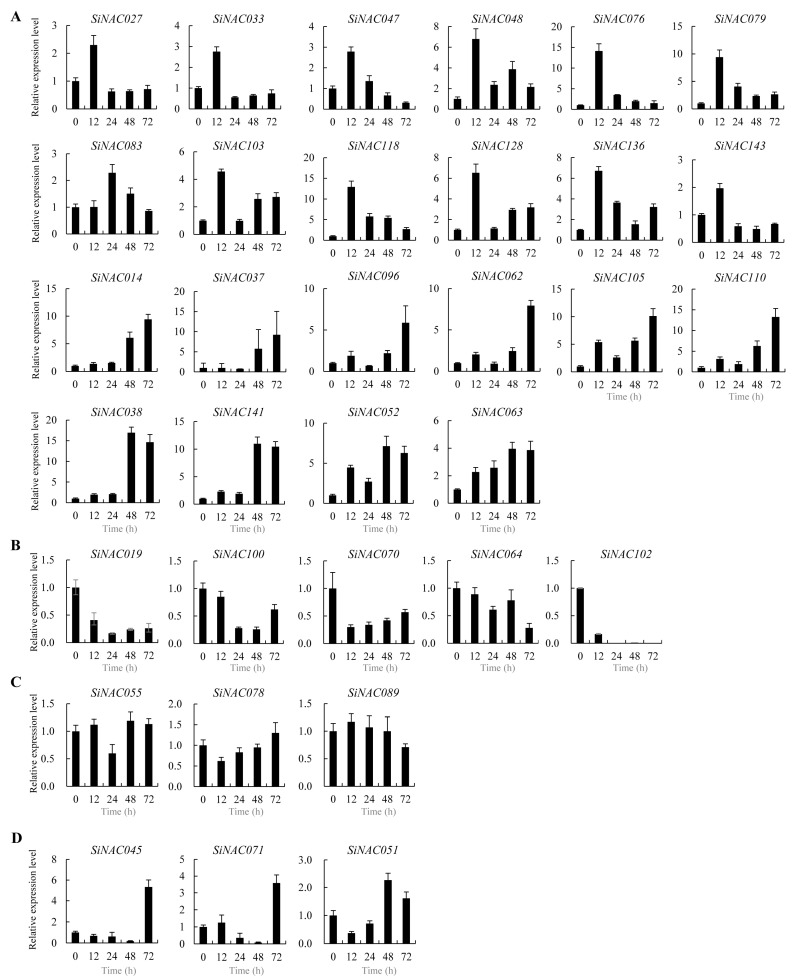
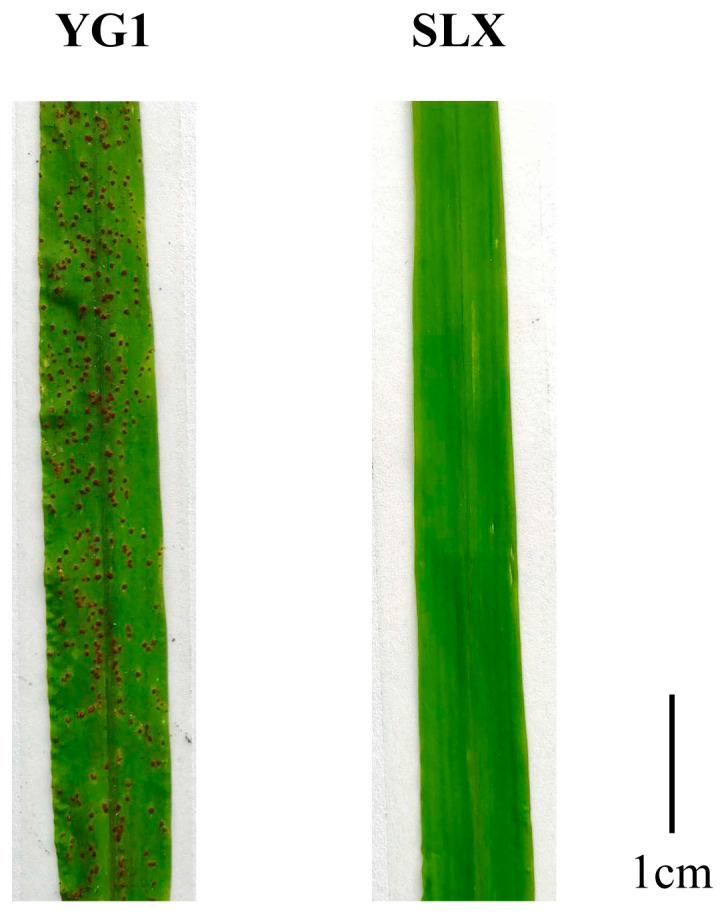
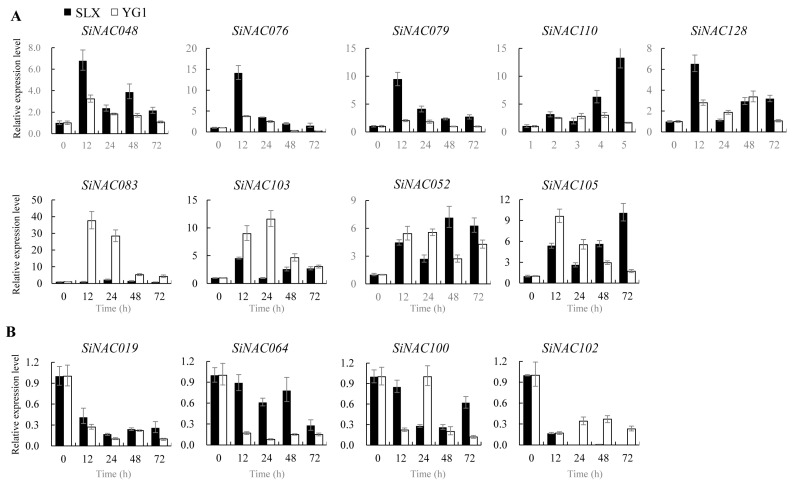
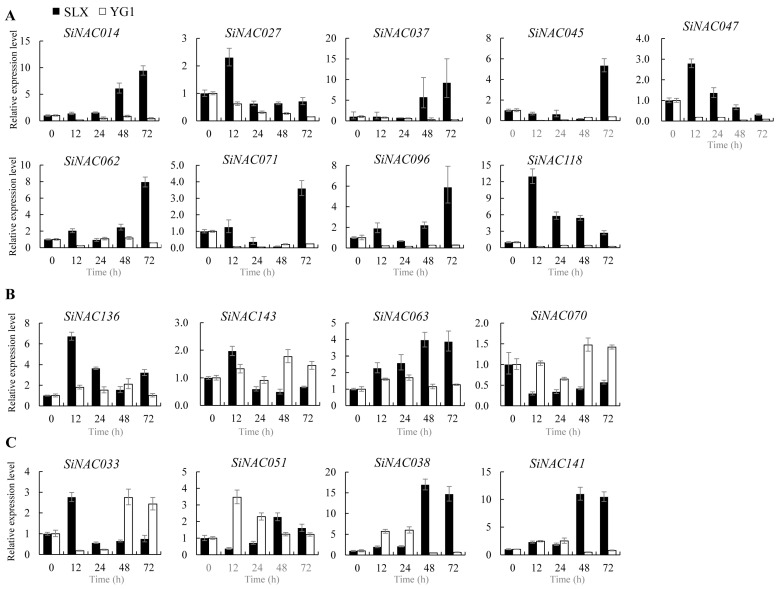
Foxtail millet (), a vital cereal crop in China, serves as both a staple food and forage source but is threatened by rust disease caused by (), leading to severe yield and quality losses. The NAM, ATAF1/2, and CUC2 (NAC) transcription factor family represents one of the largest plant-specific regulatory gene families, playing pivotal roles in development and stress responses. However, the functional relevance of NAC genes in foxtail millet's defense against this pathogen remains unexplored. Here, we systematically analyzed 33 genes from the foxtail millet genome. Phylogenetic analysis classified these genes into 11 subgroups, while chromosomal mapping localized them to nine chromosomes unevenly. Promoter analysis identified stress- and plant hormone-related -elements, suggesting functional diversity. Expression profiling analysis showed that most genes exhibit tissue-specific expression patterns. Quantitative real-time PCR (qRT-PCR) results indicated that 30 genes responded to infection, with 17 showing a strong association with rust resistance. Three resistance-associated genes demonstrated transactivation activity and nuclear localization, indicating their regulatory function in defense responses. This study provides both mechanistic insights into -mediated rust resistance and potential targets for molecular breeding in foxtail millet.
谷子是中国一种重要的谷类作物,既是主食又是饲料来源,但受到由[病原菌名称未给出]引起的锈病威胁,导致严重的产量和质量损失。NAM、ATAF1/2和CUC2(NAC)转录因子家族是最大的植物特异性调控基因家族之一,在植物发育和应激反应中起关键作用。然而,NAC基因在谷子抵御这种病原菌中的功能相关性仍未被探索。在此,我们系统地分析了谷子基因组中的33个NAC基因。系统发育分析将这些基因分为11个亚组,而染色体定位将它们不均匀地定位到9条染色体上。启动子分析鉴定出与胁迫和植物激素相关的顺式作用元件,表明其功能多样性。表达谱分析表明,大多数NAC基因表现出组织特异性表达模式。定量实时PCR(qRT-PCR)结果表明,30个基因对[病原菌名称未给出]感染有反应,其中17个与抗锈性密切相关。三个与抗性相关的基因表现出反式激活活性和核定位,表明它们在防御反应中的调控功能。本研究为谷子中病原菌介导的抗锈性提供了机制性见解,并为谷子分子育种提供了潜在靶点。