Jayne Christopher, Mavrommatis Sophia, Shah Ayush D, Medina Giovanna, Paschos Nikolaos
St. Joseph's Medical Center, Stockton, CA, USA.
Orthopedic Surgery, Massachusetts General Hospital, Harvard Medical School, Boston, MA, USA.
J Pediatr Soc North Am. 2024 Feb 28;6:100015. doi: 10.1016/j.jposna.2024.100015. eCollection 2024 Feb.
Patellofemoral instability (PFI) is one of the most common musculoskeletal problems in physically active children and young adults. PFI may significantly limit physical activity and increase the risk of developing arthritis long term. Identification and appropriate management of PFI is crucial in preventing long-term sequelae in the pediatric population. The purpose of this article is to review current concepts in PFI in young patients, focusing on epidemiology, risk factors, and treatment rationale.
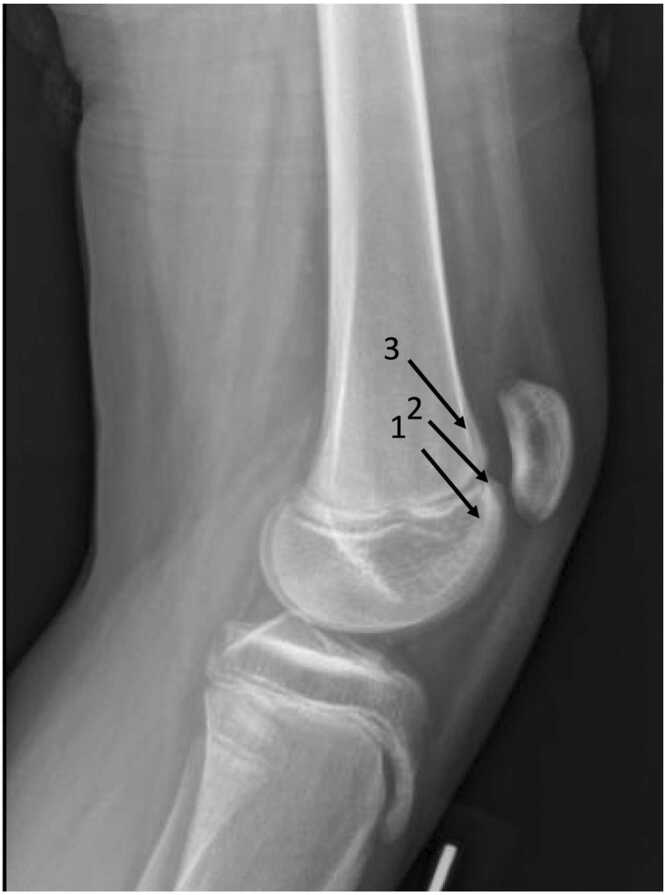
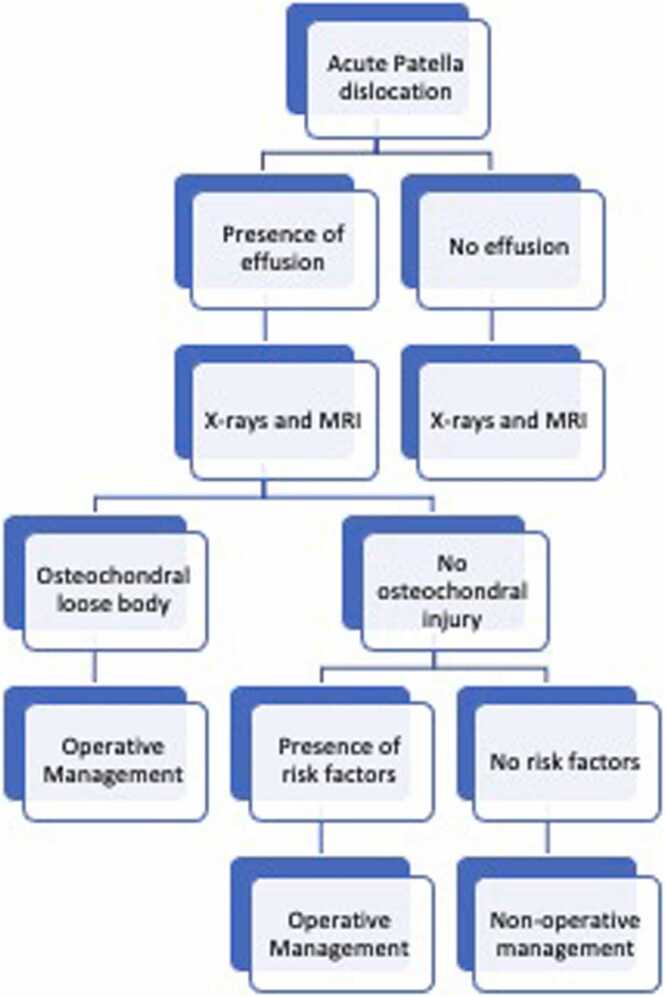
1)Patella femoral instability (PFI) is most common in young, physically active female patients with predominance during adolescence between the ages of 13 and 18.2)Non-contact sports injuries are the most common mechanism of PFI injuries.3)Treatment of PFI involves non-operative and operative management with the goal of patellofemoral joint stability and high functionality.4)Surgical management is indicated for recurrent PFI. For first-time dislocation, selection of operative management depends on presence of risk factors for recurrent instability, such as trochlea dysplasia, patella alta, ligamentous laxity, and age as well as the presence of osteochondral injury.
髌股关节不稳(PFI)是身体活跃的儿童和年轻人中最常见的肌肉骨骼问题之一。PFI可能会显著限制身体活动,并增加长期患关节炎的风险。识别并妥善处理PFI对于预防儿童群体的长期后遗症至关重要。本文旨在综述年轻患者PFI的当前概念,重点关注流行病学、危险因素和治疗原理。
1)髌股关节不稳(PFI)在年轻、身体活跃的女性患者中最为常见,在13至18岁的青春期最为突出。2)非接触性运动损伤是PFI损伤最常见的机制。3)PFI的治疗包括非手术和手术处理,目标是实现髌股关节稳定和高功能性。4)复发性PFI需进行手术治疗。对于首次脱位,手术治疗的选择取决于复发性不稳的危险因素,如滑车发育不良、高位髌骨、韧带松弛、年龄以及是否存在骨软骨损伤。