Khattab R M, Marzouk M A, Sadek H E H
Refractories, Ceramics and Building Materials Department, National Research Centre, Dokki, Cairo, 12622, Egypt.
Pharos University, Canal El Mahmoudiah Street, Smouha, Alexandria, Egypt.
Sci Rep. 2025 Jun 2;15(1):19337. doi: 10.1038/s41598-025-03908-6.
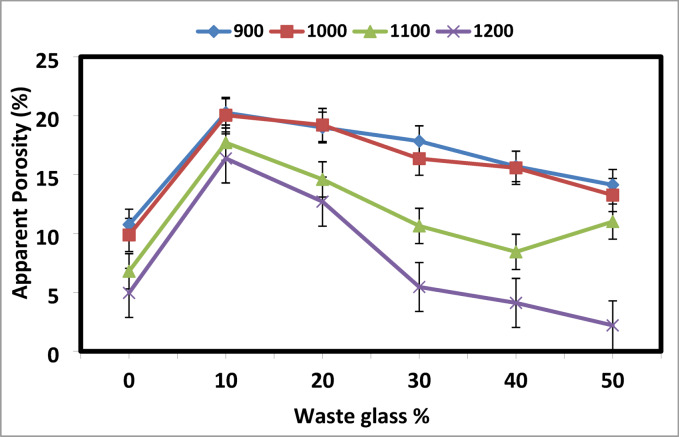
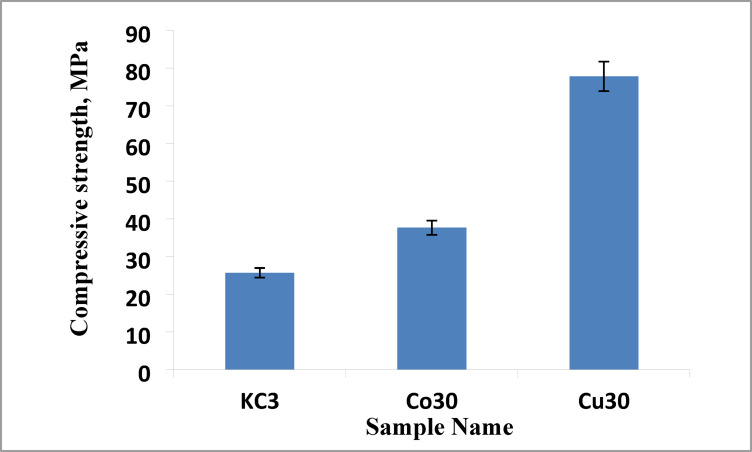
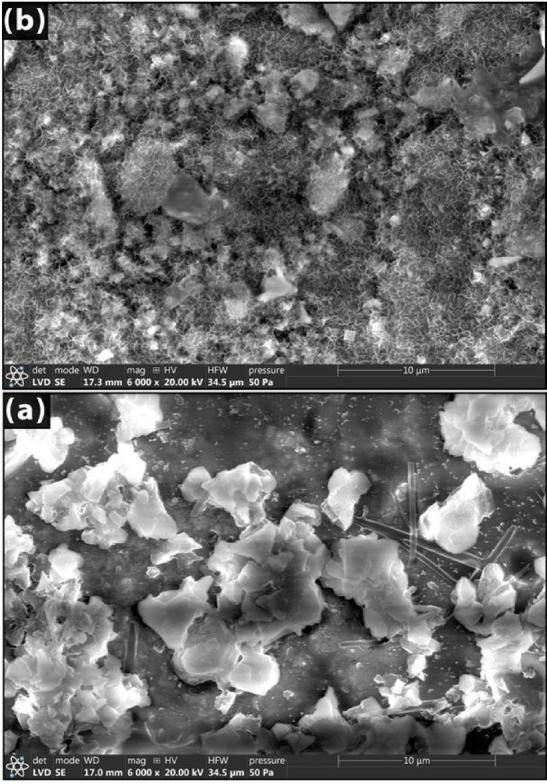
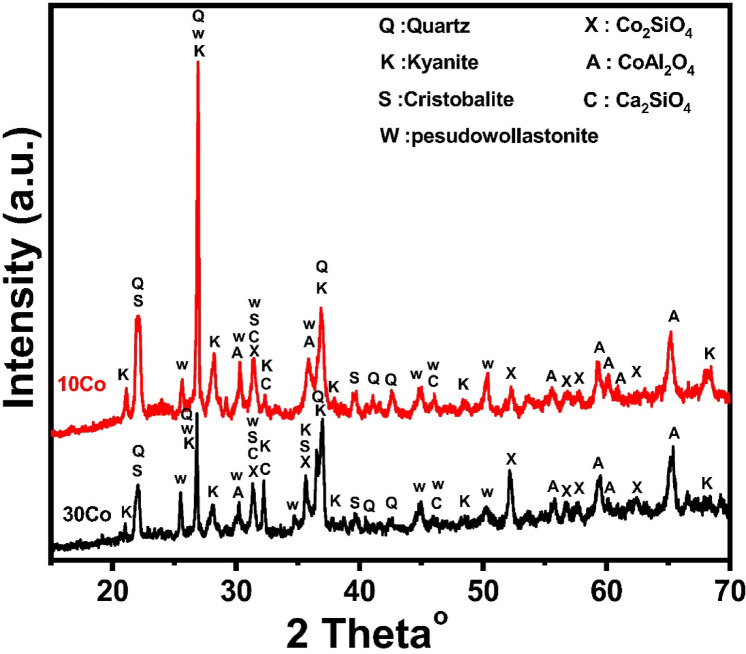
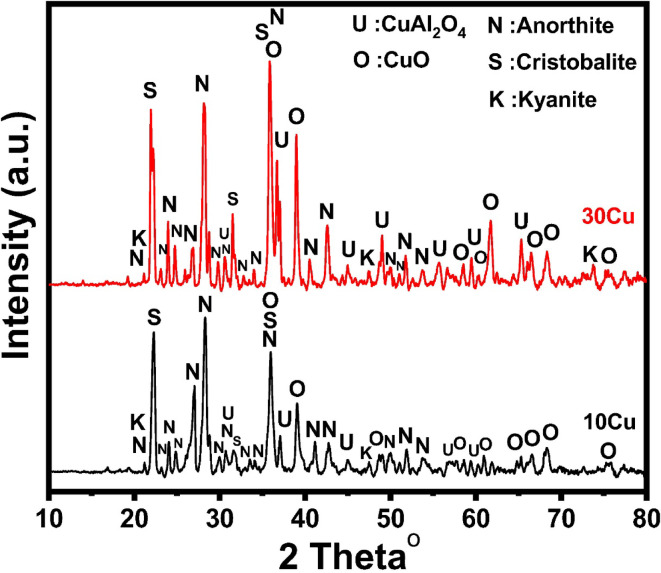
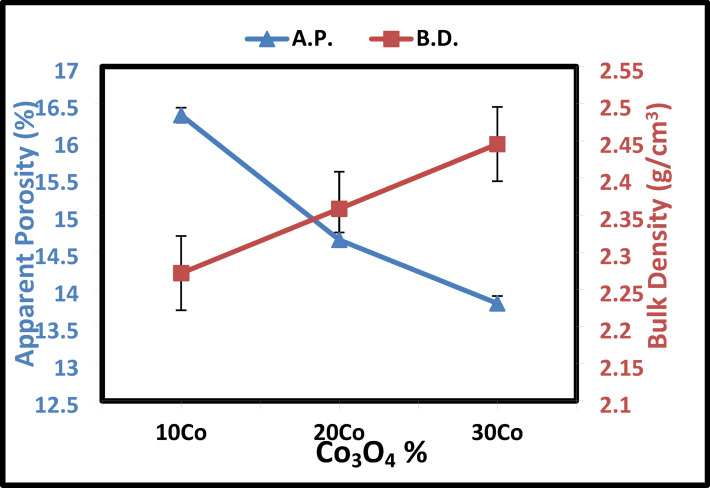
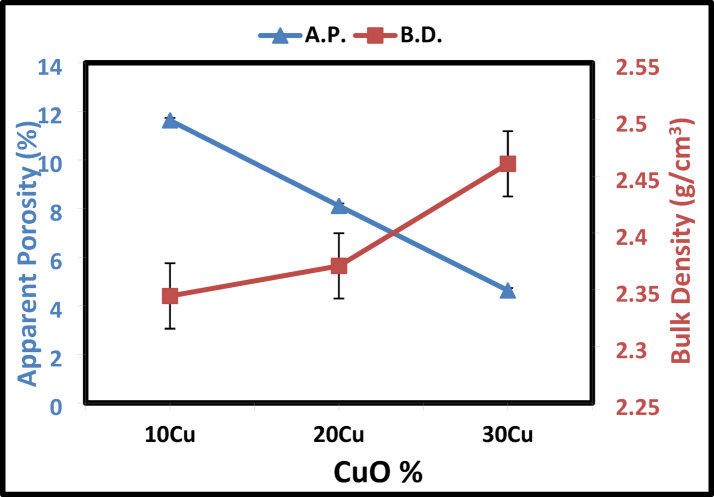
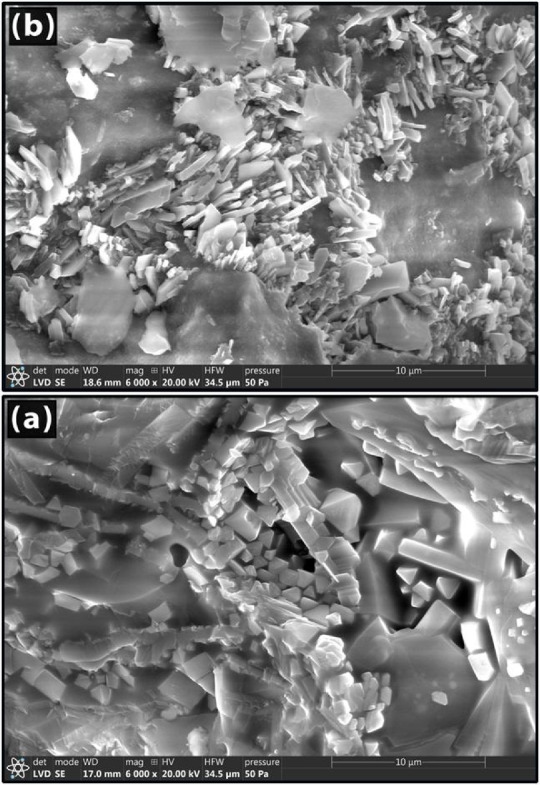
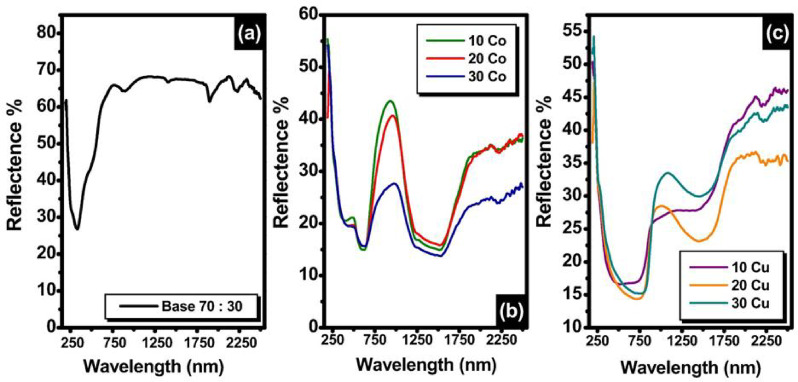
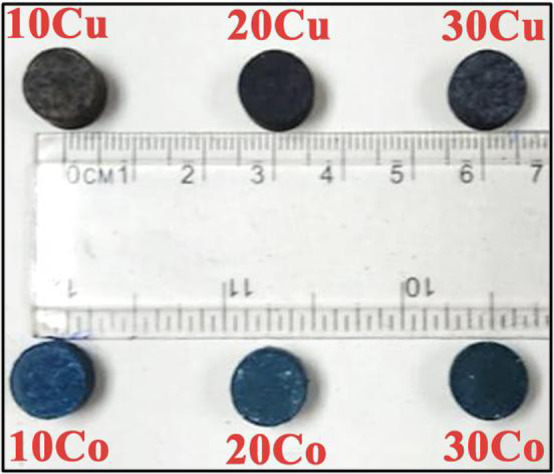
A range of ceramic materials was developed using Egyptian Kaolin combined with varying amounts of glass cullet waste (0-50 wt%) through uniaxial pressing and sintering at temperatures between 900 and 1200 °C. The study further examined the effects of adding transition metal oxides, CoO or CuO, into a mix of 70% kaolin and 30% cullet, sintered at 1000 °C. Phase identification and chemical composition analysis were carried out using X-ray diffraction (XRD) and dispersive X-ray fluorescence (XRF), while physical properties such as bulk density, apparent porosity, hardness, and microstructure were evaluated through scanning electron microscopy (SEM). The results revealed that increasing the cullet content up to 50 wt% resulted in higher apparent porosity. The sintered ceramics exhibited a hardness of 7.9 GPa, with the lowest bulk density (2.75 g/cm) and highest apparent porosity (13%). Adding CoO or CuO up to 30 wt% increased the density of the material and reduced porosity, with CoO achieving the highest density (2.44 g/cm) and lowest porosity (13%). CuO slightly increased porosity to around 4%, with a density of 2.46 g/cm. CoO-based ceramics exhibited superior hardness compared to CuO, as the latter encouraged the formation of anorthite. Optical tests showed that CoO caused a color change from light to dark, while CuO samples turned dark brown to black. CuO-containing ceramics had reflectance values below 40%, indicating their potential application in antireflection coatings for solar cells.
通过单轴压制并在900至1200°C的温度下烧结,使用埃及高岭土与不同量的碎玻璃废料(0 - 50 wt%)开发了一系列陶瓷材料。该研究进一步考察了在70%高岭土和30%碎玻璃的混合物中添加过渡金属氧化物CoO或CuO,并在1000°C烧结后的效果。使用X射线衍射(XRD)和色散X射线荧光光谱(XRF)进行相鉴定和化学成分分析,同时通过扫描电子显微镜(SEM)评估诸如堆积密度、显气孔率、硬度和微观结构等物理性能。结果表明,将碎玻璃含量增加至50 wt%会导致更高的显气孔率。烧结陶瓷的硬度为7.9 GPa,堆积密度最低(2.75 g/cm³),显气孔率最高(13%)。添加高达30 wt%的CoO或CuO会增加材料的密度并降低气孔率,CoO达到最高密度(2.44 g/cm³)和最低气孔率(13%)。CuO使气孔率略有增加至约4%,密度为2.46 g/cm³。与CuO相比,CoO基陶瓷表现出更高的硬度,因为后者促进了钙长石的形成。光学测试表明,CoO导致颜色从浅变深,而CuO样品从深棕色变为黑色。含CuO的陶瓷反射率值低于40%,表明其在太阳能电池减反射涂层中的潜在应用。