Hawiset Thaneeya, Sriraksa Napatr, Anukanon Shisanupong, Kamsrijai Utcharaporn, Praman Siwaporn, Teerapattarakan Narudol, Inkaew Prachak
School of Medicine, Mae Fah Luang University, Muang, Chiang Rai 57100, Thailand.
School of Medical Sciences, University of Phayao, Muang, Phayao 56000, Thailand.
Adv Pharmacol Pharm Sci. 2025 May 26;2025:7334303. doi: 10.1155/adpp/7334303. eCollection 2025.
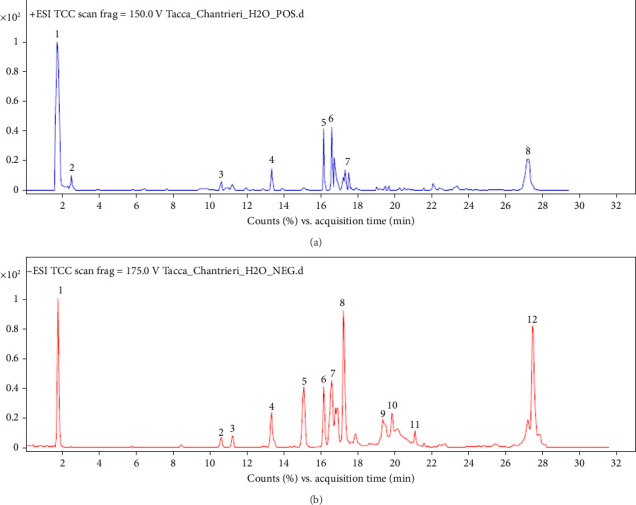
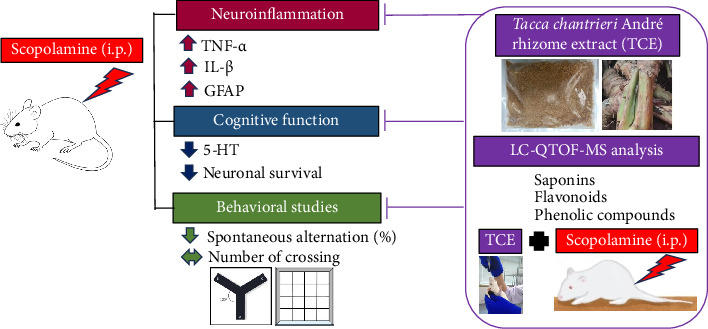
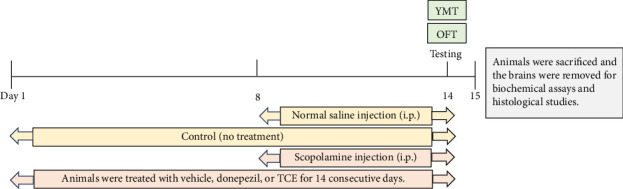
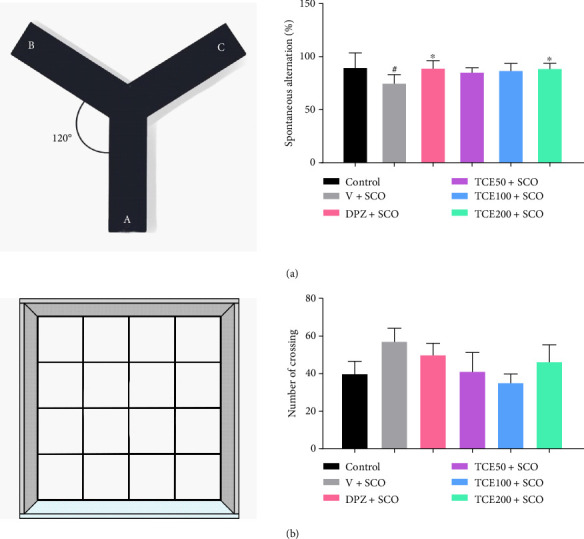
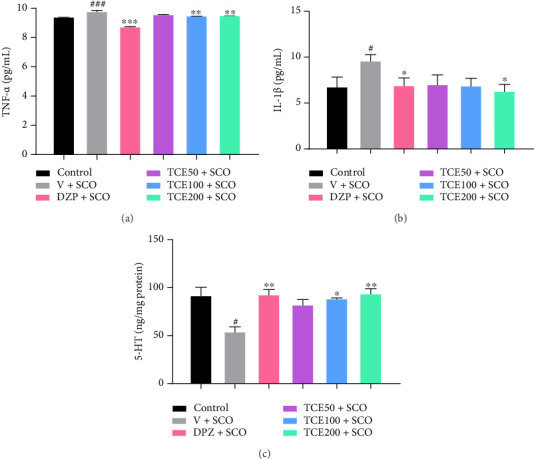
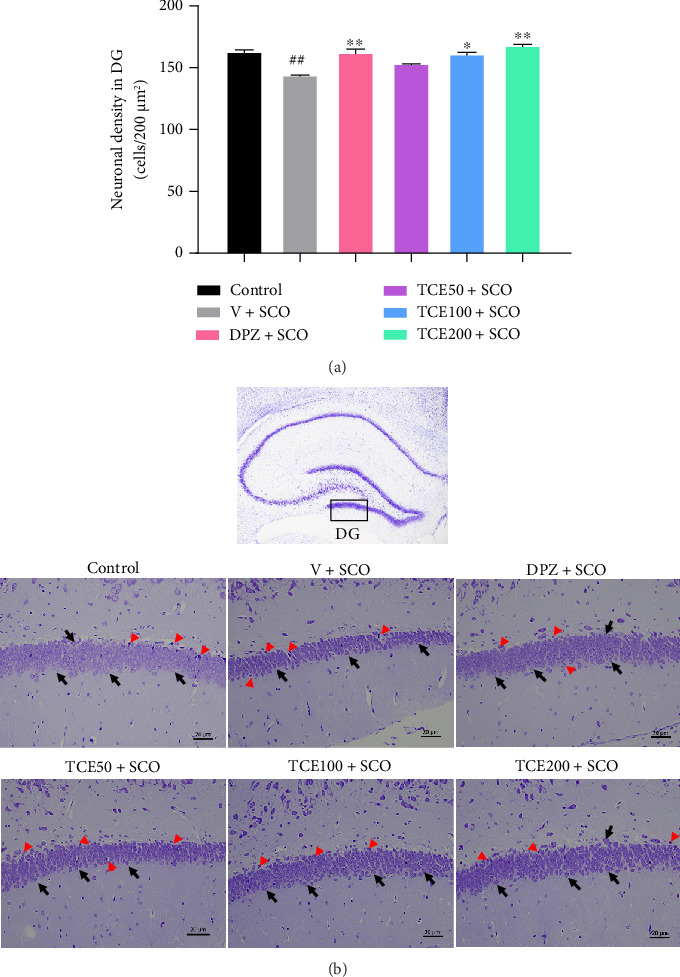
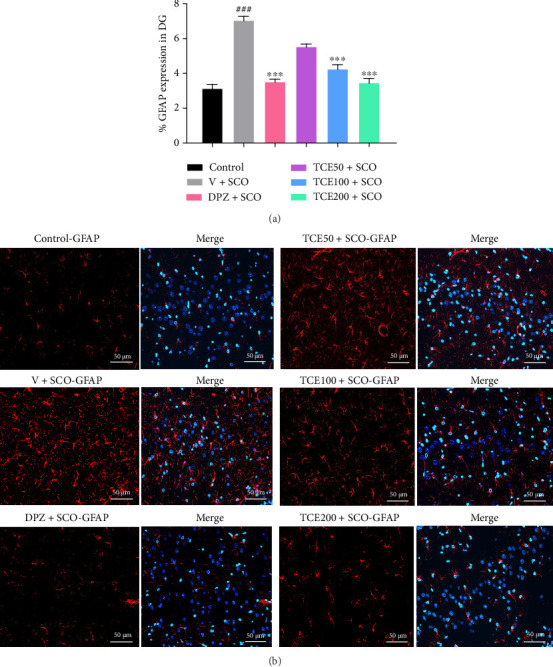
André is a native plant from Northern Thailand with reported pharmacological effects, including antioxidant, anti-inflammatory, and neuroprotective properties. This study investigated the neuroinflammatory and cognitive-enhancing effects of André rhizome extract (TCE) in a scopolamine-injected model, which mimics an Alzheimer's disease (AD) animal model. Animals were divided into six groups: (1) a control group, (2) a vehicle-treated group, (3) a donepezil-treated group (3 mg/kg BW) as a positive control, and (4-6) three TCE-treated groups receiving 50, 100, or 200 mg/kg BW once daily for 14 days. Starting on Day 8, animals received daily intraperitoneal injections of scopolamine (3 mg/kg BW) for 7 consecutive days to induce cognitive impairment. On day 14, behavioral tests were conducted, including the Y-maze and open field tests. On day 15, animals were euthanized, and their brains were collected for Nissl staining, immunofluorescence staining, and biochemical analyses using an ELISA kit. Our results demonstrated that TCE treatment attenuated scopolamine-induced memory deficits and neuroinflammation. Specifically, TCE administration reduced levels of proinflammatory cytokines, including tumor necrosis factor-α (TNF-α) and interleukin-1β (IL-1β), and decreased glial fibrillary acidic protein (GFAP) expression in the hippocampus. Additionally, TCE improved neuronal survival and enhanced serotonin levels, contributing to cognitive improvements. The qualitative analysis of TCE using LC-QTOF-MS identified various chemical constituents, including saponins, flavonoids, and phenolic compounds. These bioactive compounds contributed to the neuroprotective effects of TCE by modulating neuroinflammation and cognitive function. The neuroprotective effects of TCE suggested its potential as a therapeutic agent for memory impairment associated with AD.
山姜是一种原产于泰国北部的植物,据报道具有药理作用,包括抗氧化、抗炎和神经保护特性。本研究在东莨菪碱注射模型中研究了山姜根茎提取物(TCE)的神经炎症和认知增强作用,该模型模拟阿尔茨海默病(AD)动物模型。动物分为六组:(1)对照组,(2)溶剂处理组,(3)多奈哌齐处理组(3mg/kg体重)作为阳性对照,以及(4-6)三个TCE处理组,每天接受一次50、100或200mg/kg体重的TCE处理,持续14天。从第8天开始,动物连续7天每天腹腔注射东莨菪碱(3mg/kg体重)以诱导认知障碍。在第14天,进行行为测试,包括Y迷宫和旷场试验。在第15天,对动物实施安乐死,并收集它们的大脑用于尼氏染色、免疫荧光染色以及使用酶联免疫吸附测定试剂盒进行生化分析。我们的结果表明,TCE处理减轻了东莨菪碱诱导的记忆缺陷和神经炎症。具体而言,TCE给药降低了促炎细胞因子的水平,包括肿瘤坏死因子-α(TNF-α)和白细胞介素-1β(IL-1β),并降低了海马中胶质纤维酸性蛋白(GFAP)的表达。此外,TCE改善了神经元存活并提高了血清素水平,有助于认知改善。使用液相色谱-四极杆飞行时间质谱(LC-QTOF-MS)对TCE进行的定性分析确定了各种化学成分,包括皂苷、黄酮类化合物和酚类化合物。这些生物活性化合物通过调节神经炎症和认知功能对TCE的神经保护作用有贡献。TCE的神经保护作用表明其作为与AD相关的记忆障碍治疗剂的潜力。