Liu Ting-Yuan, Lu Hsing-Fang, Chen Yu-Chia, Liao Chi-Chou, Lin Ying-Ju, Yang Jai-Sing, Liao Wen-Ling, Lin Wei-De, Chen Shih-Yin, Huang Yu-Chuen, Lin Wei-Yong, Liu Yu-Huei, Hsu Kai-Cheng, Chang Shih-Sheng, Chen Hong-Da, Chou Yu-Pao, Chang Jan-Gowth, Wang Chung-Hsing, Chang Chwen-Tzuei, Huang Chung-Ming, Yeo Kai-Jieh, Wang Tzu-Yuan, Yeh Chin-Chung, Chen Jiunn-Horng, Huang Chi-Ping, Lai Hsueh-Chou, Chen Rong-Hsing, Lin Hui-Ju, Wu Po-Yuan, Wang Jiu-Yao, Kuo Chin-Chi, Cho Der-Yang, Tsai Chang-Hai, Tsai Fuu-Jen
Million-person precision medicine initiative, Department of Medical Research, China Medical University Hospital, Taichung 40402, Taiwan.
Master Program for Digital Health Innovation, China Medical University, Taichung 406040, Taiwan.
Sci Adv. 2025 Jun 6;11(23):eadt0539. doi: 10.1126/sciadv.adt0539. Epub 2025 Jun 4.
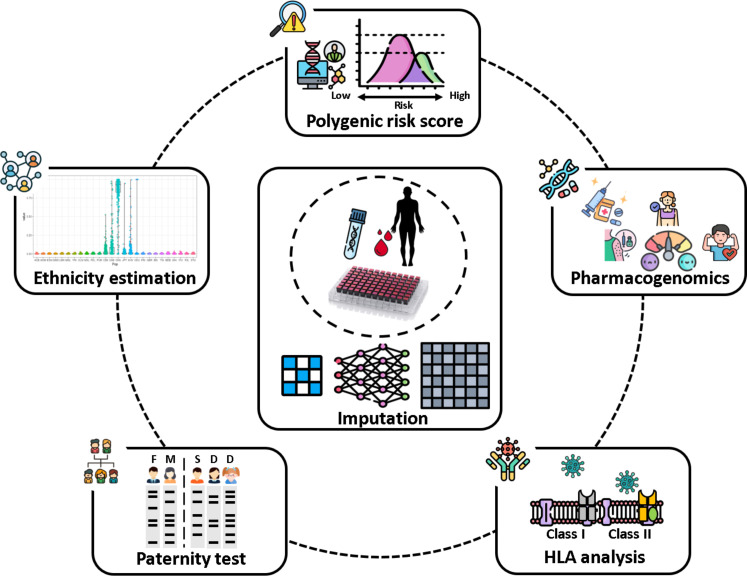
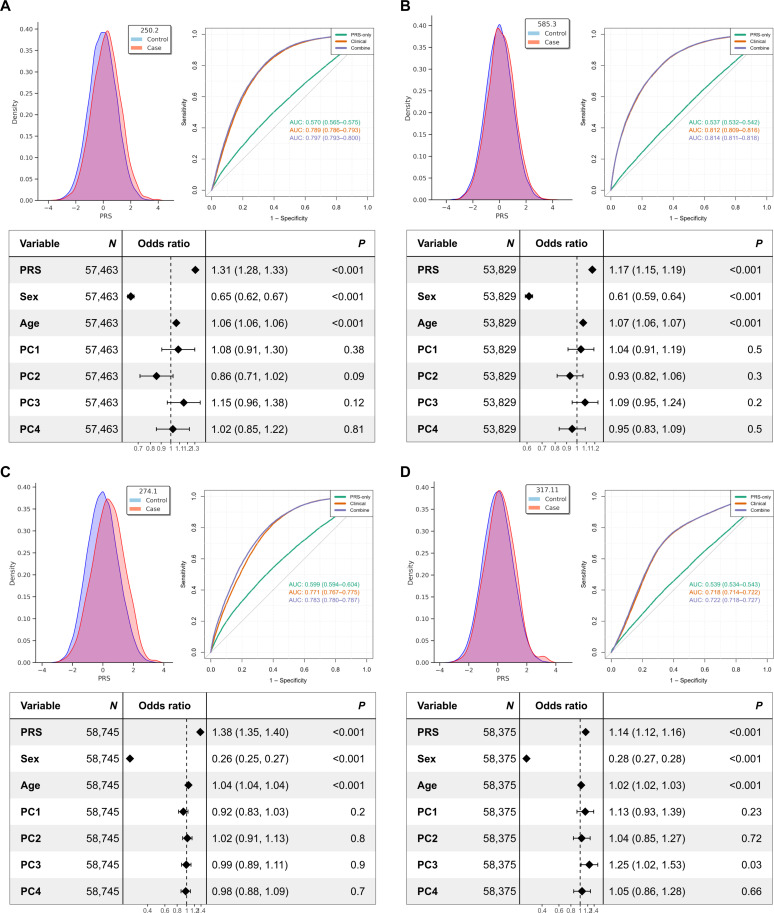
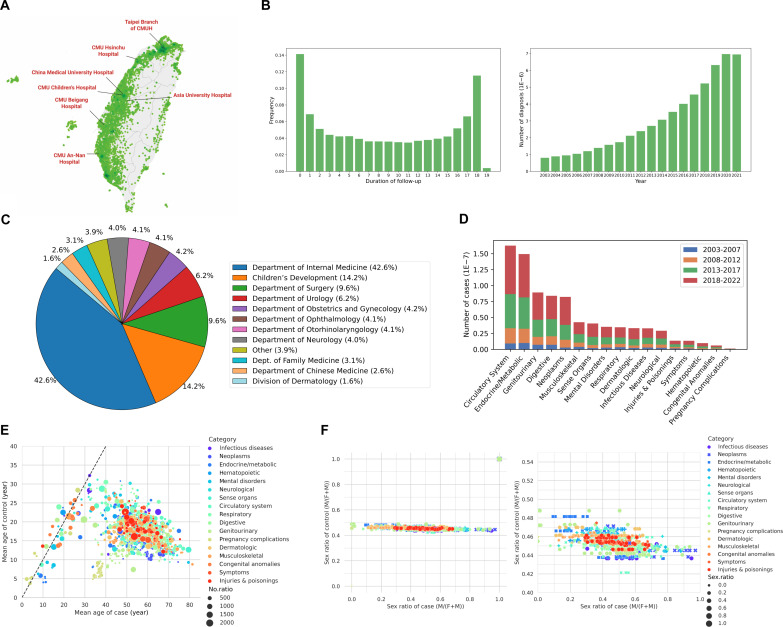
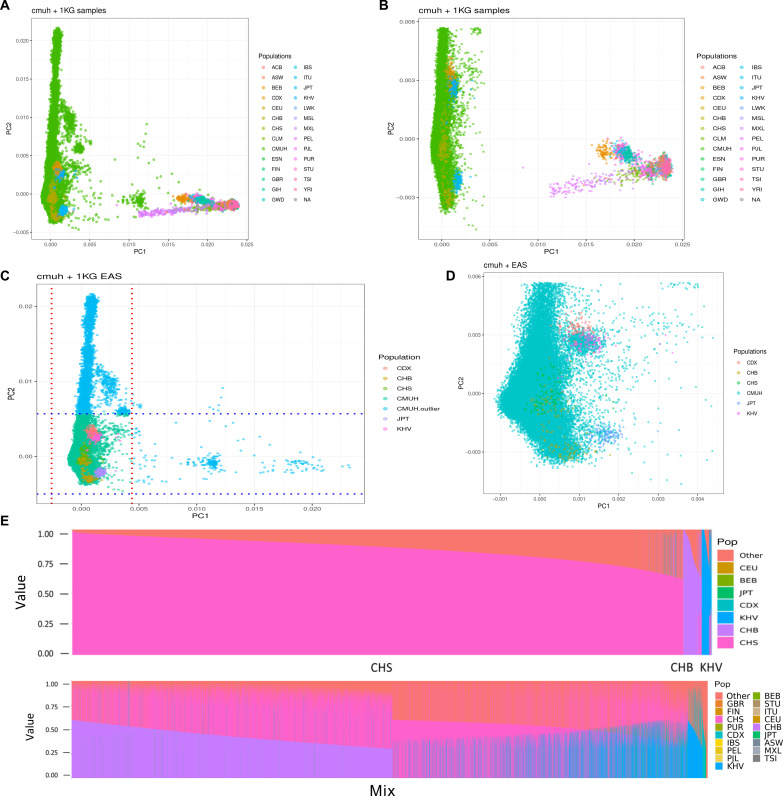
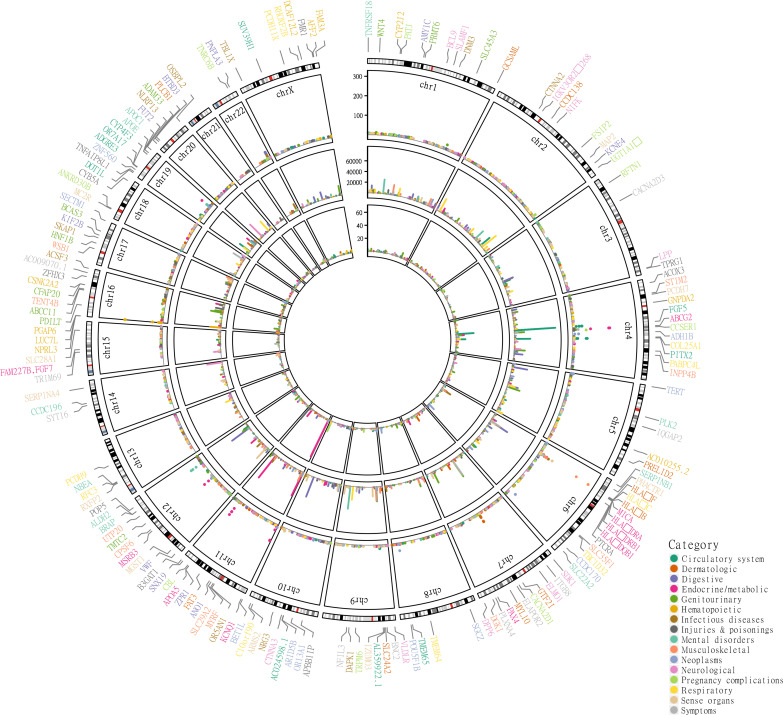
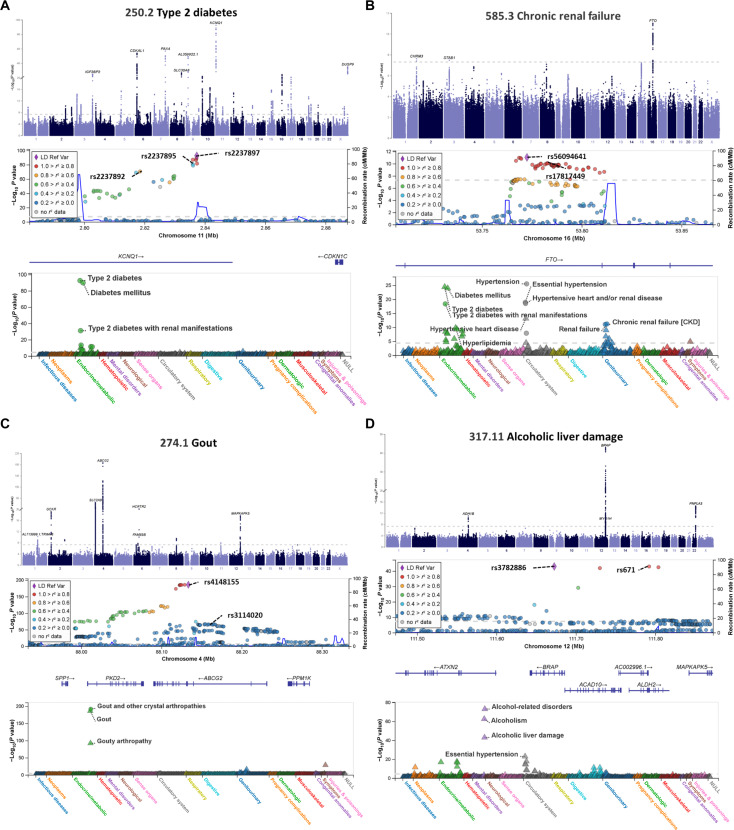
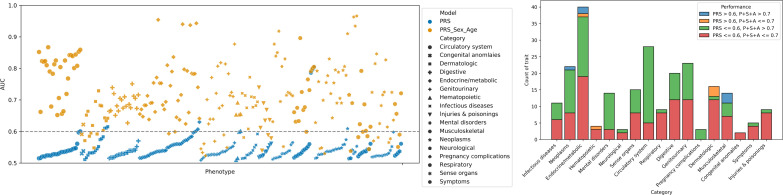
We addressed the underrepresentation of non-European populations in genome-wide association studies (GWASs) by building HiGenome, a large-scale genetic resource for the Taiwanese Han population. Using a custom genotyping array, we integrated deidentified electronic medical records (2003 to 2021) with genomic data to enable GWASs, phenome-wide association studies, and polygenic risk score (PRS) analysis. Among 413,000 participants, 323,397 passed ancestry and quality control filtering. GWASs covered 1085 traits, focusing on diseases prevalent in Taiwan such as type 2 diabetes, chronic kidney disease, gout, and alcoholic liver damage. PRSs were calculated for 238 traits, with the strongest associations observed in musculoskeletal disorders. Incorporating PRS into clinical practice supports early risk prediction and personalized prevention. To further expand translational value, we also conducted pharmacogenomic analysis and human leukocyte antigen typing. HiGenome offers a large-scale genetic and clinical dataset from the Taiwanese Han population, supporting population-specific analyses and precision medicine development in East Asia. The hospital-based design enables continuous follow-up and longitudinal data expansion.
我们通过构建HiGenome(一个针对台湾汉族人群的大规模遗传资源库)来解决全基因组关联研究(GWAS)中欧洲以外人群代表性不足的问题。我们使用定制的基因分型阵列,将去识别化的电子病历(2003年至2021年)与基因组数据整合,以开展GWAS、全表型组关联研究和多基因风险评分(PRS)分析。在41.3万名参与者中,323397名通过了血统和质量控制筛选。GWAS涵盖1085个性状,重点关注台湾地区常见的疾病,如2型糖尿病、慢性肾病、痛风和酒精性肝损伤。计算了238个性状的PRS,在肌肉骨骼疾病中观察到最强的关联。将PRS纳入临床实践有助于早期风险预测和个性化预防。为了进一步扩大转化价值,我们还进行了药物基因组学分析和人类白细胞抗原分型。HiGenome提供了来自台湾汉族人群的大规模遗传和临床数据集,支持东亚地区针对特定人群的分析和精准医学发展。基于医院的设计能够实现持续随访和纵向数据扩展。