Rad Niloofar Fakhraei, Alimoradi Mohammad, Antohe Bogdan, Uysal Hüseyin Şahin, Korkmaz Sezgin, Relph Nicola, Mohammadian Zahra
School of Health and Rehabilitation Sciences, Physiotherapy, The University of Queensland, Brisbane, Queensland, Australia.
Faculty of Sports Sciences, Shahid Bahonar University of Kerman, Kerman, Iran.
PLoS One. 2025 Jun 5;20(6):e0325180. doi: 10.1371/journal.pone.0325180. eCollection 2025.
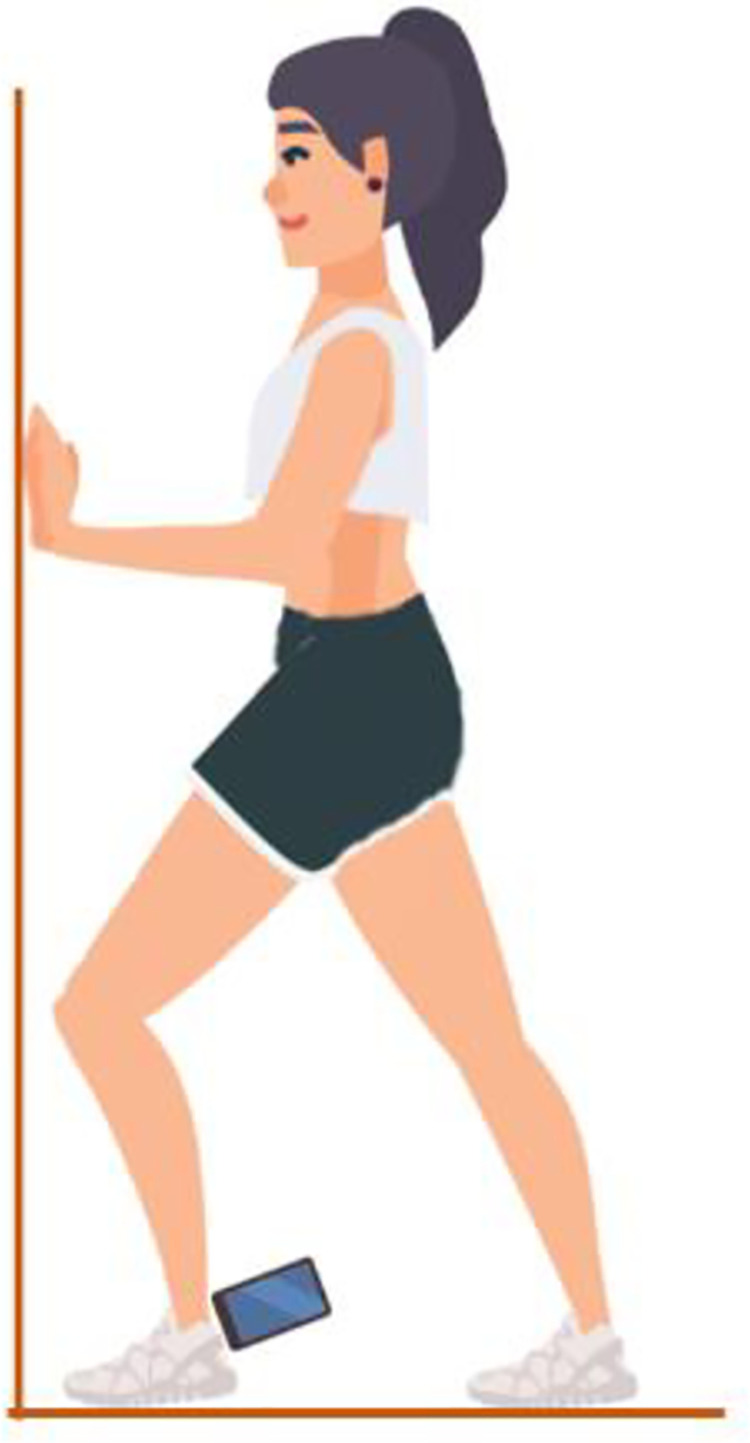
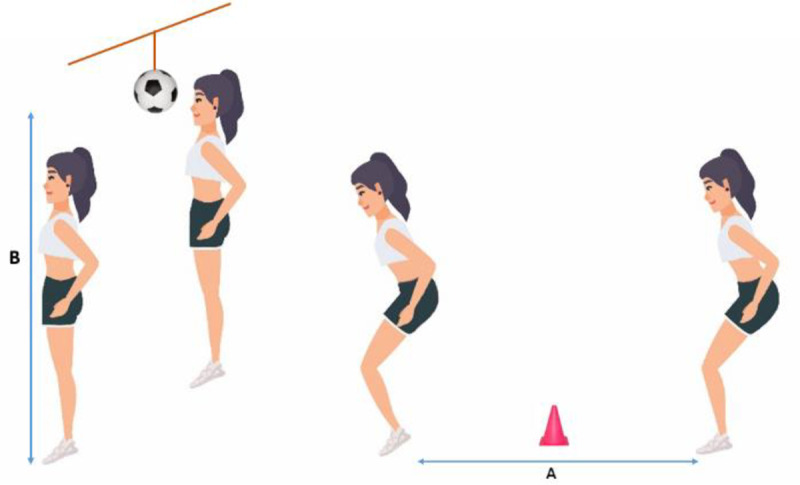
Ankle dorsiflexion range of motion (DF-ROM) has been shown to be associated with poor landing posture. This study aimed to model the relationship between DF-ROM and landing quality during the Soccer-Specific Jump-Landing task (SSJL) on the non-dominant extremity in elite and amateur female soccer players using a quantile regression approach.
55 amateur and 47 professional female soccer players participated in the study. The relationship between DF-ROM and SSJL quality was evaluated using Pearson's product-moment correlation analysis and Quantile regression modelling.
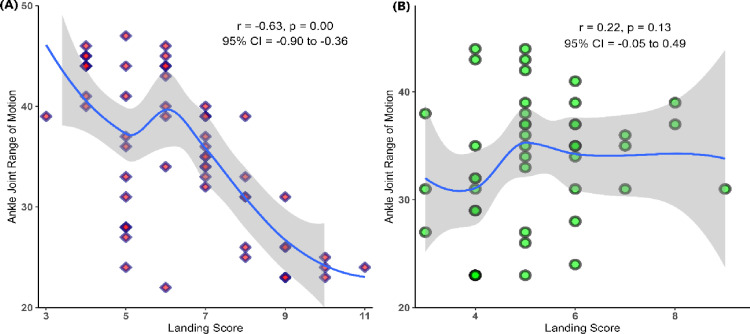
There was a statistically significant negative correlation between DF-ROM and SSJL landing quality among female soccer players (r = - 0.33, p = 0.001). Moreover, there was a statistically significant negative correlation between DF-ROM and SSJL landing quality in amateur female soccer players (r = - 0.63, p = 0.001), no significant correlation was found in elite female soccer players (r = 0.22, p = 0.13). Quantile regression results for amateur female soccer players indicate that the association between ankle DF-ROM and landing quality is stronger in athletes with higher SSJL landing quality scores (e.g., Q75 and Q90) compared to those with lower scores (e.g., Q10 and Q25). This suggests that ankle DF-ROM plays a more critical role in achieving higher-quality landing techniques than in poorer techniques.
Higher quality landing techniques in female soccer players are associated with larger ranges of ankle DF-ROM. Therefore, ankle DF-ROM level may be a functional clinical measurement for amateur female athletes in determining landing-related injury risk factors during SSJL.
踝关节背屈活动范围(DF-ROM)已被证明与不良着陆姿势有关。本研究旨在使用分位数回归方法,对精英和业余女子足球运动员非优势肢体在特定足球跳跃着陆任务(SSJL)期间DF-ROM与着陆质量之间的关系进行建模。
55名业余和47名职业女子足球运动员参与了该研究。使用Pearson积矩相关分析和分位数回归建模评估DF-ROM与SSJL质量之间的关系。
女子足球运动员中,DF-ROM与SSJL着陆质量之间存在统计学显著的负相关(r = -0.33,p = 0.001)。此外,业余女子足球运动员中DF-ROM与SSJL着陆质量之间存在统计学显著的负相关(r = -0.63,p = 0.001),精英女子足球运动员中未发现显著相关性(r = 0.22,p = 0.13)。业余女子足球运动员的分位数回归结果表明,与着陆质量得分较低的运动员(如Q10和Q25)相比,踝关节DF-ROM与着陆质量之间的关联在着陆质量得分较高的运动员(如Q75和Q90)中更强。这表明踝关节DF-ROM在实现高质量着陆技术方面比在较差技术方面发挥更关键的作用。
女子足球运动员更高质量的着陆技术与更大的踝关节DF-ROM范围相关。因此,踝关节DF-ROM水平可能是业余女运动员在确定SSJL期间与着陆相关的损伤风险因素时的一种功能性临床测量指标。