Rohatgi Anand, Anand Sonia S, Gadgil Meghana, Gujral Unjali P, Jain Sneha S, Javed Zulqarnain, Jha Manish, Joshi Parag H, Manubolu Venkat Sanjay, Nasir Khurram, Natarajan Pradeep, Pagidipati Neha, Palaniappan Latha, Patel Aniruddh P, Satish Priyanka, Shah Nilay S, Sharma Garima, Trivedi Madhukar H, Virani Salim S, Gulati Martha, Patel Jaideep
Division of Cardiology, Department of Internal Medicine, University of Texas Southwestern Medical Center, Dallas, TX, USA.
Department of Medicine, Population Health Research Institute, McMaster University, Hamilton, Ontario Canada.
Am J Prev Cardiol. 2025 Apr 22;22:101000. doi: 10.1016/j.ajpc.2025.101000. eCollection 2025 Jun.
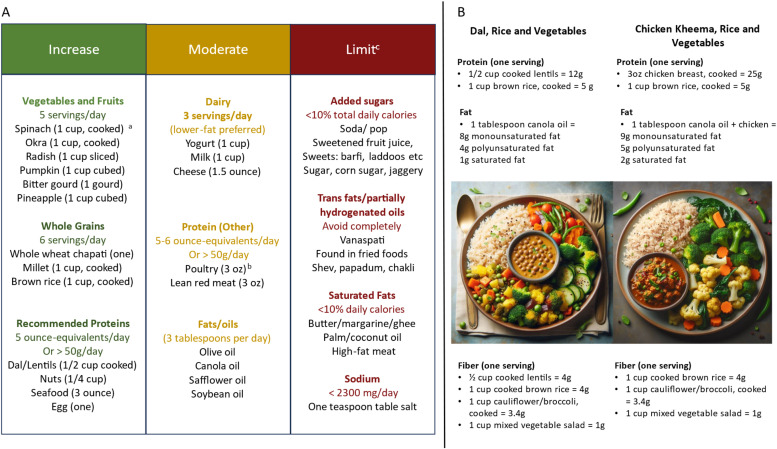
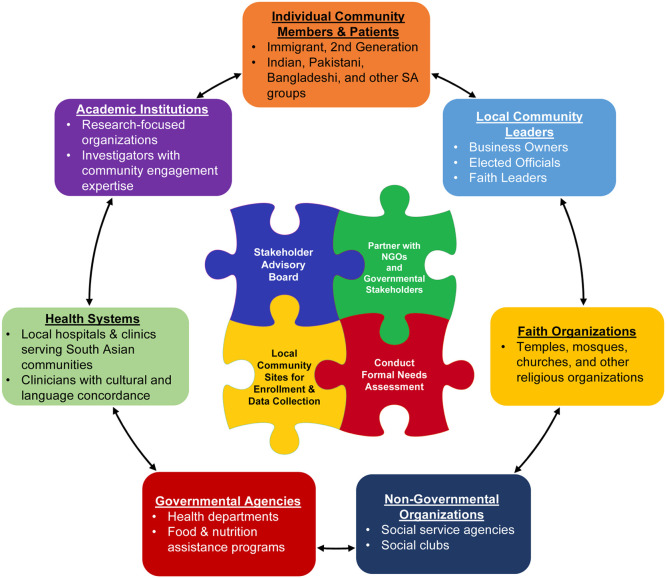
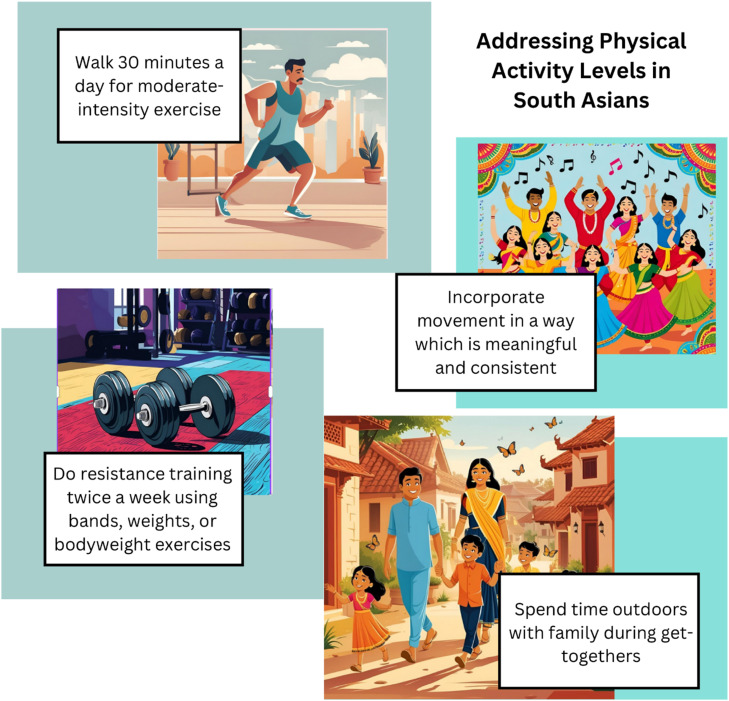
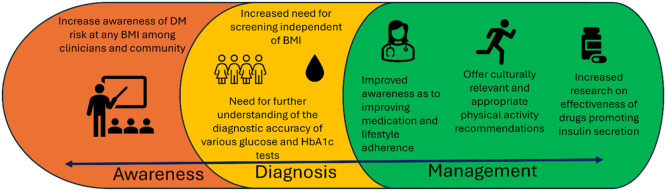
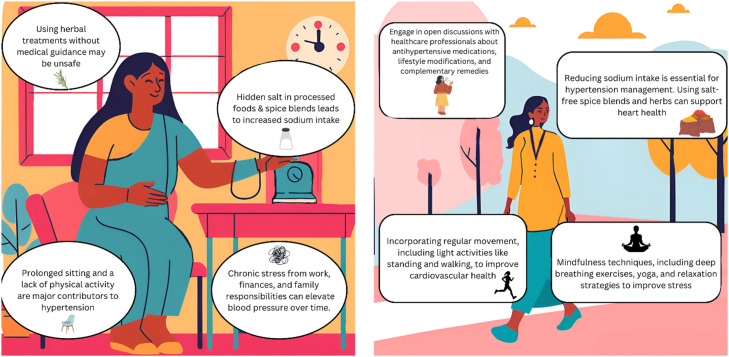
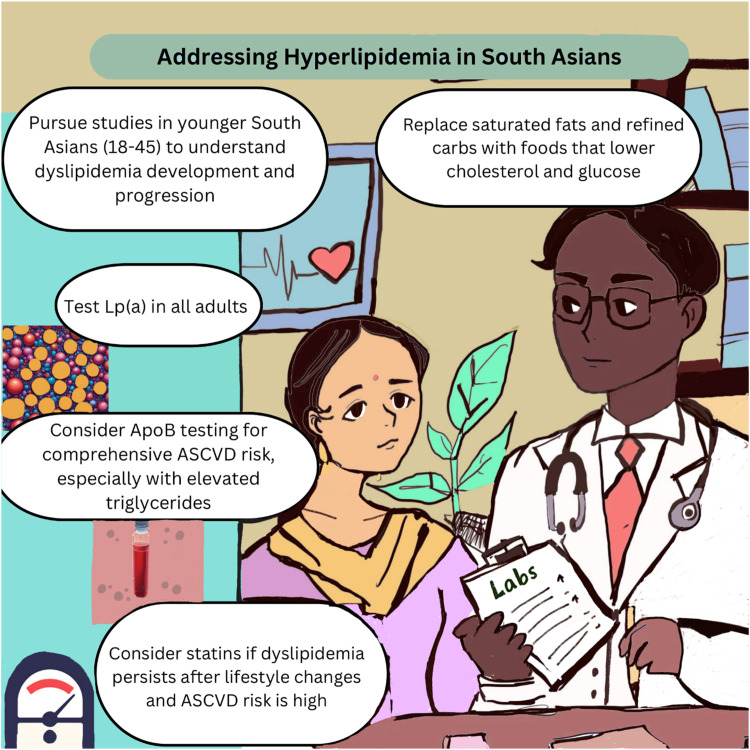
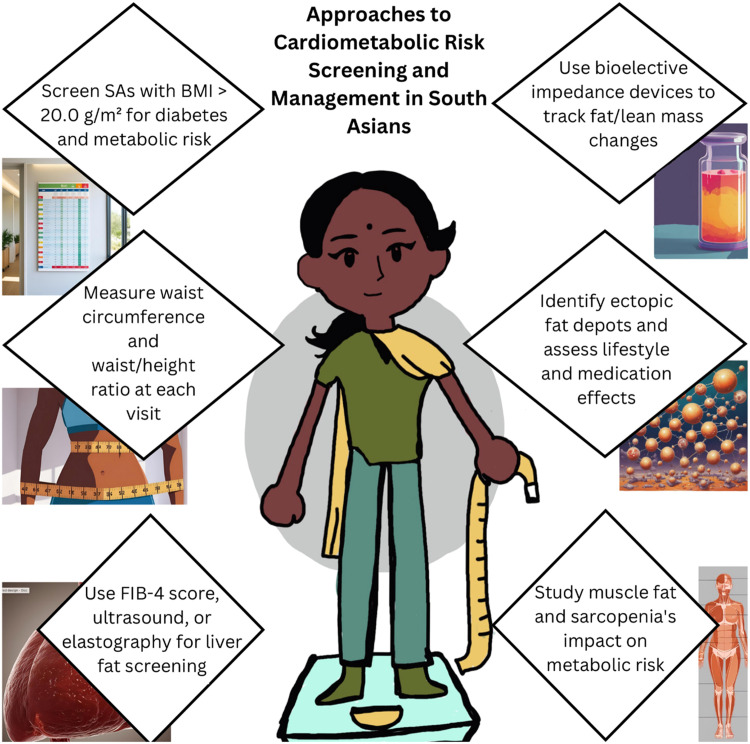
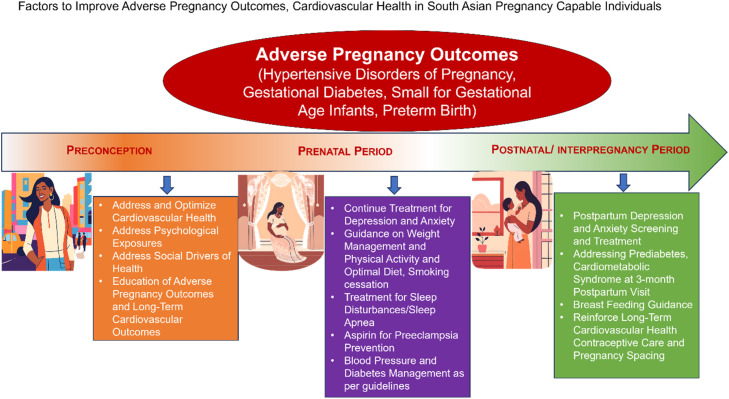
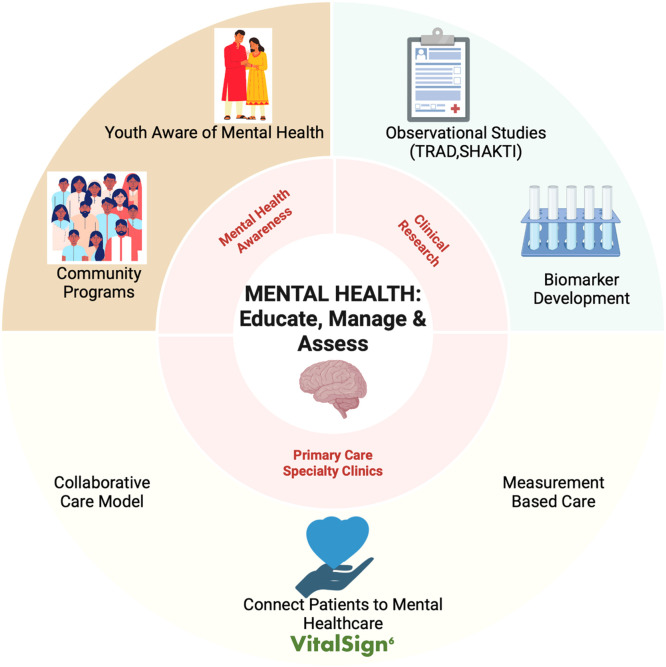
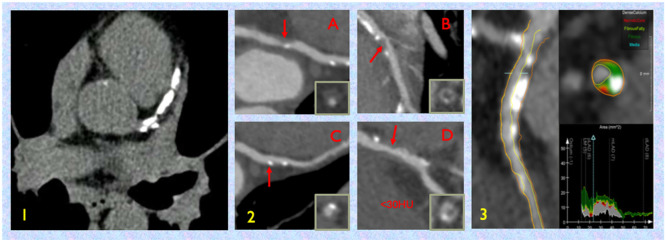
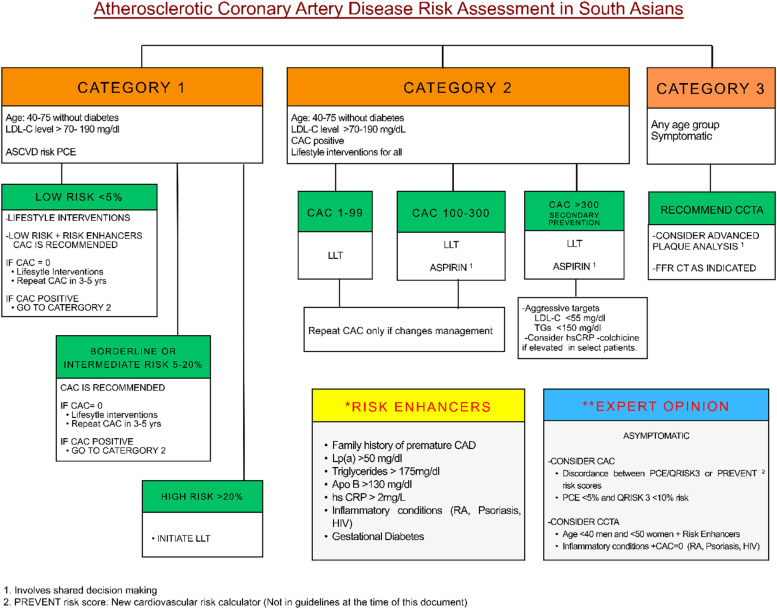
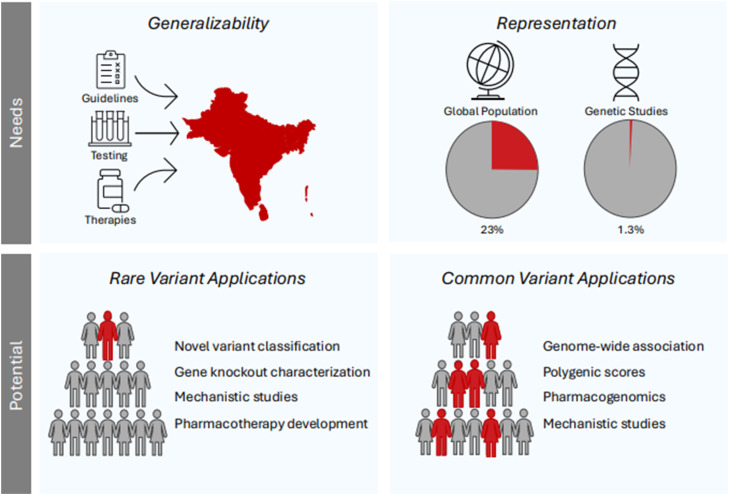
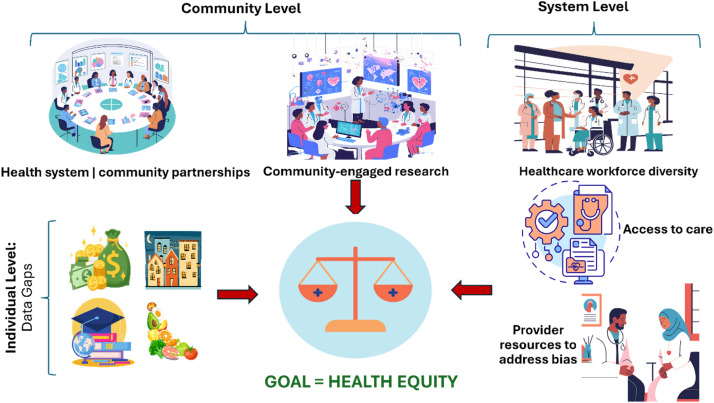
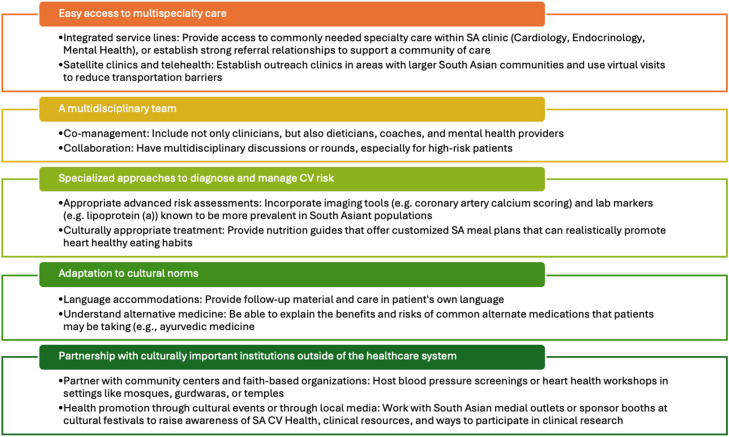
South Asians (SAs) represent an increasing proportion of North American populations and demonstrate excess cardiometabolic risk. Multiple factors likely contribute; however, much is not yet known about what leads to this excess risk. Diet composition, physical activity, and mental health are important lifestyle contributors. Specific adverse pregnancy outcomes are higher in SA women and represent an early opportunity for intervention. More broadly, comprehensive assessments of adiposity, diabetes, hypertension, dyslipidemia, coronary atherosclerosis via imaging, and genetic risk may improve detection and awareness among SAs and those treating SAs. At an individual level, culturally tailored preventive clinics may foster awareness and detection, leading to improved prevention and management of cardiometabolic risk. At a community and population level, assessments of the impact of social determinants, acculturation, and the environment may lead to broader initiatives to improve health in SAs. Lastly, supporting expanded investigation, policy, and other health and science measures at an institutional and societal level may lead to broad but impactful changes across the North American diaspora. In this clinical practice statement, we aim to provide a roadmap of the path forward in each of these domains for health care providers and health systems, community outreach groups, and stakeholders invested in investigation and policy to mitigate risk and empower SAs to lead healthy lives.
南亚人(SAs)在北美人口中所占比例日益增加,且表现出更高的心脏代谢风险。可能有多种因素导致这种情况;然而,对于导致这种额外风险的原因,我们仍知之甚少。饮食结构、身体活动和心理健康是重要的生活方式影响因素。南亚女性特定不良妊娠结局的发生率更高,这是早期干预的一个契机。更广泛地说,通过成像对肥胖、糖尿病、高血压、血脂异常、冠状动脉粥样硬化进行全面评估以及进行遗传风险评估,可能会提高南亚人以及治疗南亚人的医护人员对相关疾病的检测和认知。在个体层面,针对文化特点定制的预防诊所可能会提高认知和检测水平,从而改善心脏代谢风险的预防和管理。在社区和人群层面,评估社会决定因素、文化适应和环境的影响,可能会促使采取更广泛的举措来改善南亚人的健康状况。最后,在机构和社会层面支持扩大调查、政策制定以及其他健康和科学措施,可能会在整个北美侨民群体中带来广泛而有影响力的变化。在本临床实践声明中,我们旨在为医疗保健提供者、卫生系统、社区外展团体以及致力于调查和政策制定以降低风险并使南亚人能够过上健康生活的利益相关者,提供在上述每个领域向前发展的路线图。