Dhole Sandip, Patil Maitreyi, Gaikar Rohit R, More Sumedh
Physical Medicine and Rehabilitation, All India Institute of Medical Sciences - Bibinagar, Bibinagar, IND.
Physical Medicine and Rehabilitation, Private Practice, Bengaluru, IND.
Cureus. 2025 May 7;17(5):e83692. doi: 10.7759/cureus.83692. eCollection 2025 May.
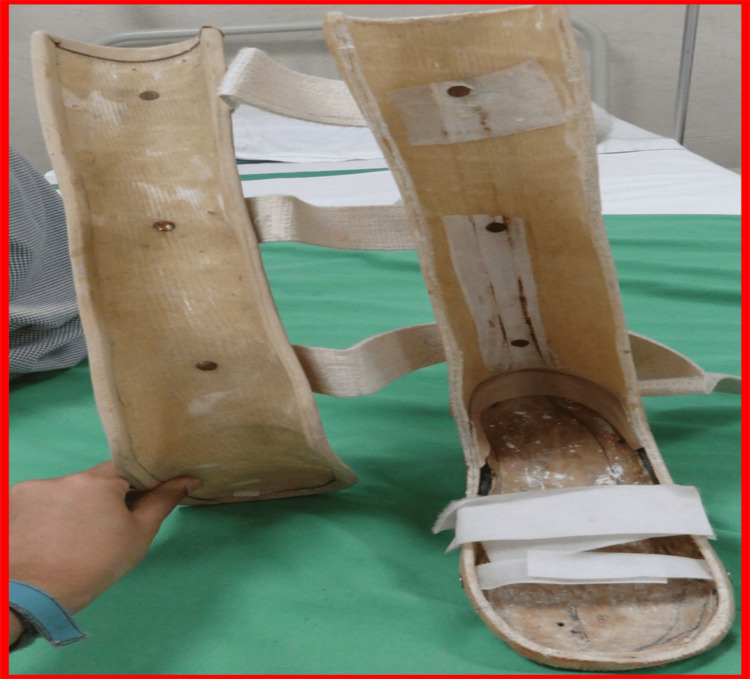
Multilimb amputation poses a significant challenge to an individual's mobility, independence, and overall quality of life. Comprehensive rehabilitation is essential for these patients to restore functional abilities and facilitate their reintegration into society. This case study details the rehabilitation of a 23-year-old male who sustained bilateral transradial and right transtibial amputations due to an electric burn injury. Upon presentation, the patient exhibited severe functional limitations, with complete dependence on caregivers for mobility, self-care, and activities of daily living (ADLs). A structured inpatient rehabilitation program was initiated, focusing on stump care, contracture prevention, range of motion, strengthening exercises, and functional training. He was educated on prosthetic options and fitted with customized prostheses, including a right cosmofunctional prosthesis with a hook terminal device, a left cosmofunctional prosthesis with a hand terminal device, a right patellar tendon-bearing above-knee prosthesis with supracondylar suspension, and an ankle-foot orthosis for his left foot's equinus deformity. Rehabilitation emphasized upper limb prosthetic adaptation, progressive gait training, and stair-climbing exercises to enhance mobility and self-sufficiency. At the time of discharge, the patient demonstrated significant improvement in functional independence. His Nottingham Extended Activities of Daily Living (NEADL) score increased from 0 to 27, out of a maximum score of 66, indicating partial autonomy. A follow-up assessment conducted three months later revealed continued progress, with his NEADL score reaching 47 out of 66, reflecting enhanced mobility and self-reliance. The NEADL scale, with scores ranging from 0 (complete dependence) to 66 (full independence), offers a comprehensive measure of functional ability across domains such as mobility, kitchen activities, domestic tasks, and leisure. The patient's improvement from 0 to 47 illustrates a substantial functional gain and increasing independence in daily life. This report highlights the importance of a structured rehabilitation program in promoting functional recovery and social reintegration in multilimb amputees. Early intervention, patient motivation, prosthetic rehabilitation, and a multidisciplinary approach play crucial roles in optimizing outcomes. The findings emphasize that with appropriate rehabilitation strategies, multilimb amputees can achieve a high level of independence, mobility, and meaningful engagement in their daily lives.
多肢体截肢对个人的行动能力、独立性和整体生活质量构成了重大挑战。全面的康复治疗对于这些患者恢复功能能力并促进他们重新融入社会至关重要。本案例研究详细介绍了一名23岁男性的康复情况,该患者因电击烧伤导致双侧经桡骨截肢和右侧经胫骨截肢。初诊时,患者表现出严重的功能受限,在行动、自我护理和日常生活活动(ADL)方面完全依赖护理人员。启动了一个结构化的住院康复计划,重点是残肢护理、预防挛缩、关节活动范围训练、强化锻炼和功能训练。对他进行了假肢选择方面的教育,并为他安装了定制的假肢,包括一个带有钩状末端装置的右侧功能性假肢、一个带有手部末端装置的左侧功能性假肢、一个带有髁上悬吊的右侧髌腱承重膝上假肢以及一个用于矫正左脚马蹄足畸形的踝足矫形器。康复治疗强调上肢假肢适应、渐进性步态训练和爬楼梯练习,以提高行动能力和自给自足能力。出院时,患者在功能独立性方面有了显著改善。他的诺丁汉扩展日常生活活动(NEADL)评分从0分提高到了66分中的27分,表明有部分自主性。三个月后进行的随访评估显示持续进步,他的NEADL评分达到了66分中的47分,反映出行动能力和自立能力增强。NEADL量表的评分范围从0分(完全依赖)到66分(完全独立),全面衡量了行动、厨房活动、家务任务和休闲等领域的功能能力。患者从0分提高到47分表明在日常生活中功能有了显著提升且独立性不断增强。本报告强调了结构化康复计划在促进多肢体截肢者功能恢复和社会重新融入方面的重要性。早期干预、患者积极性、假肢康复和多学科方法在优化治疗效果方面发挥着关键作用。研究结果强调,通过适当的康复策略,多肢体截肢者能够在日常生活中实现高度的独立性、行动能力和有意义的参与。