Khogali Alhadi, Homeida Anmar
Health Management Support Team Amsterdam the Netherlands.
Faculty of Medicine University of Gezira Wad Medani Sudan.
Public Health Chall. 2023 Oct 28;2(4):e134. doi: 10.1002/puh2.134. eCollection 2023 Dec.
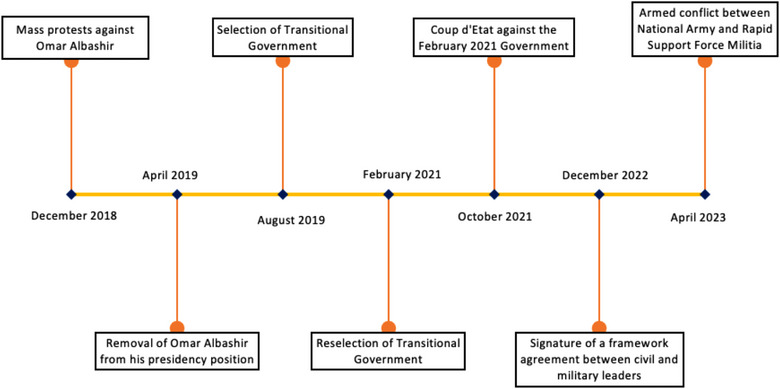
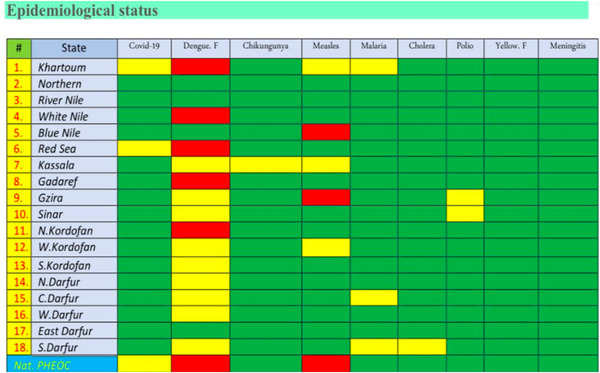
The armed conflict in Sudan erupted in mid-April 2023, resulting in many casualties, internal displacement, and refugees. Sudan's health system was severely affected by multiple attacks on healthcare facilities and workers, closure of hospitals, and occupation of medical facilities by armed groups. Critical services such as immunization, nutrition, and emergency care have been suspended, disrupting health services in conflict states and increasing strain on neighboring states' healthcare facilities. The conflict also caused shortages of essential medical supplies, looting of healthcare facilities and humanitarian supplies, and destruction of infrastructure, affecting the supply chain and availability of healthcare resources. The deployment and distribution of the health workforce have become challenging and may lead to a further brain drain of healthcare professionals. The financial challenges in healthcare financing are expected to worsen due to the conflict's economic impact on fiscal space and fiscal capacity. The health system's governance has been affected by a leadership vacuum, and decision-making may shift to the state level. The conflict has also exacerbated the burden of diseases, including communicable diseases, malnutrition, and mental health issues, with potential outbreaks of dengue fever, measles, and spikes of gender-based violence reported. In response to the conflict, the restoration and maintenance the health system is pivotal via coordinating efforts between the Sudanese Ministry of Health and international partners. The safety of healthcare workers and the delivery of essential supplies need to be restored via strengthening compliance with international humanitarian law, pooling of funds, and services at primary care level. This commentary discusses the impact of the 2023 conflict on Sudan's health and health system, particularly on different building blocks of Sudan's health system as well as the burden of disease and humanitarian response priorities.
苏丹的武装冲突于2023年4月中旬爆发,造成了许多人员伤亡、境内流离失所和难民问题。苏丹的卫生系统受到了对医疗设施和工作人员的多次袭击、医院关闭以及武装团体占领医疗设施的严重影响。免疫、营养和急诊等关键服务已暂停,扰乱了冲突地区的卫生服务,并增加了邻国医疗设施的压力。冲突还导致基本医疗用品短缺、医疗设施和人道主义物资被抢劫以及基础设施遭到破坏,影响了医疗资源的供应链和供应情况。卫生人力的部署和分配变得具有挑战性,可能导致医疗专业人员进一步外流。由于冲突对财政空间和财政能力的经济影响,医疗融资方面的财政挑战预计会加剧。卫生系统的治理受到领导真空的影响,决策可能会转移到州一级。冲突还加剧了包括传染病、营养不良和心理健康问题在内的疾病负担,据报道出现了登革热、麻疹疫情以及基于性别的暴力事件激增。为应对冲突,通过苏丹卫生部与国际伙伴之间的协调努力,恢复和维护卫生系统至关重要。需要通过加强对国际人道主义法的遵守、资金筹集以及基层医疗服务,来恢复医护人员的安全和基本物资的供应。本评论讨论了2023年冲突对苏丹健康和卫生系统的影响,特别是对苏丹卫生系统不同组成部分的影响,以及疾病负担和人道主义应对重点。