Wang Jingfeng, Wu Li, Sun Mingming, Wu Yuxiang
Institute of Intelligent Sport and Proactive Health, Department of Health and Physical Education, Jianghan University, Wuhan, 430056, China.
Beijing Institute of Nanoenergy and Nanosystems, Chinese Academy of Sciences, Beijing, 101400, China.
Biochem Biophys Rep. 2025 Jun 2;43:102055. doi: 10.1016/j.bbrep.2025.102055. eCollection 2025 Sep.
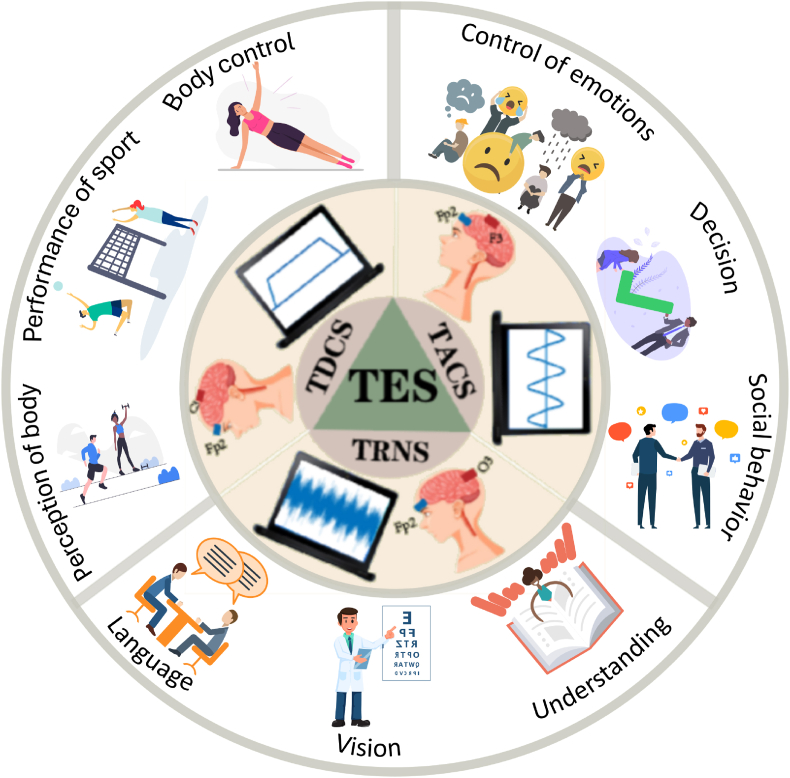
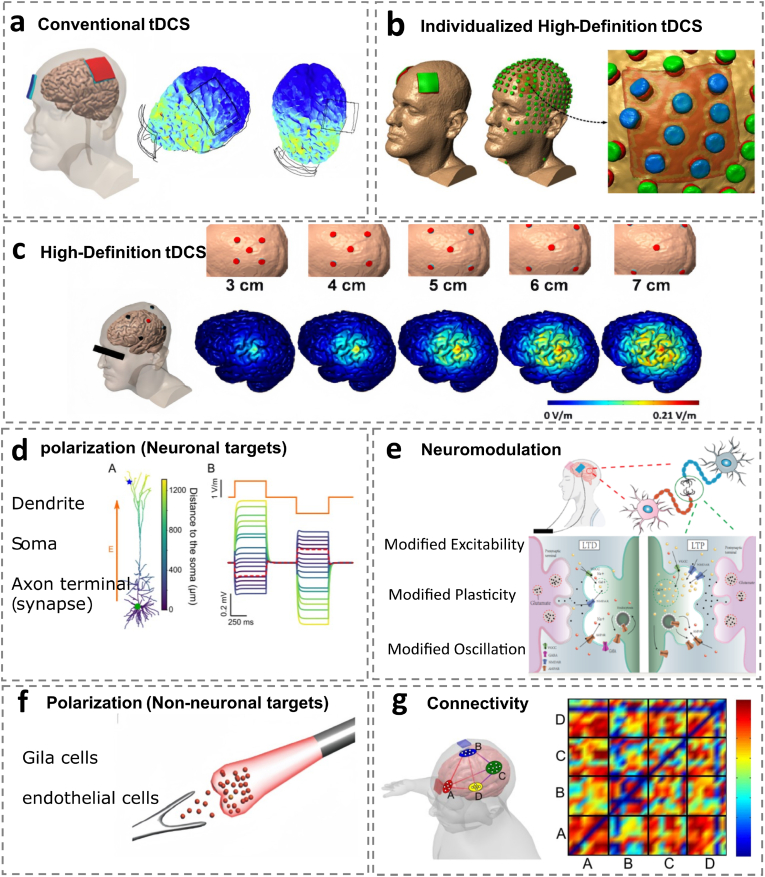
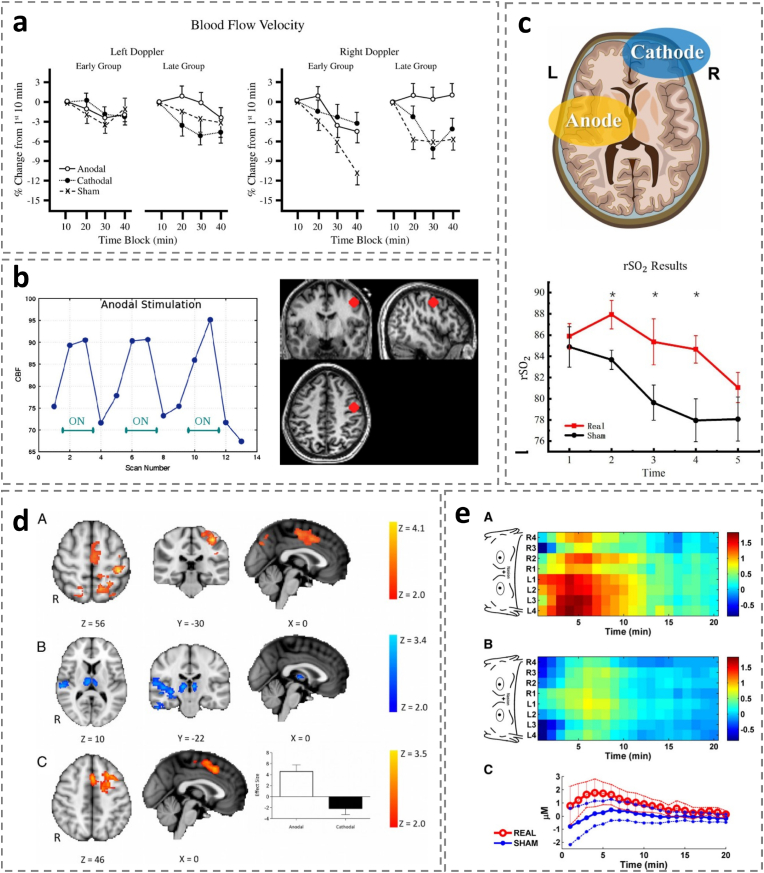
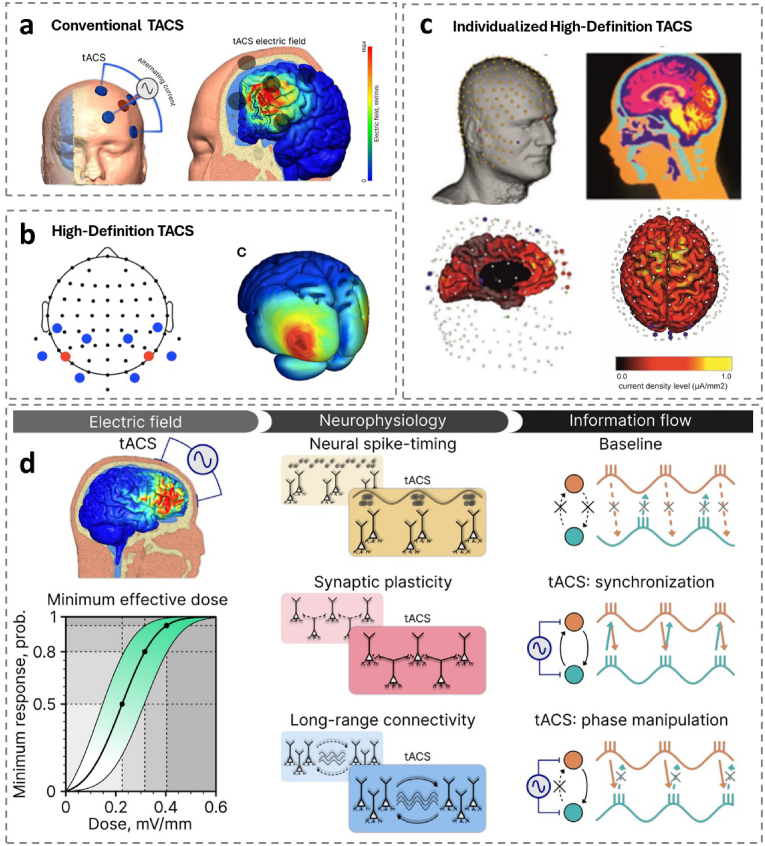
Non-invasive brain stimulation (NIBS) has emerged as a rapidly advancing field, offering promising therapeutic interventions for a range of neurological disorders while effectively bridging the gap between laboratory research and clinical applications. Among NIBS technologies, transcranial electrical stimulation (TES) stands out as a notable example, utilizing electrodes of varying sizes to deliver low-intensity electrical currents to specific regions of the cerebral cortex. This technique facilitates the modulation of neuronal excitability, regulation of brainwave activity, promotion of neural remodeling and repair, enhancement of cerebral blood flow, and improvement of brain-muscle connectivity. Despite its potential, current research on the effects of TES on motor function across diverse populations, particularly from a central nervous system perspective, remains limited. This review seeks to establish a theoretical framework for the future advancement of TES technology in sports science, elucidate the neurophysiological mechanisms underlying various TES modalities, and synthesize the most recent experimental findings from the past two decades regarding its impact on physical fitness, motor skill acquisition, and recovery in different populations.
非侵入性脑刺激(NIBS)已成为一个快速发展的领域,为一系列神经疾病提供了有前景的治疗干预措施,同时有效地弥合了实验室研究与临床应用之间的差距。在NIBS技术中,经颅电刺激(TES)是一个显著的例子,它利用不同大小的电极向大脑皮层的特定区域传递低强度电流。该技术有助于调节神经元兴奋性、调节脑电波活动、促进神经重塑和修复、增强脑血流量以及改善脑-肌肉连接。尽管具有潜力,但目前关于TES对不同人群运动功能影响的研究,特别是从中枢神经系统角度来看,仍然有限。本综述旨在为TES技术在体育科学中的未来发展建立一个理论框架,阐明各种TES模式背后的神经生理机制,并综合过去二十年中关于其对不同人群身体素质、运动技能习得和恢复影响的最新实验结果。