Tan Jinshui, Wu Zhengxin, Liu Yuankun, Wang Wei, Qin Wenjuan, Pan Guangchao, Xiong Yubo, Ma Jingsong, Zhao Jiabao, Zhou Huiwen, Liu ZhengJin, Lu Haijie, Zhuo Huiqin, Hong Xuehui
Department of Gastrointestinal Surgery, Zhongshan Hospital of Xiamen University, School of Medicine, Xiamen University, Xiamen, China.
Department of Gastrointestinal Surgery, Xiamen Municipal Key Laboratory of Gastrointestinal Oncology, Xiamen, China.
Front Immunol. 2025 May 30;16:1592558. doi: 10.3389/fimmu.2025.1592558. eCollection 2025.
infection is closely associated with the tumor microenvironment (TME) in gastric cancer (GC), yet its underlying mechanism is elusive. Hence, it is imperative to explore the microenvironment and drug resistance arising from to enhance therapeutic strategies for GC.
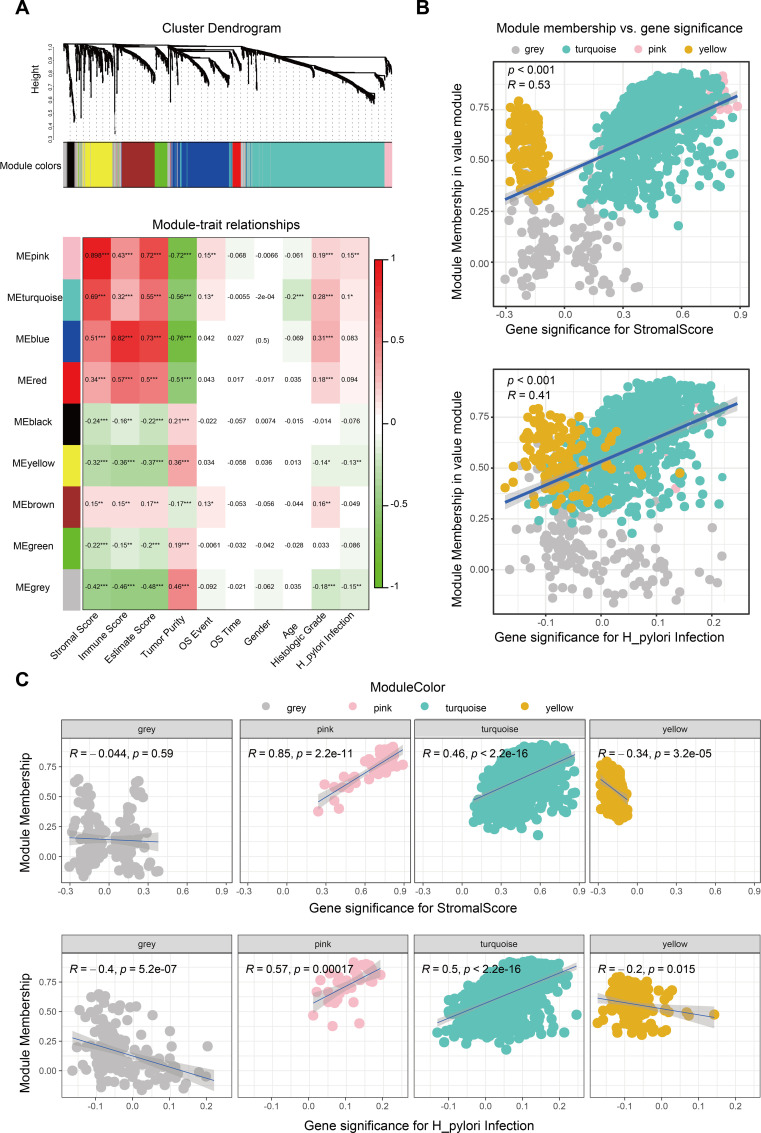
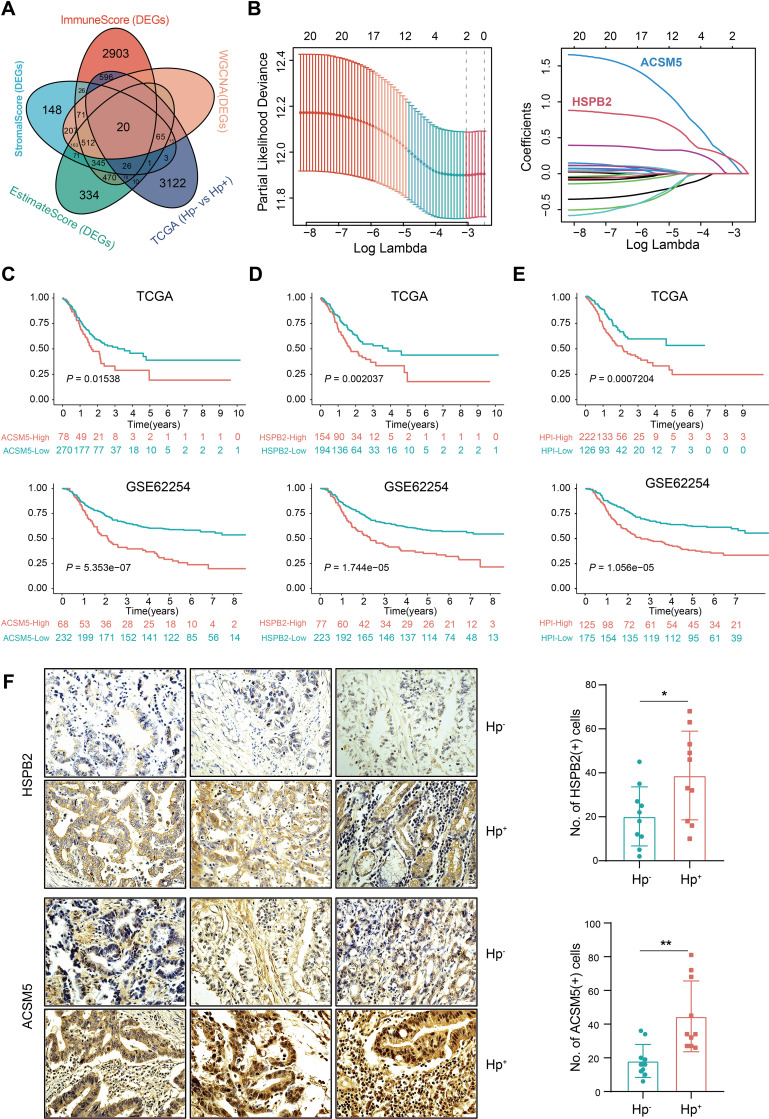
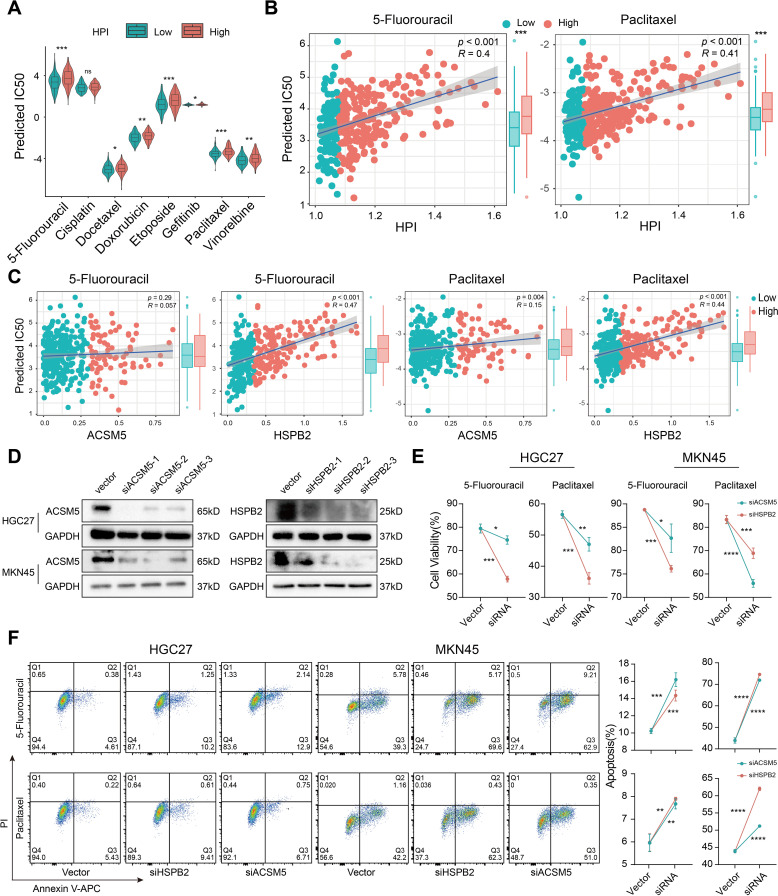
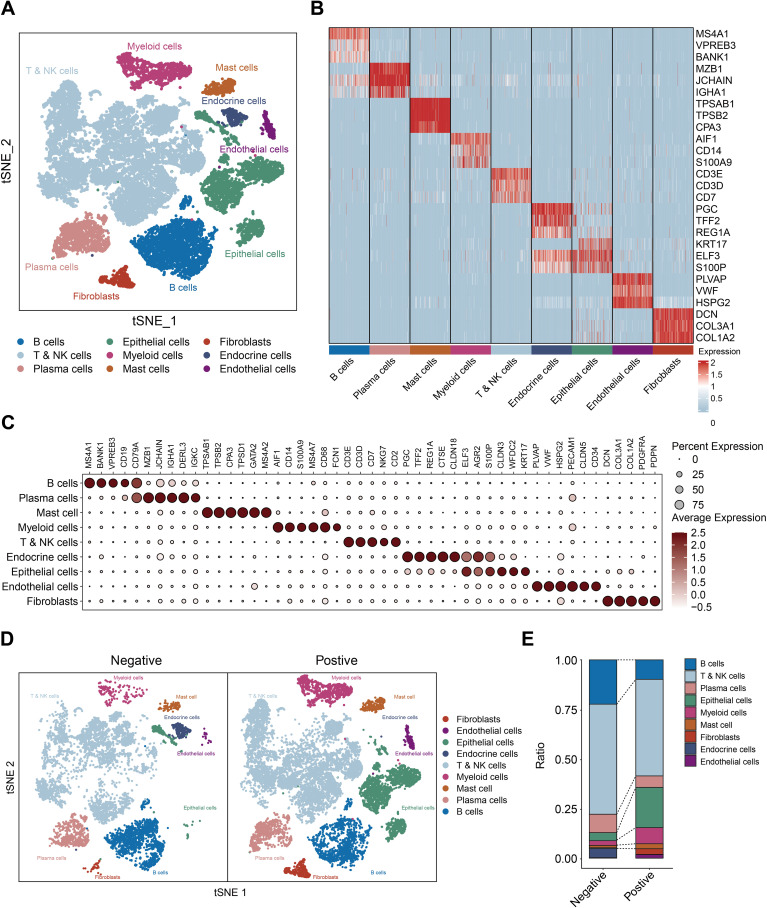
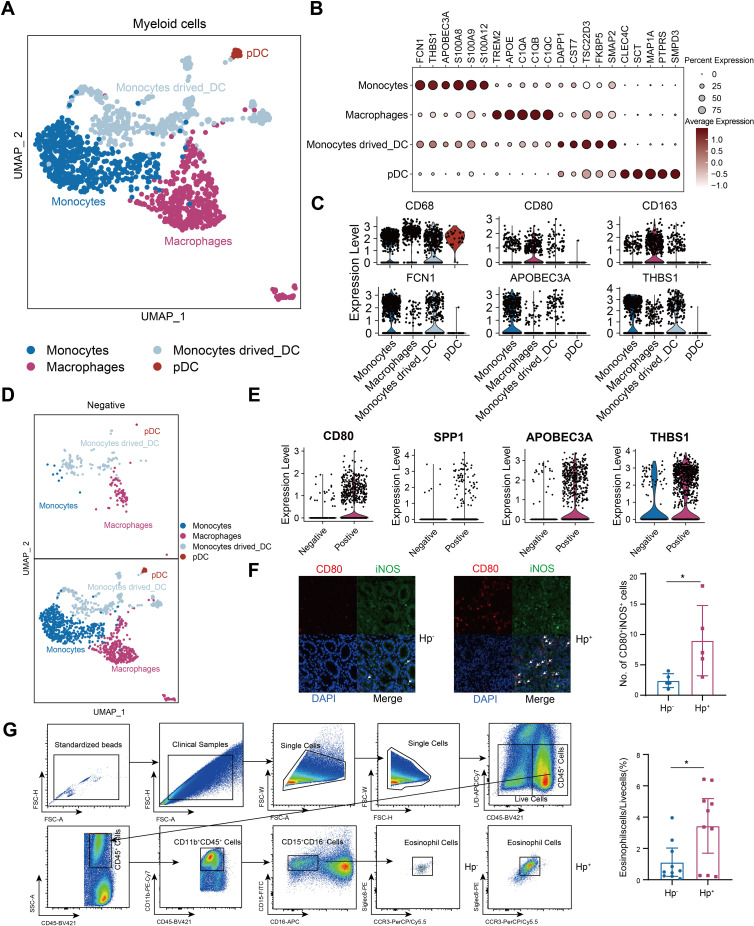
Employing transcriptional bioinformatics, we computed a -associated prognostic index (HPI) using datasets from TCGA and GSE62254 containing ACSM5 and HSPB2 gene expression. We assessed IC50 values for anticancer drugs and immune cell infiltration to evaluate the therapeutics and TME based on the HPI. Further, we validated the transcriptional profiling findings by examining drug sensitivity transfected with siACSM5 and siHSPB2 and analyzing scRNA-seq data and clinical patient samples.
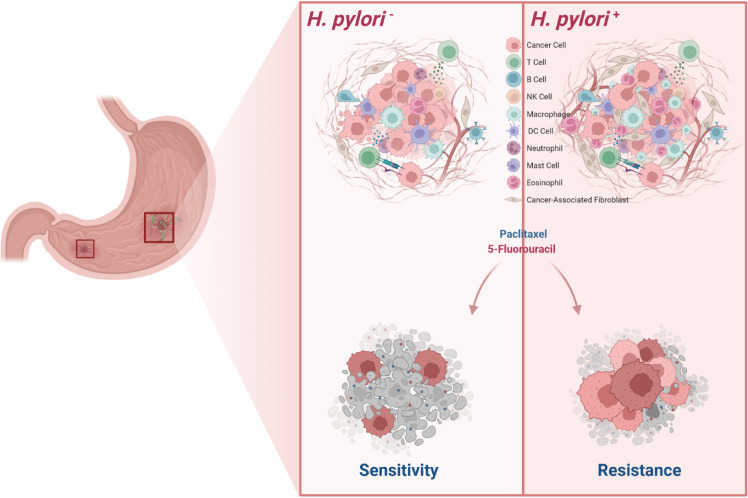
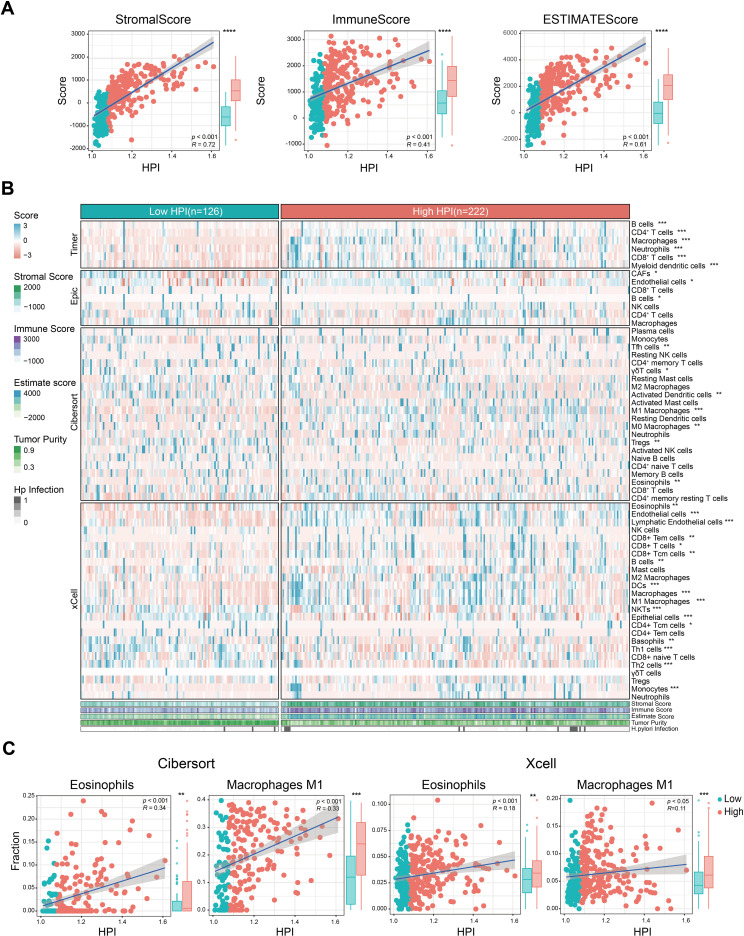
ACSM5 and HSPB2 were identified as correlates of infection in GC. Significantly, we established the -associated prognostic index (HPI) and found that a high HPI was linked with a worse prognosis. Classification based on the HPI indicated an enhanced infiltration of tumor microenvironment cells and resistance to anti-tumor drugs.
The HPI, reflecting newly identified and complementary biomarkers, correlated with the TME and could accurately project chemoresistance and an altered immune cell distribution in GC patients, thus providing clinical guidance on therapeutic interventions.
感染与胃癌(GC)的肿瘤微环境(TME)密切相关,但其潜在机制尚不清楚。因此,探索微环境和由此产生的耐药性以加强GC的治疗策略势在必行。
利用转录生物信息学,我们使用来自TCGA和GSE62254的数据集计算了一个与ACSM5和HSPB2基因表达相关的预后指数(HPI)。我们评估了抗癌药物的IC50值和免疫细胞浸润情况,以基于HPI评估治疗效果和TME。此外,我们通过检测用siACSM5和siHSPB2转染后的药物敏感性、分析scRNA-seq数据和临床患者样本,验证了转录谱分析结果。
ACSM5和HSPB2被确定为GC中感染的相关因素。值得注意的是,我们建立了与感染相关的预后指数(HPI),并发现高HPI与较差的预后相关。基于HPI的分类表明肿瘤微环境细胞浸润增加以及对抗肿瘤药物耐药。
HPI反映了新发现的互补生物标志物,与TME相关,并且可以准确预测GC患者的化疗耐药性和免疫细胞分布改变,从而为治疗干预提供临床指导。