Lv Yuhu, Chen Liyuan, Li Long, Liao Ziyuan, Fang Zuoming, Cheng Lin, Peng Fenglin
College of Physical Education, Guangdong University of Education, Guangzhou, China.
Research Center for Adolescent Sports and Health Promotion of Guangdong Province, Guangzhou, China.
Front Cardiovasc Med. 2025 May 30;12:1535401. doi: 10.3389/fcvm.2025.1535401. eCollection 2025.
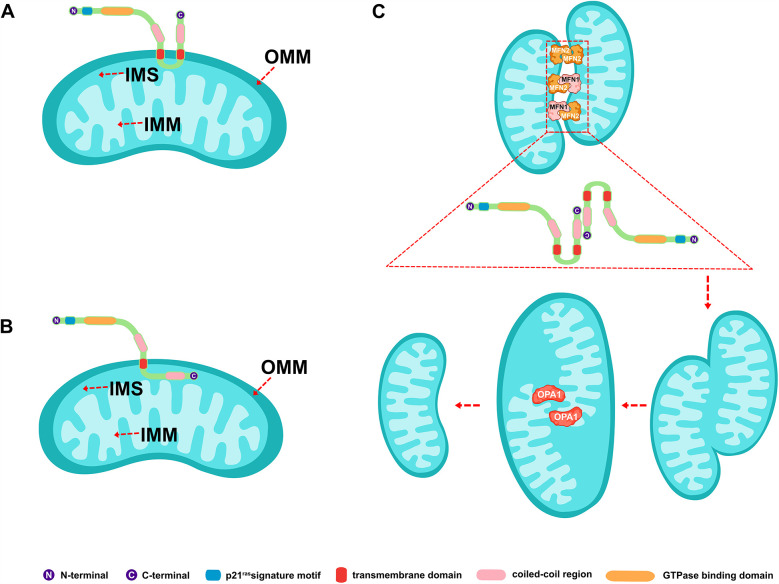
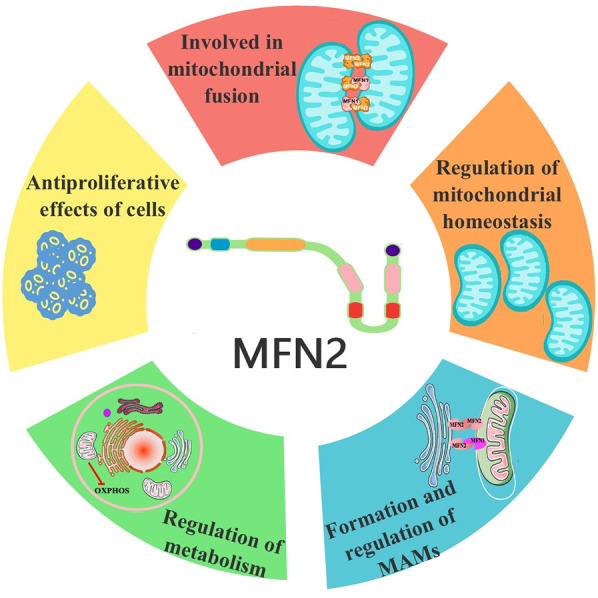
Cardiovascular disease (CVD) remains a leading cause of death globally, posing a major public health challenge. Due to the complexity of CVD's etiology, understanding its pathogenesis has been a significant challenge and research focus. In recent years, the communication between organelles has gained increasing attention, with mitochondria-associated endoplasmic reticulum (ER) membranes (MAMs) emerging as a key structural component that facilitates dialogue between the mitochondria and the ER. Numerous studies have highlighted that proteins located in MAMs may play a role in the development of CVD. Among these, mitofusin 2 (MFN2), a protein found on the outer mitochondrial and ER membranes, has garnered particular interest due to its widespread presence in MAMs. This review aims to sort out current research on MFN2, focusing on its potential involvement in myocardial protection through its mediation of MAMs. We discuss how MFN2-mediated MAMs may contribute to the protection against various CVDs, including myocardial ischemia/reperfusion injury, diabetic cardiomyopathy, dilated cardiomyopathy, pathological myocardial hypertrophy, cardiotoxicity, and heart failure. However, given the functional diversity of MFN2, the current body of research remains controversial, and further studies are urgently needed to clarify its precise mechanisms of action.
心血管疾病(CVD)仍然是全球主要的死亡原因,构成了重大的公共卫生挑战。由于CVD病因的复杂性,了解其发病机制一直是一项重大挑战和研究重点。近年来,细胞器之间的通讯越来越受到关注,线粒体相关内质网(ER)膜(MAMs)作为促进线粒体与内质网对话的关键结构成分而出现。大量研究强调,位于MAMs中的蛋白质可能在CVD的发生发展中起作用。其中,线粒体融合蛋白2(MFN2)是一种存在于线粒体外膜和内质网膜上的蛋白质,因其在MAMs中广泛存在而备受关注。本综述旨在梳理目前关于MFN2的研究,重点关注其通过介导MAMs对心肌保护的潜在作用。我们讨论了MFN2介导的MAMs如何有助于预防各种CVD,包括心肌缺血/再灌注损伤、糖尿病性心肌病、扩张型心肌病、病理性心肌肥大、心脏毒性和心力衰竭。然而,鉴于MFN2功能的多样性,目前的研究仍存在争议,迫切需要进一步研究以阐明其确切作用机制。