Xiang Wang, He Suisui, Kuang Tao, Yin Jun, Hu Bin, Sun Chao, He Juan, Wang Jun, Yu Cui-Yun, Wei Hua
Hunan Province Cooperative Innovation Center for Molecular Target New Drug Study, School of Pharmaceutical Science, Hengyang Medical School, University of South China, Hengyang, 421001, Hunan, China.
Affiliated Hospital of Hunan Academy of Chinese Medicine, Hunan Academy of Chinese Medicine, Changsha, 410013, China.
Mater Today Bio. 2025 Jun 4;33:101941. doi: 10.1016/j.mtbio.2025.101941. eCollection 2025 Aug.
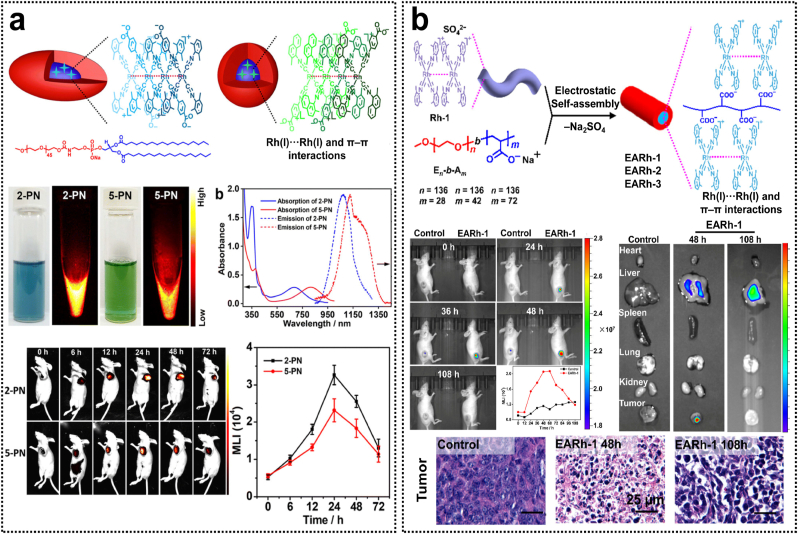
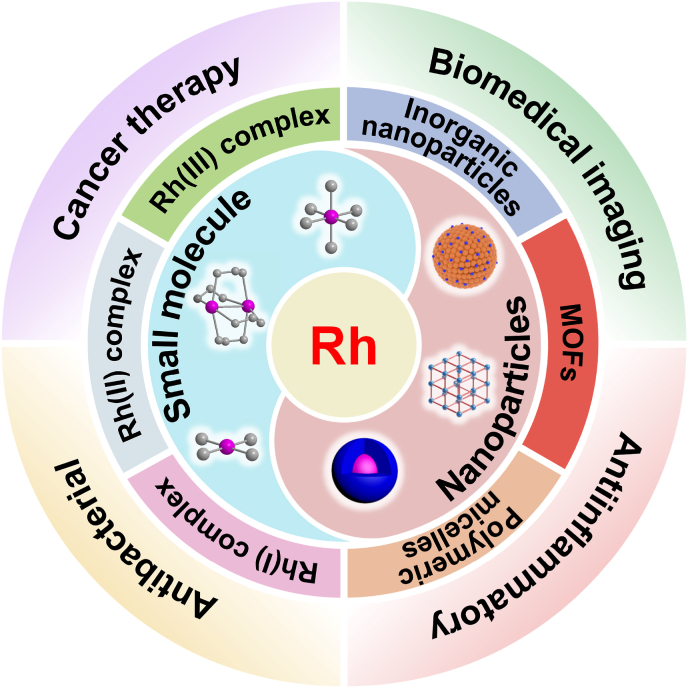
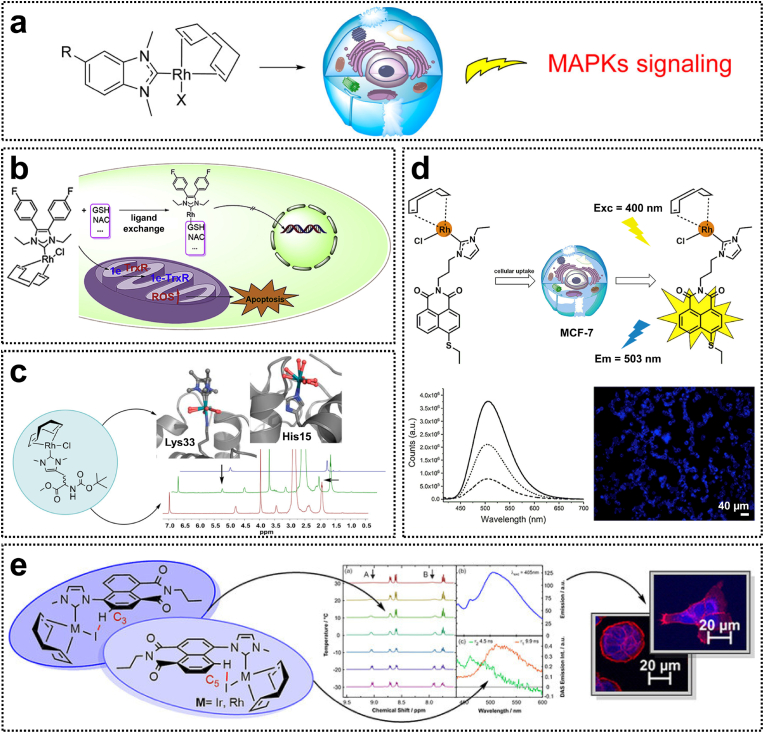
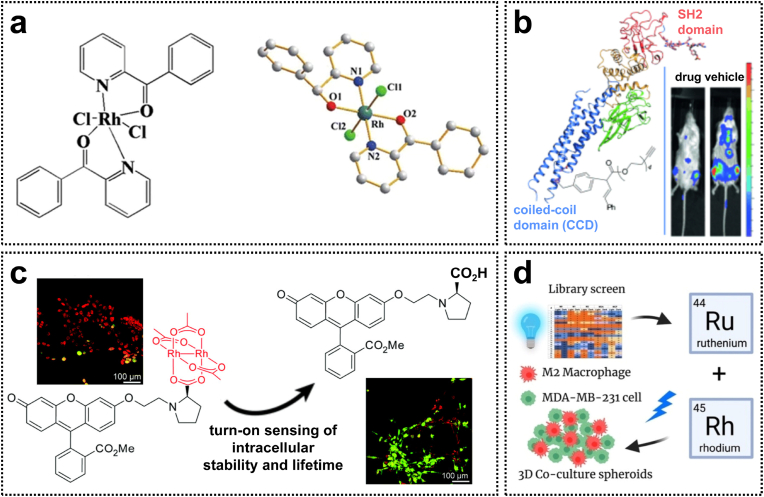
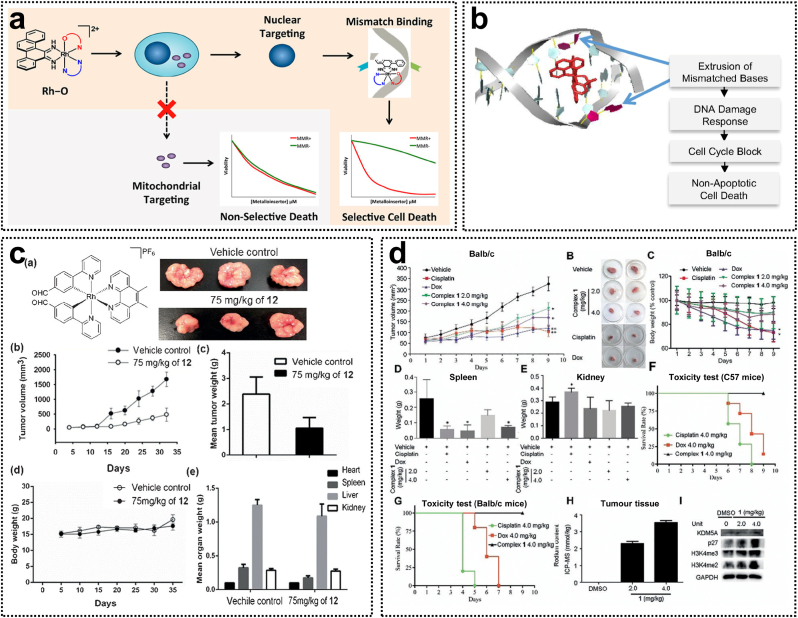
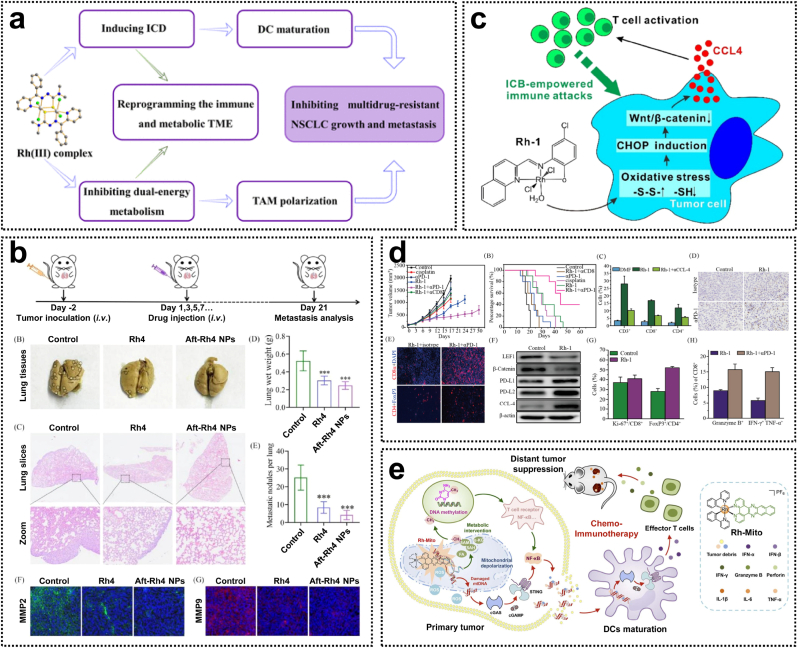
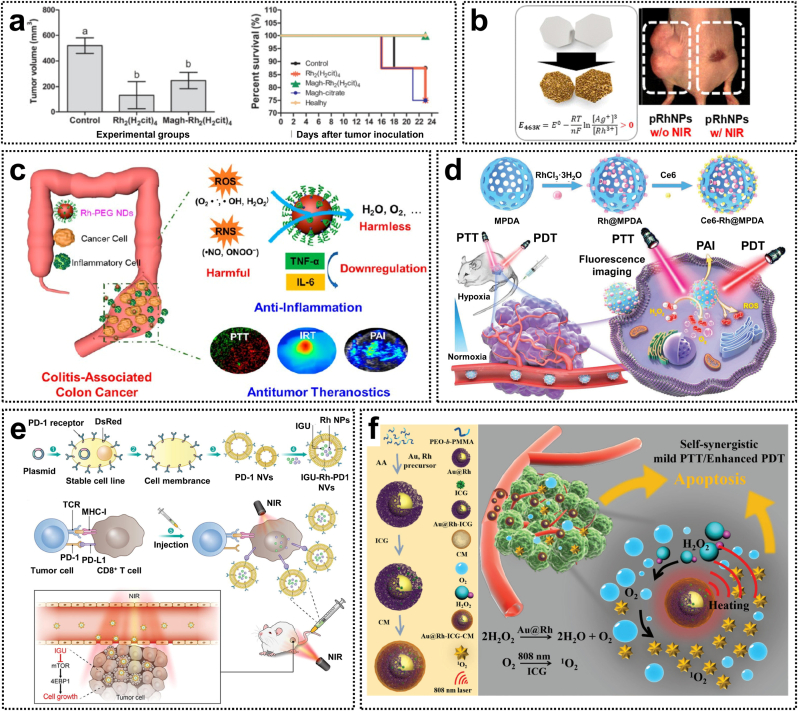
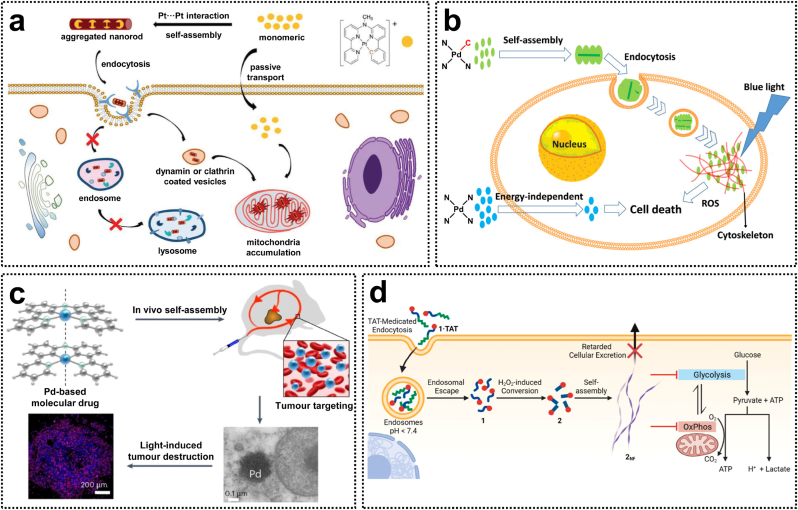
Metal complexes represent a promising avenue in drug research and development, exemplified by metallodrugs including cisplatin, carboplatin, and oxaliplatin that have been clinically approved for the treatment of various solid tumors. However, most of the reported metallodrugs suffer from compromised therapeutic efficacy due to multidrug resistance (MDR) and severe systemic toxicity. Rhodium is another useful member of the platinum group metals in addition to the extensively explored platinum, whose complexes have attracted increasing attention in bioinorganic and medicinal chemistry not only for their low oxophilicity, broad functional-group tolerance, and superior catalytic performance, but also for their intriguing self-assembly behaviors and photophysical properties arising from the intermolecular metallophilic interactions. Together with the tremendous progresses made in the nanotechnology and biotechnology, targeted delivery of rhodium-based metallodrugs to lesion sites in either a passive or active means, or via a biomimetic strategy enables state-of-the-art approaches with great therapeutic efficiency. Nonetheless, there remains a critical lack of comprehensive reviews with a focus on rhodium complexes and their nanodrug derivatives. Here we systematically summarize the existing research on this hot subject of research, and provides a dynamic in-depth overview of the design and development of rhodium complexes and rhodium-containing nanomaterials across various medicine fields, including biomedical imaging, cancer therapy, antibacterial treatments, and anti-inflammatory applications. Critical evaluations are performed on the current challenges and future prospects of this rapidly developing field, for the purpose of promoting a thorough understanding of the latest advancements and further inspiring upcoming notable studies.
金属配合物是药物研发中一条很有前景的途径,以顺铂、卡铂和奥沙利铂等金属药物为例,它们已被临床批准用于治疗各种实体瘤。然而,大多数已报道的金属药物由于多药耐药性(MDR)和严重的全身毒性,治疗效果受到影响。除了已被广泛研究的铂之外,铑是铂族金属中的另一个有用成员,其配合物在生物无机化学和药物化学中越来越受到关注,这不仅是因为它们的低氧亲性、广泛的官能团耐受性和优异的催化性能,还因为它们有趣的自组装行为以及分子间亲金属相互作用产生的光物理性质。随着纳米技术和生物技术取得的巨大进展,以被动或主动方式,或通过仿生策略将铑基金属药物靶向递送至病变部位,能够实现具有极高治疗效率的先进方法。尽管如此,仍然严重缺乏以铑配合物及其纳米药物衍生物为重点的全面综述。在此,我们系统地总结了关于这一热门研究课题的现有研究,并对铑配合物和含铑纳米材料在生物医学成像、癌症治疗、抗菌治疗和抗炎应用等各个医学领域的设计与开发进行了动态深入的概述。对这一快速发展领域当前面临的挑战和未来前景进行了批判性评估,以促进对最新进展的全面理解,并进一步激发未来的重要研究。