Hedrick Ethan, Tiwari Aryaman, Niture Suryakant, Cheng Qing, Kumar Deepak, Mukhopadhyay Somnath
Neuroscience Research Program, JLC- Biomedical Biotechnology Research Institute, North Carolina Central University, Durham, NC 27707, USA.
Pharmaceutical Sciences, North Carolina Central University, Durham, NC 27707, USA.
J Cell Signal. 2025;6(1):29-38. doi: 10.33696/Signaling.6.131.
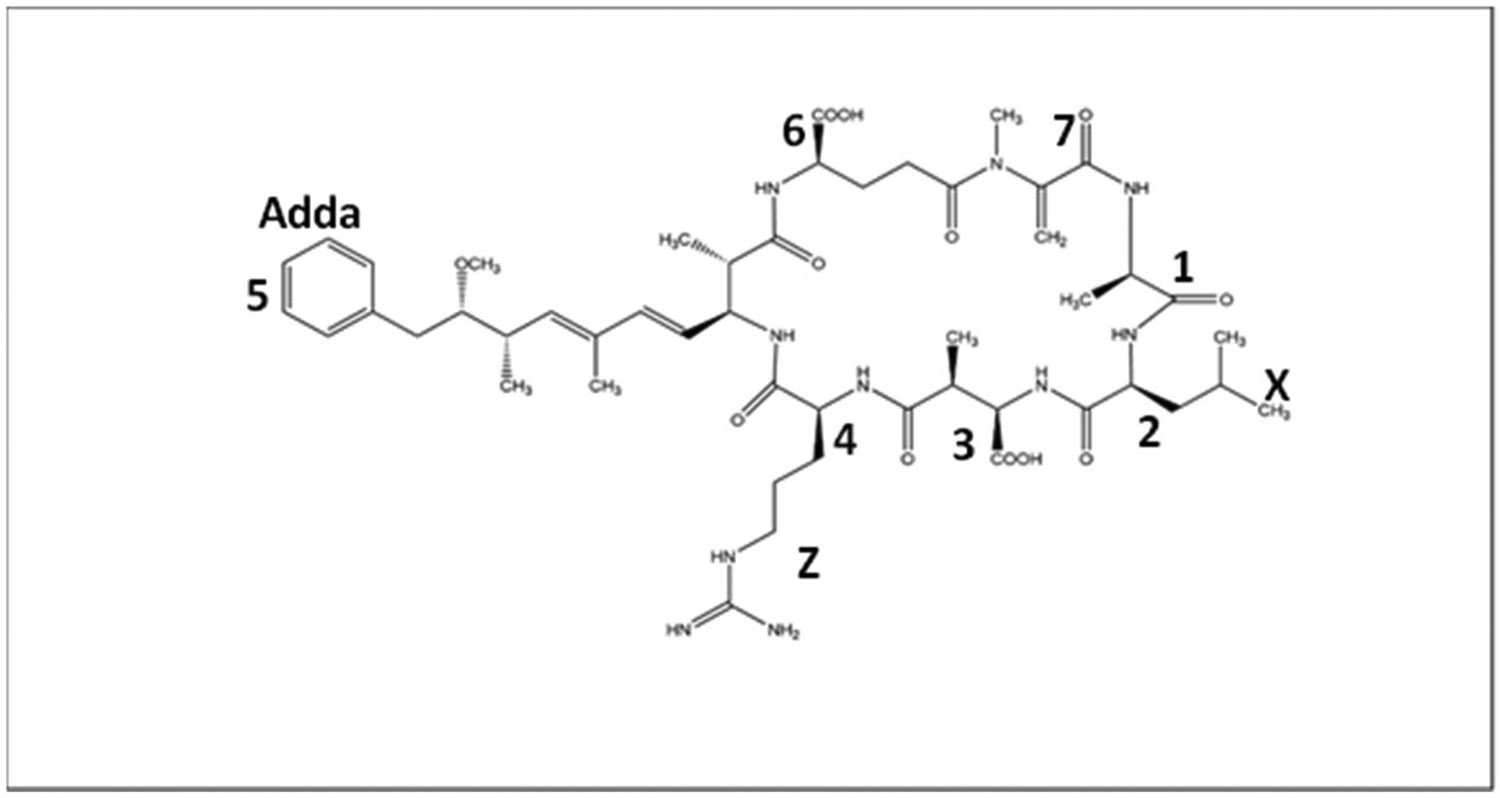
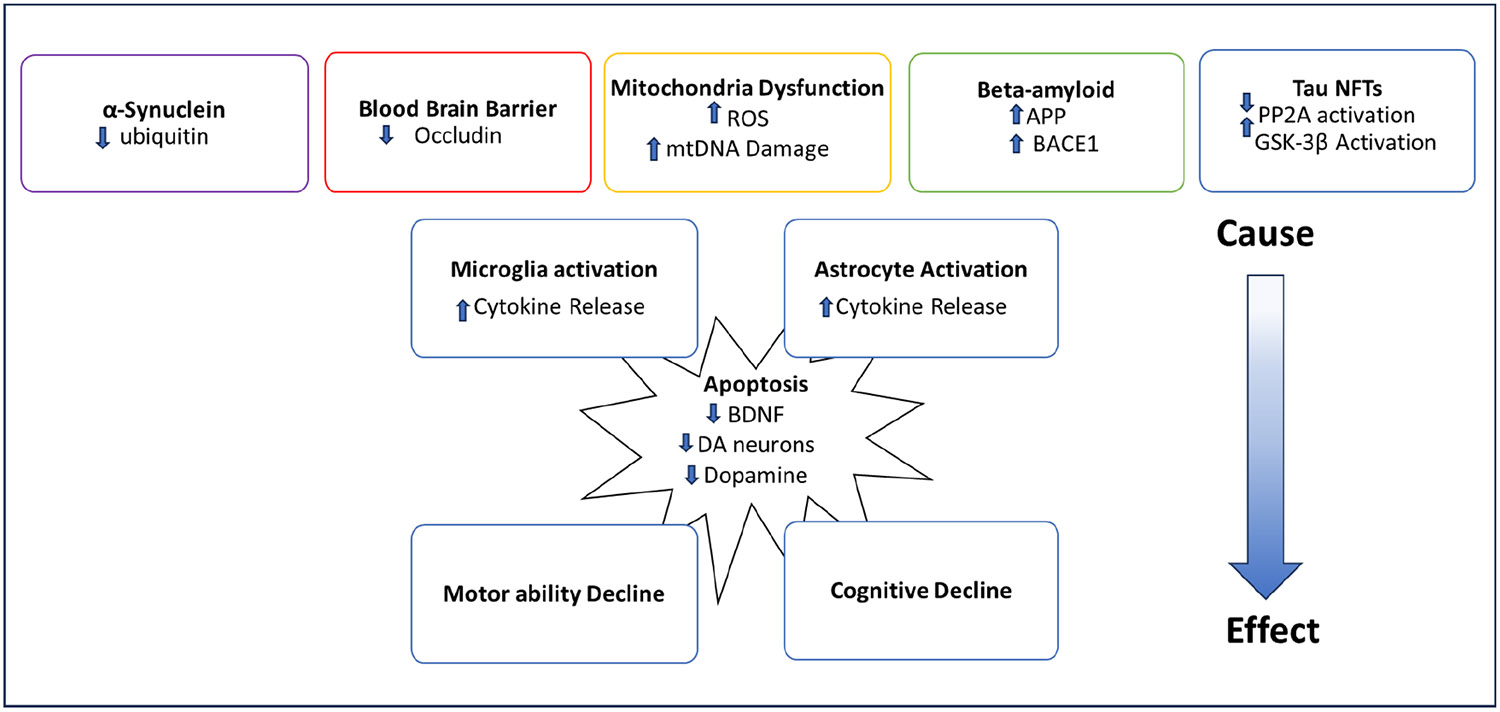
An increase in the temperature of lakes and ponds facilitates the over-growth of photosynthetic cyanobacteria that produce a class of toxins called cyanotoxins. The abundance of cyanobacteria poses a significant threat to drinking and irrigation water supplies, and therefore, cyanotoxins have become a major class of environmental pollutants. Microcystins, the most common cyanotoxins, are cyclic peptides produced by cyanobacteria through non-ribosomal peptide synthases, and currently, approximately 279 microcystins have been identified to date. Exposure to microcystins can cause liver and brain cytotoxicity, dermatologic, gastrointestinal, respiratory, and neurologic signs and symptoms, and affect human health. Notably, microcystin-leucine arginine can breach the blood-brain barrier by the transporter proteins, organic anion transporting polypeptides, leading to neuroinflammation, and changes in neurocircuitry resulting in behavioral alterations. In this review, we provide an update of the current literature on the detrimental effects of microcystins on the brain, focusing on their potential role in Alzheimer's and Parkinson's diseases. We discuss the current findings along with the cellular mechanisms involved and provide a brief narrative of the scope of future studies, especially to address the effects of microcystins along with genetic and other risk factors (like alcohol and other drugs) on neurodegenerative disease.
湖泊和池塘水温升高会促使光合蓝藻过度生长,这些蓝藻会产生一类名为蓝藻毒素的毒素。蓝藻大量繁殖对饮用水和灌溉用水供应构成重大威胁,因此,蓝藻毒素已成为主要的环境污染物类别。微囊藻毒素是最常见的蓝藻毒素,是蓝藻通过非核糖体肽合成酶产生的环肽,目前已鉴定出约279种微囊藻毒素。接触微囊藻毒素会导致肝脏和脑细胞毒性、皮肤、胃肠道、呼吸道和神经体征及症状,并影响人类健康。值得注意的是,微囊藻毒素-亮氨酸-精氨酸可通过转运蛋白——有机阴离子转运多肽突破血脑屏障,导致神经炎症以及神经回路变化,进而引起行为改变。在本综述中,我们提供了关于微囊藻毒素对大脑有害影响的当前文献更新,重点关注它们在阿尔茨海默病和帕金森病中的潜在作用。我们讨论了当前的研究结果以及涉及的细胞机制,并简要叙述了未来研究的范围,特别是针对微囊藻毒素与遗传及其他风险因素(如酒精和其他药物)对神经退行性疾病的影响。