Wei Haobin, Chen Zhang, Lai Wenjie, Wang Wenxian, Bian Xiqing, Zhang Limin, Li Xinzhi
School of Pharmacy, Faculty of Medicine and Laboratory of Drug Discovery from Natural Resources and Industrialization, Taipa, Macao, China.
State Key Laboratory of Quality Research in Chinese Medicines, Macau University of Science and Technology, Taipa, Macao, China.
Front Pharmacol. 2025 Jun 5;16:1591394. doi: 10.3389/fphar.2025.1591394. eCollection 2025.
L (PO) is an edible plant with a long medicinal history in traditional Chinese medicine for various inflammatory diseases, including skin disorders such as atopic dermatitis (AD). However, the anti-inflammatory effects and AD-alleviating mechanisms of PO remain unclear.
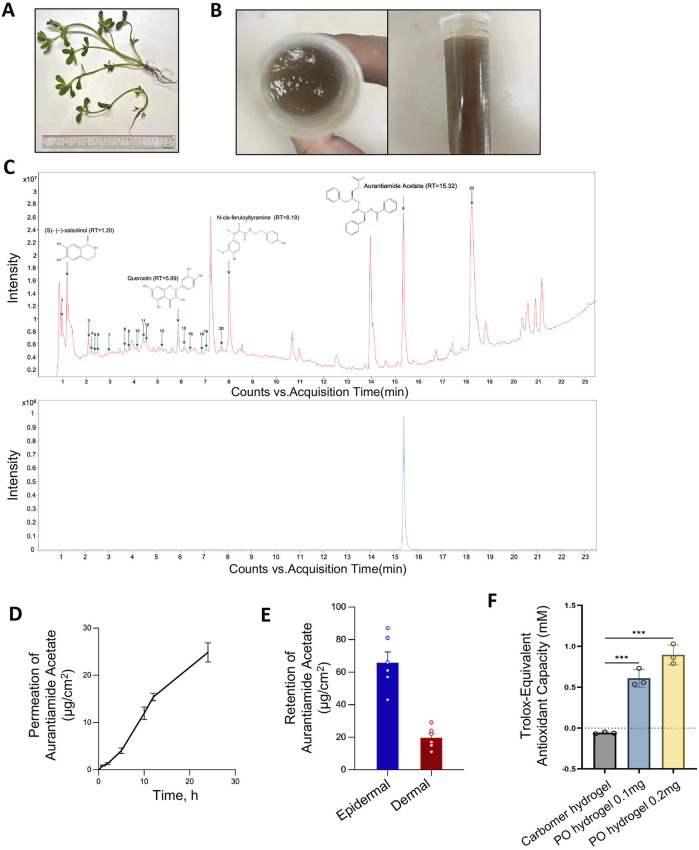
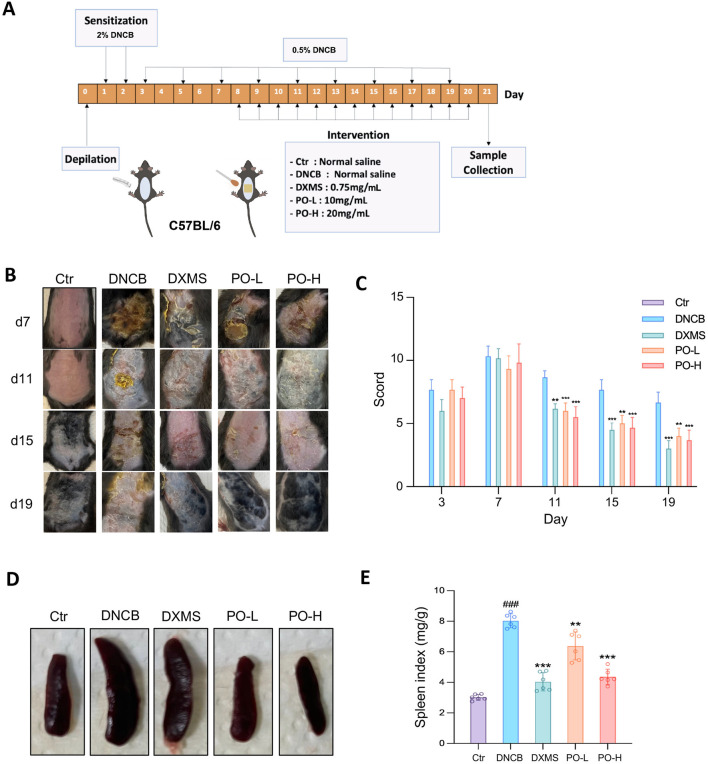
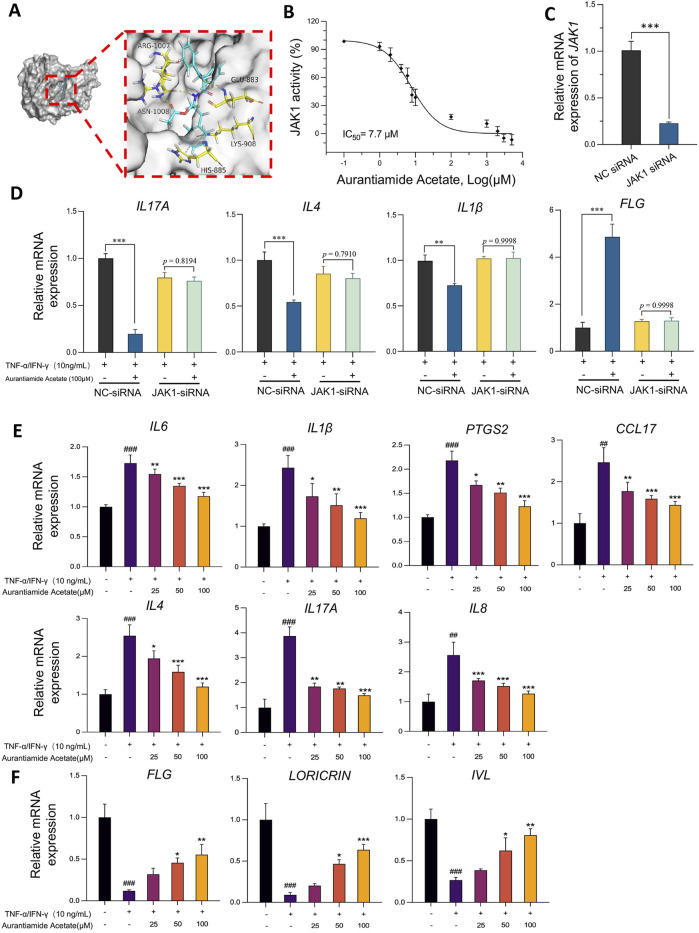
PO aqueous extract was prepared from a water-soluble portion and then mixed with carbomer to obtain a hydrogel, which provided stable drug permeation and absorption in mouse skin. Amantadine acetate was identified as an abundant ingredient and further predicted to be a Janus kinase 1 (JAK1) inhibitor via molecular binding simulation. Mice with AD, established by repeated sensitization with 2,4-dinitrochlorobenzene (DNCB), were topically treated with PO hydrogel. Aurantiamide acetate was applied to HaCaT keratinocytes prior to inflammatory challenge in the presence or absence of JAK1-siRNA. Transcriptional and translational gene expressions associated with cutaneous inflammation or skin barriers were assessed by qPCR and Western blotting, respectively. Enzyme-linked immunosorbent assays were performed to detect immunoglobulin E and proinflammatory factors in skin tissue or serum. The phosphorylation of JAK1, signal transducer and activator of transcription (STAT)3, and STAT6 in keratinocytes and skin were analyzed by Western blotting.
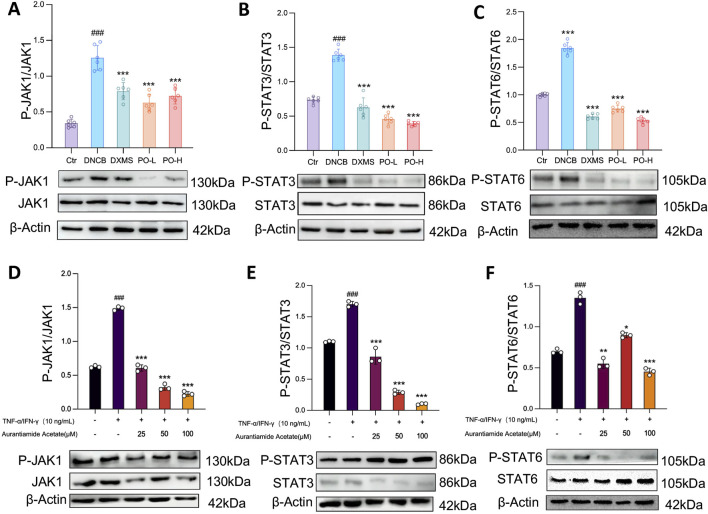
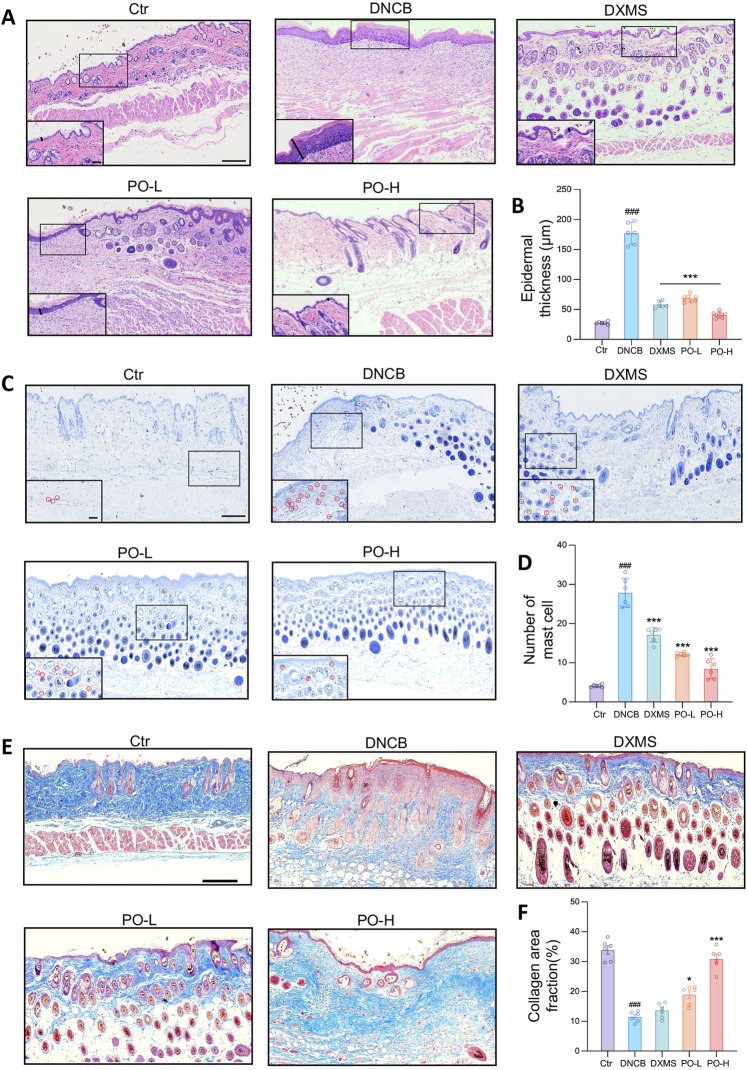
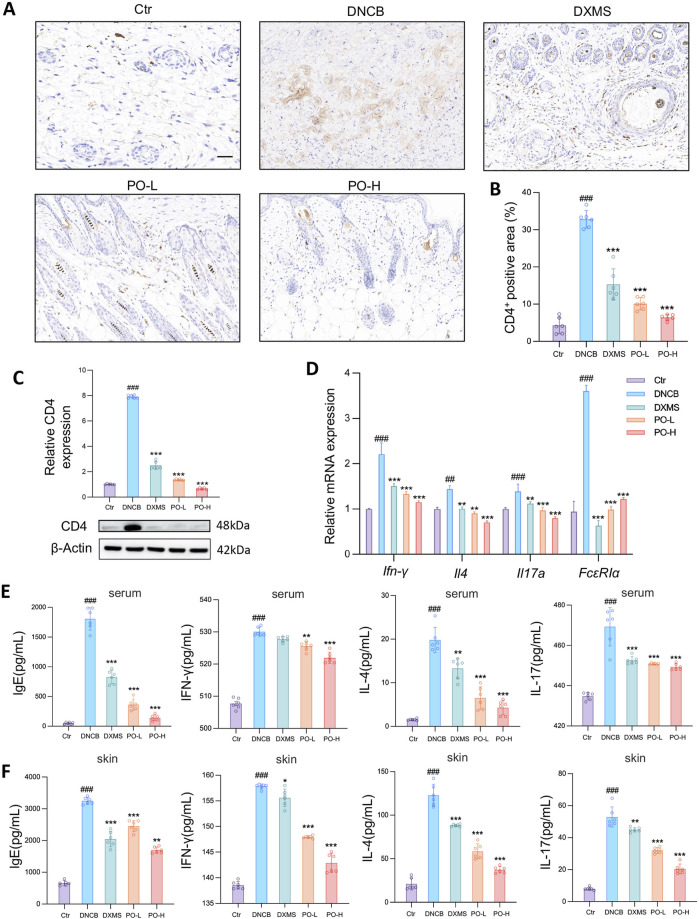
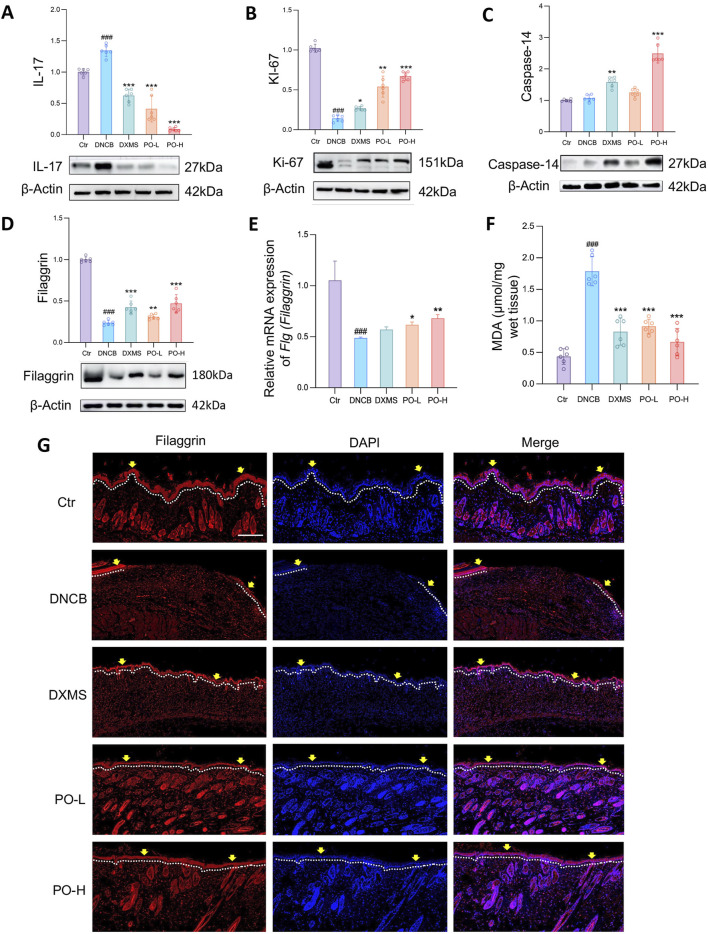
In DNCB-sensitized mice, the PO hydrogel ameliorated skin lesions, lowered symptom scores, and reduced epidermal thickness by suppressing proinflammatory factor generation, oxidative stress, and the expression of CD4. The PO hydrogel promoted the expression of caspase-14 and filaggrin, thereby helping restore skin barrier function in AD. The PO hydrogel and/or aurantiamide acetate inhibited the enzymatic activity of JAK1 and downstream (STAT)3/STAT6 signaling pathways and .
PO significantly ameliorated skin lesions and restored epidermal barrier function in AD mice. This was achieved by suppressing JAK1 enzymatic activity and JAK1-mediated STAT signaling pathways.
L(PO)是一种可食用植物,在传统中医中用于治疗各种炎症性疾病已有悠久的药用历史,包括特应性皮炎(AD)等皮肤疾病。然而,PO的抗炎作用和缓解AD的机制仍不清楚。
从水溶性部分制备PO水提取物,然后与卡波姆混合以获得水凝胶,该水凝胶可在小鼠皮肤中提供稳定的药物渗透和吸收。乙酸金刚烷胺被鉴定为一种丰富的成分,并通过分子结合模拟进一步预测为Janus激酶1(JAK1)抑制剂。通过用2,4-二硝基氯苯(DNCB)反复致敏建立AD小鼠模型,用PO水凝胶进行局部治疗。在有或没有JAK1-siRNA的情况下,在炎症刺激之前将乙酸橙黄酰胺应用于HaCaT角质形成细胞。分别通过qPCR和蛋白质印迹法评估与皮肤炎症或皮肤屏障相关的转录和翻译基因表达。进行酶联免疫吸附测定以检测皮肤组织或血清中的免疫球蛋白E和促炎因子。通过蛋白质印迹法分析角质形成细胞和皮肤中JAK1、信号转导和转录激活因子(STAT)3和STAT6的磷酸化。
在DNCB致敏的小鼠中,PO水凝胶通过抑制促炎因子生成、氧化应激和CD4表达,改善了皮肤病变,降低了症状评分,并减少了表皮厚度。PO水凝胶促进了半胱天冬酶-14和丝聚蛋白的表达,从而有助于恢复AD中的皮肤屏障功能。PO水凝胶和/或乙酸橙黄酰胺抑制了JAK1的酶活性以及下游(STAT)3/STAT6信号通路。
PO显著改善了AD小鼠的皮肤病变并恢复了表皮屏障功能。这是通过抑制JAK1酶活性和JAK1介导的STAT信号通路实现的。