Wei Jiatong, Liu Yang, Li Hua, Lu Ze, Liu Yanjiao, Zhang Yifan, Lan Cong, Wu Aimin, He Jun, Cai Jingyi, Tian Gang, Chen Daiwen, Yu Bing, Huang Zhiqing, Zheng Ping, Mao Xiangbing, Yu Jie, Luo Junqiu, Yan Hui, Tang Jiayong, Wang Huifen, Wang Quyuan, Luo Yuheng
Key Laboratory for Animal Disease-Resistance Nutrition of Ministry of Education of China, Key Laboratory for Animal Disease-Resistance Nutrition and Feed of Ministry of Agriculture of China, Key Laboratory of Animal Disease-Resistant Nutrition of Sichuan Province, Engineering Research Center of Animal Disease-Resistance Nutrition Biotechnology of Ministry of Education of China, Animal Nutrition Institute, Sichuan Agricultural University, Chengdu, 611130, China.
J Anim Sci Biotechnol. 2025 Jun 23;16(1):87. doi: 10.1186/s40104-025-01208-7.
Inflammatory bowel disease is a significant health concern for both humans and large-scale farm animals. In the quest for effective alternatives to antibiotics, next-generation probiotics (NGPs) have emerged as a promising option. The genus Blautia presents a rich source of potential NGP strains. Here we successfully isolated Blautia hominis LYH1 strain from the intestines of healthy weaned piglets and characterized its biological traits. Its anti-inflammatory activity was then assessed using macrophages, while its protective effects against colitis and gut barrier damage were validated in a DSS-induced mouse colitis model.
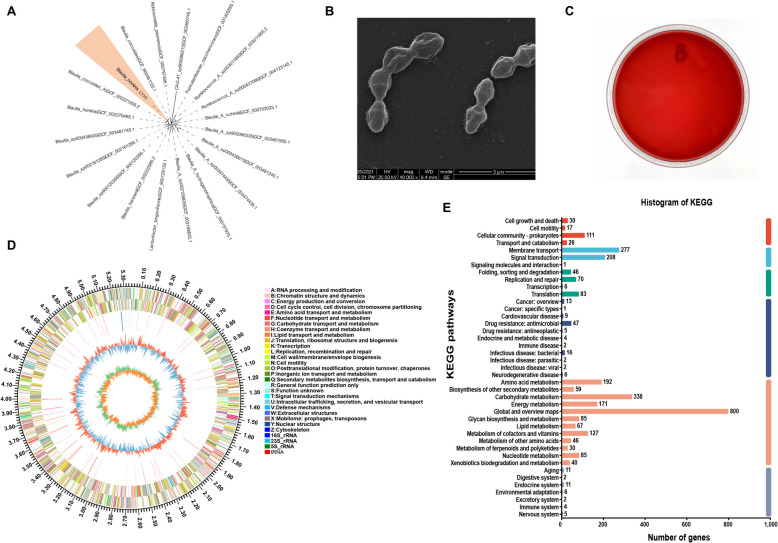
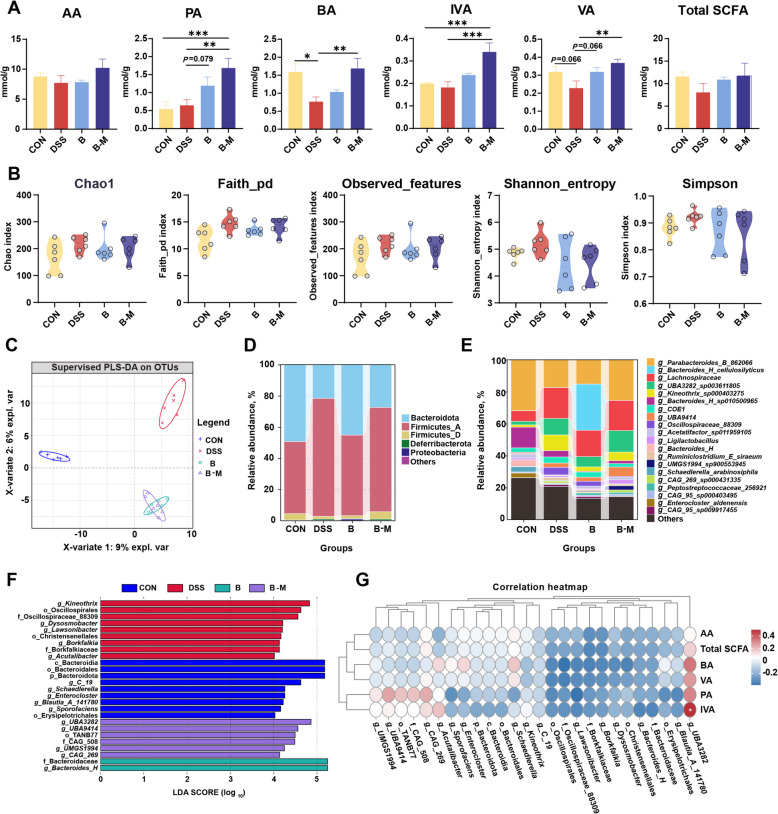
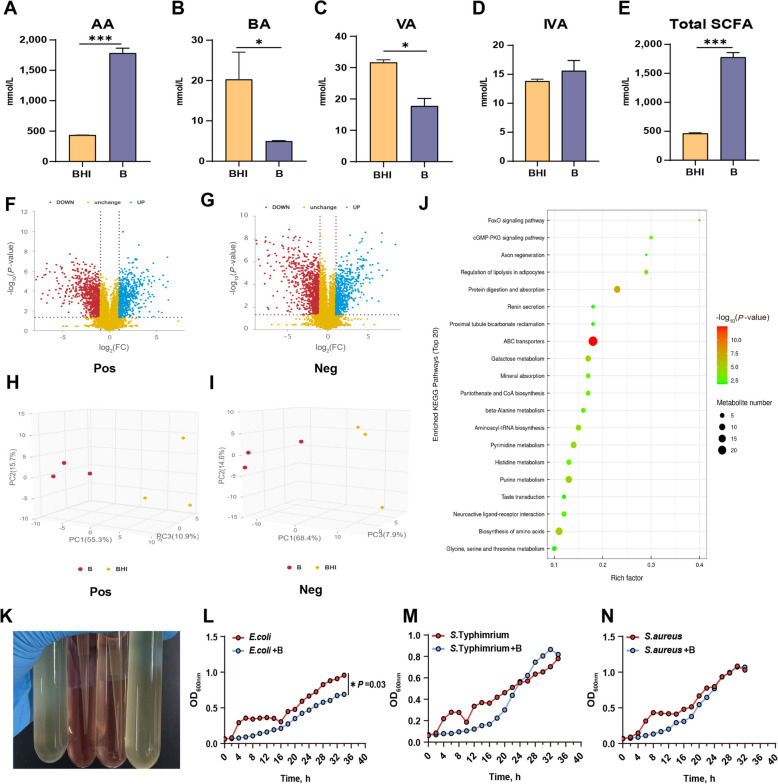
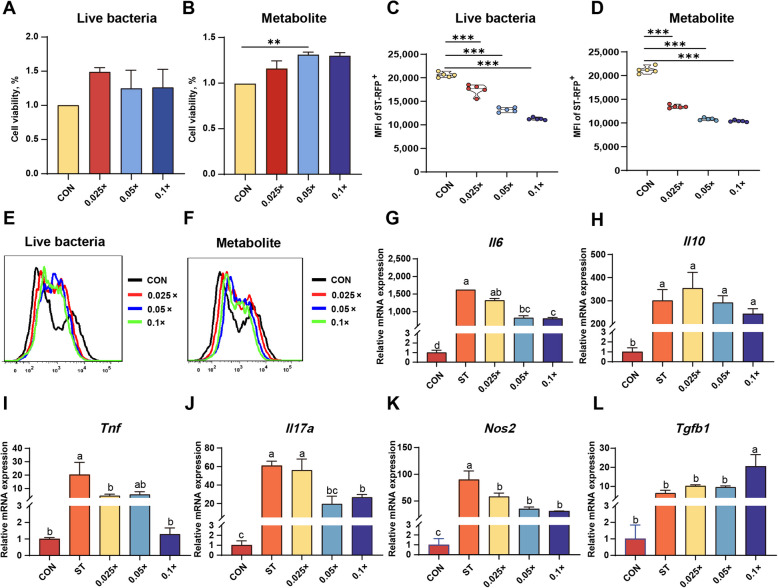
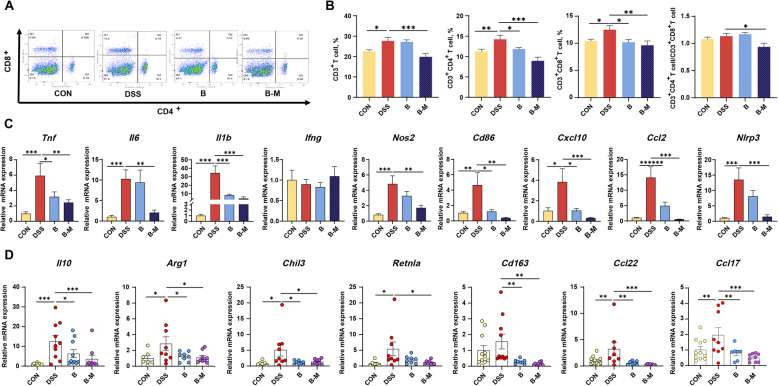
B. hominis LYH1 displayed typical characteristics of an obligate anaerobe, including non-hemolytic and non-motile features, and a genome enriched with carbohydrate-active enzyme genes. It produced metabolites with antibiotic-like compounds, demonstrating antimicrobial activity against Escherichia coli. In vitro, B. hominis LYH1 effectively inhibited pathogen replication in macrophages, reducing cellular infections and alleviating inflammatory damage. In vivo, oral administration of B. hominis LYH1 or its metabolites significantly mitigated DSS-induced colitis in mice by suppressing pro-inflammatory cytokines, inhibiting T-lymphocyte activation, and enhancing short-chain fatty acid production.
Our findings underscore B. hominis LYH1's potential as a NGP for maintaining gut health and combating intestinal inflammation. These findings offer valuable insights into the development of antibiotic alternatives and innovative strategies for preventing and treating enteritis in both agricultural and medical settings.
炎症性肠病对人类和大型农场动物来说都是一个重大的健康问题。在寻求抗生素的有效替代品的过程中,下一代益生菌(NGPs)已成为一个有前景的选择。布劳特氏菌属是潜在NGP菌株的丰富来源。在这里,我们成功地从健康断奶仔猪的肠道中分离出了人源布劳特氏菌LYH1菌株,并对其生物学特性进行了表征。然后使用巨噬细胞评估其抗炎活性,并在DSS诱导的小鼠结肠炎模型中验证了其对结肠炎和肠道屏障损伤的保护作用。
人源布劳特氏菌LYH1表现出专性厌氧菌的典型特征,包括非溶血和不运动特性,并且其基因组富含碳水化合物活性酶基因。它产生具有类抗生素化合物的代谢产物,对大肠杆菌具有抗菌活性。在体外,人源布劳特氏菌LYH1有效地抑制了巨噬细胞中病原体的复制,减少了细胞感染并减轻了炎症损伤。在体内,口服人源布劳特氏菌LYH1或其代谢产物可通过抑制促炎细胞因子、抑制T淋巴细胞活化和增加短链脂肪酸的产生,显著减轻DSS诱导的小鼠结肠炎。
我们的研究结果强调了人源布劳特氏菌LYH1作为一种NGP在维持肠道健康和对抗肠道炎症方面的潜力。这些发现为开发抗生素替代品以及在农业和医学环境中预防和治疗肠炎的创新策略提供了有价值的数据。