Kassubek Jan, Santos Garcia Diego, Jost Wolfgang H, Wojtecki Lars, Moreira Fradique, Fonseca Miguel M, Harrison-Jones Glynn, Pijuan Isabel, Denecke Muhr Carmen
Department of Neurology, University Hospital Ulm, Oberer Eselsberg 45, D-89081 Ulm, Germany.
Complejo Hospitalario Universitario de A Coruña, A Coruña, Spain.
Ther Adv Neurol Disord. 2025 Jun 20;18:17562864251343583. doi: 10.1177/17562864251343583. eCollection 2025.
Managing OFF episodes in patients with Parkinson's disease becomes increasingly challenging over time, making it critical to tailor treatment to each patient's needs and characteristics for effective care.
Study CTH-301 assessed the long-term safety/tolerability and efficacy of sublingual apomorphine (SL-APO) for the on-demand treatment of OFF episodes.
The findings from four post hoc analyses of Study CTH-301, conducted to understand factors influencing SL-APO retention and safety/tolerability, with a particular focus on oropharyngeal treatment-emergent adverse events (TEAEs) are reported.
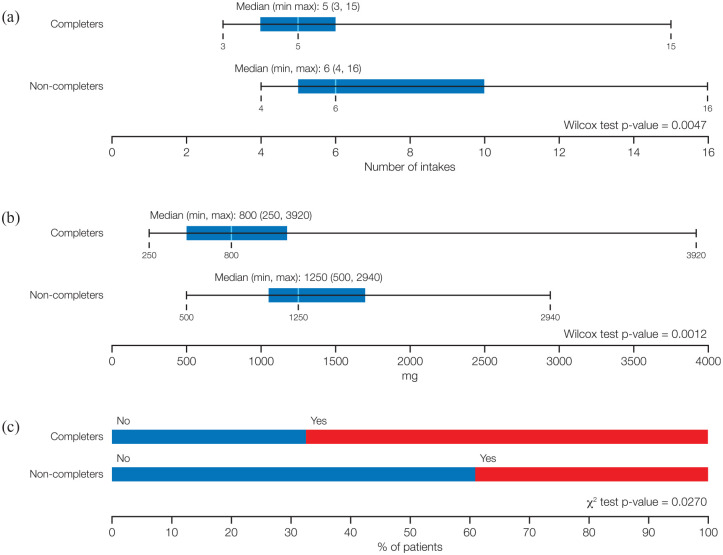
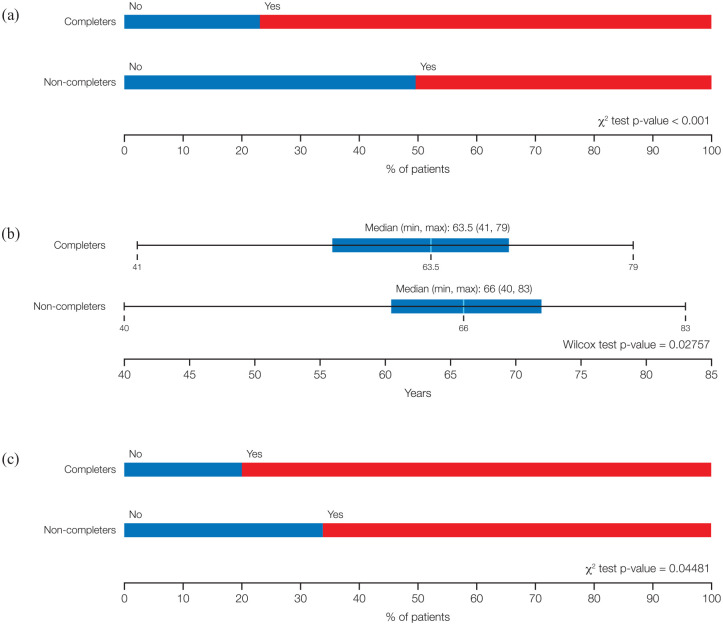
The first analysis evaluated baseline variables differing between patients who completed the study and those who discontinued due to either lack of efficacy or adverse events to help define patients more likely to benefit from SL-APO therapy: The second and third analyses compared safety/tolerability between the subgroups of patients who were or were not receiving dopamine agonist (DA) treatment, and in those aged <70 or ⩾70 years at baseline, respectively. The fourth analysis examined oropharyngeal TEAEs.
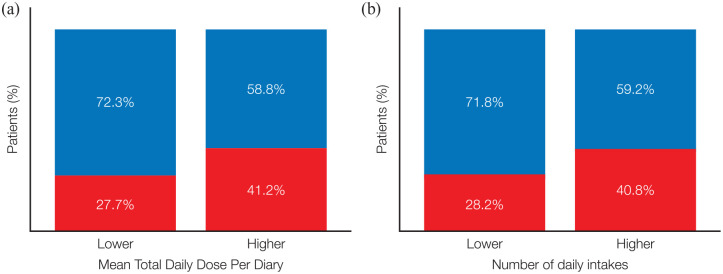
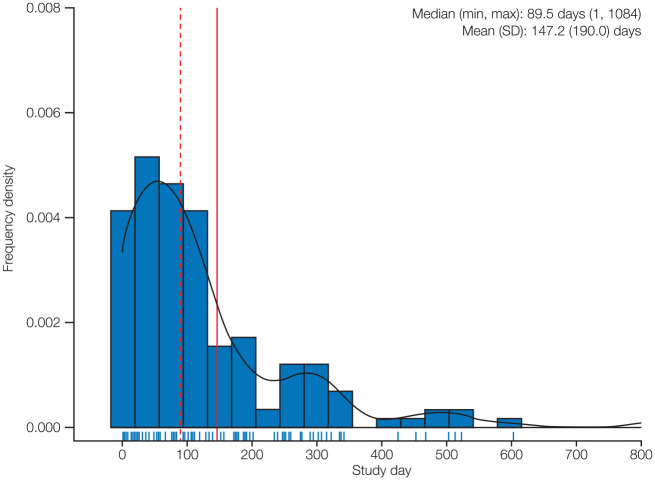
Patients in a younger age group, those experiencing morning akinesia or delayed ON, and those taking lower dose/fewer intakes of levodopa and concomitant DAs were more likely to benefit from SL-APO therapy. Patients taking concomitant DAs reported lower rates of DA-related TEAEs and a higher mean SL-APO optimal dose. Specific analyses in patients aged ⩾70 years indicated that this age group reported similar rates of TEAEs and a similar profile of the most common TEAEs compared with the group aged <70 years. A lower total daily dose of SL-APO was associated with a reduced risk of developing oropharyngeal TEAEs. Such events were mostly mild or moderate, occurring within the first months after SL-APO initiation, and generally resolved, with worsening being rare.
These analyses provided insights into retention and safety/tolerability of SL-APO, helping clinicians and patients make informed treatment decisions.
随着时间的推移,帕金森病患者的“关”期管理变得越来越具有挑战性,因此根据每位患者的需求和特征量身定制治疗方案以实现有效护理至关重要。
研究CTH - 301评估了舌下含服阿扑吗啡(SL - APO)按需治疗“关”期的长期安全性/耐受性和疗效。
报告了对研究CTH - 301进行的四项事后分析的结果,这些分析旨在了解影响SL - APO保留率以及安全性/耐受性的因素,特别关注口咽治疗引发的不良事件(TEAE)。
第一项分析评估了完成研究的患者与因疗效不佳或不良事件而停药的患者之间存在差异的基线变量,以帮助确定更可能从SL - APO治疗中获益的患者:第二项和第三项分析分别比较了接受或未接受多巴胺激动剂(DA)治疗的患者亚组之间以及基线年龄<70岁或≥70岁的患者之间的安全性/耐受性。第四项分析检查了口咽TEAE。
年龄较小的患者组、经历晨僵或“开”期延迟的患者以及服用较低剂量/较少次数左旋多巴和联合使用DA的患者更可能从SL - APO治疗中获益。联合使用DA的患者报告的DA相关TEAE发生率较低,且平均SL - APO最佳剂量较高。对≥70岁患者的具体分析表明,与<70岁的患者组相比,该年龄组报告的TEAE发生率相似,最常见TEAE的情况也相似。SL - APO的每日总剂量较低与发生口咽TEAE的风险降低相关。此类事件大多为轻度或中度,发生在开始使用SL - APO后的头几个月内,通常会缓解,病情恶化的情况很少见。
这些分析为SL - APO的保留率以及安全性/耐受性提供了见解,有助于临床医生和患者做出明智的治疗决策。