Shao Qiuyuan, Li Nan, Qiu Huimin, Zhao Min, Jiang Chunming, Wan Cheng
Department of Nephrology, Nanjing Drum Tower Hospital, The Affiliated Hospital of Nanjing University Medical School, Nanjing 210023, China.
Biomedicines. 2025 Jun 17;13(6):1489. doi: 10.3390/biomedicines13061489.
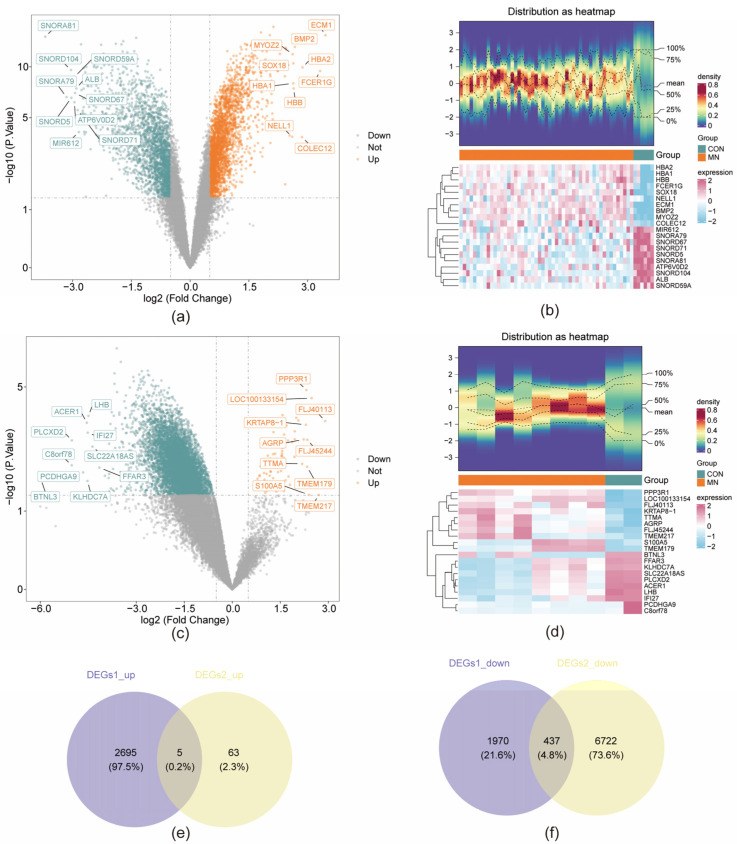
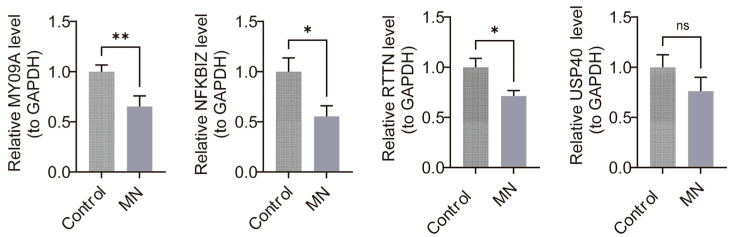
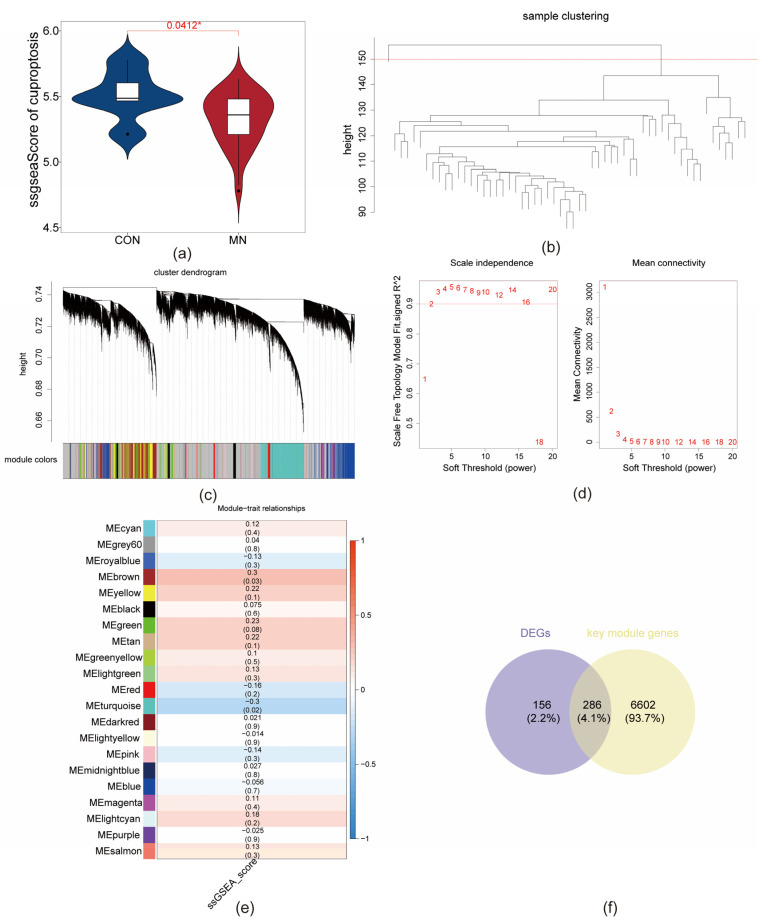
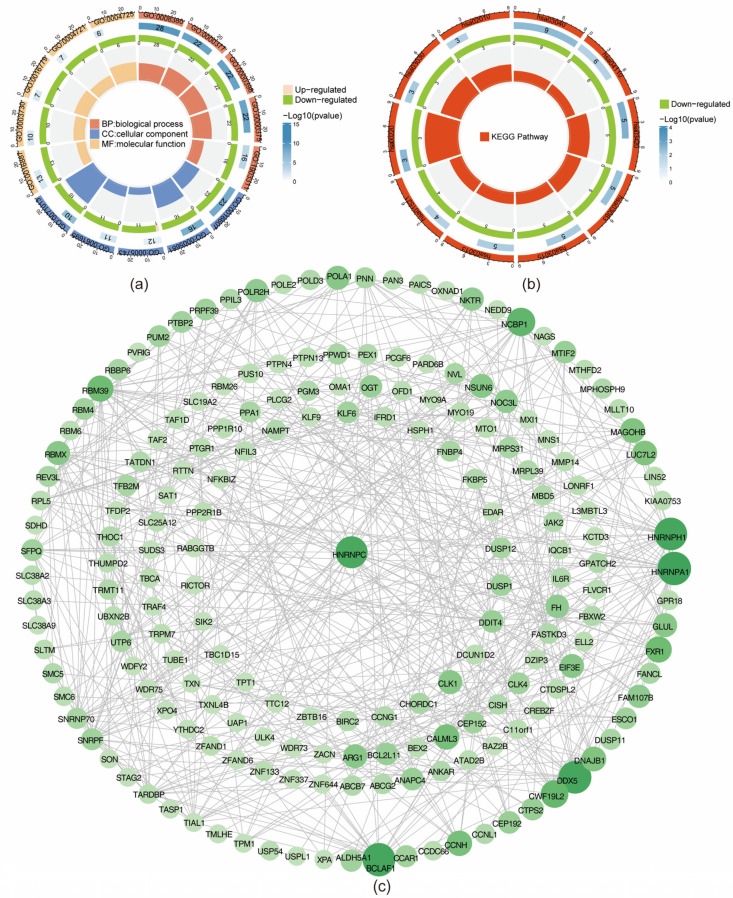
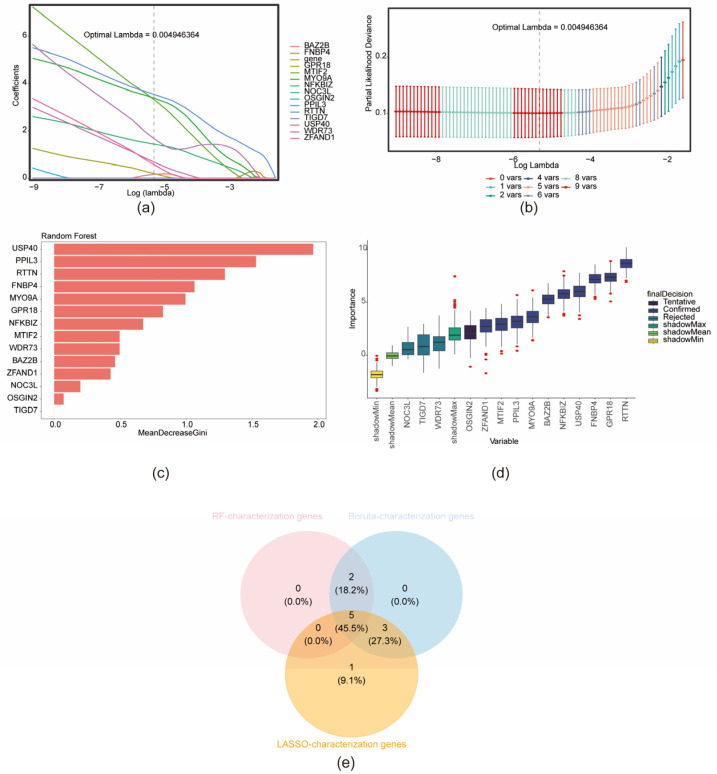
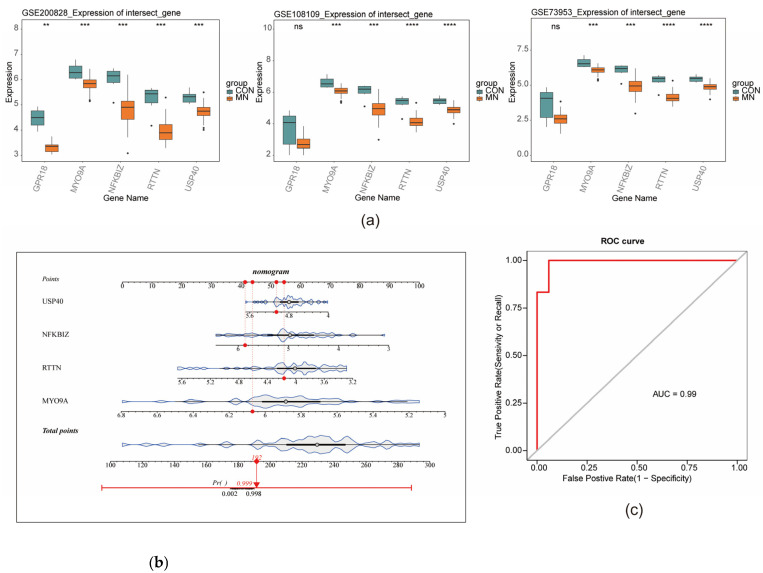
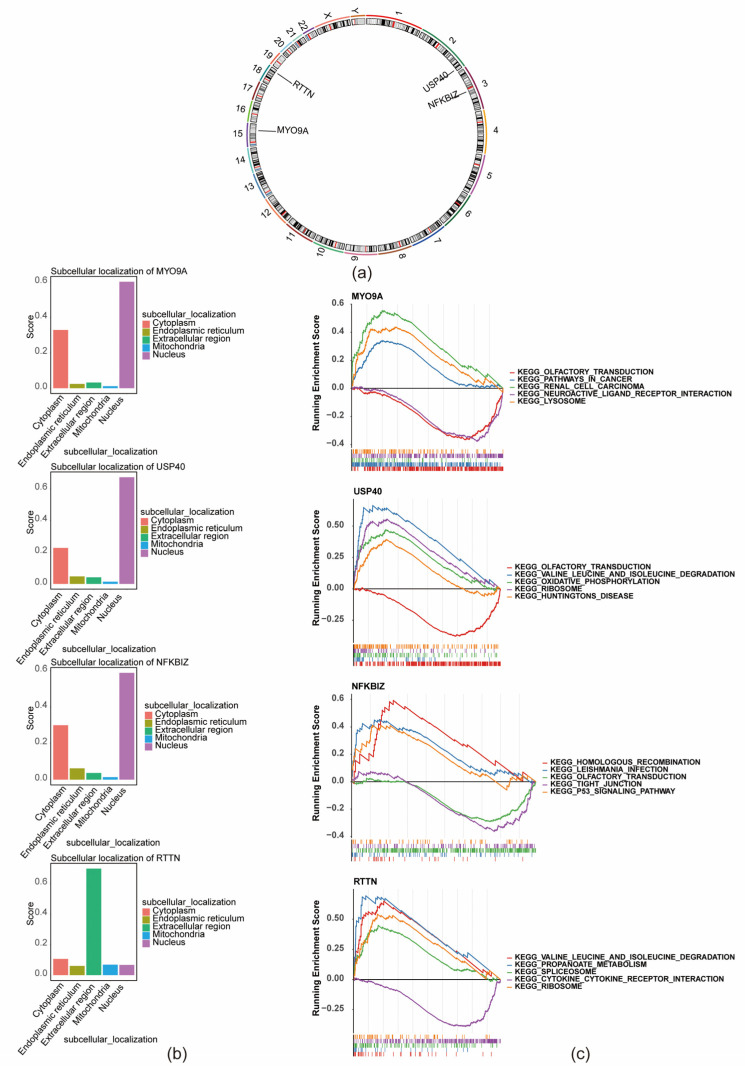
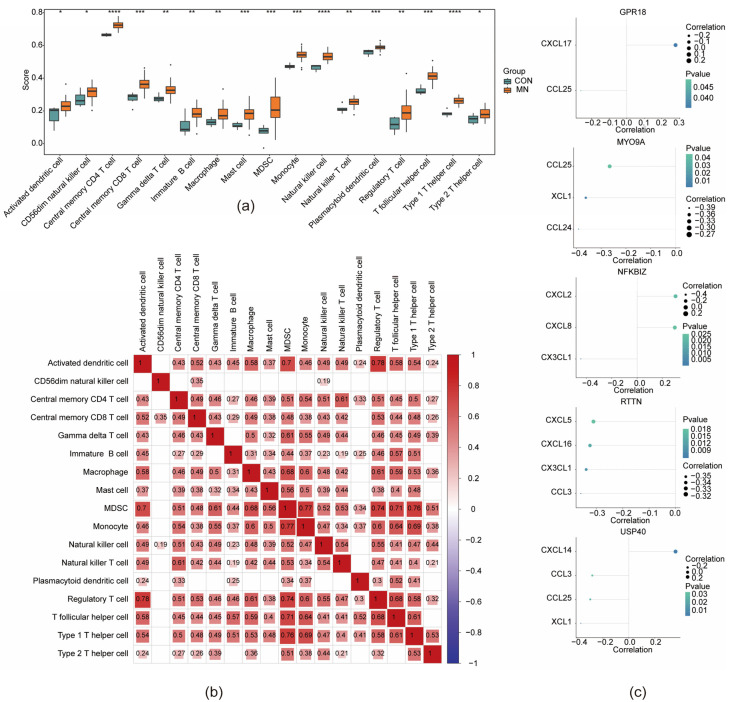
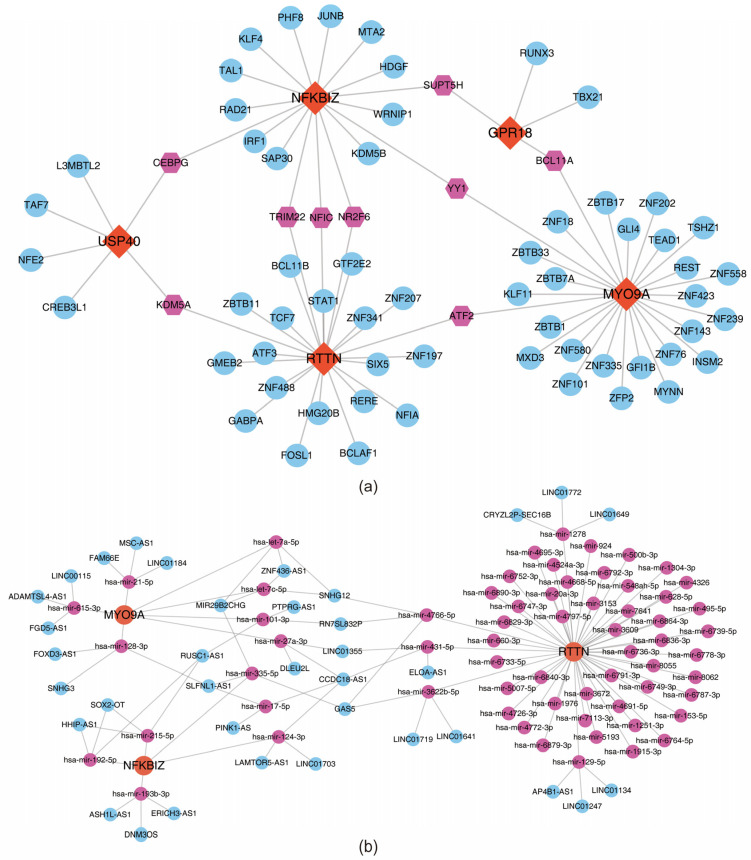
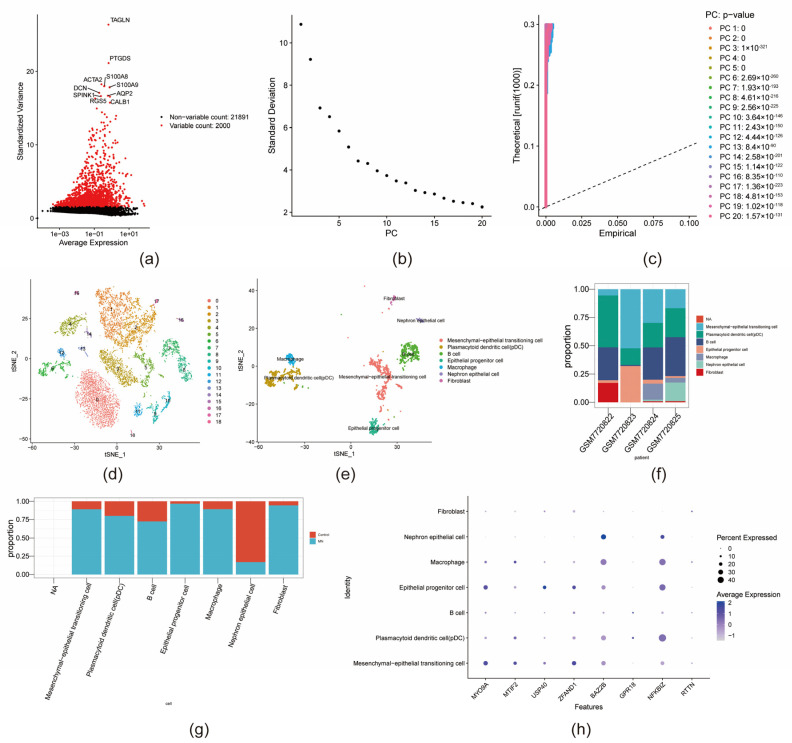
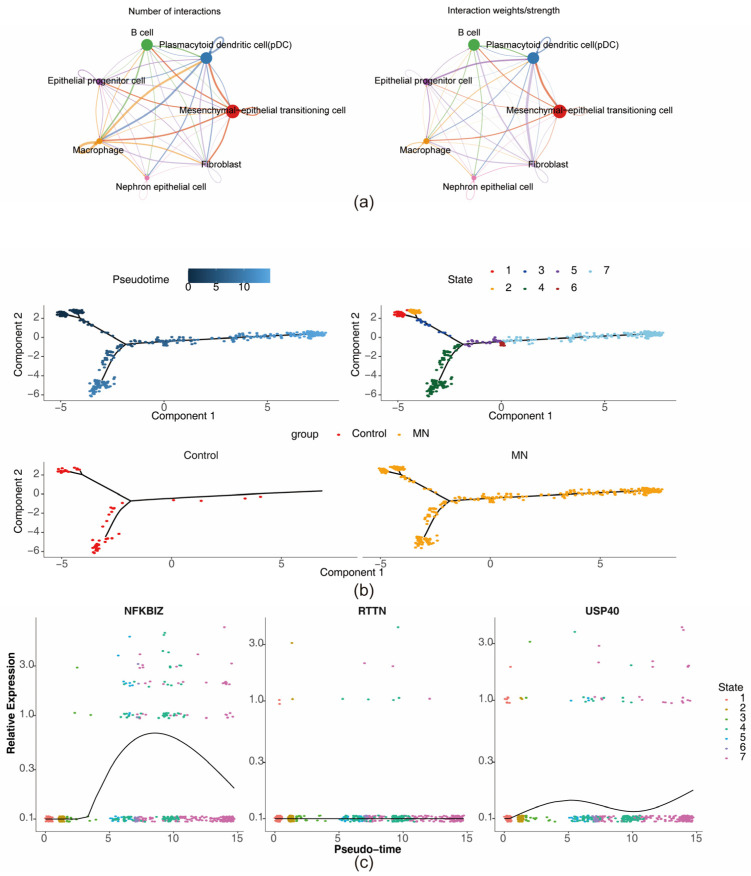
Membranous nephropathy (MN), a prevalent glomerular disorder, remains poorly understood in terms of its association with mitochondrial dynamics (MD). This study investigated the mechanistic involvement of mitochondrial dynamics-related genes (MDGs) in the pathogenesis of MN. Comprehensive bioinformatics analyses-encompassing Mendelian randomization, machine-learning algorithms, and single-cell RNA sequencing (scRNA-seq)-were employed to interrogate transcriptomic datasets (GSE200828, GSE73953, and GSE241302). Core MDGs were further validated using reverse-transcription quantitative polymerase chain reaction (RT-qPCR). Four key MDGs-RTTN, MYO9A, USP40, and NFKBIZ-emerged as critical determinants, predominantly enriched in olfactory transduction pathways. A nomogram model exhibited exceptional diagnostic performance (area under the curve [AUC] = 1). Seventeen immune cell subsets, including regulatory T cells and activated dendritic cells, demonstrated significant differential infiltration in MN. Regulatory network analyses revealed ATF2 co-regulation mediated by RTTN and MYO9A, along with RTTN-driven modulation of ELOA-AS1 via hsa-mir-431-5p. scRNA-seq analysis identified mesenchymal-epithelial transitioning cells as key contributors, with pseudotime trajectory mapping indicating distinct temporal expression profiles: NFKBIZ (initial upregulation followed by decline), USP40 (gradual fluctuation), and RTTN (persistently low expression). RT-qPCR results corroborated a significant downregulation of all four genes in MN samples compared to controls ( < 0.05). These findings elucidate the molecular underpinnings of MDG-mediated mechanisms in MN, revealing novel diagnostic biomarkers and therapeutic targets. The data underscore the interplay between mitochondrial dynamics and immune dysregulation in MN progression, providing a foundation for precision medicine strategies.
膜性肾病(MN)是一种常见的肾小球疾病,但其与线粒体动力学(MD)的关联仍知之甚少。本研究调查了线粒体动力学相关基因(MDGs)在MN发病机制中的作用机制。采用综合生物信息学分析,包括孟德尔随机化、机器学习算法和单细胞RNA测序(scRNA-seq),对转录组数据集(GSE200828、GSE73953和GSE241302)进行分析。使用逆转录定量聚合酶链反应(RT-qPCR)进一步验证核心MDGs。四个关键的MDGs——RTTN、MYO9A、USP40和NFKBIZ——成为关键决定因素,主要富集于嗅觉转导通路。列线图模型表现出卓越的诊断性能(曲线下面积[AUC]=1)。包括调节性T细胞和活化树突状细胞在内的17种免疫细胞亚群在MN中表现出显著的差异浸润。调控网络分析显示,RTTN和MYO9A介导ATF2的共同调控,以及RTTN通过hsa-mir-431-5p对ELOA-AS1的调控。scRNA-seq分析确定间充质-上皮转化细胞是关键贡献者,伪时间轨迹映射表明其具有不同的时间表达谱:NFKBIZ(最初上调随后下降)、USP40(逐渐波动)和RTTN(持续低表达)。RT-qPCR结果证实,与对照组相比,MN样本中所有四个基因均显著下调(<0.05)。这些发现阐明了MDG介导的MN机制的分子基础,揭示了新的诊断生物标志物和治疗靶点。数据强调了线粒体动力学与MN进展中免疫失调之间的相互作用,为精准医学策略提供了基础。