Zhou Hui, Guo Qingqing, Zhang Xin, Chu Tingting, Zhang Wen, Liu Qing, Cao Linlin
Zibo Central Hospital Affiliated to Binzhou Medical University, Zibo, Shandong, China.
PKUCare Luzhong Hospital, Zibo, Shandong, China.
Front Bioeng Biotechnol. 2025 Jun 11;13:1584456. doi: 10.3389/fbioe.2025.1584456. eCollection 2025.
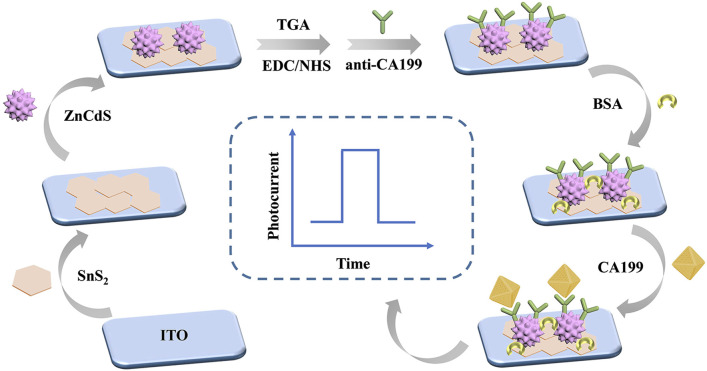
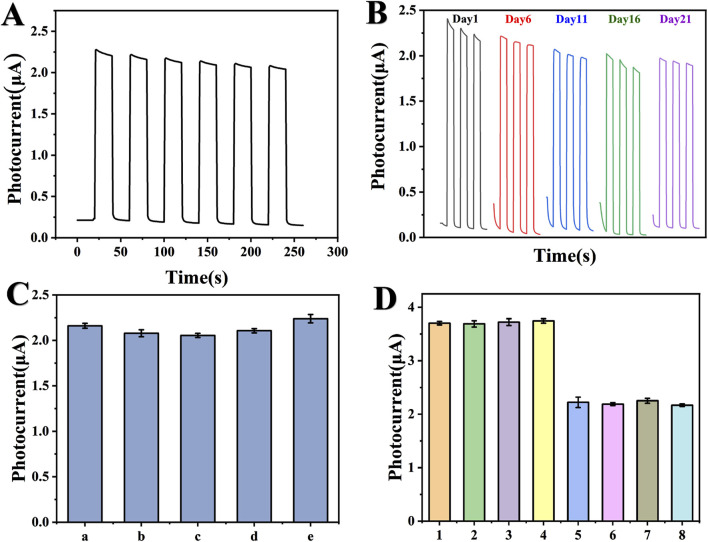
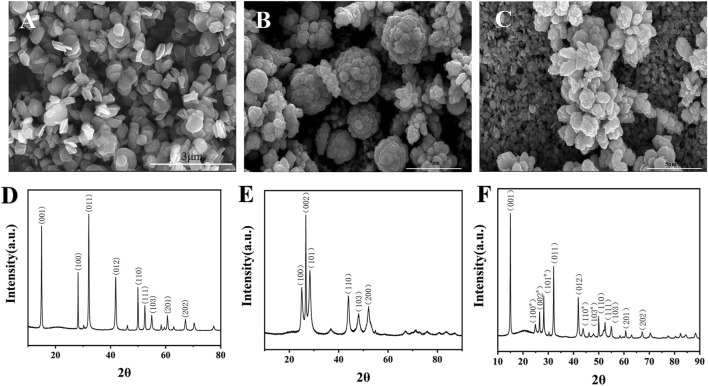
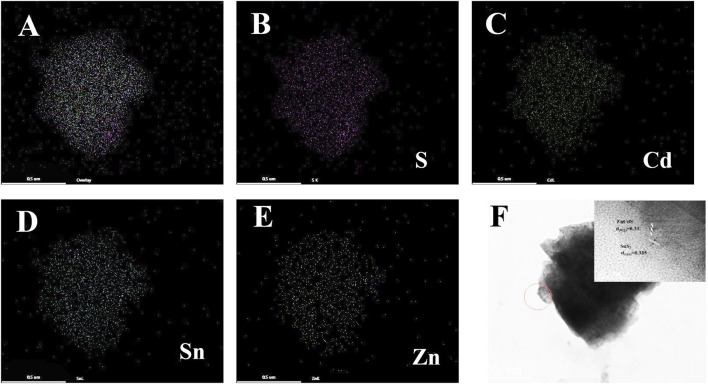
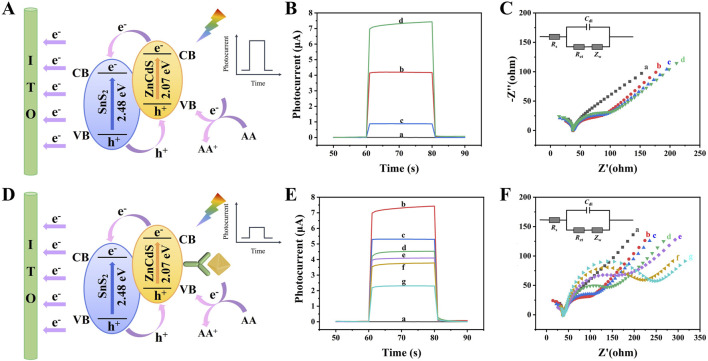
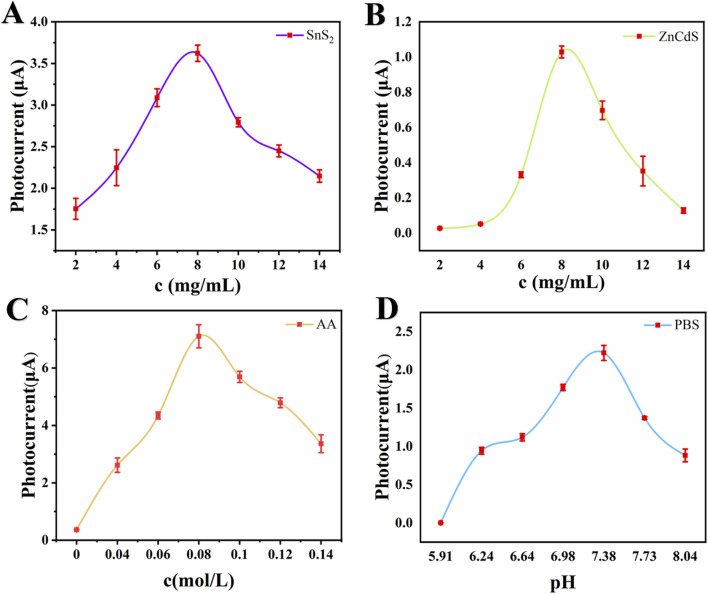
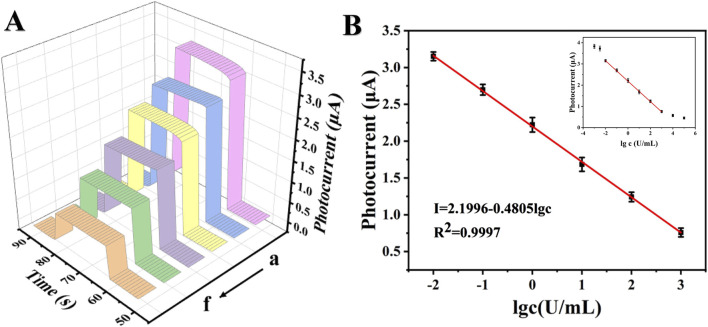
The early and accurate detection of tumor markers is crucial for cancer diagnosis, prognosis, and treatment monitoring. Carbohydrate antigen 199 (CA199), as a key biomarker of pancreatic, gastric, and colorectal cancers, is widely used in the clinical management. The development of sensitive, rapid and cost-effective detection methods for CA199 is of paramount importance in improving early detection rates and patient outcomes. In this study, we present a novel photoelectrochemical (PEC) immunosensor based on a SnS/ZnCdS heterostructure designed for the ultrasensitive detection of CA199. The unique heterojunction between SnS and ZnCdS enhances photocurrent generation by effectively suppressing charge recombination and improving charge separation. Furthermore, the flower-like morphology of the heterostructure further boosts light absorption and photogenerated carrier transport, resulting in significantly enhanced sensor performance. This label-free PEC immunosensor exhibits outstanding stability, reproducibility and selectivity, with a broad detection range from 0.01 to 1000 U/mL and an ultra-low detection limit of 1.00 × 10 U/mL. These features demonstrate the potential of this sensor as a powerful tool for sensitive CA199 detection, offering promising applications in cancer diagnostics and monitoring.
肿瘤标志物的早期准确检测对于癌症的诊断、预后评估及治疗监测至关重要。糖类抗原199(CA199)作为胰腺癌、胃癌和结直肠癌的关键生物标志物,在临床管理中被广泛应用。开发灵敏、快速且经济高效的CA199检测方法对于提高早期检测率和患者治疗效果至关重要。在本研究中,我们提出了一种基于SnS/ZnCdS异质结构的新型光电化学(PEC)免疫传感器,用于超灵敏检测CA199。SnS与ZnCdS之间独特的异质结通过有效抑制电荷复合和改善电荷分离来增强光电流的产生。此外,异质结构的花状形态进一步提高了光吸收和光生载流子传输,从而显著提升了传感器性能。这种无标记的PEC免疫传感器具有出色的稳定性、重现性和选择性,检测范围宽达0.01至1000 U/mL,检测限低至1.00×10 U/mL。这些特性表明该传感器作为灵敏检测CA199的有力工具具有潜力,在癌症诊断和监测中具有广阔的应用前景。