Garrood Macy, Keberle Alicia, Sowa Allison, Janssen William, Thorn Emma L, Sanctis Claudia De, Farrell Kurt, Crary John F, McKenzie Andrew T
Apex Neuroscience, Salem, Oregon, USA.
Microscopy and Advanced Bioimaging Core, Icahn School of Medicine at Mount Sinai, New York, New York, USA.
Free Neuropathol. 2025 Jun 25;6:13. doi: 10.17879/freeneuropathology-2025-6763. eCollection 2025.
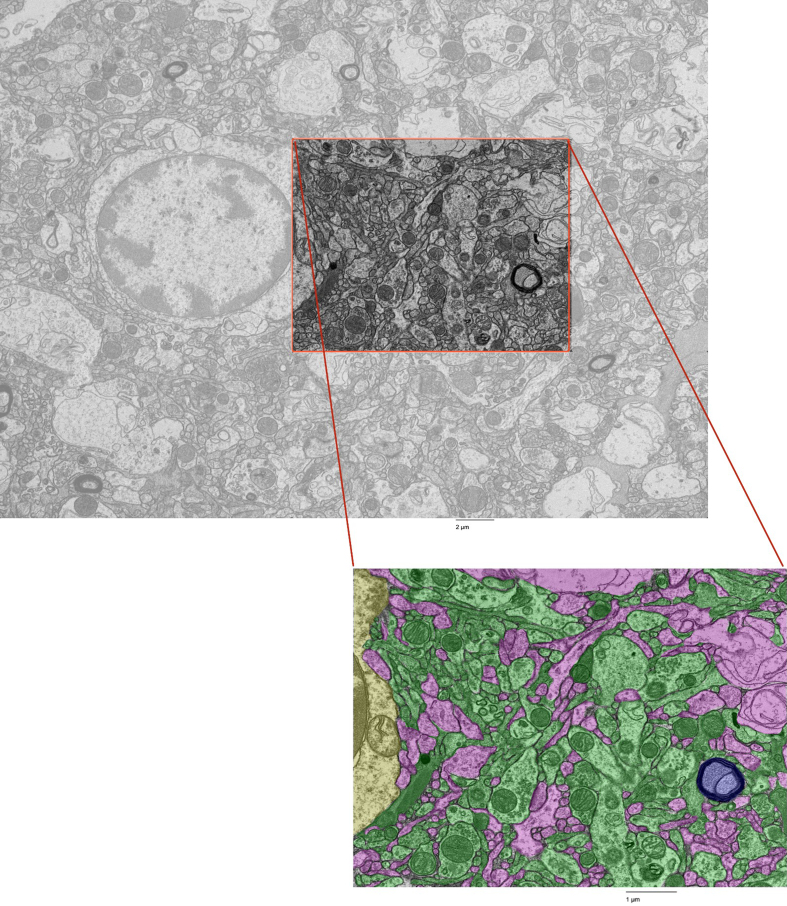
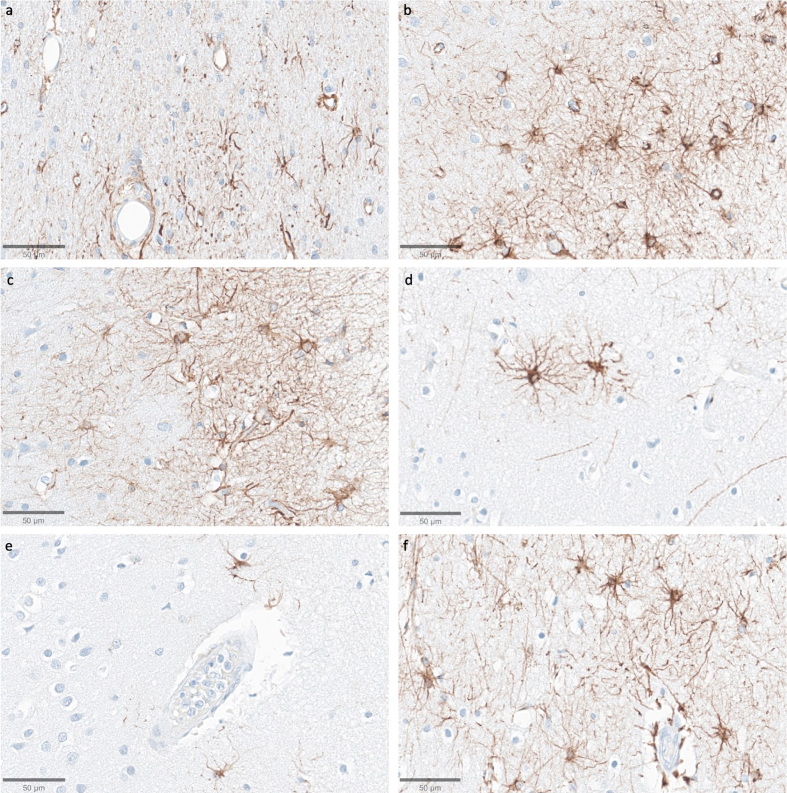
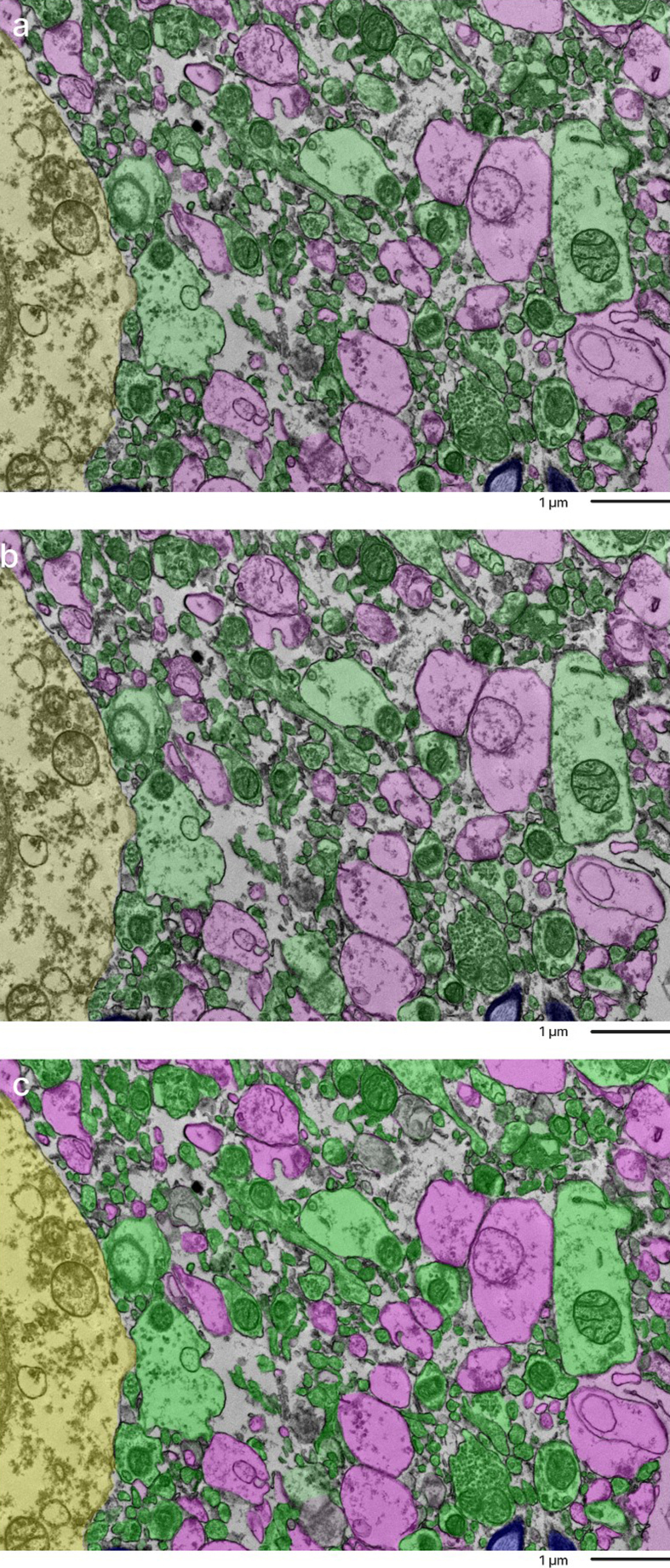
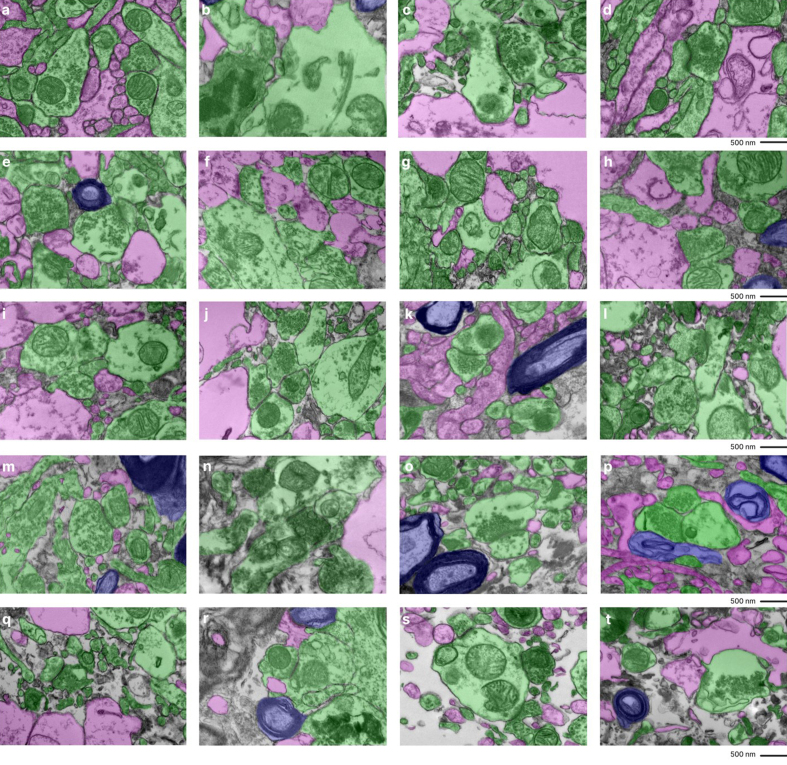
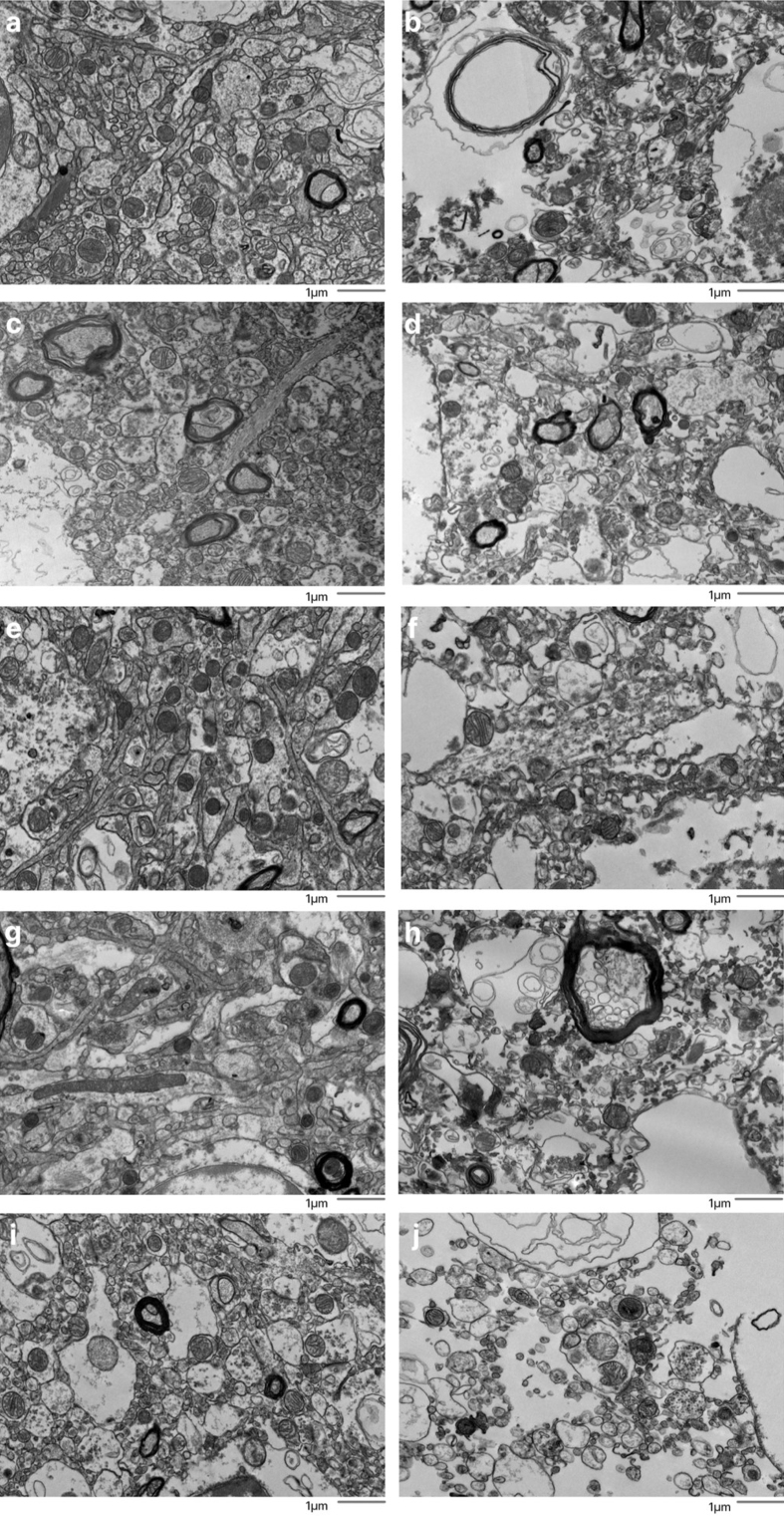
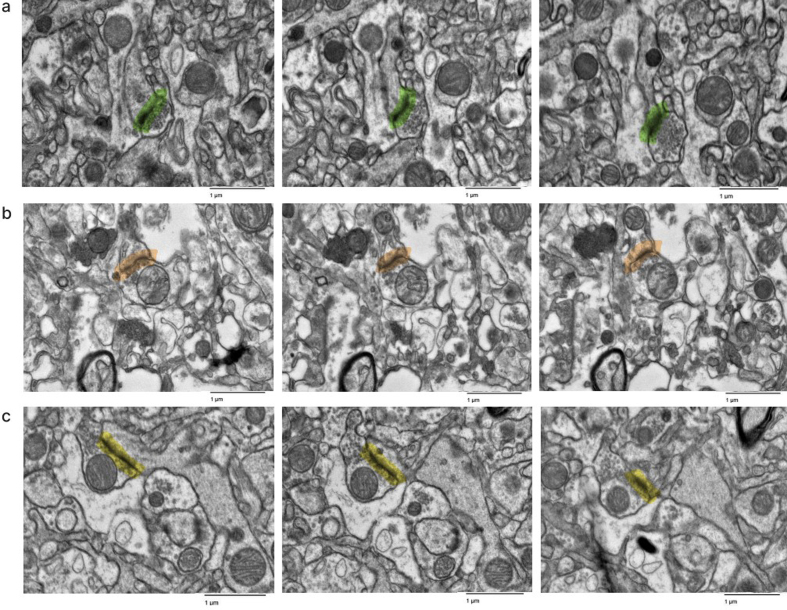
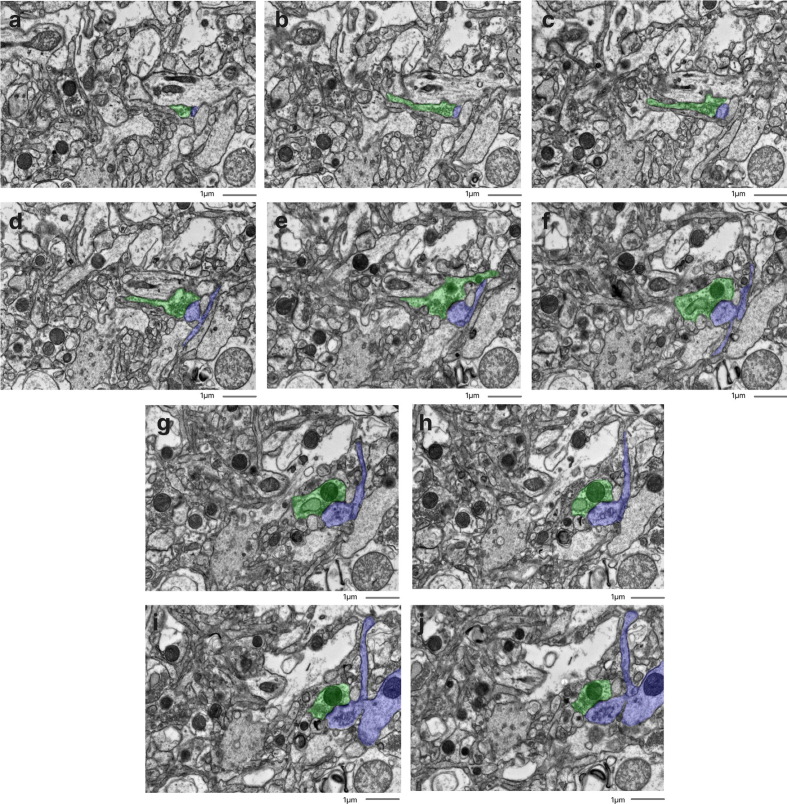
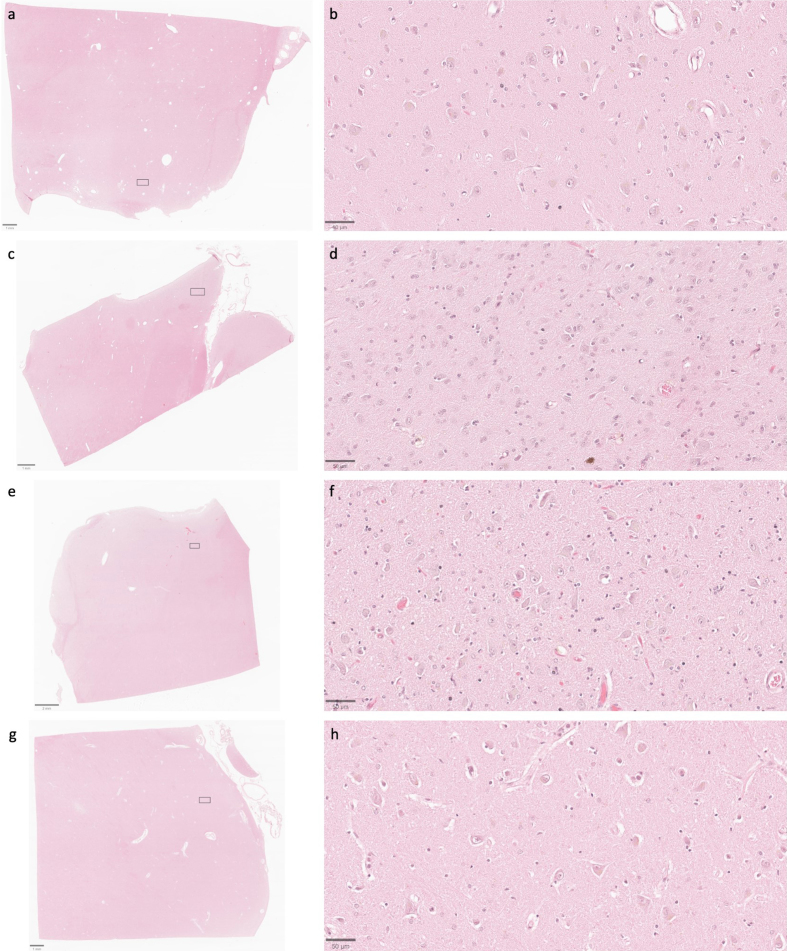
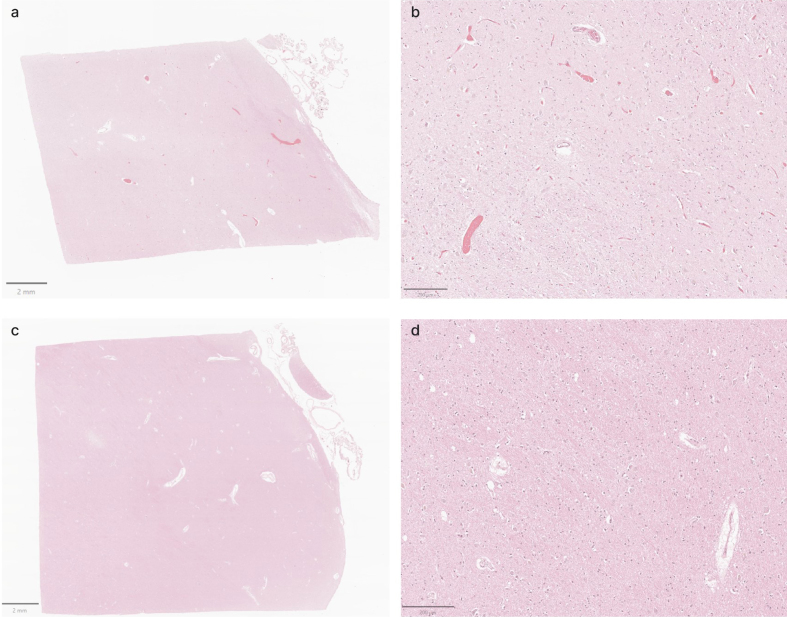
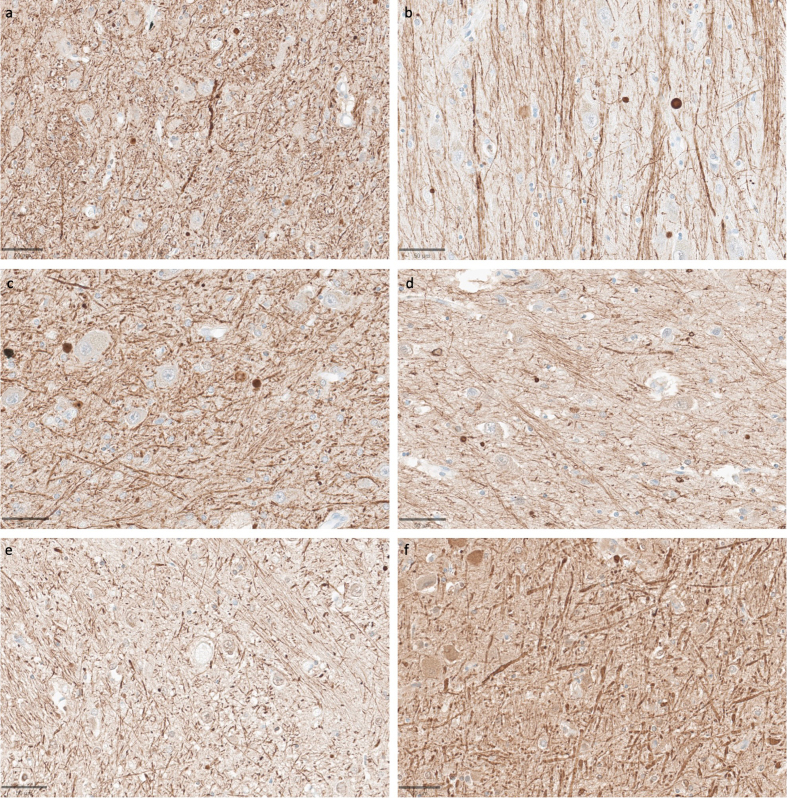
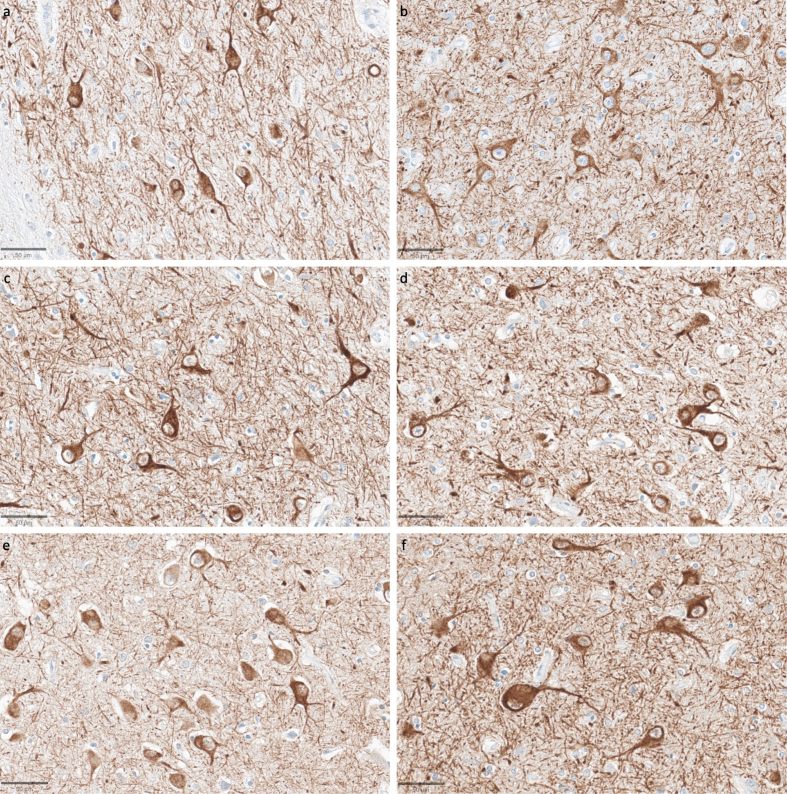
The ultrastructural analysis of postmortem brain tissue can provide important insights into cellular architecture and disease-related changes. For example, connectomics studies offer a powerful emerging approach for understanding neural circuit organization. However, electron microscopy (EM) data is difficult to interpret when the preservation quality is imperfect, which is common in brain banking and may render it unsuitable for certain research applications. One common issue is that EM images of postmortem brain tissue can have an expansion of regions that appear to be made up of extracellular space and / or degraded cellular material, which we call ambiguous interstitial zones. In this study, we report a method to assess whether EM images have ambiguous interstitial zone artifacts in a cohort of 10 postmortem brains with samples from each of the cortex and thalamus. Next, in matched samples from the contralateral hemisphere of the same brains, we evaluate the structural preservation quality of light microscopy images, including immunostaining for cytoskeletal proteins. Through this analysis, we show that on light microscopy, cell membrane morphology can be largely maintained, and neurite trajectory visualized over micrometer distances, even in specimens for which there are ambiguous interstitial zone artifacts on EM. Additionally, we demonstrate that synaptic structures can be successfully traced across serial EM sections in some postmortem samples, indicating the potential for connectivity studies in banked human brain tissue when appropriate preservation and visualization protocols are employed. Taken together, our analysis may assist in maximizing the usefulness of donated brain tissue by informing tissue selection and preparation protocols for various research goals.
对死后脑组织进行超微结构分析可以为细胞结构和疾病相关变化提供重要见解。例如,连接组学研究为理解神经回路组织提供了一种强大的新兴方法。然而,当保存质量不佳时,电子显微镜(EM)数据难以解读,这在脑库中很常见,可能使其不适用于某些研究应用。一个常见问题是,死后脑组织的EM图像可能会出现一些区域的扩张,这些区域似乎由细胞外空间和/或降解的细胞物质组成,我们称之为模糊间质区。在本研究中,我们报告了一种方法,用于评估10个死后大脑队列的EM图像是否存在模糊间质区伪影,这些大脑的样本取自皮质和丘脑。接下来,在同一大脑对侧半球的匹配样本中,我们评估光学显微镜图像的结构保存质量,包括细胞骨架蛋白的免疫染色。通过这项分析,我们表明,在光学显微镜下,即使在EM上存在模糊间质区伪影的标本中,细胞膜形态在很大程度上也能得以保持,神经突轨迹在微米距离上也能可视化。此外,我们证明,在一些死后样本中,可以成功地在连续的EM切片上追踪突触结构,这表明当采用适当的保存和可视化方案时,在保存的人类脑组织中进行连接性研究具有潜力。综上所述,我们的分析可以通过为各种研究目标提供组织选择和制备方案的信息,帮助最大限度地提高捐赠脑组织的有用性。