Ghanem Amr Sayed, Bata Róbert, Kovács Nóra, Nagy Attila Csaba
Department of Health Informatics, Faculty of Health Sciences, University of Debrecen, Debrecen, Hungary.
Department of Public Health and Epidemiology, Faculty of Medicine, University of Debrecen, Debrecen, Hungary.
Front Oral Health. 2025 Jun 17;6:1609961. doi: 10.3389/froh.2025.1609961. eCollection 2025.
Oral diseases affect billions globally, with periodontitis contributing to significant health disparities and systemic conditions like diabetes and cardiovascular diseases.
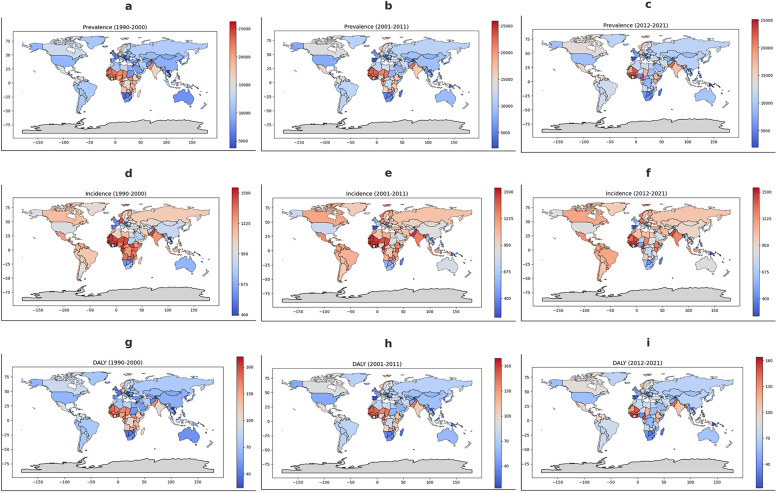
This study utilized the GBD 2021 dataset to assess the global burden of periodontitis across 204 countries, analyzing prevalence, incidence, and DALY rates. Socioeconomic disparities were examined using the Sociodemographic Index (SDI) and Gini coefficient, while time-series analysis, regression models, and Joinpoint regression identified trends. Machine learning predicted future burden, and geospatial mapping visualized global distribution.
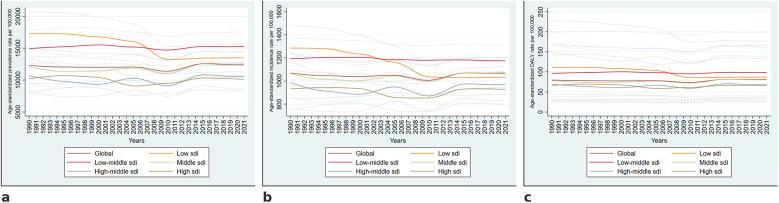
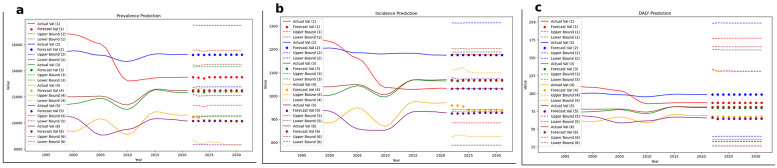
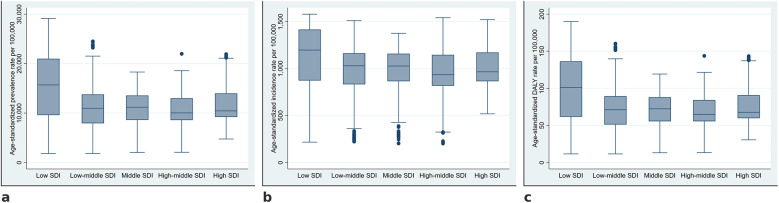
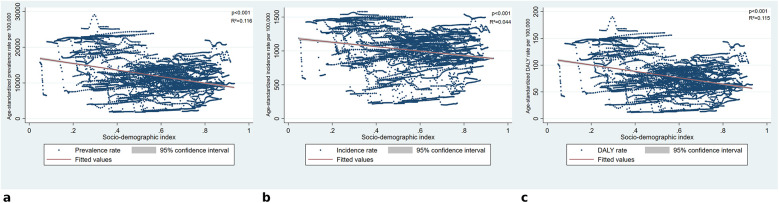
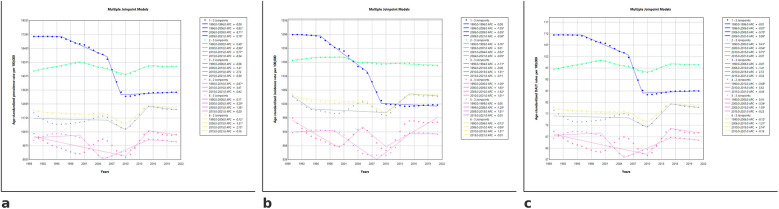
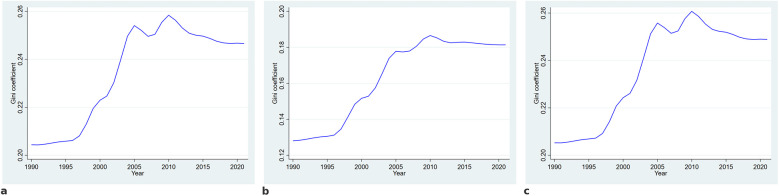
Periodontitis burden remains highest in low-SDI regions, with significantly greater prevalence, incidence, and DALY rates compared to higher-SDI countries ( < 0.001). Global trends showed a decline until 2010 (AAPC: ASPR -0.792%, ASIR -0.719%, DALY -0.794%; all < 0.05), followed by a temporary increase before stabilizing. Disparities widened over time, peaking around 2010. Projections suggest persistent inequalities, with low-SDI regions maintaining the highest burden and minimal expected reductions, while higher-SDI countries exhibit stable, lower rates.
Despite global declines, periodontitis disparities have widened, with low-SDI regions facing the highest burden and minimal improvements. Without strong public health policies integrating preventive oral health into diseases management, inequalities will persist, worsening systemic health outcomes. Urgent action is needed to ensure universal access to periodontal care and early interventions, especially in low-resource settings.
口腔疾病影响着全球数十亿人,牙周炎导致了严重的健康差距以及糖尿病和心血管疾病等全身性疾病。
本研究利用全球疾病负担研究(GBD)2021数据集评估了204个国家的牙周炎全球负担,分析了患病率、发病率和伤残调整生命年(DALY)率。使用社会人口指数(SDI)和基尼系数研究社会经济差距,同时通过时间序列分析、回归模型和Joinpoint回归确定趋势。机器学习预测未来负担,地理空间映射直观显示全球分布情况。
牙周炎负担在低社会人口指数地区仍然最高,与高社会人口指数国家相比,其患病率、发病率和伤残调整生命年率显著更高(<0.001)。全球趋势显示,到2010年负担呈下降趋势(年度变化百分比:发病率变化百分比-0.792%,发病率变化率-0.719%,伤残调整生命年变化率-0.794%;均<0.05),随后在稳定之前出现暂时上升。随着时间推移,差距不断扩大,在2010年左右达到峰值。预测表明不平等现象将持续存在,低社会人口指数地区负担最高且预期降幅最小,而高社会人口指数国家则呈现稳定的低发病率。
尽管全球负担有所下降,但牙周炎差距仍在扩大,低社会人口指数地区负担最重且改善甚微。如果没有将预防性口腔健康纳入疾病管理的强有力公共卫生政策,不平等现象将持续存在,导致全身性健康结果恶化。需要采取紧急行动,确保普遍获得牙周护理和早期干预,尤其是在资源匮乏地区。