Hou Yaxin, Tang Guoheng, Wang Qizhi, Zhou Meng, Xu Ran, Chen Xuehui, Shi Guizhi, Wang Zhuoran, Yan Xiyun, Zhuang Jie, Fan Kelong
CAS Engineering Laboratory for Nanozyme, Key Laboratory of Biomacromolecules, CAS Center for Excellence in Biomacromolecules, Institute of Biophysics, Chinese Academy of Sciences, Beijing, China.
University of Chinese Academy of Sciences, Chinese Academy of Sciences, Beijing, China.
Signal Transduct Target Ther. 2025 Jul 8;10(1):212. doi: 10.1038/s41392-025-02297-6.
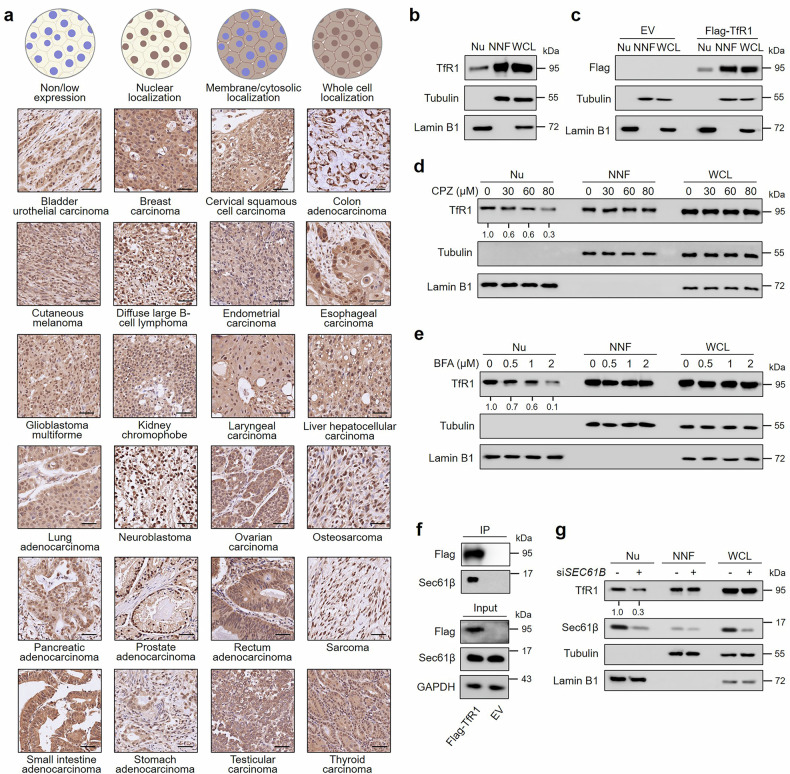
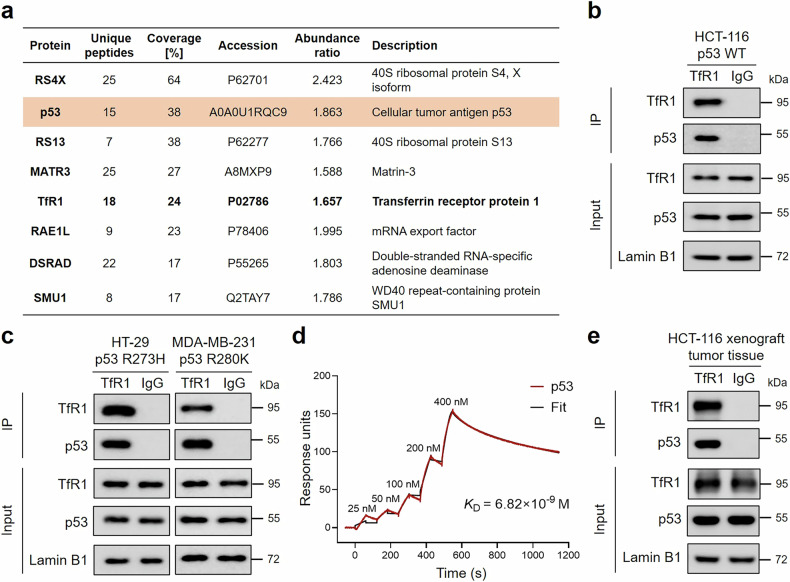
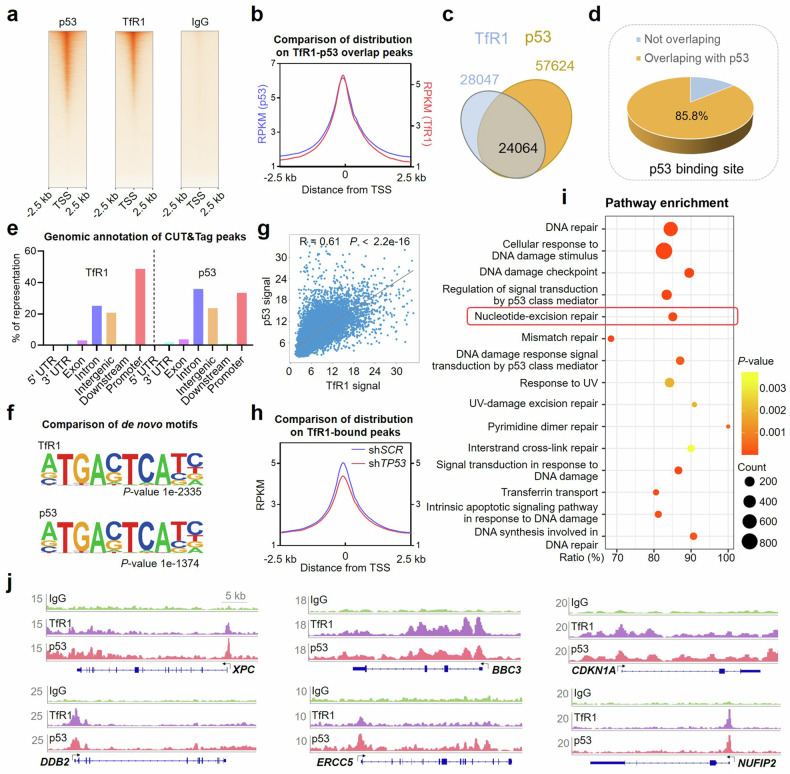
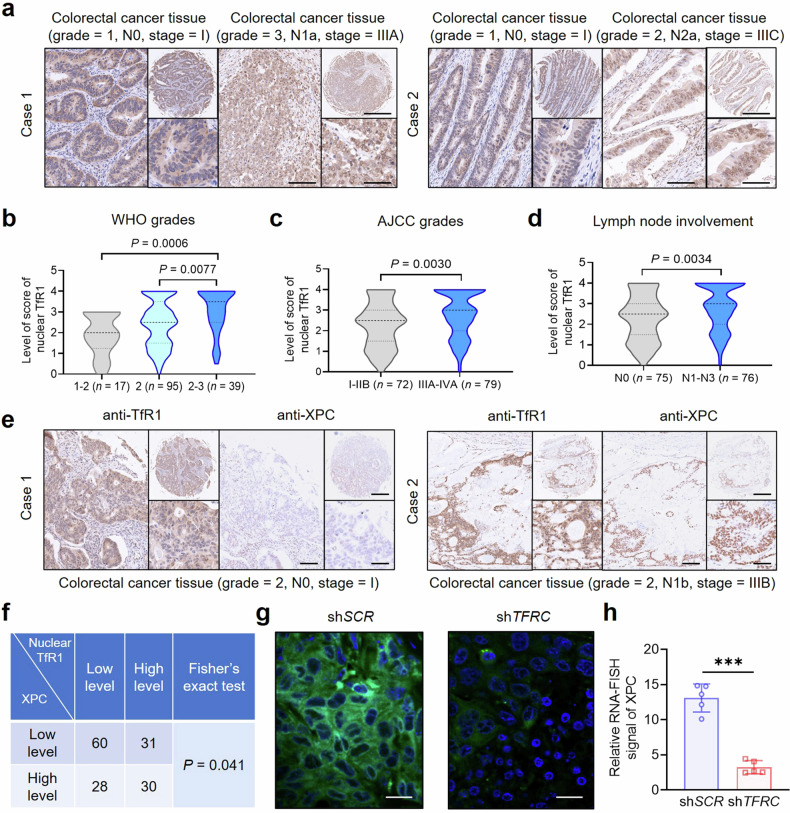
Transferrin receptor 1 (TfR1), a widely expressed type II transmembrane glycoprotein located on the plasma membrane, is well known for its established role in cellular iron uptake. Nevertheless, emerging evidence implies that TfR1 exhibits previously unrecognized noncanonical functions. Herein, we demonstrated the nuclear translocation of TfR1 and revealed the interaction between TfR1 and p53 within the nucleus. Through comprehensive analyses at the proteomic, genomic, and transcriptomic levels, we demonstrated that this interaction significantly influences the transcriptional activity of p53 on its downstream target genes, which are highly enriched in DNA damage repair functions. Specifically, our investigation revealed the indispensable role of nuclear TfR1 in the regulation of the nucleotide excision repair (NER) pathway, exemplified by the transcriptional regulation of XPC. Notably, both in vitro and in vivo results revealed a positive regulatory role of TfR1 in the NER pathway. Subsequent phenomic analysis of clinical colorectal tumor samples confirmed a positive correlation between nuclear TfR1 levels and tumor malignancy, aggressive features, and metastasis. Collectively, our findings highlight the non-classical function of TfR1, emphasizing its importance in the regulation of gene expression, as well as tumor progression.
转铁蛋白受体1(TfR1)是一种广泛表达的II型跨膜糖蛋白,位于质膜上,因其在细胞铁摄取中的既定作用而广为人知。然而,新出现的证据表明,TfR1具有以前未被认识到的非经典功能。在此,我们证明了TfR1的核转位,并揭示了TfR1与细胞核内p53之间的相互作用。通过在蛋白质组学、基因组学和转录组学水平上的综合分析,我们证明这种相互作用显著影响p53对其下游靶基因的转录活性,这些靶基因在DNA损伤修复功能中高度富集。具体而言,我们的研究揭示了核TfR1在核苷酸切除修复(NER)途径调控中的不可或缺的作用,以XPC的转录调控为例。值得注意的是,体外和体内结果均揭示了TfR1在NER途径中的正调控作用。随后对临床结直肠肿瘤样本的表型分析证实,核TfR1水平与肿瘤恶性程度、侵袭性特征和转移之间存在正相关。总的来说,我们的研究结果突出了TfR1的非经典功能,强调了其在基因表达调控以及肿瘤进展中的重要性。