Scalise Stefania, Gaeta Alessandro, Aprigliano Elio, Lucchino Valeria, Covello Raffaele, Talarico Mariagrazia, Puccio Barbara, Guzzi Pietro Hiram, Veltri Pierangelo, Gambardella Antonio, Lissner Lilian Juliana, Morano Alessandra, Cifelli Pierangelo, Alfano Veronica, Palma Eleonora, Perozziello Gerardo, Ruffolo Gabriele, Cuda Giovanni, Parrotta Elvira Immacolata
Department of Experimental and Clinical Medicine, Magna Graecia University of Catanzaro, Catanzaro, Italy.
Department of Physiology and Pharmacology, Sapienza University of Rome, Rome, Italy.
Sci Rep. 2025 Jul 10;15(1):24794. doi: 10.1038/s41598-025-09208-3.
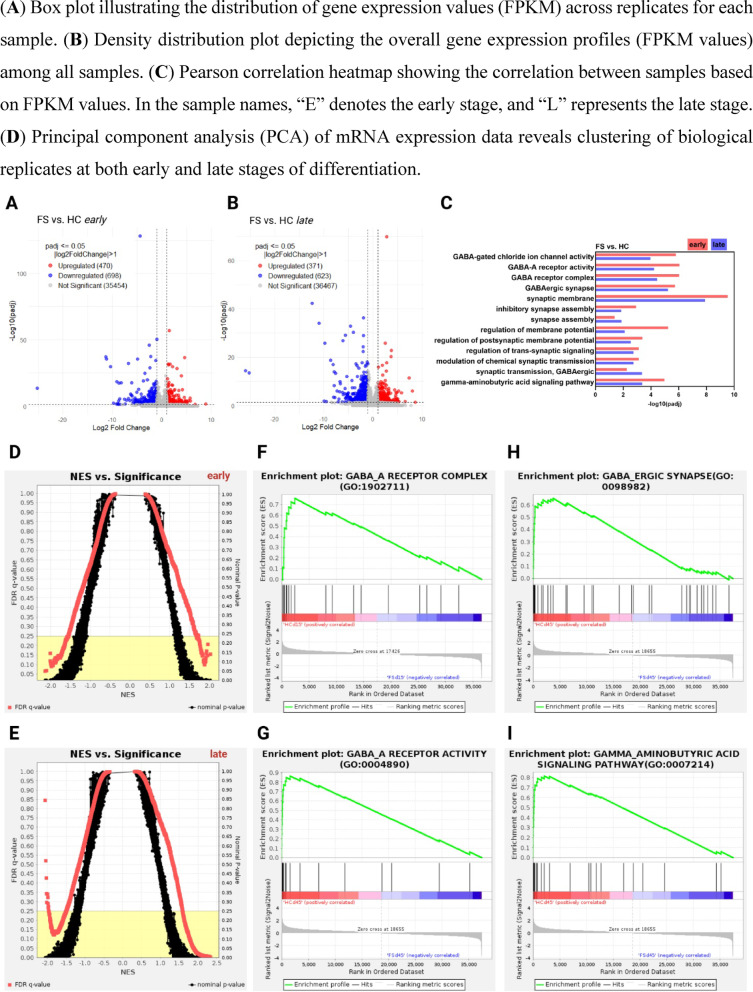
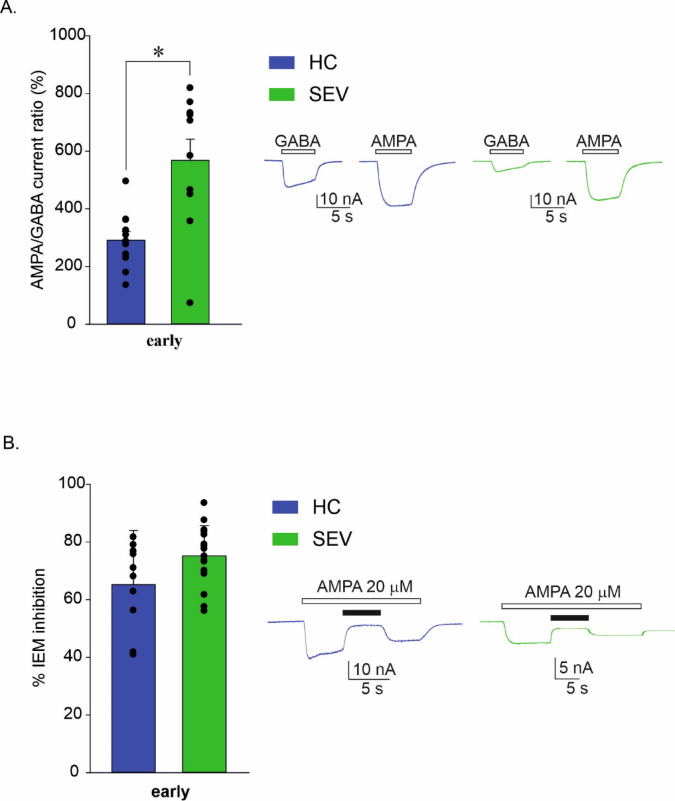
Febrile seizures (FS) are a common childhood neurological condition triggered by fever in children without prior neurological disorders. While generally benign, some individuals, particularly those with complex FS or genetic predispositions, may develop epilepsy or other neurological comorbidities. The mechanisms underlying this transition remain unclear. Mutations in SCN1A, encoding the Na1.1 sodium channel α-subunit, have been linked to several epilepsy syndromes associated with FS. This study examines phenotypic variability in individuals carrying the same SCN1A c.434T > C mutation, using induced pluripotent stem cell (iPSC)-derived neurons from two siblings with FS. Despite sharing the mutation, only the older sibling developed temporal lobe epilepsy (TLE). Transcriptomic analysis revealed downregulation of GABAergic pathway genes in both siblings' neurons, aligning with SCN1A-associated epilepsy. However, neurons from the sibling with TLE exhibited additional abnormalities, including altered AMPA receptor subunit composition, changes in GABA receptor subunits and chloride cotransporters expression, and reduced brain-derived neurotrophic factor (BDNF) levels, indicative of developmental immaturity. Voltage-clamp recordings confirmed impaired GABAergic and AMPA receptor-mediated synaptic activity. These findings suggest that combined GABAergic dysfunction, aberrant AMPA receptor composition, and reduced BDNF signaling contribute to the more severe phenotype and increased epilepsy susceptibility.
热性惊厥(FS)是儿童期常见的神经系统疾病,由无既往神经系统疾病的儿童发热引发。虽然通常为良性,但一些个体,尤其是那些患有复杂性FS或有遗传易感性的个体,可能会发展为癫痫或其他神经系统合并症。这种转变的潜在机制尚不清楚。编码Na1.1钠通道α亚基的SCN1A基因突变与几种与FS相关的癫痫综合征有关。本研究使用来自两名患有FS的兄弟姐妹的诱导多能干细胞(iPSC)衍生神经元,研究携带相同SCN1A c.434T>C突变的个体的表型变异性。尽管共享该突变,但只有年长的兄弟姐妹发展为颞叶癫痫(TLE)。转录组分析显示,两名兄弟姐妹的神经元中GABA能通路基因均下调,这与SCN1A相关癫痫一致。然而,患有TLE的兄弟姐妹的神经元表现出额外的异常,包括AMPA受体亚基组成改变、GABA受体亚基和氯化物共转运体表达变化以及脑源性神经营养因子(BDNF)水平降低,表明发育不成熟。电压钳记录证实GABA能和AMPA受体介导的突触活动受损。这些发现表明,GABA能功能障碍、AMPA受体组成异常和BDNF信号传导减少共同导致了更严重的表型和癫痫易感性增加。