Buddhacosa Nathaphon, Baez Edwin, Thevakumar Thevega, Kandare Everson, Robert Dilan
Department of Civil and Infrastructure Engineering, School of Engineering, RMIT University, Melbourne, VIC 3000, Australia.
Department of Civil Engineering, Faculty of Engineering, University of Peradeniya, Kandy 20000, Sri Lanka.
Polymers (Basel). 2025 Jun 21;17(13):1734. doi: 10.3390/polym17131734.
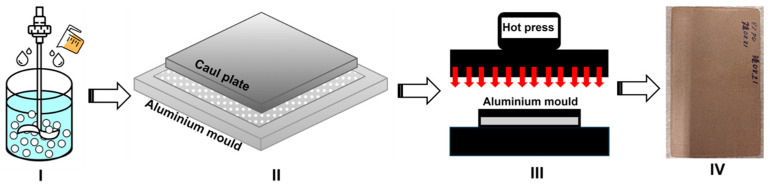
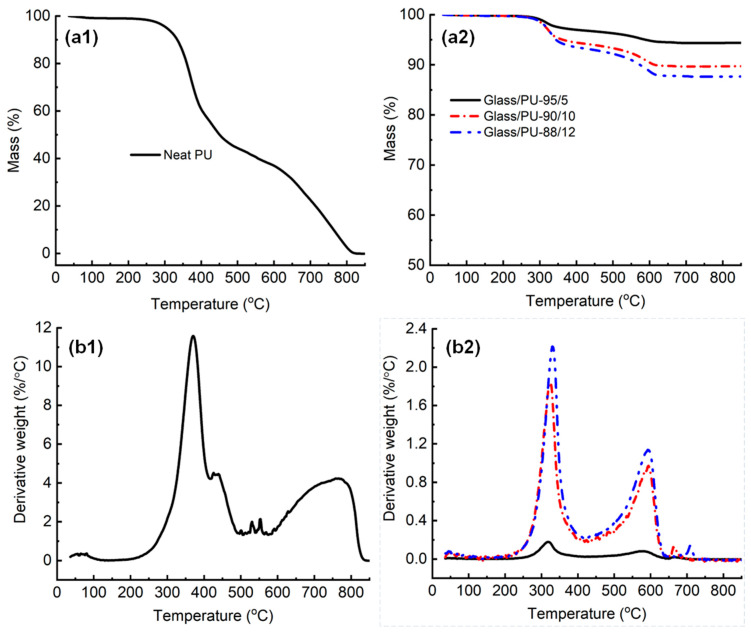
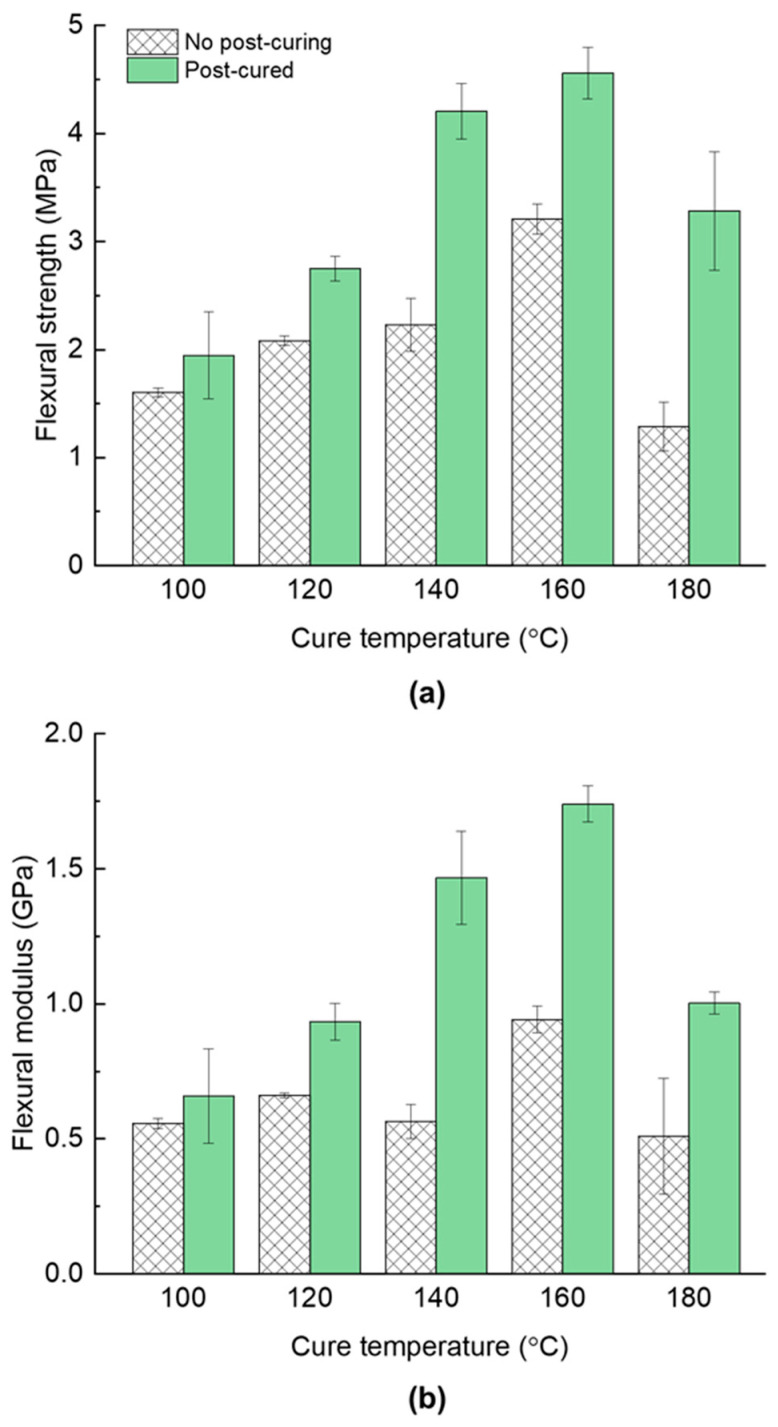
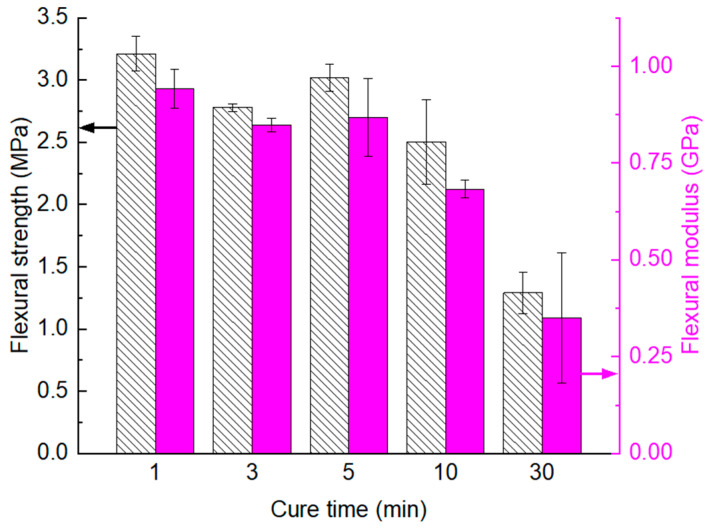
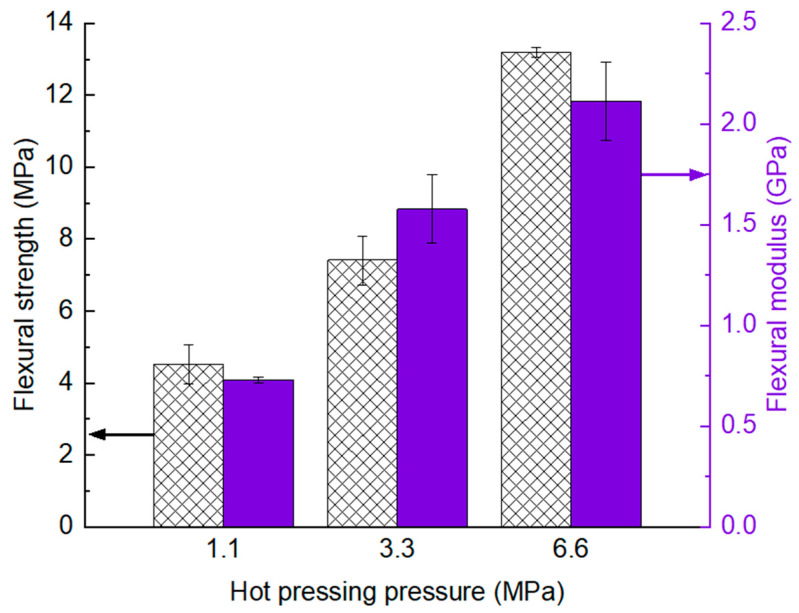
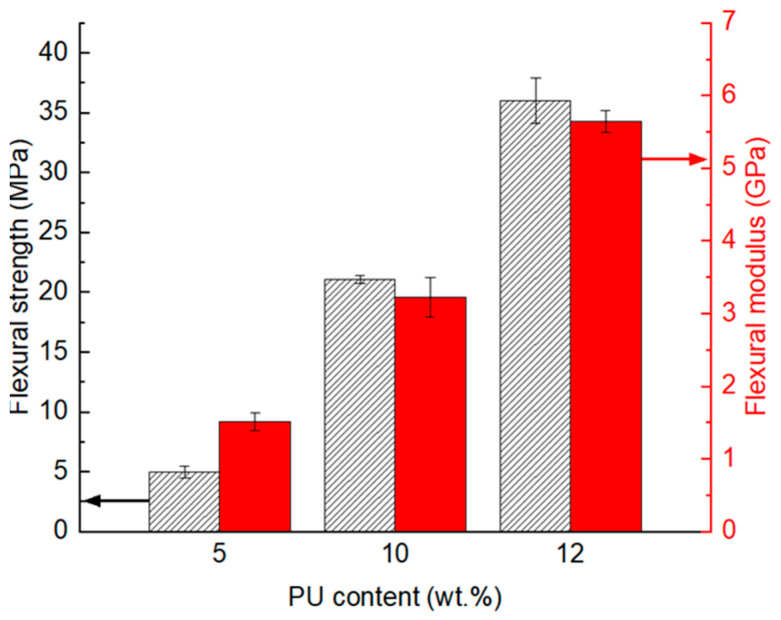
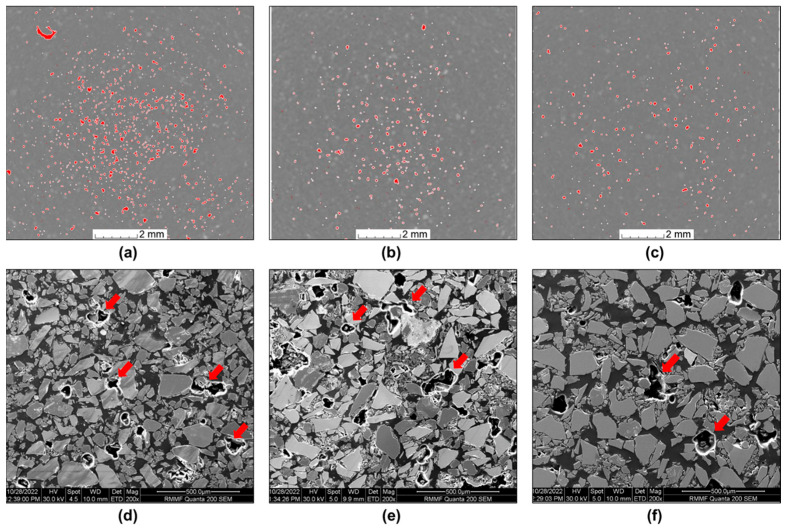
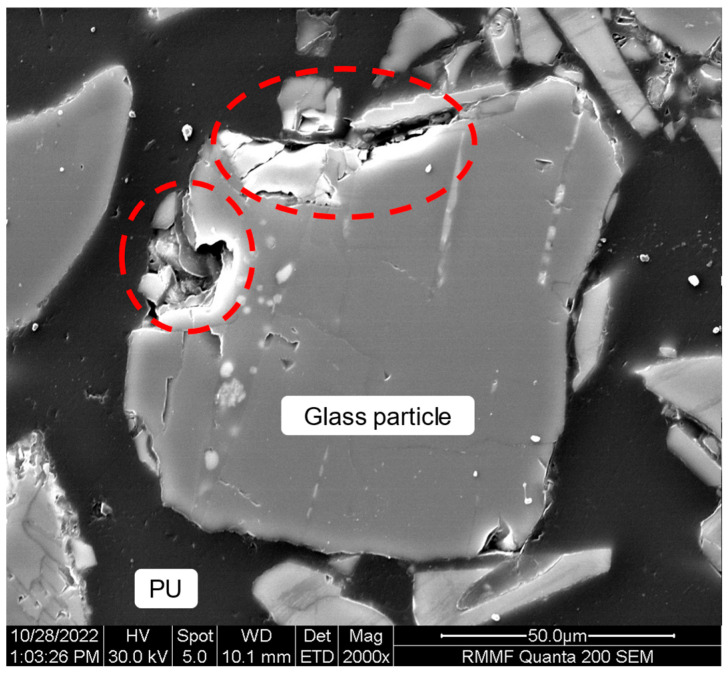
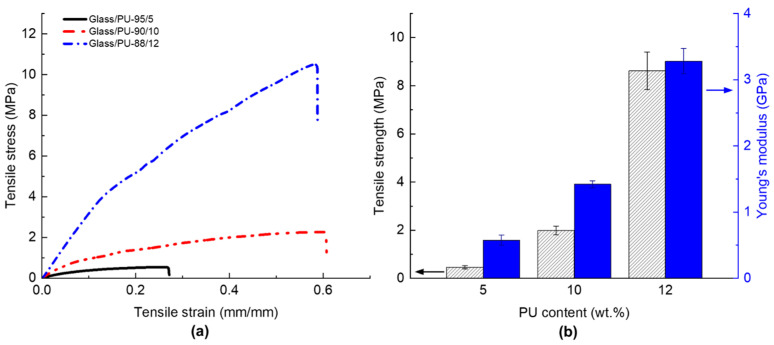
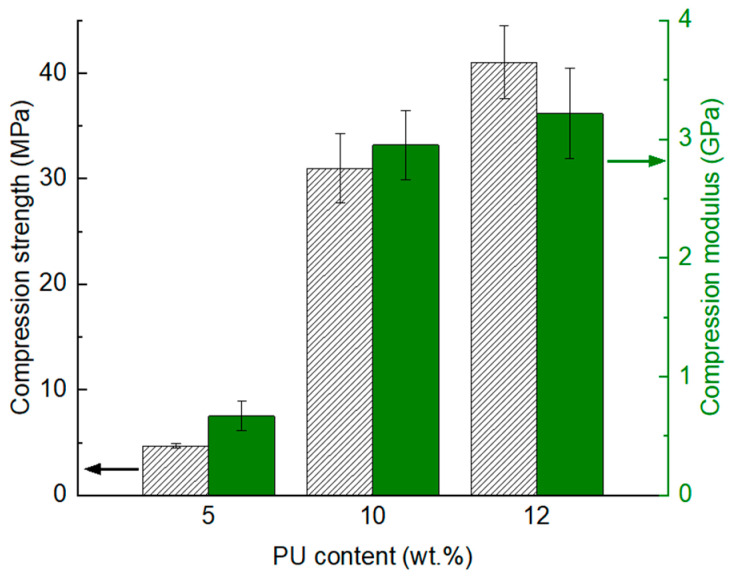
This study investigated the effect of hot-pressing conditions, including the curing temperature, curing time and the applied pressure, on the flexural properties of polyurethane (PU) composites incorporating 88 wt.% (Glass/PU-88/12) and 95 wt.% (Glass/PU-95/5) recycled glass particles. Hot-pressing (cure) temperatures between 100 °C and 180 °C were investigated with the objective to shorten the cure cycle, thereby increasing the production rate of the glass/PU composites to match industrial scales. The hot-pressing time varied between 1 min and 30 min, while the pressure varied between 1.1 MPa and 6.6 MPa. Further to investigating the hot-pressing conditions, the effect of post-curing on the flexural properties of glass/PU composites was also investigated. Microstructural analysis was used to identify the interactions between the glass particles and the PU matrix, explore the void content and establish the relationship between the microstructure and the mechanical properties of the resultant glass/PU composites. Glass/PU composites incorporating 5 wt.% (Glass/PU-95/5), 10 wt.% (Glass/PU-90/10) and 12 wt.% (Glass/PU-88/12) were manufactured under optimised hot-pressing conditions (temperature = 100 °C; cure time = 1 min; pressure = 6.6 MPa) and evaluated under flexural, tensile and compression loadings. Furthermore, the high-temperature stability of the composites was evaluated using thermogravimetric analysis. This study demonstrates the feasibility of upcycling glass waste into value-added materials for potential use in the construction and building industry.
本研究调查了热压条件(包括固化温度、固化时间和施加压力)对含有88 wt.%(玻璃/聚氨酯-88/12)和95 wt.%(玻璃/聚氨酯-95/5)回收玻璃颗粒的聚氨酯(PU)复合材料弯曲性能的影响。研究了100℃至180℃之间的热压(固化)温度,目的是缩短固化周期,从而提高玻璃/聚氨酯复合材料的生产率以匹配工业规模。热压时间在1分钟至30分钟之间变化,而压力在1.1MPa至6.6MPa之间变化。除了研究热压条件外,还研究了后固化对玻璃/聚氨酯复合材料弯曲性能的影响。采用微观结构分析来确定玻璃颗粒与聚氨酯基体之间的相互作用,探索孔隙率,并建立所得玻璃/聚氨酯复合材料的微观结构与力学性能之间的关系。含有5 wt.%(玻璃/聚氨酯-95/5)、10 wt.%(玻璃/聚氨酯-90/10)和12 wt.%(玻璃/聚氨酯-88/12)的玻璃/聚氨酯复合材料在优化的热压条件(温度 = 100℃;固化时间 = 1分钟;压力 = 6.6MPa)下制备,并在弯曲、拉伸和压缩载荷下进行评估。此外,使用热重分析评估了复合材料的高温稳定性。本研究证明了将玻璃废料升级转化为增值材料以用于建筑和建筑业的可行性。