Naef Valentina, Vecchia Stefania Della, Giacich Michela, Licitra Rosario, Bachetti Tiziana, Vargas Gabriela Coronel, Ponassi Marco, Santorelli Filippo Maria
Neurobiology and Molecular Medicine, IRCCS Fondazione Stella Maris, 56128, Pisa, Italy.
Department of Veterinary Sciences, University of Pisa, 56124, Pisa, Italy.
Sci Rep. 2025 Jul 14;15(1):25429. doi: 10.1038/s41598-025-10850-0.
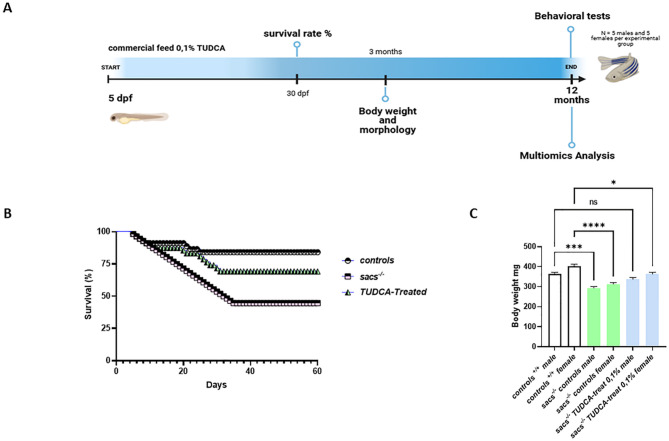
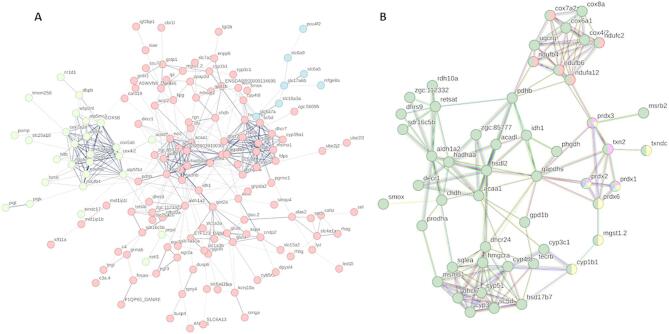
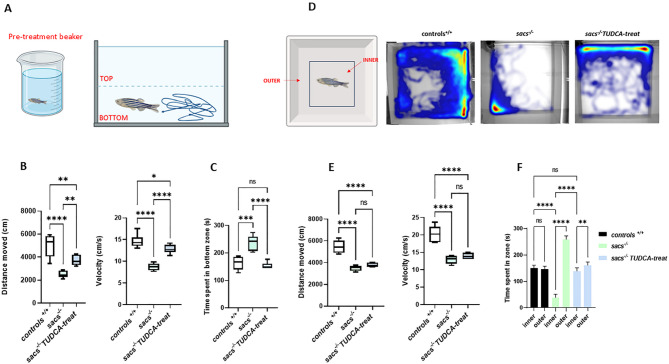
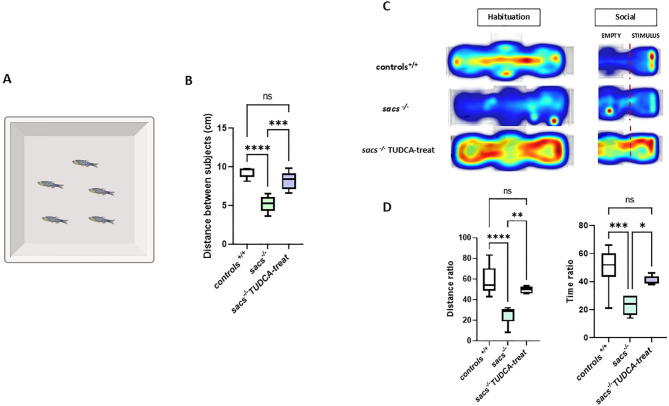
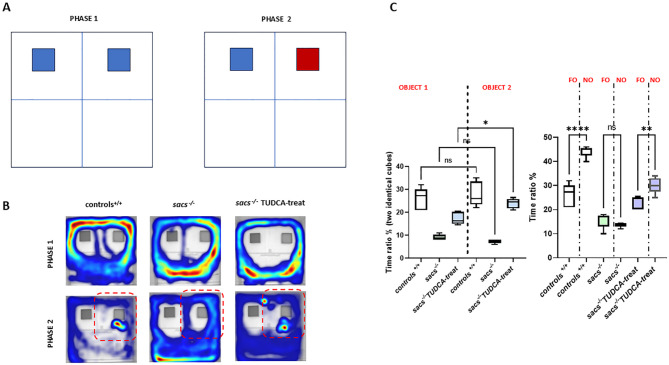
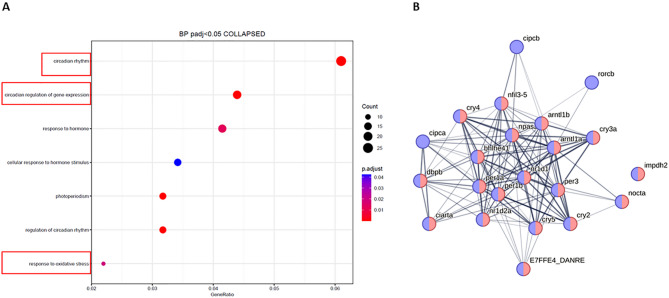
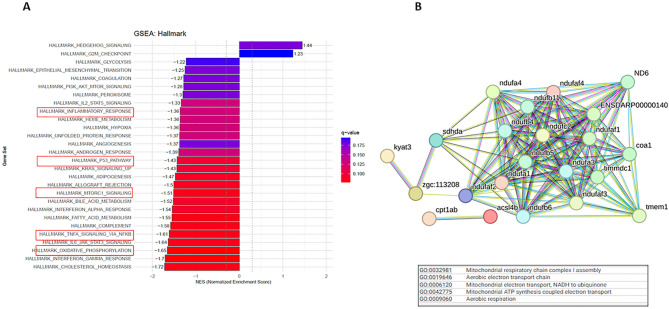
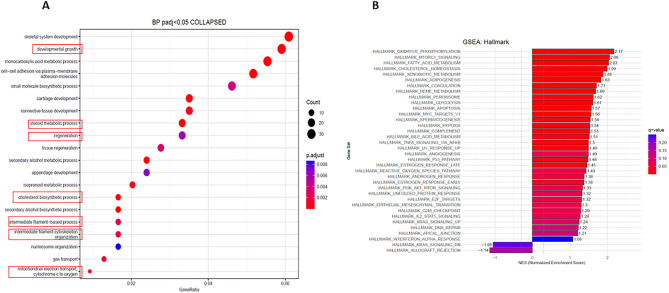
Autosomal recessive spastic ataxia of Charlevoix-Saguenay (ARSACS) is an early-onset neurodevelopmental and neurodegenerative disorder characterized by ataxia, spasticity, and peripheral neuropathy. However, several studies have highlighted that some patients also experience cognitive, emotional and social deficits, suggesting a more complex clinical picture that extends beyond motor symptoms. Building on these findings, this study aimed to: (i) investigate locomotor, social and cognitive deficits in adult sacs zebrafish versus wild-type (WT) controls through behavioural tests; (ii) identify molecular patterns associated with the adult disease phenotype using transcriptomic and proteomic analyses of sacs and WT brains; (iii) evaluate the effectiveness of long-term treatment with tauroursodeoxycholic acid (TUDCA) on behavioural outcomes and omics profiles in the zebrafish sacs model. Our findings indicate impairments in cognitive, social, and emotional behaviors in aged sacs zebrafish, which resemble some deficits observed in human patients. Transcriptomic and proteomic analyses of adult brains identified alterations in genes related to circadian rhythms and neuroinflammation. Notably, disruptions in sleep and circadian rhythms are frequently reported in individuals with cerebellar ataxia and may contribute to cognitive and behavioral changes. Long-term treatment with TUDCA, a neuroprotective molecule, was associated with partial improvements in social and cognitive behaviors and modifications in omics profiles in the zebrafish model. These results support the potential of further exploring TUDCA in future preclinical and clinical studies, while also emphasizing the need for additional investigations to better understand its mechanisms of action.
夏尔沃-萨格奈常染色体隐性痉挛性共济失调(ARSACS)是一种早发性神经发育和神经退行性疾病,其特征为共济失调、痉挛和周围神经病变。然而,多项研究强调,一些患者还存在认知、情感和社交缺陷,这表明临床情况更为复杂,不仅限于运动症状。基于这些发现,本研究旨在:(i)通过行为测试,研究成年sacs斑马鱼与野生型(WT)对照相比的运动、社交和认知缺陷;(ii)利用对sacs和WT大脑的转录组学和蛋白质组学分析,确定与成年疾病表型相关的分子模式;(iii)评估牛磺熊去氧胆酸(TUDCA)长期治疗对斑马鱼sacs模型行为结果和组学图谱的有效性。我们的研究结果表明,老年sacs斑马鱼存在认知、社交和情感行为障碍,这与在人类患者中观察到的一些缺陷相似。对成年大脑的转录组学和蛋白质组学分析确定了与昼夜节律和神经炎症相关基因的改变。值得注意的是,小脑共济失调患者经常报告睡眠和昼夜节律紊乱,这可能导致认知和行为变化。神经保护分子TUDCA的长期治疗与斑马鱼模型中社交和认知行为的部分改善以及组学图谱的改变有关。这些结果支持在未来的临床前和临床研究中进一步探索TUDCA的潜力,同时也强调需要进行更多研究以更好地了解其作用机制。