Chen Xiong-Nan, Zhu Gao-Xi, Li Yi-Xian, Hao Yi-Han, Liang Yi-Fan, Hu Chen, Sun Ying-Shuo, Peng Yun-Zhao, Li Xi, Huang Zhao, Zhang Gui-Hong, Gong Lang, Zheng Ze-Zhong
Guangdong Provincial Key Laboratory of Zoonosis Prevention and Control, College of Veterinary Medicine, South China Agricultural University, Guangzhou, China.
Research Center for African Swine Fever Prevention and Control, South China Agricultural University, Guangzhou, China.
Front Microbiol. 2025 Jun 30;16:1585335. doi: 10.3389/fmicb.2025.1585335. eCollection 2025.
The African swine fever virus (ASFV) is a highly pathogenic double-stranded DNA virus that poses a significant threat to the global swine industry. Although the CD2v protein encoded by ASFV is a key factor in viral immune evasion and pathogenicity, the mechanism underlying its interaction with host proteins remains unclear.
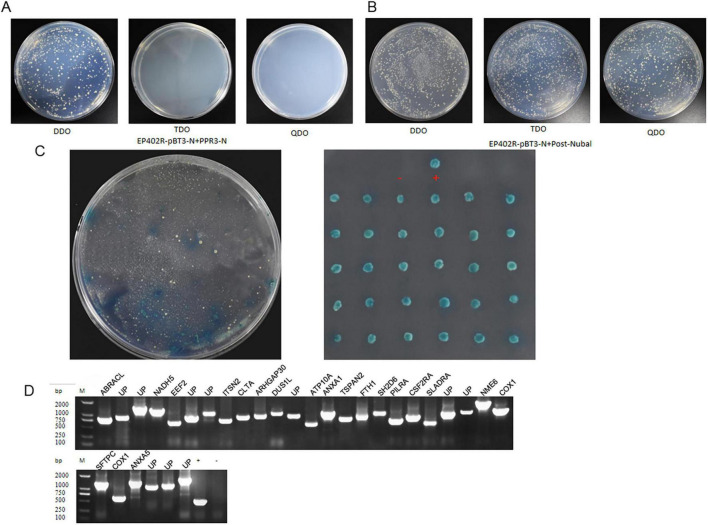
The aim of this study was to identify a range of potential host proteins that interact with the CD2v protein using the membrane yeast two-hybrid technology.
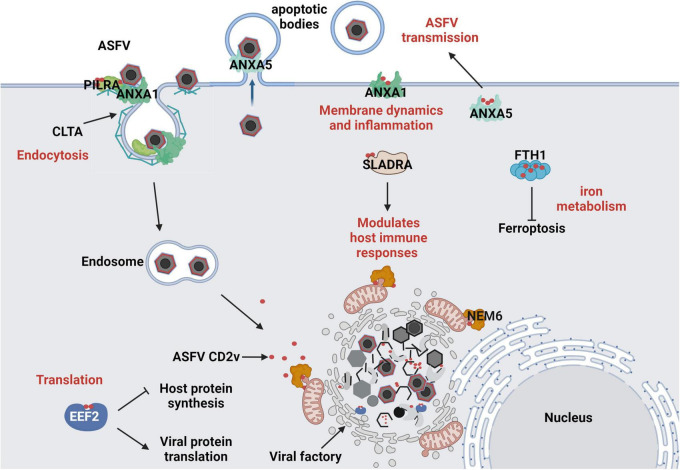
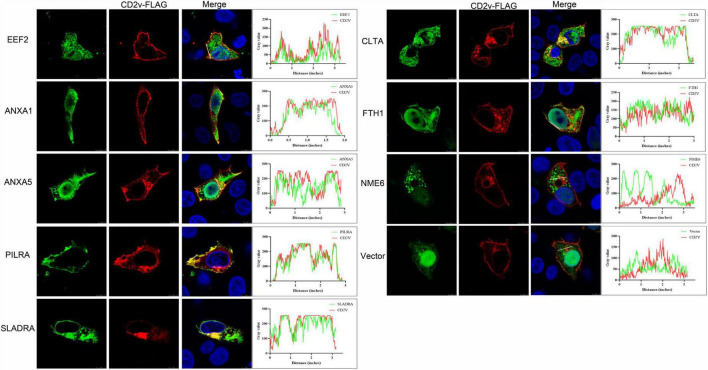
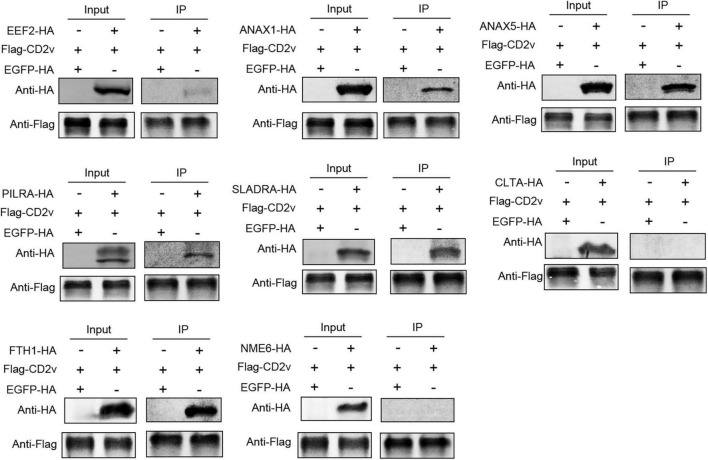
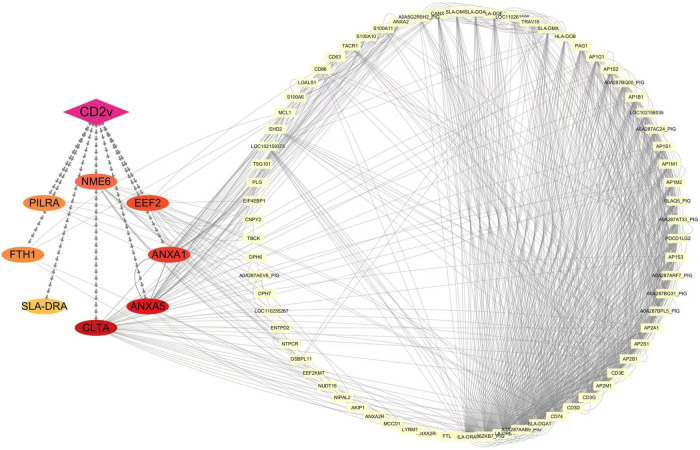
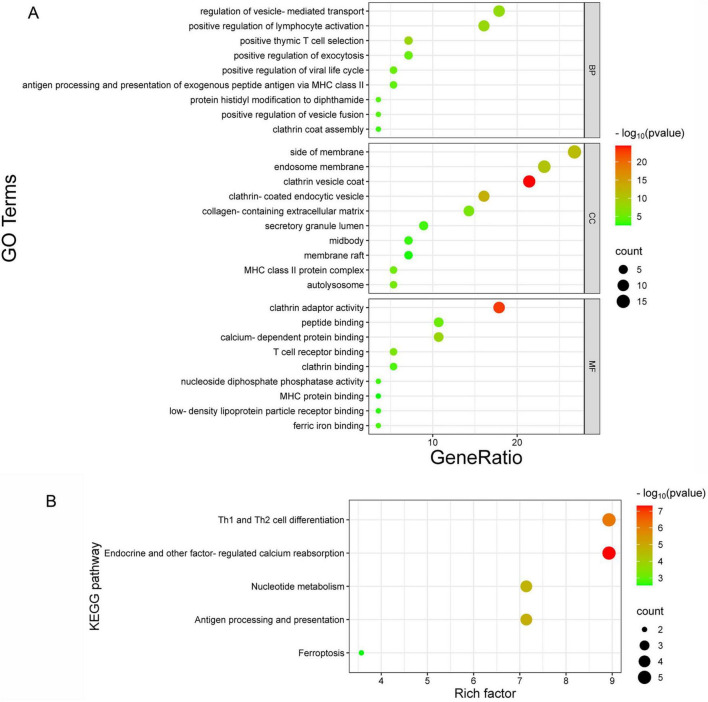
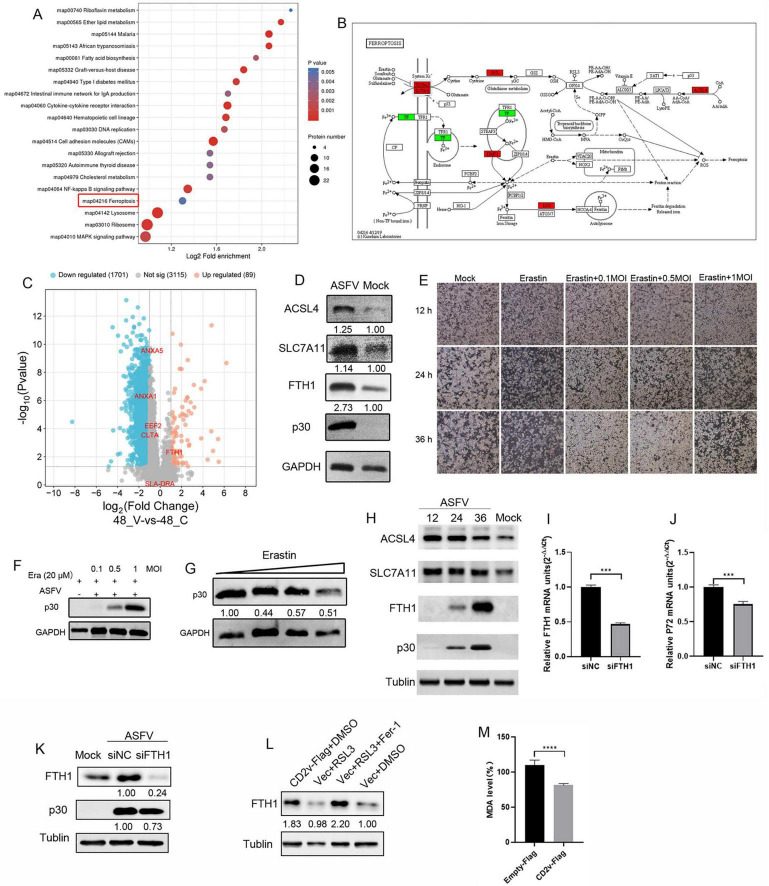
Through subsequent validation experiments and functional analyses, we discovered that these proteins are involved in critical cellular processes such as translational regulation, inflammatory responses, immune signaling, and iron metabolism. Furthermore, interaction network and functional enrichment analyses revealed that ASFV might influence host cell functions through multiple pathways to facilitate viral replication.
This study provides new insights into the pathogenic mechanisms of ASFV and offers valuable clues for identifying antiviral targets.
非洲猪瘟病毒(ASFV)是一种高致病性双链DNA病毒,对全球养猪业构成重大威胁。尽管ASFV编码的CD2v蛋白是病毒免疫逃逸和致病性的关键因素,但其与宿主蛋白相互作用的潜在机制仍不清楚。
本研究的目的是利用膜酵母双杂交技术鉴定一系列与CD2v蛋白相互作用的潜在宿主蛋白。
通过后续的验证实验和功能分析,我们发现这些蛋白参与了翻译调控、炎症反应、免疫信号传导和铁代谢等关键细胞过程。此外,相互作用网络和功能富集分析表明,ASFV可能通过多种途径影响宿主细胞功能以促进病毒复制。
本研究为ASFV的致病机制提供了新见解,并为确定抗病毒靶点提供了有价值的线索。