Zhao Yinjie, Li Zikang, Lu Weiqun
National Demonstration Center for Experimental Fisheries Science Education (Shanghai Ocean University), Shanghai, 201306, China; International Research Center for Marine Biosciences (Shanghai Ocean University), Ministry of Science and Technology, Shanghai, 201306, China; Key Laboratory of Exploration and Utilization of Aquatic Genetic Resources (Shanghai Ocean University), Ministry of Education, Shanghai, 201306, China.
National Demonstration Center for Experimental Fisheries Science Education (Shanghai Ocean University), Shanghai, 201306, China; International Research Center for Marine Biosciences (Shanghai Ocean University), Ministry of Science and Technology, Shanghai, 201306, China; Key Laboratory of Exploration and Utilization of Aquatic Genetic Resources (Shanghai Ocean University), Ministry of Education, Shanghai, 201306, China.
Redox Biol. 2025 Jul 12;85:103763. doi: 10.1016/j.redox.2025.103763.
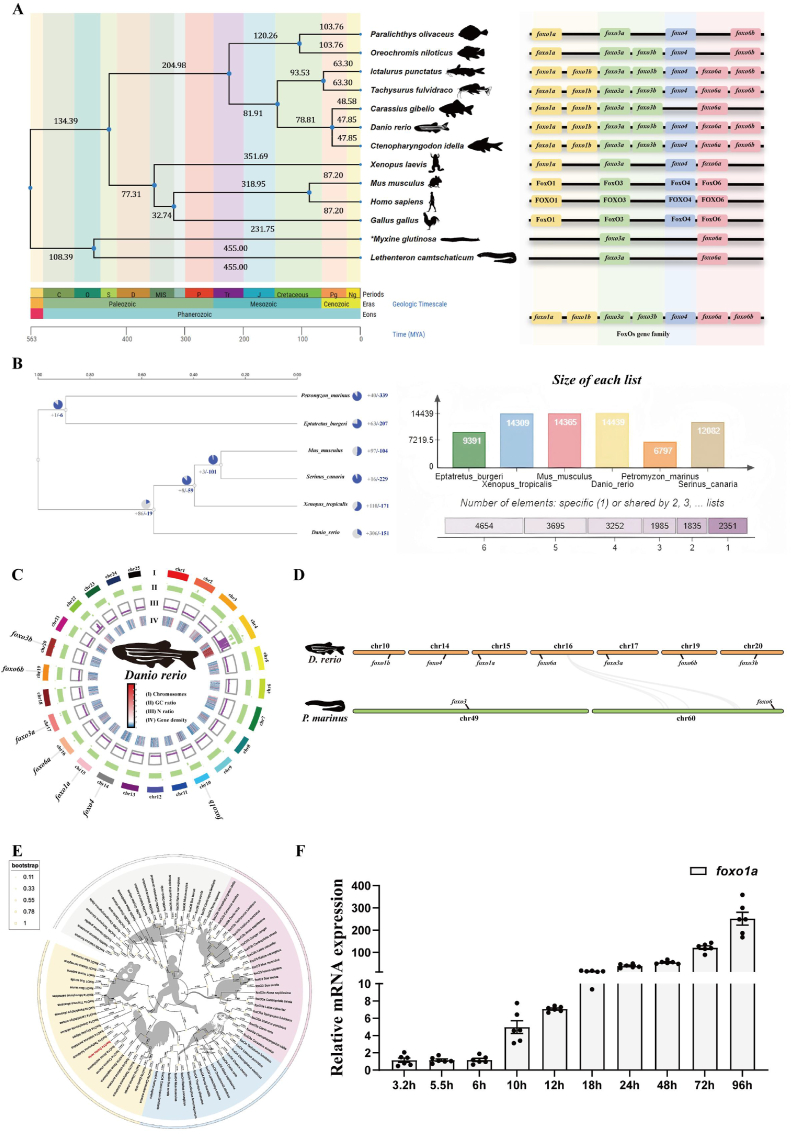
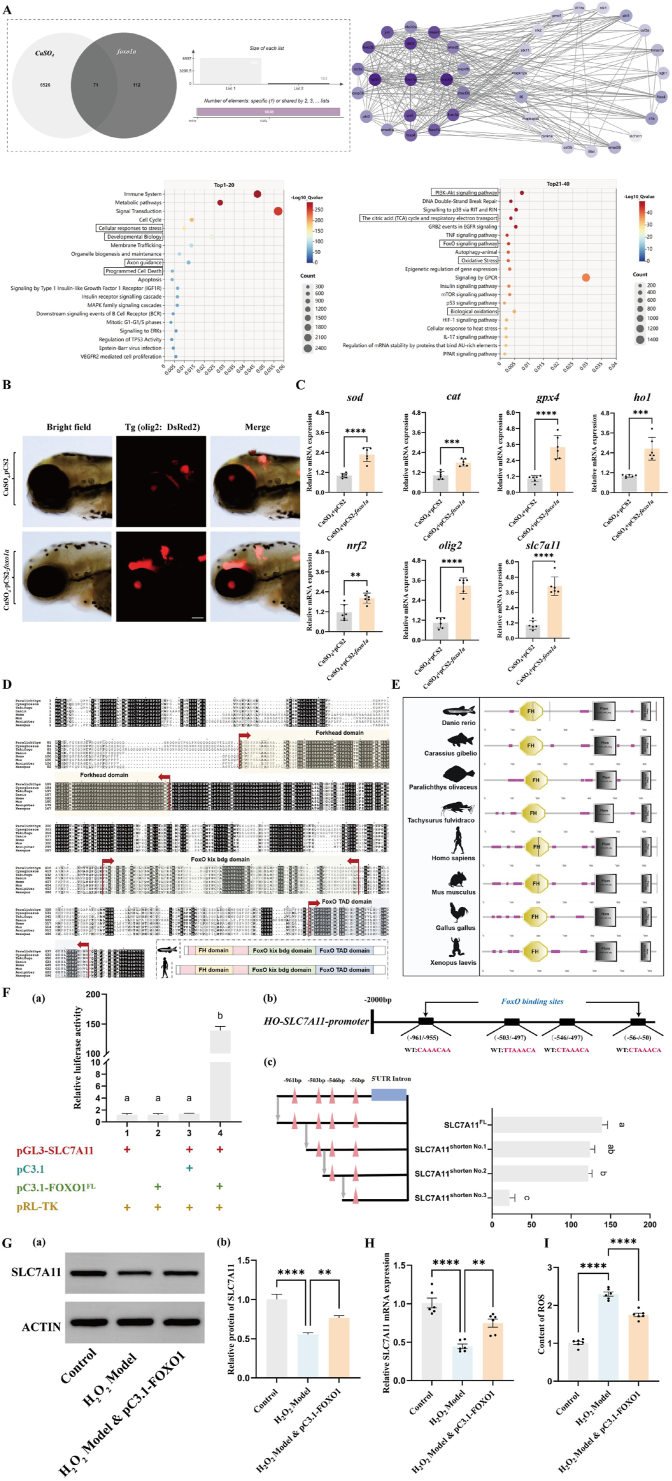
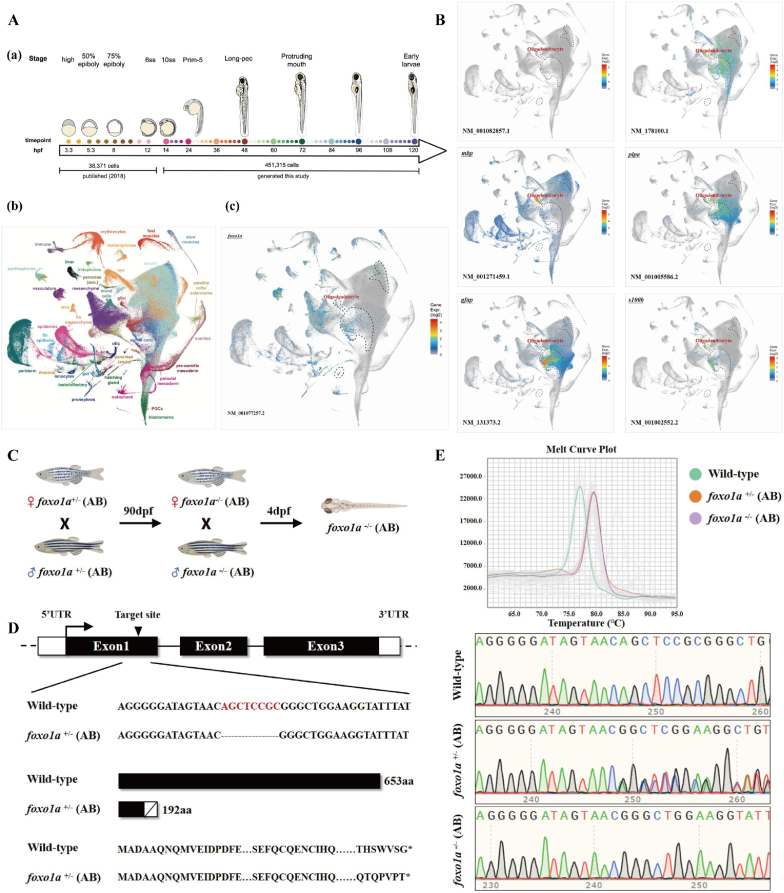
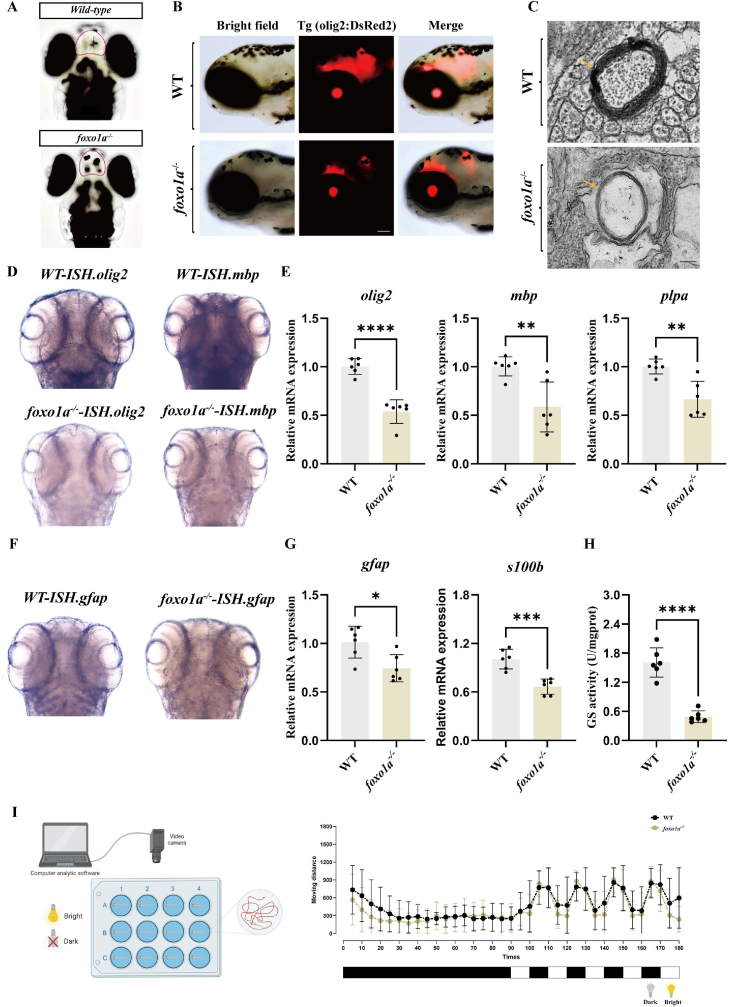
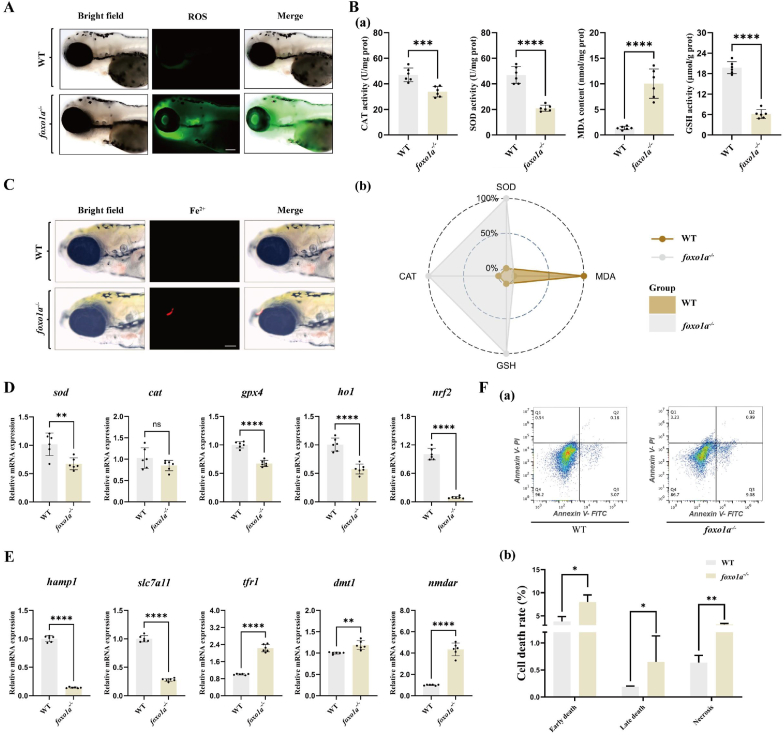
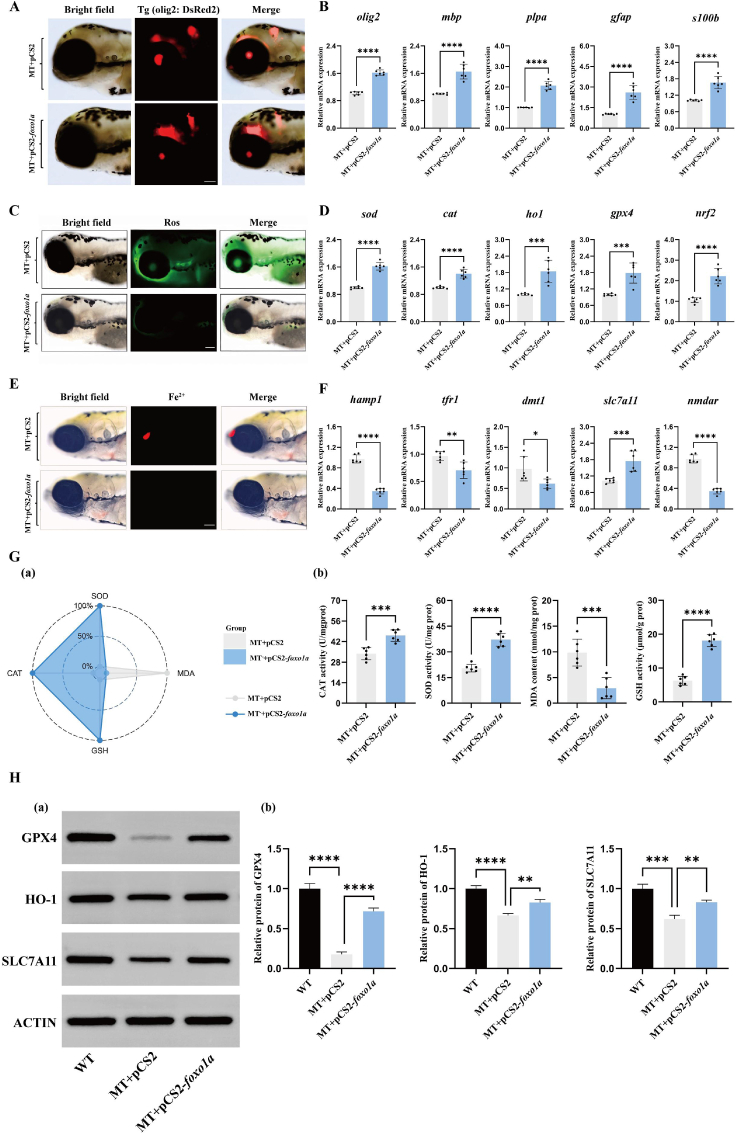
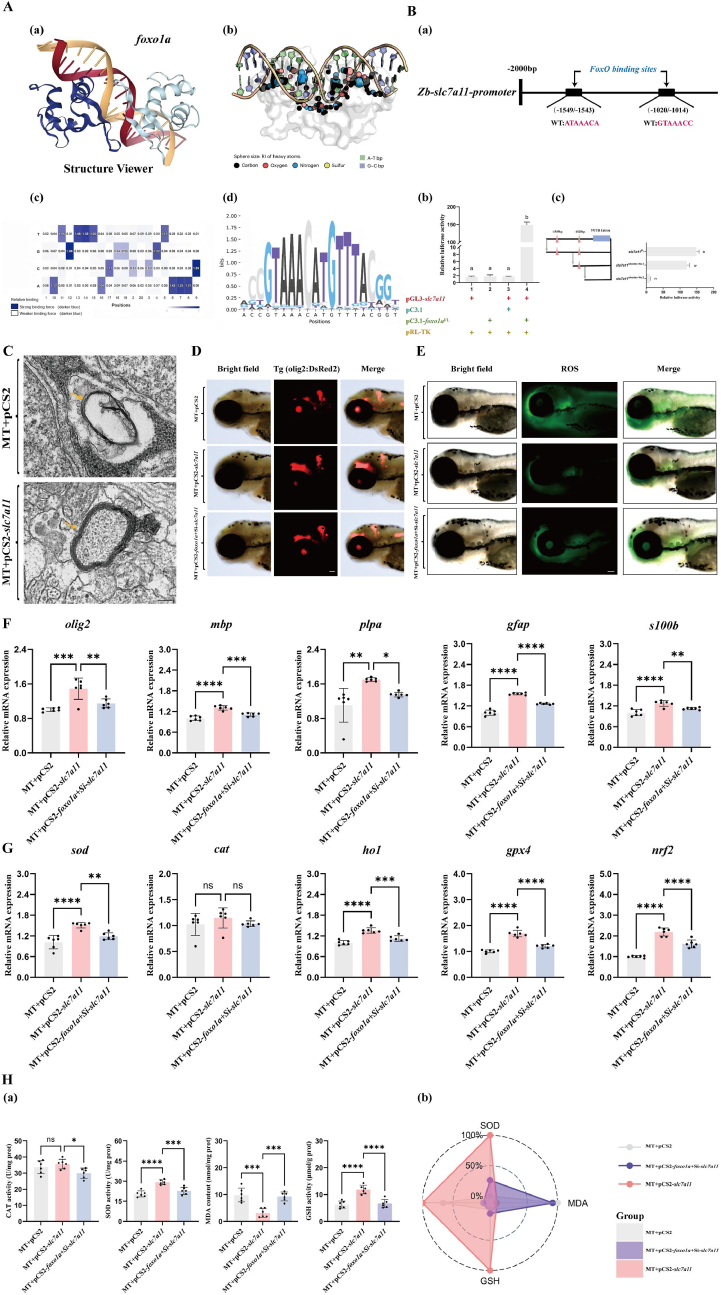
The emergence of myelin marks an evolutionary leap from jawless to jawed vertebrates. Although myelin's role in promoting rapid neural signal transmission and brain complexity is known, its neuroprotective mechanisms in complex signal transmission remain unclear. This study identifies the critical FoxO gene family member, foxo1a, as essential to the evolution of jawed vertebrates by comparing divergence times and gene family heterogeneity between jawless and jawed vertebrates. We found that foxo1a is located in zebrafish oligodendrocytes and myelin, playing a key antioxidant protective role. Specifically, we found that knocking out the foxo1a gene leads to abnormal myelin development in the central nervous system of zebrafish, a reduction in oligodendrocytes, astrocytes, and myelin markers, and induces freezing behavior. Further research revealed that this is related to oxidative stress responses and ferroptosis in the central nervous system of zebrafish following the deficiency of the foxo1a gene. Mechanistically, we discovered that foxo1a is involved in regulating oxidative stress responses and iron homeostasis in the central nervous system by directly regulating the promoter activity of the slc7a11 gene. In terms of application, we found that exogenous supplementation of foxo1a can exert antioxidant protective effects in a copper sulfate-induced myelin damage model. More importantly, we found a parallelism of the foxo1a-slc7a11 axis in both zebrafish and human cells, suggesting that the foxo1a-slc7a11 axis might be an evolutionarily conserved neural defense strategy in jawed vertebrates. In conclusion, our study elucidates the critical role of foxo1a in maintaining antioxidant homeostasis in the central nervous system and provides new insights into the adaptive evolution of the central nervous system in jawed vertebrates.
髓磷脂的出现标志着从无颌脊椎动物到有颌脊椎动物的进化飞跃。尽管髓磷脂在促进快速神经信号传递和大脑复杂性方面的作用已为人所知,但其在复杂信号传递中的神经保护机制仍不清楚。本研究通过比较无颌和有颌脊椎动物之间的分歧时间和基因家族异质性,确定关键的FoxO基因家族成员foxo1a对有颌脊椎动物的进化至关重要。我们发现foxo1a位于斑马鱼少突胶质细胞和髓磷脂中,发挥关键的抗氧化保护作用。具体而言,我们发现敲除foxo1a基因会导致斑马鱼中枢神经系统中髓磷脂发育异常、少突胶质细胞、星形胶质细胞和髓磷脂标志物减少,并诱导僵住行为。进一步研究表明,这与foxo1a基因缺陷后斑马鱼中枢神经系统中的氧化应激反应和铁死亡有关。从机制上讲,我们发现foxo1a通过直接调节slc7a11基因的启动子活性参与调节中枢神经系统中的氧化应激反应和铁稳态。在应用方面,我们发现外源性补充foxo1a在硫酸铜诱导的髓磷脂损伤模型中可发挥抗氧化保护作用。更重要的是,我们在斑马鱼和人类细胞中都发现了foxo1a-slc7a11轴的平行性,这表明foxo1a-slc7a11轴可能是有颌脊椎动物中一种进化保守的神经防御策略。总之,我们的研究阐明了foxo1a在维持中枢神经系统抗氧化稳态中的关键作用,并为有颌脊椎动物中枢神经系统的适应性进化提供了新的见解。