De Battista Nadine Anne, Gatt Miriam, Khashu Minesh
Department of Child and Adolescent Health, Mater Dei Hospital, Imsida, Malta.
Directorate for Health Information and Research, Malta Congenital Anomalies Registry (MCAR), Guardamangia, Malta.
Front Public Health. 2025 Jul 2;13:1514661. doi: 10.3389/fpubh.2025.1514661. eCollection 2025.
Perinatal and neonatal mortality rates are quality indicators of antenatal, neonatal and postnatal care. This study describes perinatal outcomes for Malta over the 15 year period 2008-2022 to inform future practice and healthcare provision.
Aggregate anonymous data on perinatal outcomes from 2008 to 2022 were obtained from the National Obstetric Information System (NOIS), Directorate for Health Information and Research (DHIR). Data for each variable was grouped into three 5-year intervals (2008-2012, 2013-2017 and 2018-2022) to investigate trends over time.
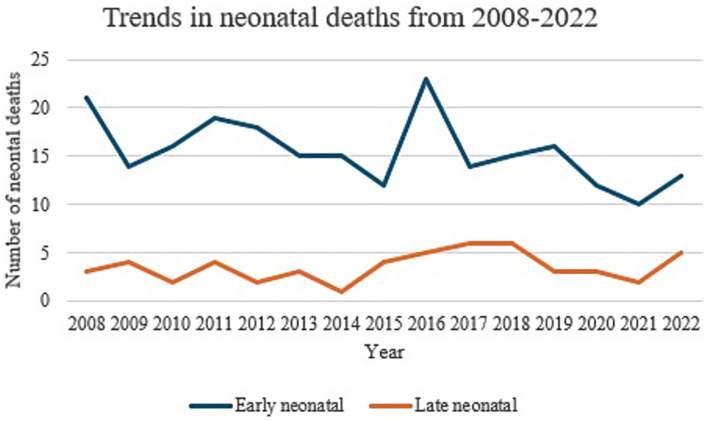
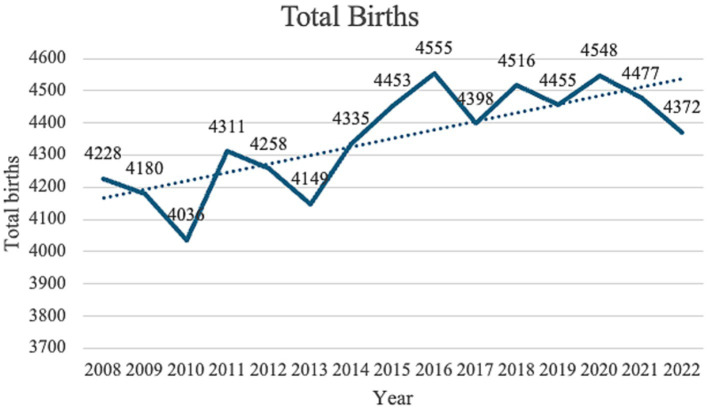
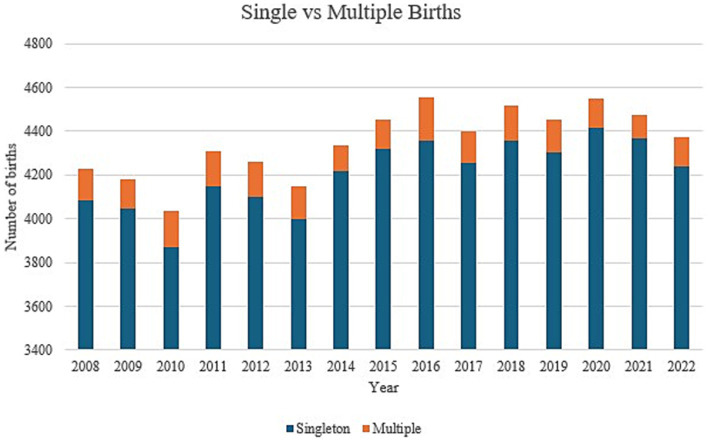
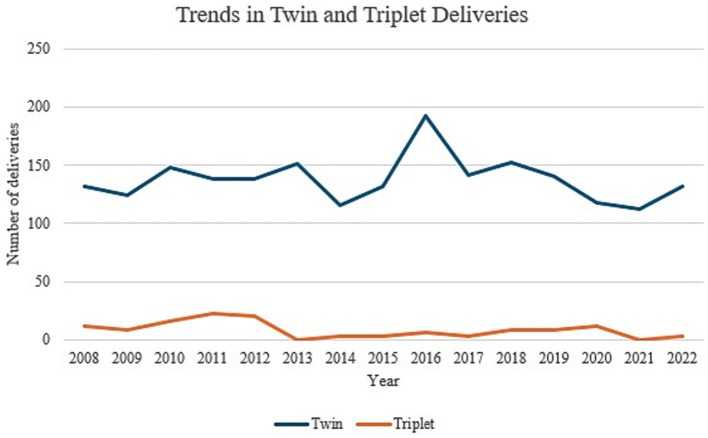
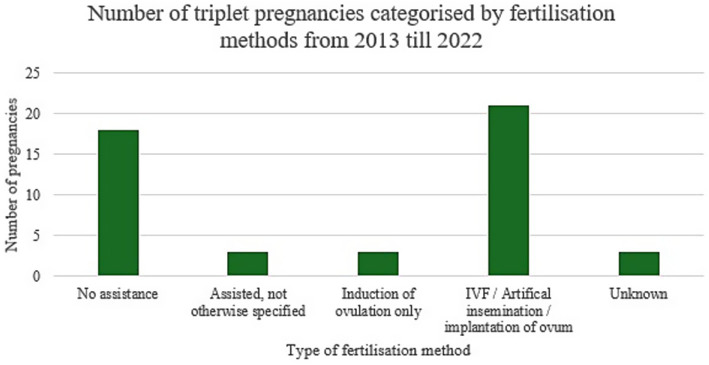
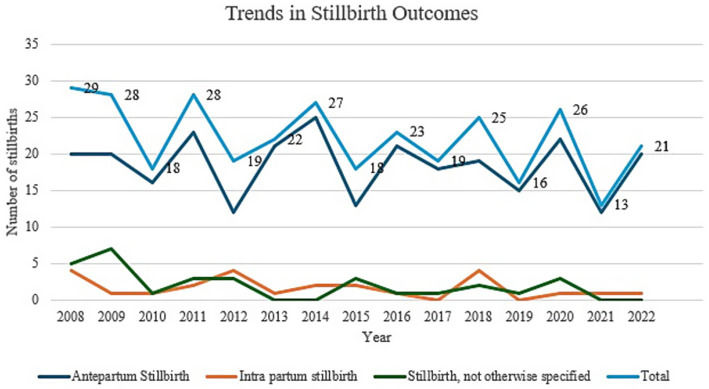
Total births increased over time (-value 0.008), mainly driven by singleton pregnancies (-value 0.004), while multiple pregnancies remained stable. Live births increased (-value 0.008), however, there was no statistically significant difference in stillbirth rate. There were no statistically significant changes in post-term, preterm or low birthweight deliveries (-value 0.73). The neonatal mortality rate showed a downward trend from 4.92 per 1,000 live births for the years 2008-2012 to 3.92 per 1,000 births for the 2018-2022 epoch, but this could not be statistically confirmed. Data for ART pregnancies was only available as of 2013, analysis of which showed a significant increase in trend over the years with a -value of <0.05.
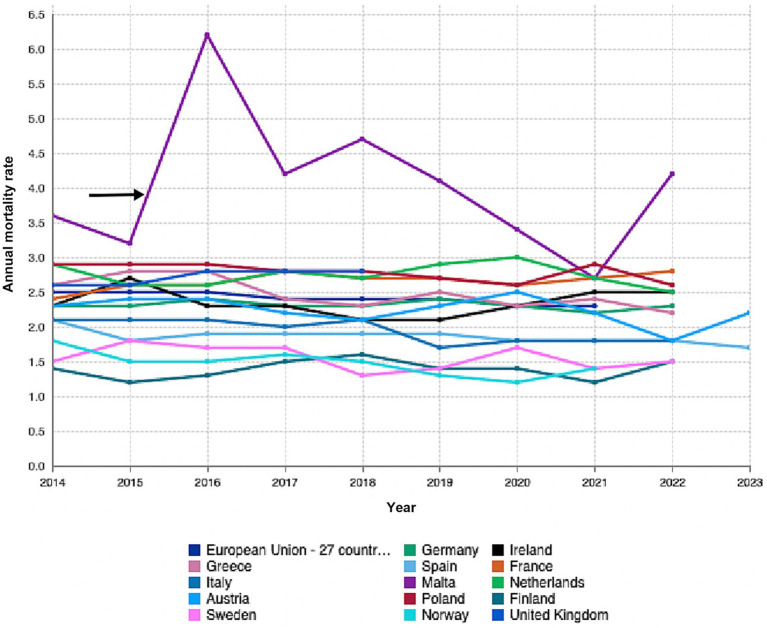
This study's findings highlight important public health implications for Malta and the world. The stable rates of preterm and low birth weight, and the decline in stillbirths, suggest improvements in maternal and infant health. However, Malta still lags behind the rest of Europe. This along with the overall increase in the number of births, may be attributed to the growing number of immigrants within the pregnant population, who have specific healthcare needs which need specific attention. These results can help inform public health policies and improve maternity and neonatal services in Malta and regions with similarly increasing immigrant populations.
围产期和新生儿死亡率是产前、新生儿和产后护理的质量指标。本研究描述了2008年至2022年这15年间马耳他的围产期结局,以为未来的实践和医疗保健提供提供参考。
从卫生信息与研究局(DHIR)的国家产科信息系统(NOIS)获取了2008年至2022年围产期结局的汇总匿名数据。每个变量的数据被分为三个5年区间(2008 - 2012年、2013 - 2017年和2018 - 2022年),以研究随时间的趋势。
总出生数随时间增加(p值0.008),主要由单胎妊娠推动(p值0.004),而多胎妊娠保持稳定。活产数增加(p值0.008),然而,死产率没有统计学上的显著差异。过期产、早产或低体重儿分娩没有统计学上的显著变化(p值0.73)。新生儿死亡率呈下降趋势,从2008 - 2012年的每1000例活产4.92例降至2018 - 2022年期间的每1000例出生3.92例,但这无法得到统计学证实。辅助生殖技术(ART)妊娠的数据仅从2013年起可用,对其分析显示多年来趋势有显著增加,p值<0.05。
本研究结果凸显了对马耳他乃至全球的重要公共卫生意义。早产和低体重率稳定,死产率下降,表明母婴健康有所改善。然而,马耳他仍落后于欧洲其他地区。这与出生总数的总体增加一起,可能归因于孕妇群体中移民数量的增加,他们有特定的医疗保健需求,需要特别关注。这些结果有助于为公共卫生政策提供参考,并改善马耳他以及移民人口同样增加的地区的孕产妇和新生儿服务。