Ekeanyanwu Chukwuma Raphael, Chikezie Paul Chidoka, Ekeanyanwu Chidinma Lynda
Department of Biochemistry, Imo State University, Owerri City, Imo State, Nigeria.
School of Sciences, Coventry University, Alison Gingell Building, Room AG2.24, 20 Whitefriars Street, Coventry, England CV1 2DS, United Kingdom.
Parasite Epidemiol Control. 2025 Jun 26;30:e00443. doi: 10.1016/j.parepi.2025.e00443. eCollection 2025 Aug.
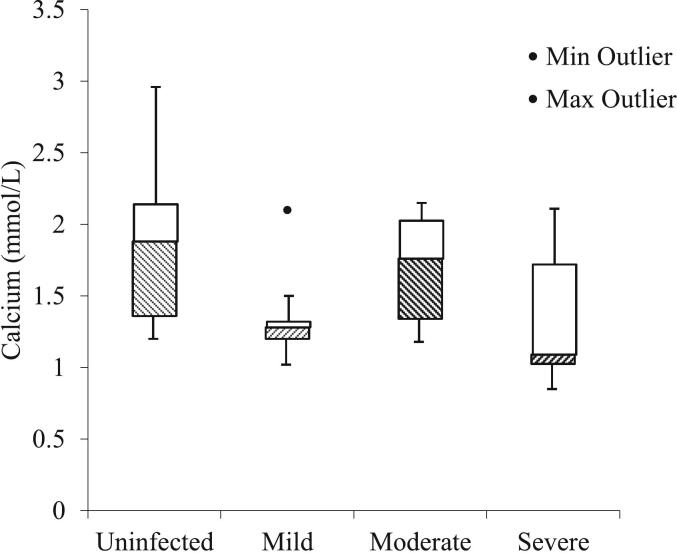
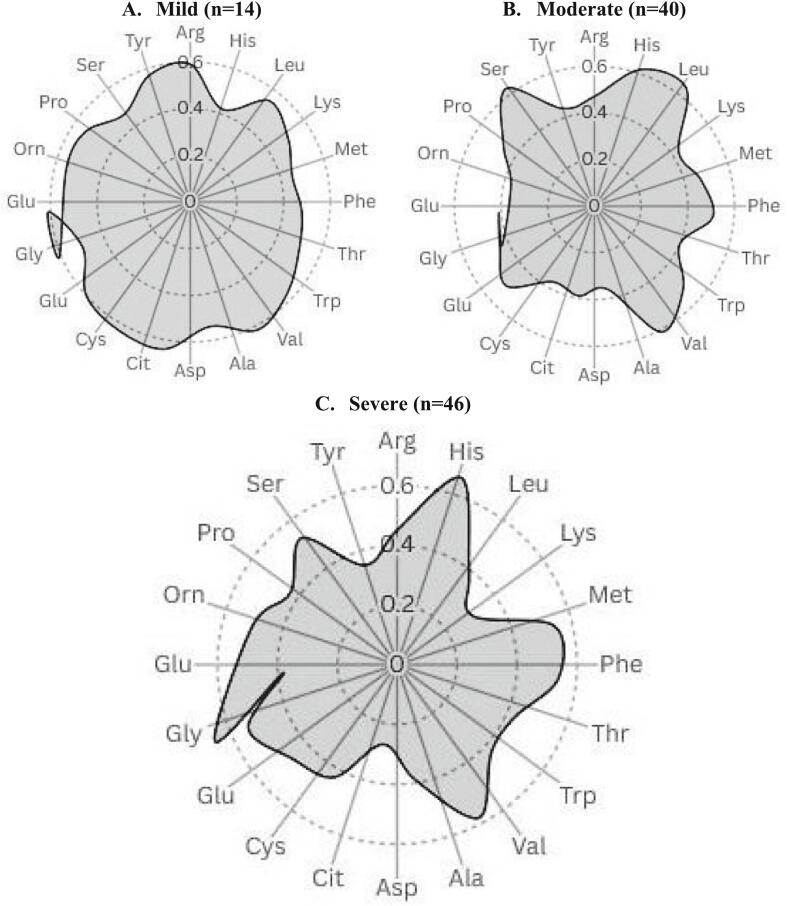
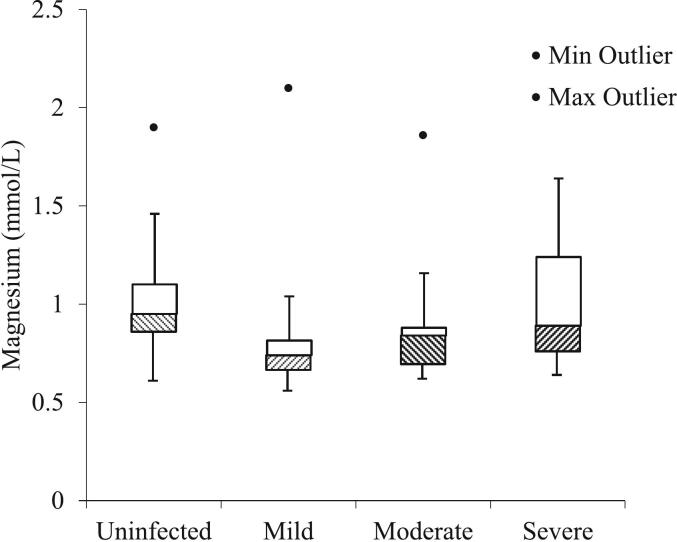
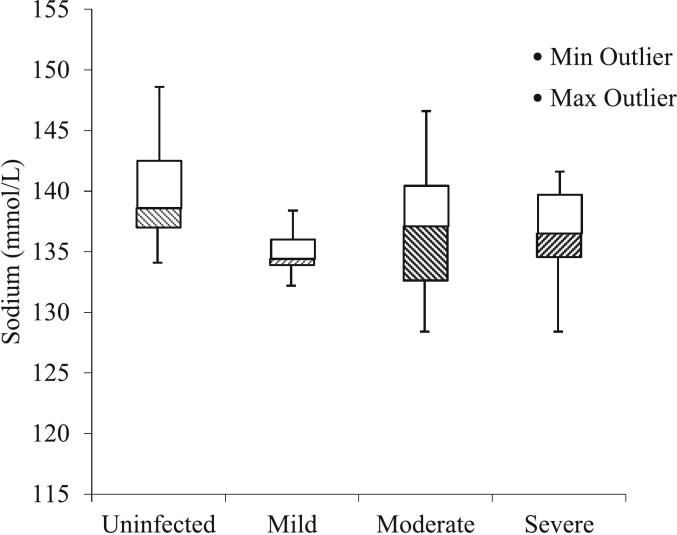
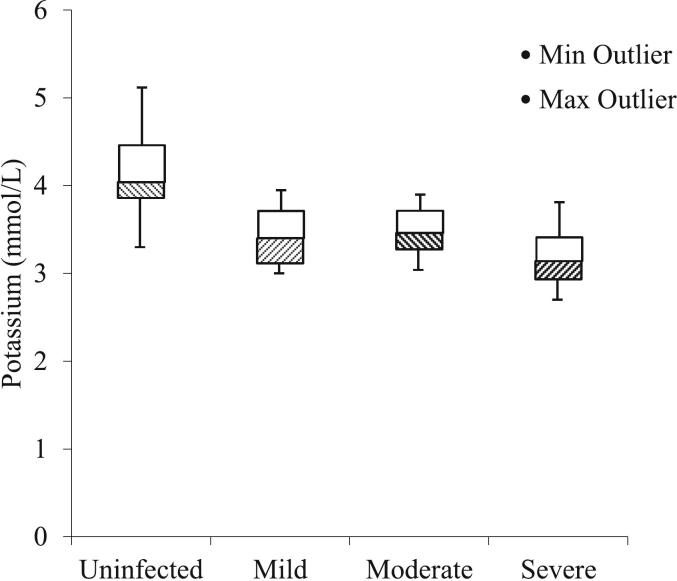
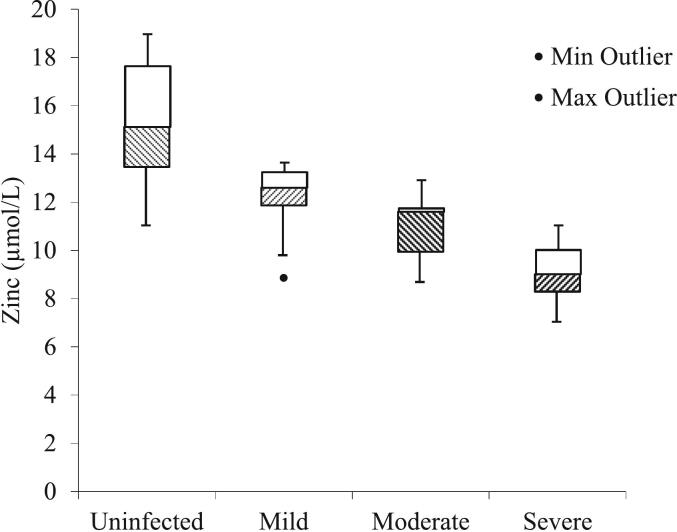
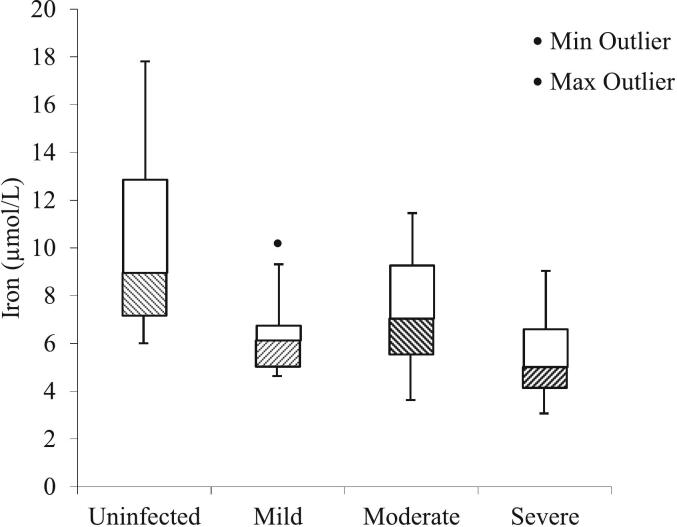
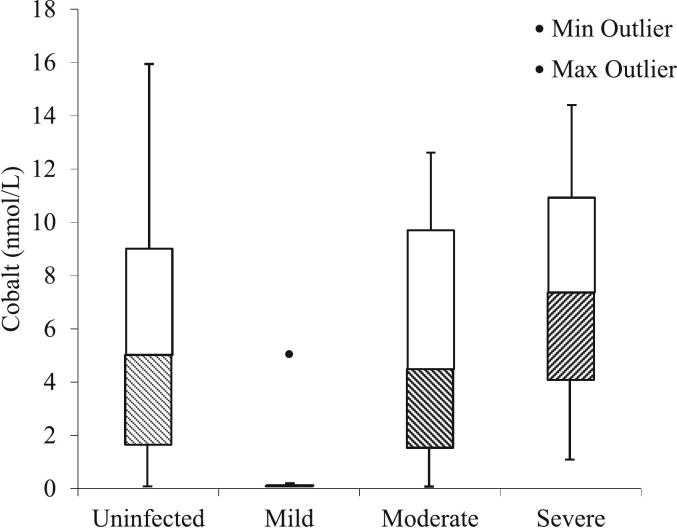
Malaria remains a significant global health burden, particularly in regions like Nigeria. This study investigated the impact of malaria infection on plasma amino acid and micronutrient levels in a Nigerian population. A cross-sectional study was conducted on 200 participants, including malarious and healthy controls. Plasma levels of amino acids and selected micronutrients (Ca, Mg, Na, K, Zn, Fe, Co) were measured using HPLC and ICP-MS, respectively. Results revealed significant alterations ( < 0.01) in plasma amino acid profiles (except histidine and proline) with increasing malaria severity. Essential amino acids including branched-chain amino acids like leucine and valine were depleted, indicating metabolic disruptions in the diseases. Aromatic and immune-related amino acids (arginine, tyrosine, tryptophan, glutamine, methionine, and cysteine) were reduced significantly ( < 0.01) compared to the uninfected groups. Additionally, malarious individuals exhibited significant deficiencies in several micronutrients, including calcium, sodium, zinc, and iron ( < 0.01). Malaria infection induces a complex metabolic response, leading to nutrient imbalances that may contribute to disease severity. Further research is warranted to explore the potential of targeted nutritional interventions to improve patient outcomes.
疟疾仍然是一项重大的全球健康负担,在尼日利亚等地区尤为如此。本研究调查了疟疾感染对尼日利亚人群血浆氨基酸和微量营养素水平的影响。对200名参与者进行了一项横断面研究,包括疟疾患者和健康对照。分别使用高效液相色谱法(HPLC)和电感耦合等离子体质谱法(ICP-MS)测量血浆氨基酸和选定微量营养素(钙、镁、钠、钾、锌、铁、钴)的水平。结果显示,随着疟疾严重程度的增加,血浆氨基酸谱(组氨酸和脯氨酸除外)出现显著变化(<0.01)。包括亮氨酸和缬氨酸等支链氨基酸在内的必需氨基酸减少,表明疾病存在代谢紊乱。与未感染组相比,芳香族和免疫相关氨基酸(精氨酸、酪氨酸、色氨酸、谷氨酰胺、蛋氨酸和半胱氨酸)显著减少(<0.01)。此外,疟疾患者在几种微量营养素方面存在显著缺乏,包括钙、钠、锌和铁(<0.01)。疟疾感染引发复杂的代谢反应,导致营养失衡,这可能会加重疾病的严重程度。有必要进一步研究探索针对性营养干预改善患者预后的潜力。