Ikezu Tsuneya, Bodart-Santos Victor, Ravula Arun Reddy, You Yang, Abdullah Mohammad, Ruan Zhi, Ellison Justice, Radhakishun Stephanie, Ray Nibedita Basu, Melvin Bridgette, Kurti Aishe, Liang Zhewei, Sakai Yuta, O'Brien Daniel, Nguyen Son, Shaffer Scott, Fiddes Lindsey, Butovsky Oleg, Springer Wolfdieter, Ikezu Seiko
Mayo Clinic Florida.
Mayo Clinic.
Res Sq. 2025 Jun 23:rs.3.rs-6771517. doi: 10.21203/rs.3.rs-6771517/v1.
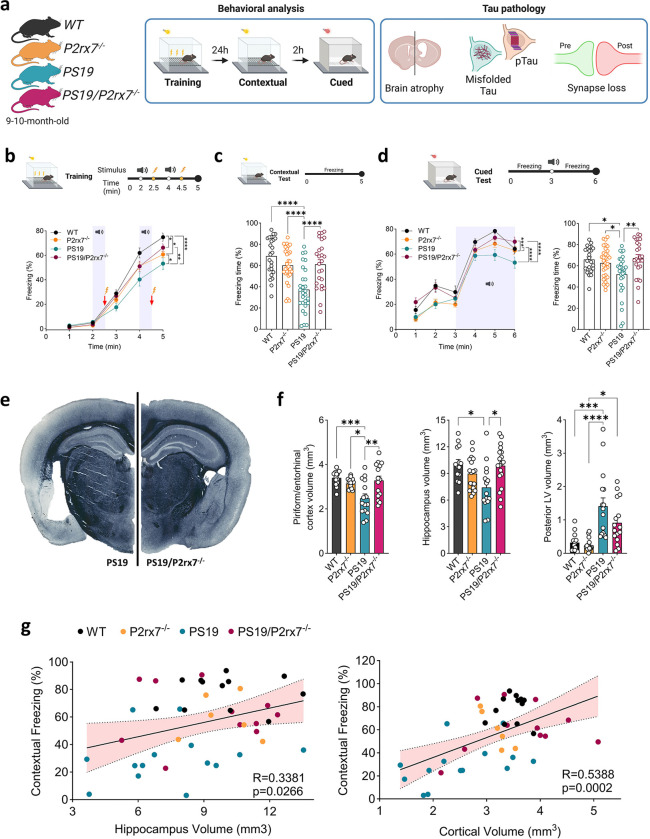
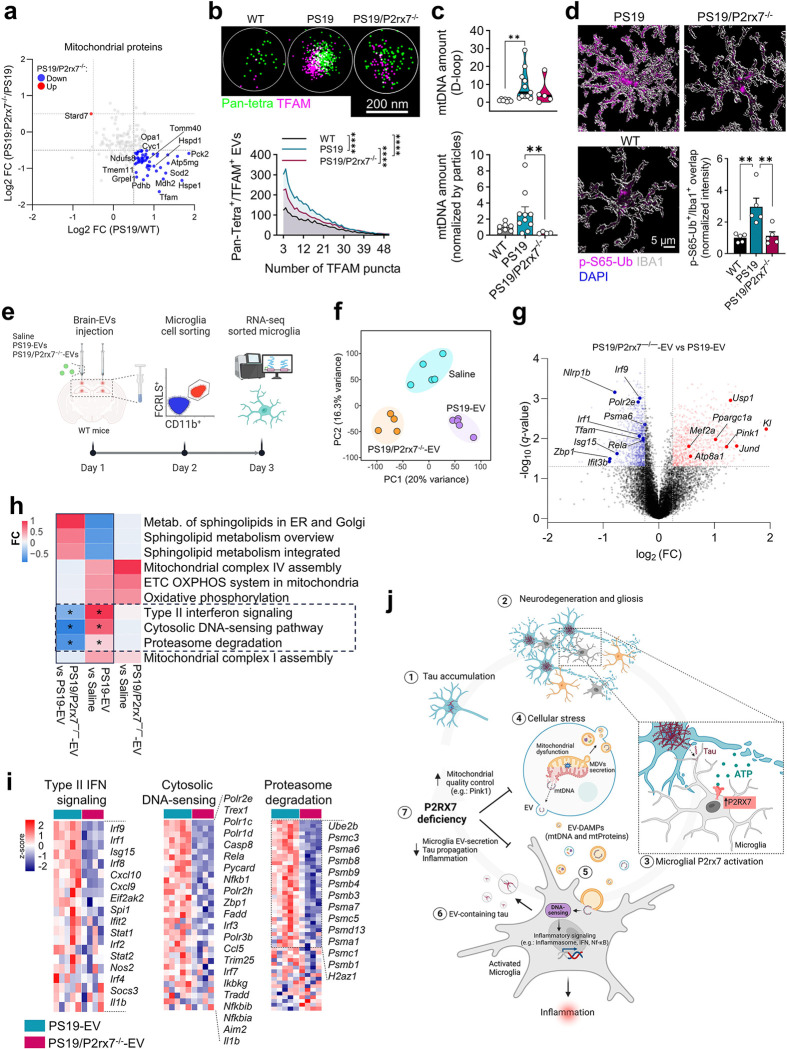
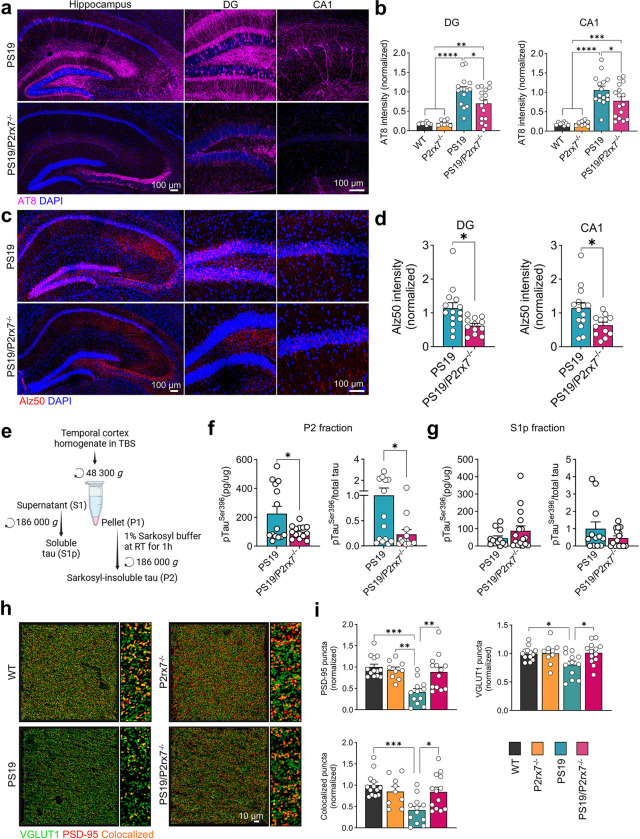
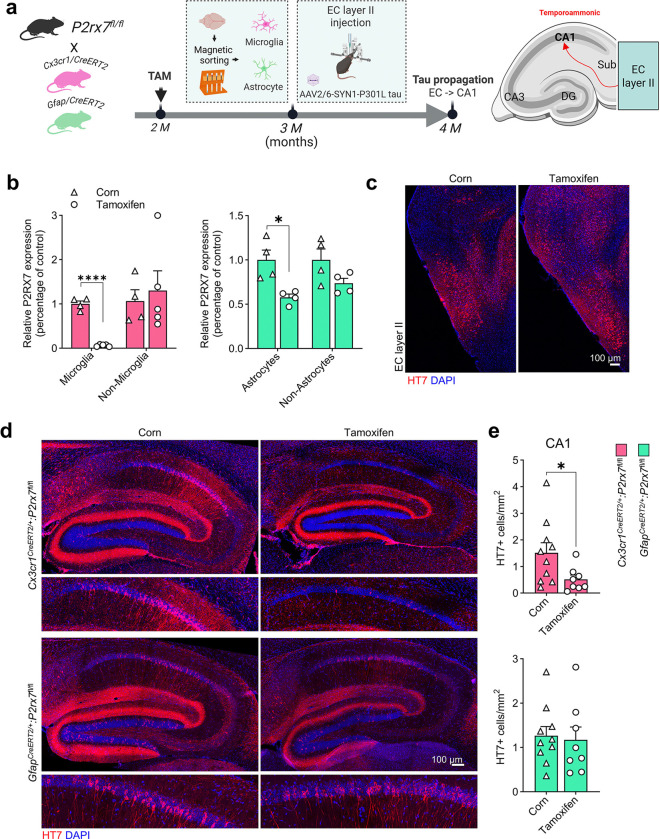
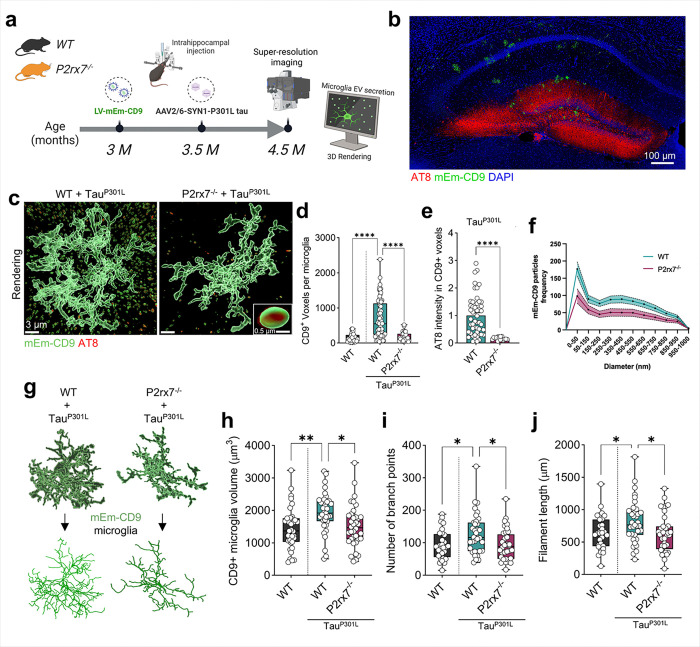
P2x purinoreceptor 7 (P2RX7), an ATP-gated ion channel, is known to play pivotal roles in the progression of Alzheimer's disease (AD), although its cell type-specific pathological mechanisms have yet to be elucidated. Here, we show that genetic deletion of P2rx7 mitigates brain atrophy, tau accumulation and cognitive impairment in PS19 tauopathy mice. Specific deletion of P2rx7 in microglia, but not astrocytes, significantly suppresses tau propagation from the entorhinal cortex to CA1 in the hippocampus, an early event in AD pathology. Single-cell (sc)-RNA sequencing of mouse brains revealed specific P2rx7 expression in microglia, inducing inflammatory changes accompanied by elevated extracellular vesicles (EVs) secretion in PS19 mice. Brain-derived EVs (BDEVs) proteome demonstrated that P2RX7 increases EV cargo loading of tau and mitochondrial molecules in BDEVs from PS19 mice, which was further validated by single-molecule super-resolution. Notably, following the injection of BDEVs isolated from PS19 mice with or without P2rx7 deficiency, the microglial transcriptome of recipient mice revealed enriched DNA-sensing and type II interferon signaling in response to BDEVs from PS19 mice, which was diminished in the group injected with P2rx7-deficient BDEVs. Thus, our results indicate that P2RX7 regulates EV-mediated tau and mitochondrial transfer and inflammatory activation in microglia with increased EV secretion, thereby contributing to tauopathy and neurodegeneration, highlighting the therapeutic potential of targeting the P2RX7-EV axis in AD.
P2X嘌呤受体7(P2RX7)是一种ATP门控离子通道,已知在阿尔茨海默病(AD)进展中起关键作用,尽管其细胞类型特异性病理机制尚待阐明。在此,我们表明P2rx7基因缺失可减轻PS19 tau病小鼠的脑萎缩、tau蛋白积累和认知障碍。小胶质细胞而非星形胶质细胞中P2rx7的特异性缺失显著抑制tau蛋白从内嗅皮质向海马CA1区的传播,这是AD病理中的一个早期事件。小鼠脑单细胞(sc)-RNA测序揭示了小胶质细胞中P2rx7的特异性表达,在PS19小鼠中诱导炎症变化并伴有细胞外囊泡(EVs)分泌增加。脑源性EVs(BDEVs)蛋白质组表明,P2RX7增加了PS19小鼠BDEVs中tau蛋白和线粒体分子的EVs货物装载量,这通过单分子超分辨率进一步得到验证。值得注意的是,注射从有或无P2rx7缺陷的PS19小鼠中分离的BDEVs后,受体小鼠的小胶质细胞转录组显示,对来自PS19小鼠的BDEVs有丰富的DNA感应和II型干扰素信号,而在注射P2rx7缺陷BDEVs的组中这种信号减弱。因此,我们的结果表明,P2RX7通过增加EVs分泌调节小胶质细胞中EV介导的tau蛋白和线粒体转移以及炎症激活,从而导致tau病和神经退行性变,突出了靶向AD中P2RX7-EV轴的治疗潜力。