Zhan Feili, Wu Qiongjing, Zheng Wenxiong, Pan Daodong, Benjakul Soottawat, Liu Zhiyu, Lin Huimin, Zhang Bin
College of Food Science and Pharmacy, Ningbo University, Ningbo 315832, China.
College of Food Science and Pharmacy, Zhejiang Ocean University, Zhoushan 316022, China.
Food Chem X. 2025 Jul 2;29:102723. doi: 10.1016/j.fochx.2025.102723. eCollection 2025 Jul.
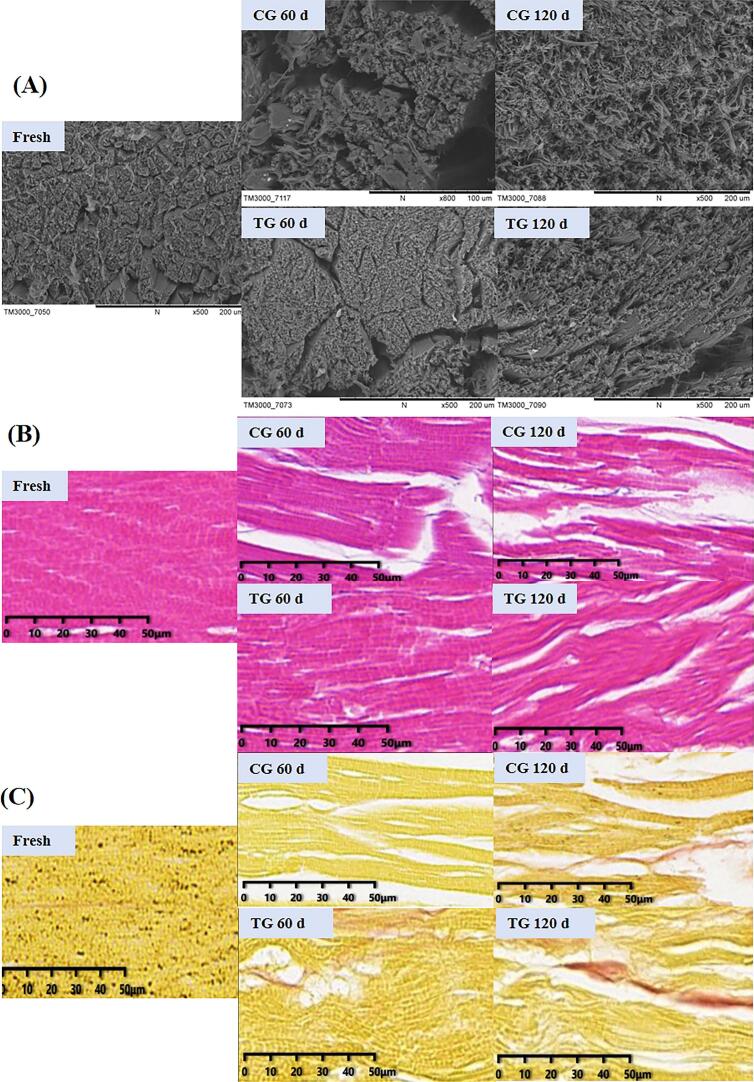
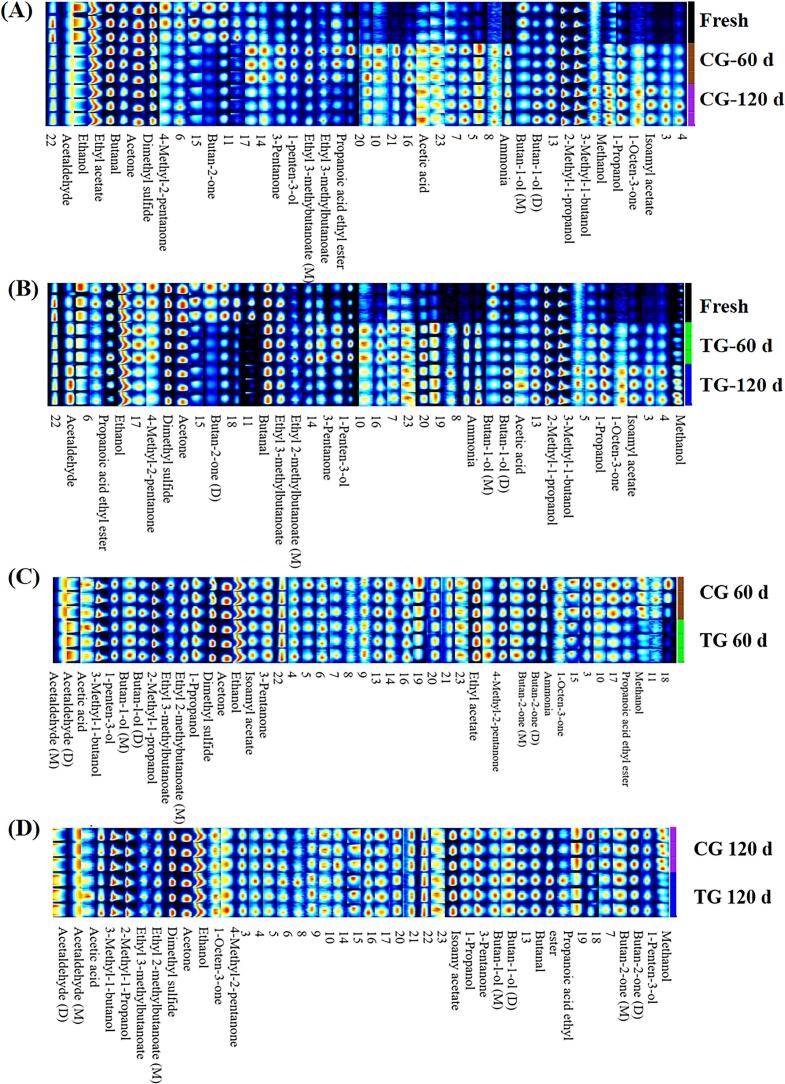
This study primarily investigated the effects of cold plasma generated by dielectric barrier discharge (DBD-CP) pre-treatment on the physicochemical properties, microbial community composition, and volatile organic compounds (VOCs) of ready-to-eat drunken shrimp () during frozen storage. The results indicated that the DBD-CP pre-treatment reduced the relative abundance of microorganisms, significantly inhibited microbial growth and slowed the oxidation and degradation of muscle proteins. Furthermore, DBD-CP pre-treatment effectively maintained a stable structure of muscle fibers during frozen storage at -18 °C. Gas chromatography-ion mobility spectrometry (GC-IMS) analysis identified 26 volatile components, including 8 alcohols, 6 esters, 6 ketones, 3 aldehydes, and 3 other compounds in the drunken shrimp after DBD-CP pre-treatment. DBD-CP pre-treatment significantly influenced the VOCs during the frozen storage. This study provides a reference for further research on the quality of drunken shrimp.
本研究主要探讨了介质阻挡放电产生的冷等离子体(DBD-CP)预处理对即食醉虾在冷冻贮藏期间的理化性质、微生物群落组成和挥发性有机化合物(VOCs)的影响。结果表明,DBD-CP预处理降低了微生物的相对丰度,显著抑制了微生物生长,并减缓了肌肉蛋白质的氧化和降解。此外,DBD-CP预处理在-18℃冷冻贮藏期间有效维持了肌肉纤维的稳定结构。气相色谱-离子迁移谱(GC-IMS)分析鉴定出DBD-CP预处理后的醉虾中有26种挥发性成分,包括8种醇类、6种酯类、6种酮类、3种醛类和3种其他化合物。DBD-CP预处理对冷冻贮藏期间的VOCs有显著影响。本研究为进一步研究醉虾品质提供了参考。