Ikram Rana Muhammad Adnan, Wang Mo, Moayedi Hossein, Ahmadi Dehrashid Atefeh, Gharibi Shiva, Han Jing-Cheng
WaterScience and Environmental Research Centre, College of Chemistry and Environmental Engineering, Shenzhen University, Shenzhen, 518060, China.
Center for Global Health Research, Saveetha Institute of Medical and Technical Sciences, Chennai, 600001, India.
Sci Rep. 2025 Jul 21;15(1):26479. doi: 10.1038/s41598-025-12125-0.
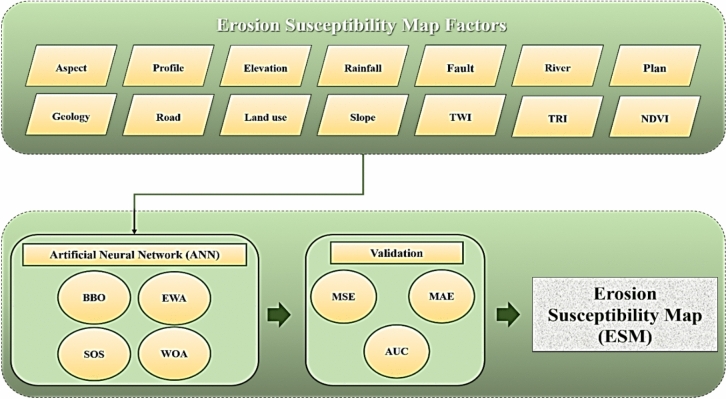
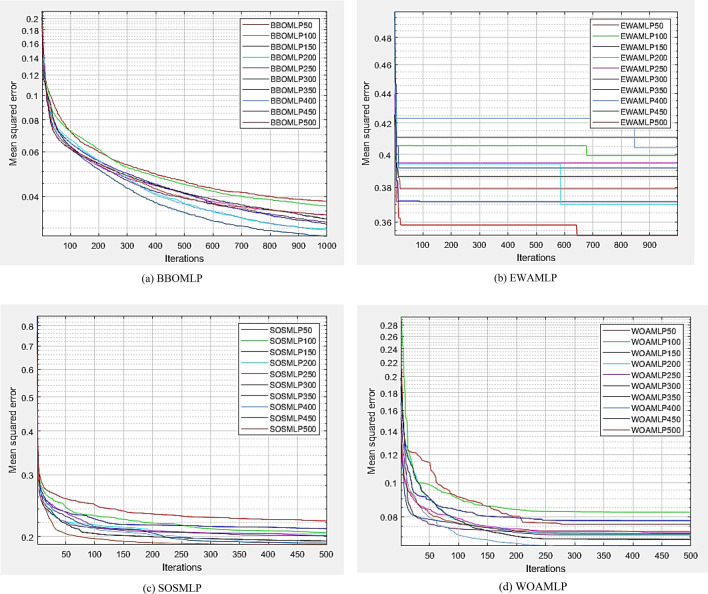
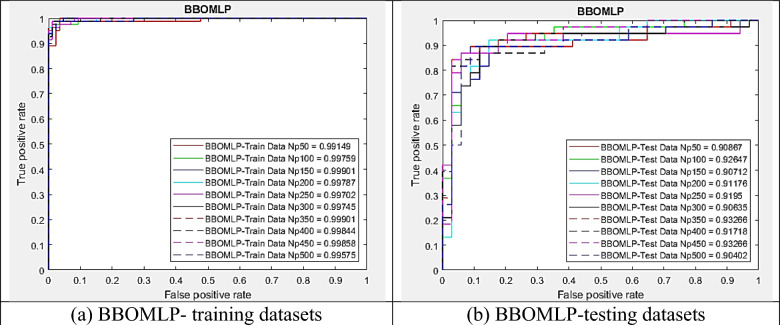
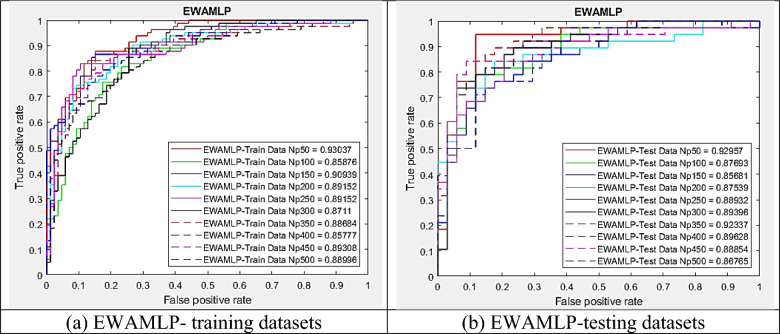
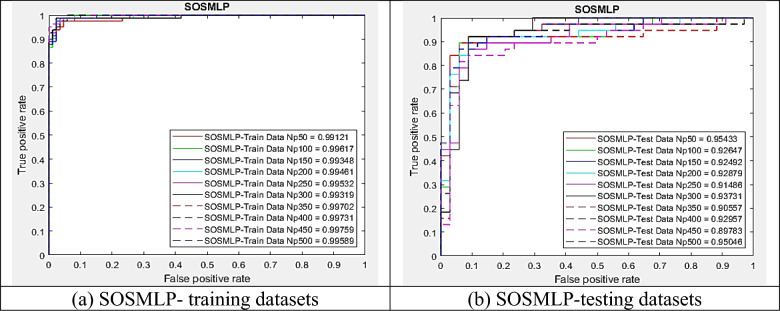
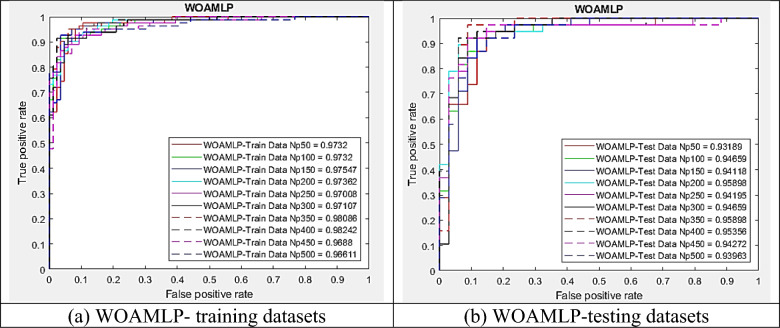
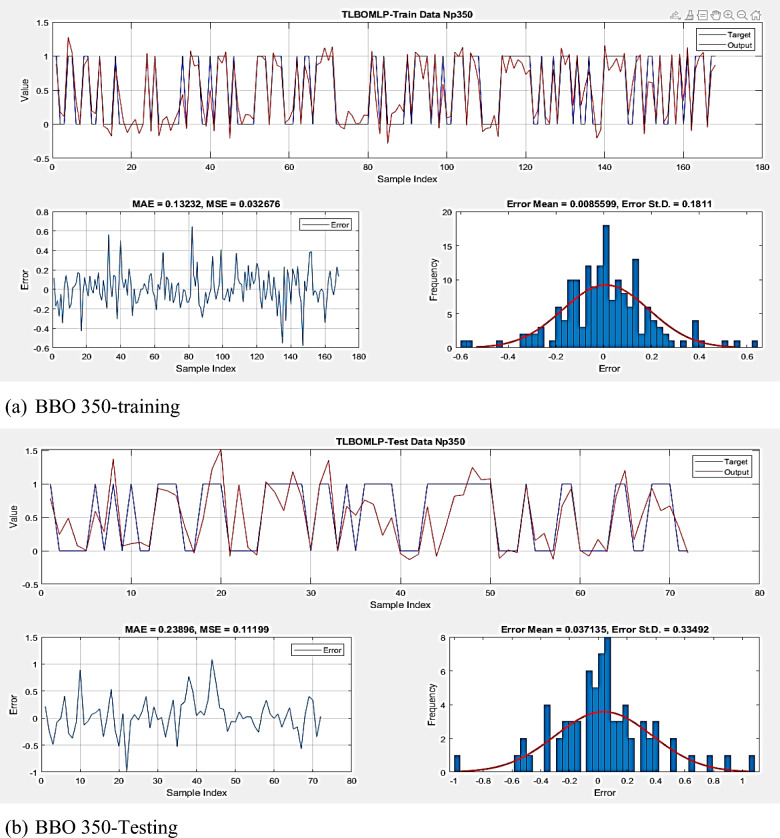
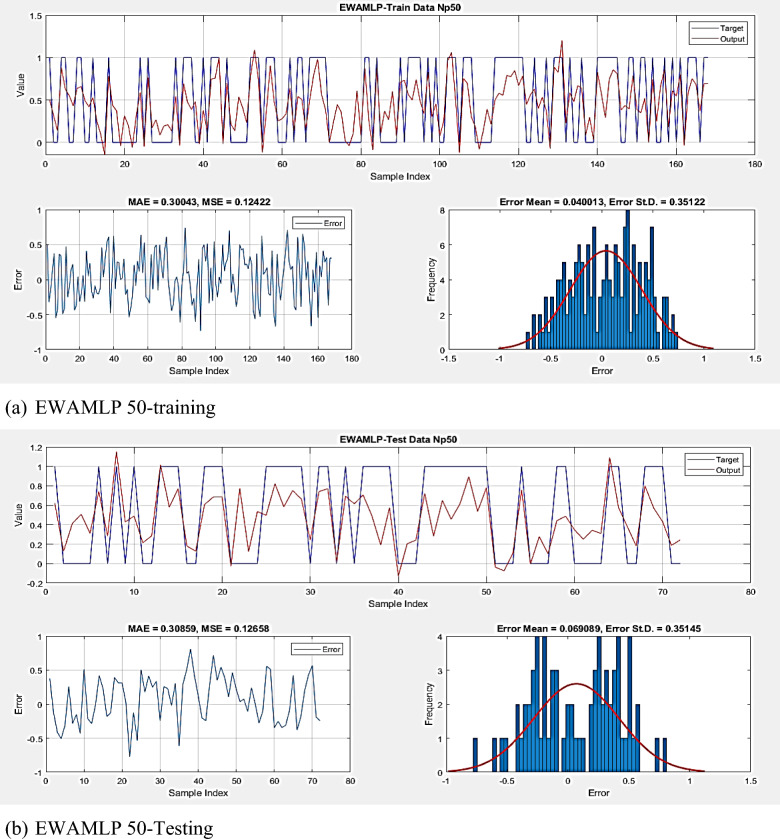
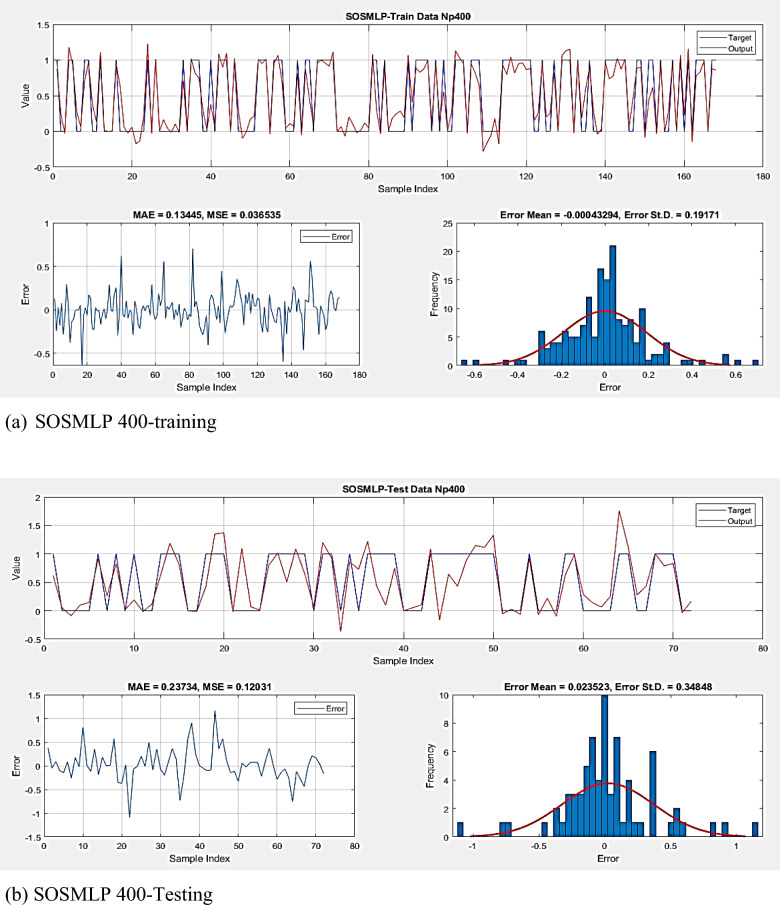
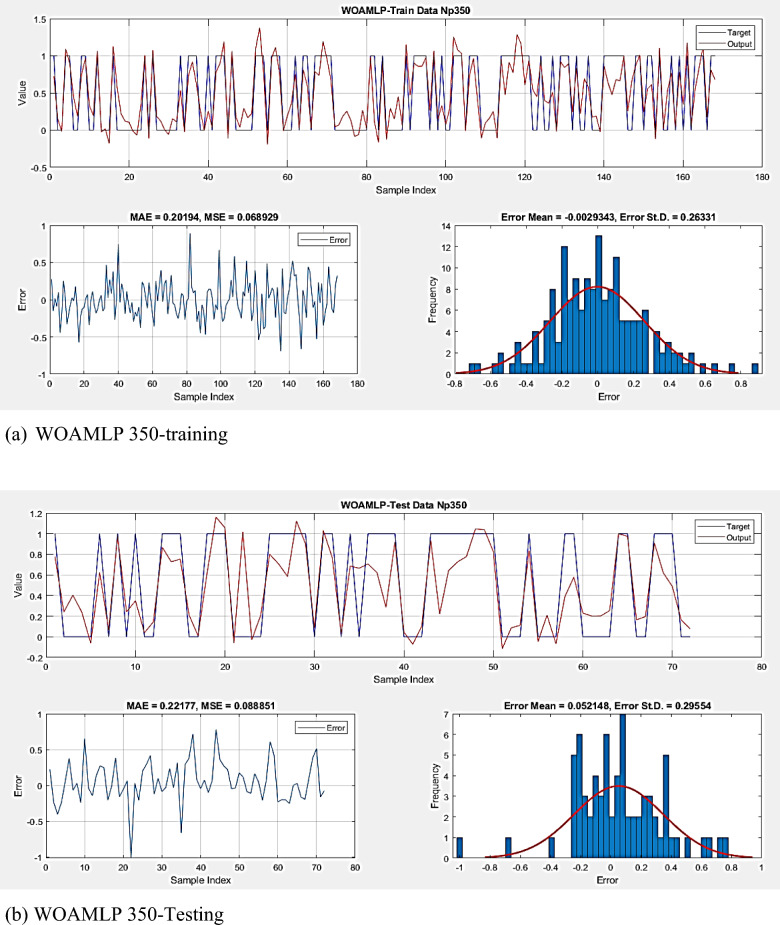
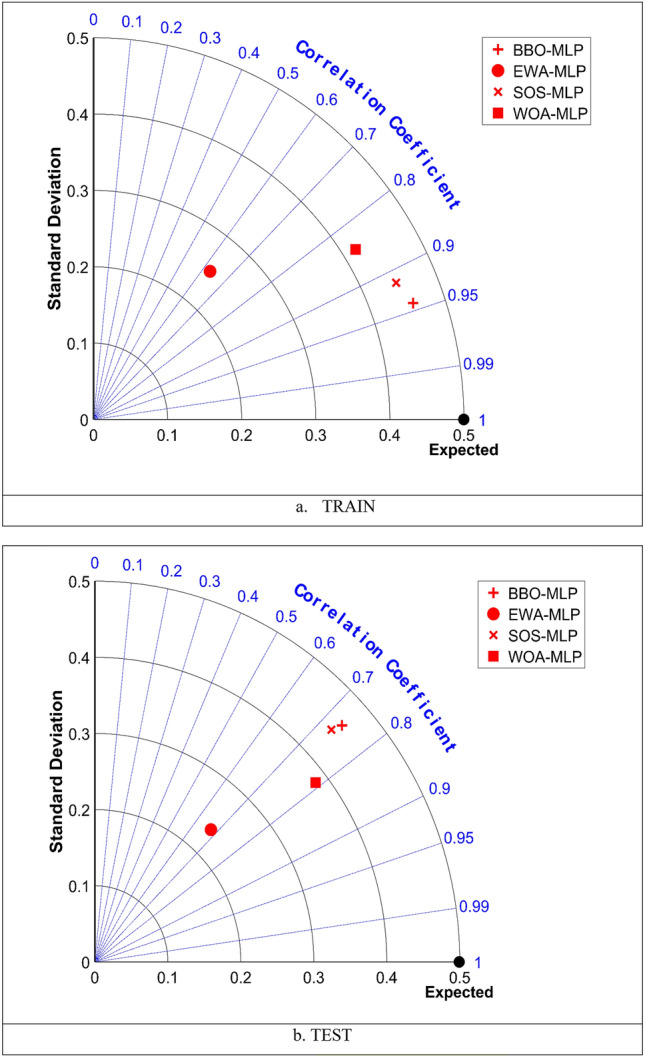
Soil is a critical natural resource, and accurate erosion susceptibility assessment is vital for the optimal management and development of soil resources. Erosion susceptibility assessment is necessary for long-term conservation plans, but the process can be expensive and time-consuming over large areas. It is imperative to examine the impact of water-induced erosion on cultivated lands, as it can cause significant damage. This study evaluates the effectiveness of four data-driven approaches (biogeography-based optimization, earthworm optimization algorithm, symbiotic organisms search, and whale optimization algorithm) combined with artificial neural network models for the assessment of erosion susceptibility. The examined criteria include 14 geographic and environmental criteria, and the data used in a ratio of 70 to 30 for training and testing operations. And its results were measured by AUC values. The evaluation of AUC accuracy indices revealed compelling results. Specifically, in the case of SOS-MLP, the highest AUC values were observed, reaching 0.9973 for test data and 0.9296 for train data. Conversely, for WOA-MLP, the AUC values obtained were slightly lower but still notable, registering at 0.9809 for test data and 0.959 for train data. These values were also calculated for BBO-MLP (0.999 and 0.9327) and EWA-MLP (0.9304 and 0.9296) in the training and testing phases, respectively. Results showed that all four methods could successfully evaluate erosion susceptibility according to AUC values greater than 0.92, especially the BBO-MLP with the highest AUC values. Therefore, the findings of this study have shown that the combined optimization algorithms and Machine Learning used in this research have a suitable ability to optimize the artificial neural network and are very useful for identifying areas sensitive to erosion.
土壤是一种至关重要的自然资源,准确的土壤侵蚀敏感性评估对于土壤资源的优化管理和开发至关重要。侵蚀敏感性评估对于长期保护计划是必要的,但在大面积区域进行该过程可能既昂贵又耗时。研究水蚀对耕地的影响势在必行,因为它可能造成重大破坏。本研究评估了四种数据驱动方法(基于生物地理学的优化、蚯蚓优化算法、共生生物搜索和鲸鱼优化算法)与人工神经网络模型相结合用于评估侵蚀敏感性的有效性。所考察的标准包括14个地理和环境标准,并且所使用的数据按70比30的比例用于训练和测试操作。其结果通过AUC值来衡量。对AUC准确性指标的评估显示出令人信服的结果。具体而言,在SOS-MLP的情况下,观察到最高的AUC值,测试数据达到0.9973,训练数据达到0.9296。相反,对于WOA-MLP,获得的AUC值略低但仍然显著,测试数据为0.9809,训练数据为0.959。在训练和测试阶段,还分别计算了BBO-MLP(0.999和0.9327)和EWA-MLP(0.9304和0.9296)的这些值。结果表明,所有四种方法根据大于0.92的AUC值都能成功评估侵蚀敏感性,特别是BBO-MLP的AUC值最高。因此,本研究的结果表明,本研究中使用的组合优化算法和机器学习具有优化人工神经网络的合适能力,并且对于识别对侵蚀敏感的区域非常有用。