Shams Zahra, Gad Abdelrahman, Gudmundson Aaron T, Murali-Manohar Saipavitra, Davies-Jenkins Christopher W, Simegn Gizeaddis L, Simicic Dunja, Song Yulu, Yedavalli Vivek, Zöllner Helge J, Oeltzschner Georg, Edden Richard A E
The Russell H. Morgan Department of Radiology and Radiological Science, The Johns Hopkins University School of Medicine, Baltimore, MD, USA.
The Malone Center for Engineering in Healthcare, Johns Hopkins University, Baltimore, MD, USA.
bioRxiv. 2025 Jun 29:2025.06.26.661810. doi: 10.1101/2025.06.26.661810.
To identify the origin of out-of-voxel (OOV) signals based on the coherence transfer pathway (CTP) formalism using signal phase conferred by the acquisition phase cycling scheme. Knowing the CTP driving OOV artifacts enables optimization of crusher gradients to improve their suppression without additional data acquisition.
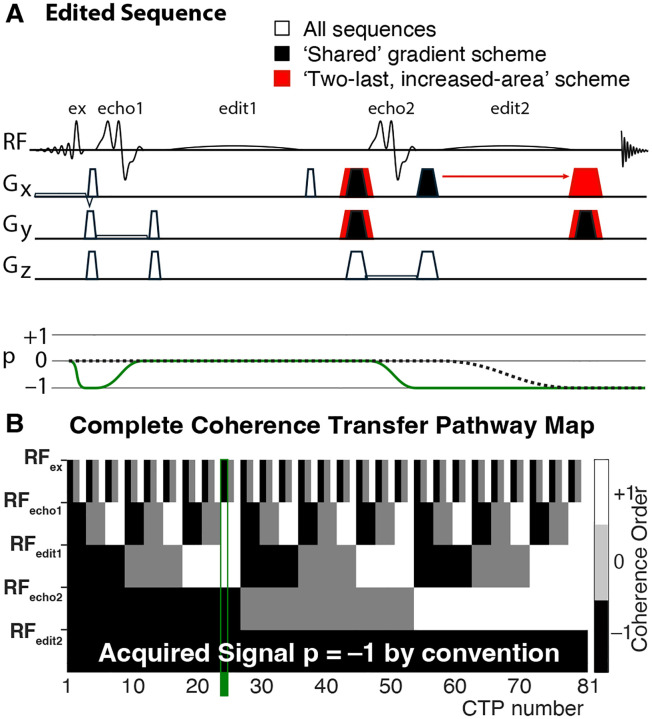
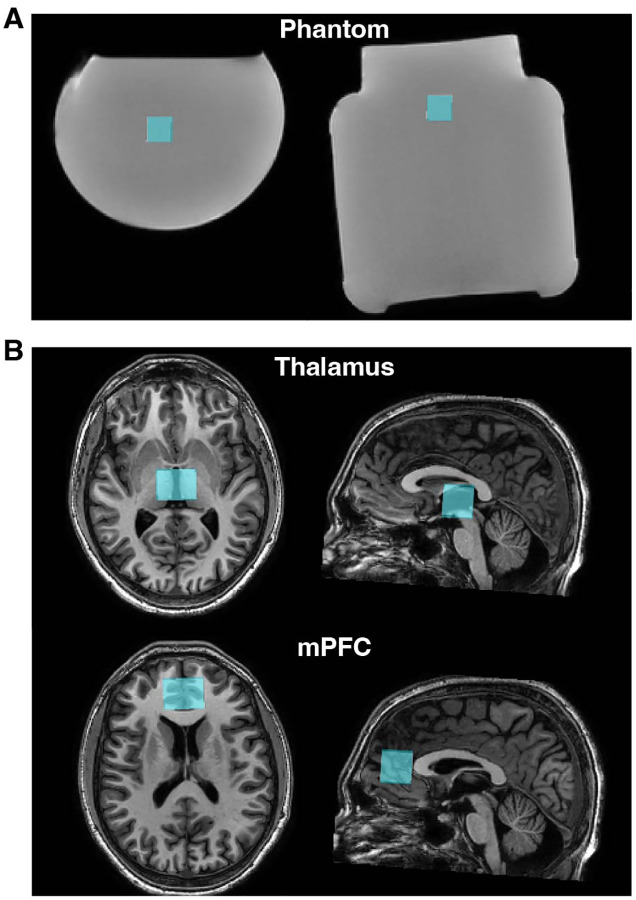
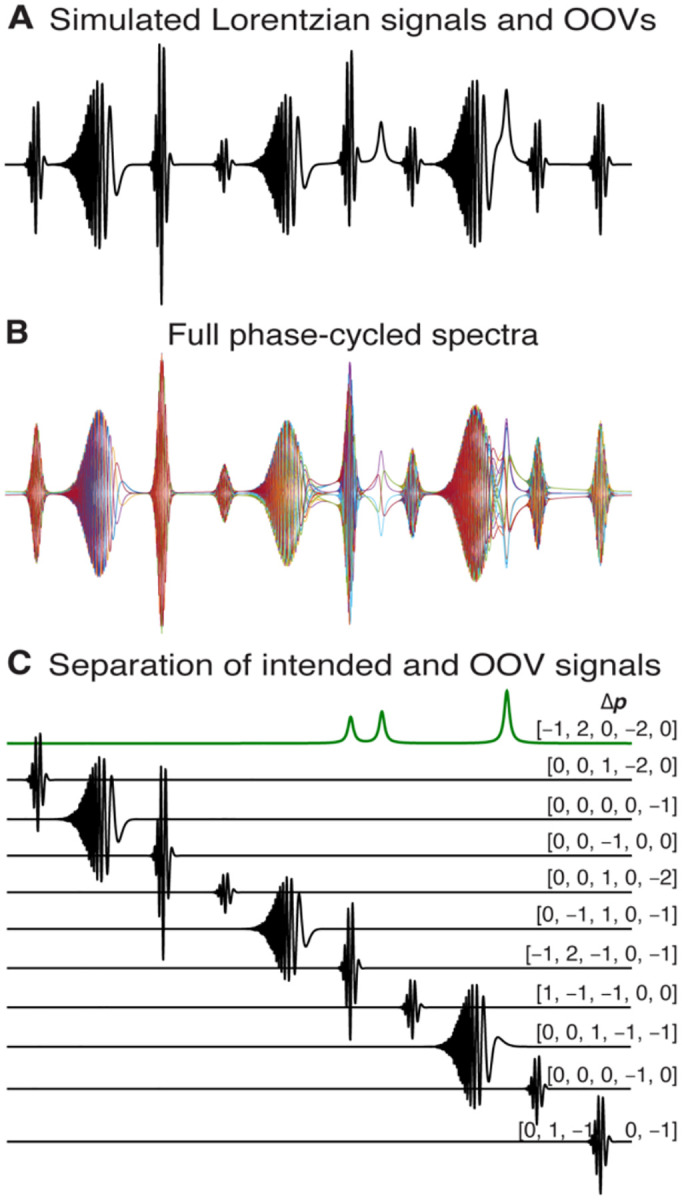
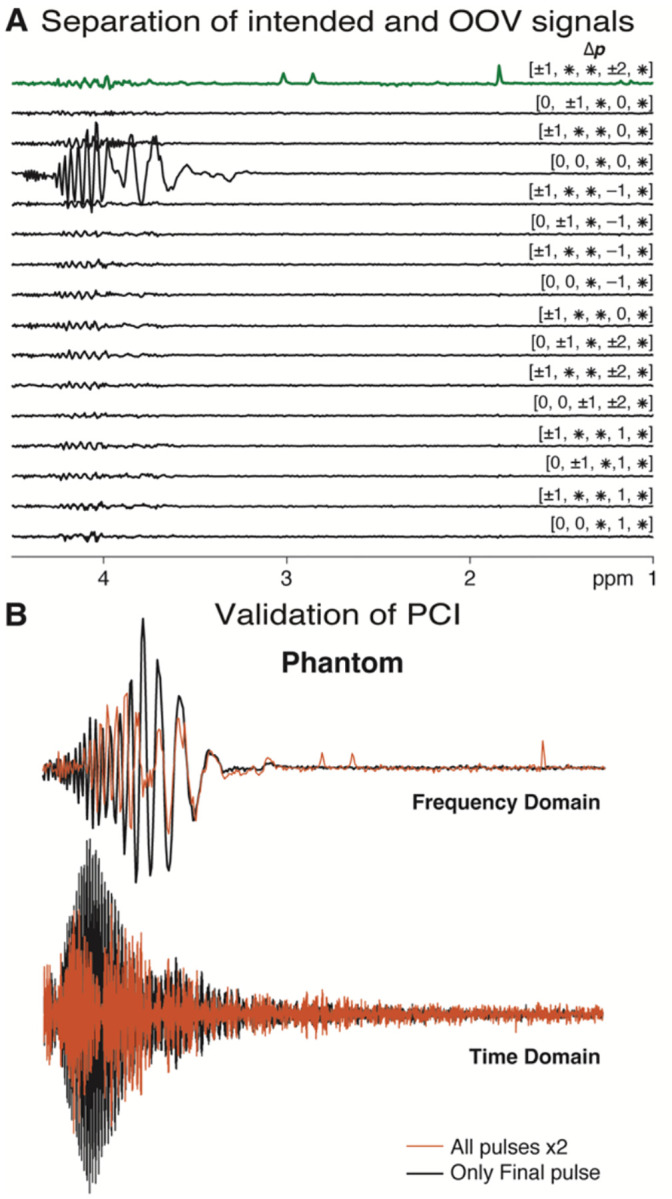
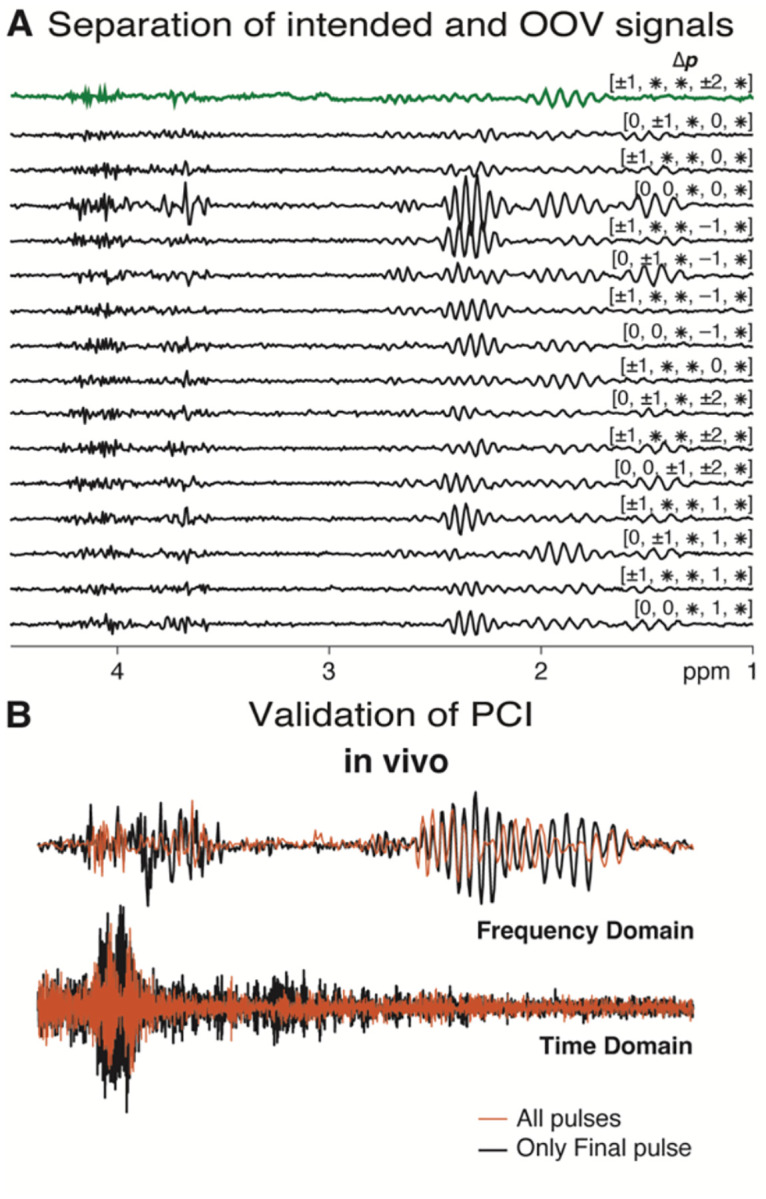
A phase cycle systematically changes the phase of RF pulses across the transients of an experiment, encoding phase shifts into the data that can be used to suppress unwanted CTPs. We present a new approach, removes the receiver phase originally applied to the stored transients, replacing it with new receiver phases, matching the phase evolutions associated with each unwanted CTP, to identify the OOV signals. We demonstrated the efficacy of PCI using the MEGA-edited PRESS sequence in simulations, phantom and in vivo experiments. Based on these findings, the crusher gradient scheme was optimized.
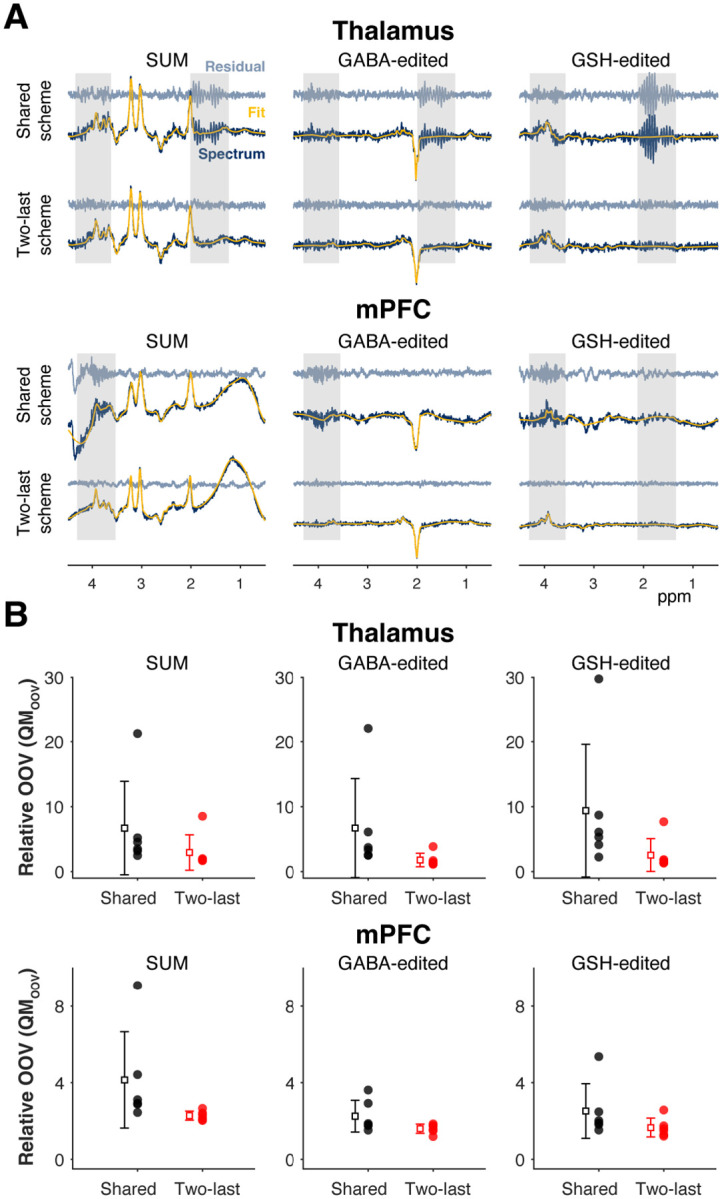
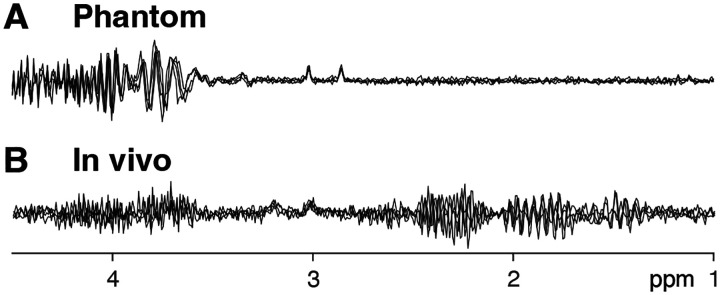
The simulation results demonstrated that PCI can fully separate signals originating from different CTPs using a complete phase cycling scheme. PCI effectively identified the CTP responsible for OOV signals in phantom experiments and , though with reduced specificity due to phase instabilities. Re-optimization of the gradient scheme based on the identified OOV-associated CTP to suppress these signals, resulted in cleaner spectra in six volunteers.
PCI can be broadly applied across pulse sequences and voxel locations, making it a flexible and generalizable approach for diagnosing the CTP origin of OOV signals.
基于相干转移路径(CTP)形式,利用采集相位循环方案赋予的信号相位来识别体素外(OOV)信号的来源。了解驱动OOV伪影的CTP能够优化 crusher 梯度,从而在无需额外数据采集的情况下改善对其的抑制效果。
相位循环系统地改变实验瞬态过程中射频脉冲的相位,将相位移编码到数据中,可用于抑制不需要的CTP。我们提出了一种新方法,去除最初应用于存储瞬态的接收器相位,并用新的接收器相位取而代之,使其与每个不需要的CTP相关的相位演变相匹配,以识别OOV信号。我们在模拟、体模和体内实验中使用MEGA编辑的PRESS序列证明了相位循环识别(PCI)的有效性。基于这些发现,对crusher梯度方案进行了优化。
模拟结果表明,PCI可以使用完整的相位循环方案完全分离来自不同CTP的信号。在体模实验中,PCI有效地识别了导致OOV信号的CTP,并且在体内实验中,尽管由于相位不稳定性导致特异性降低。基于识别出的与OOV相关的CTP对梯度方案进行重新优化以抑制这些信号,使得六名志愿者的谱线更清晰。
PCI可以广泛应用于各种脉冲序列和体素位置,使其成为一种灵活且可推广的方法,用于诊断OOV信号的CTP来源。