Liu Yanze, Liu Jiaqi
Department of Breast and Thyroid Surgery, Zibo Central Hospital, Zibo, Shandong, China.
Cancer Rep (Hoboken). 2025 Jul;8(7):e70280. doi: 10.1002/cnr2.70280.
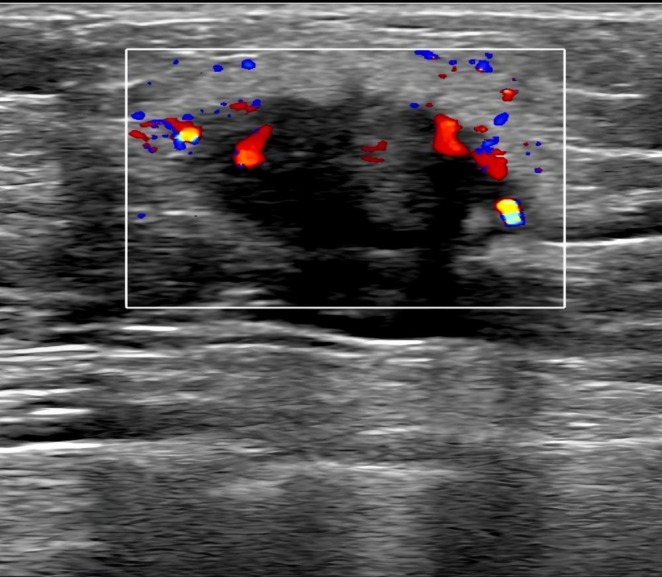
Male breast cancer (MBC) accounts for less than 1% of all cancers in men, with invasive ductal carcinoma being the most common type. The chemotherapy regimens used for MBC are similar to those for female breast cancer. However, the incidence of chemotherapy-induced complications such as leukocytosis resembling leukemia reaction is not well documented in MBC. This case highlights a rare complication in an MBC patient, induced by prophylactic PEG-rhG-CSF following chemotherapy.
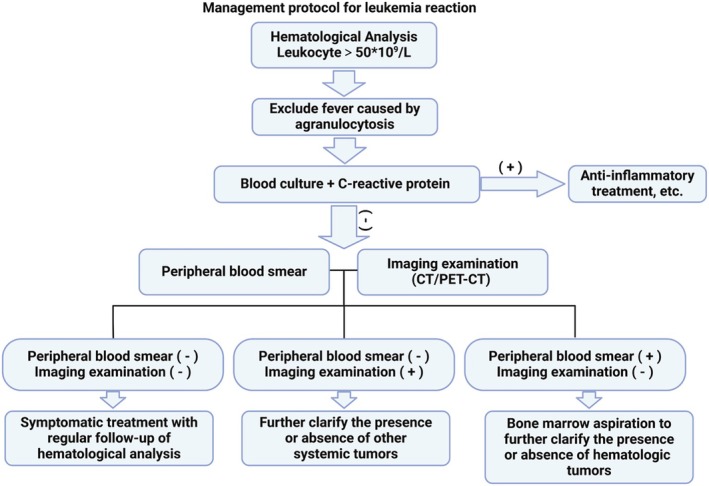
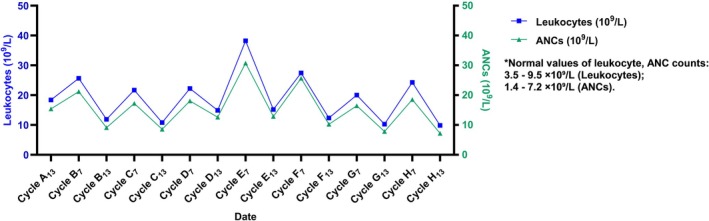
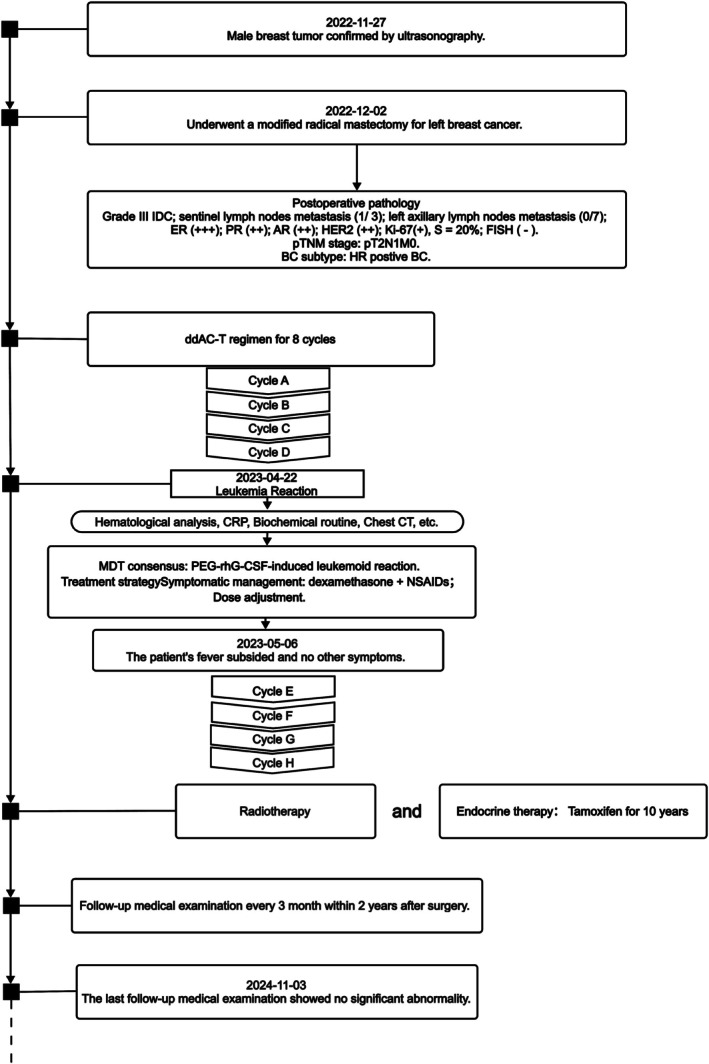
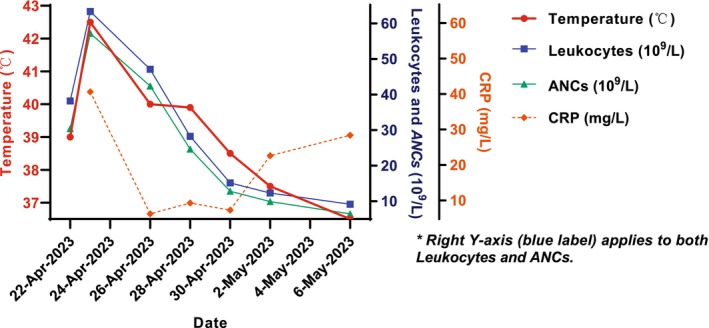
A 51-year-old male with left breast invasive ductal carcinoma underwent modified radical mastectomy. Postoperative pathology revealed high-risk features, and the patient received 8 cycles of chemotherapy with the ddAC-T regimen, followed by PEG-rhG-CSF for febrile neutropenia prevention. After the fifth chemotherapy cycle, the patient developed leukocytosis resembling leukemia reaction, characterized by a white blood cell count exceeding 50 × 10/L, along with intermittent fever up to 42.5°C. The condition was attributed to the PEG-rhG-CSF administration, and the patient was treated with NSAIDs and dexamethasone. Leukocytosis resolved after adjusting the PEG-rhG-CSF dose.
Leukocytosis resembling leukemia reaction induced by PEG-rhG-CSF post-chemotherapy is a rare complication, particularly in MBC patients. This case underscores the importance of careful monitoring and differential diagnosis to avoid misdiagnosis and unnecessary interventions. Personalized treatment strategies and dose adjustments for PEG-rhG-CSF are crucial in managing this rare reaction, emphasizing the need for awareness and individualized care in MBC patients undergoing chemotherapy.
男性乳腺癌(MBC)占男性所有癌症的比例不到1%,其中浸润性导管癌是最常见的类型。用于MBC的化疗方案与女性乳腺癌相似。然而,化疗引起的并发症,如类似白血病反应的白细胞增多症,在MBC中的发生率尚无充分文献记载。本病例突出了一名MBC患者在化疗后预防性使用聚乙二醇化重组人粒细胞集落刺激因子(PEG-rhG-CSF)引发的罕见并发症。
一名51岁患有左乳浸润性导管癌的男性接受了改良根治性乳房切除术。术后病理显示具有高危特征,患者接受了8个周期的ddAC-T方案化疗,随后使用PEG-rhG-CSF预防发热性中性粒细胞减少。在第五个化疗周期后,患者出现类似白血病反应的白细胞增多症,其特征为白细胞计数超过50×10⁹/L,同时伴有高达42.5°C的间歇性发热。该情况归因于PEG-rhG-CSF的使用,患者接受了非甾体抗炎药和地塞米松治疗。调整PEG-rhG-CSF剂量后白细胞增多症得到缓解。
化疗后PEG-rhG-CSF诱导的类似白血病反应的白细胞增多症是一种罕见的并发症,尤其是在MBC患者中。本病例强调了仔细监测和鉴别诊断以避免误诊和不必要干预的重要性。针对PEG-rhG-CSF的个性化治疗策略和剂量调整对于处理这种罕见反应至关重要,这凸显了对接受化疗的MBC患者进行认识和个体化护理的必要性。