Tissawak Amanda, Rosin Yarden, Katz Galay Shirly, Qasem Alia, Shahar Michal, Trabelsi Nirit, Furman-Schueler Ora, Johnson Steven M, Florentin Anat
Department of Microbiology and Molecular Genetics, Faculty of Medicine, The Hebrew University of Jerusalem, Jerusalem, Israel.
The Kuvin Center for the Study of Infectious and Tropical Diseases, Faculty of Medicine, The Hebrew University of Jerusalem, Jerusalem, Israel.
PLoS Pathog. 2025 Jul 22;21(7):e1013275. doi: 10.1371/journal.ppat.1013275. eCollection 2025 Jul.
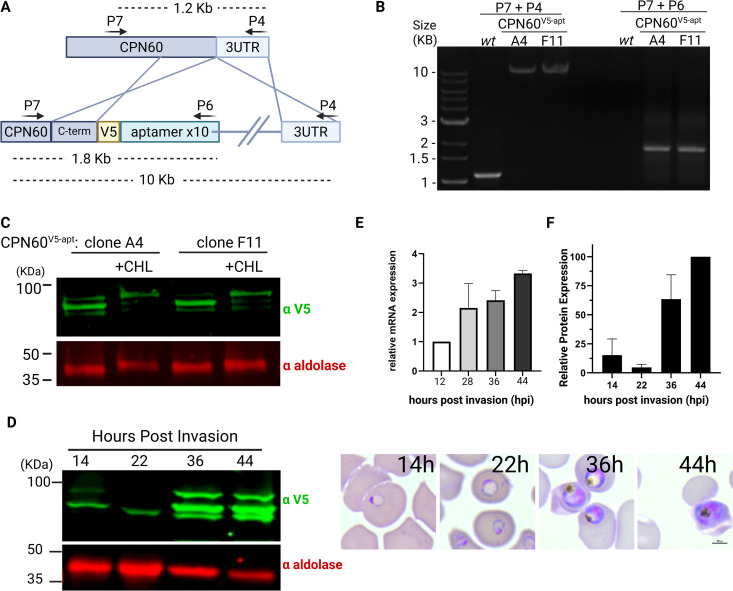
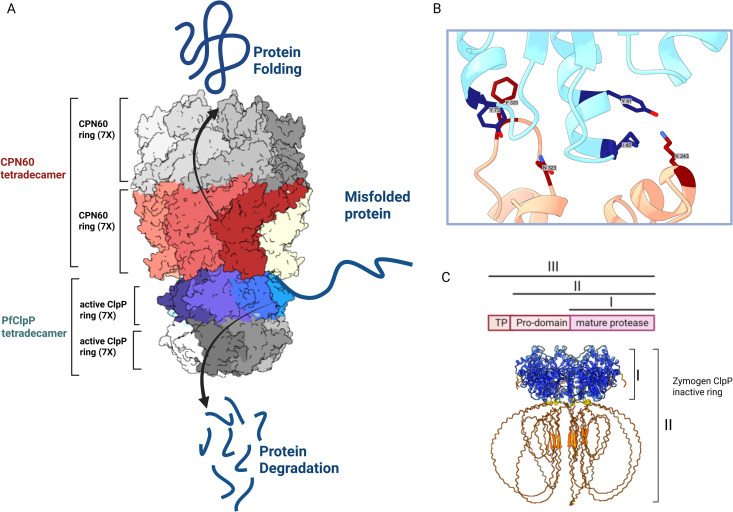
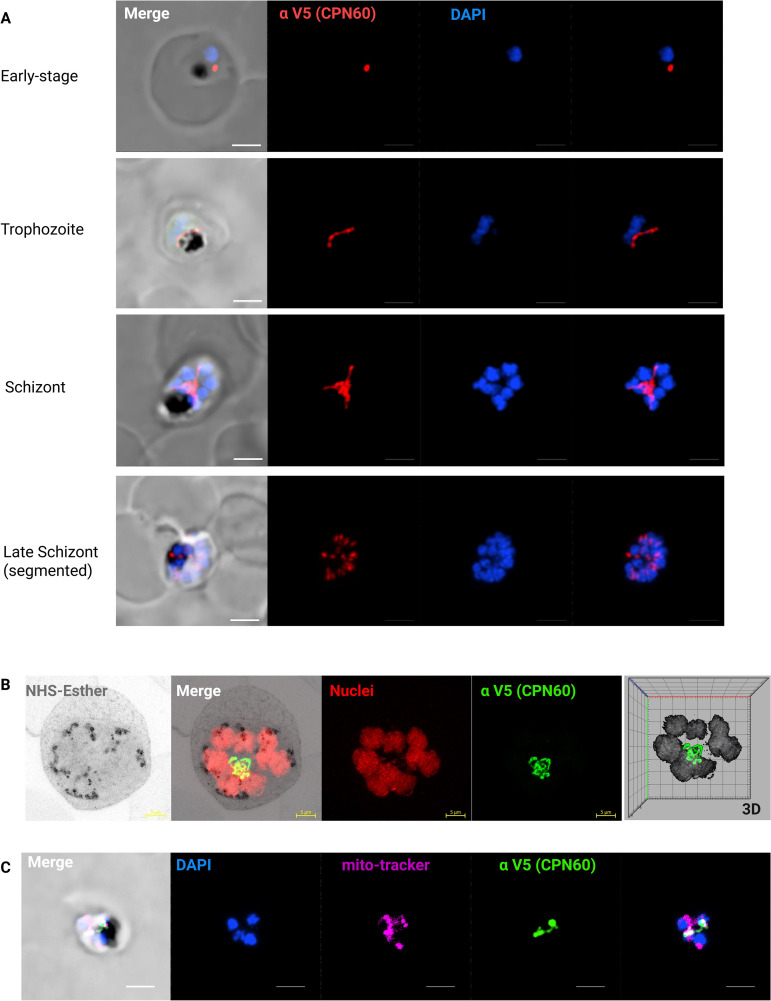
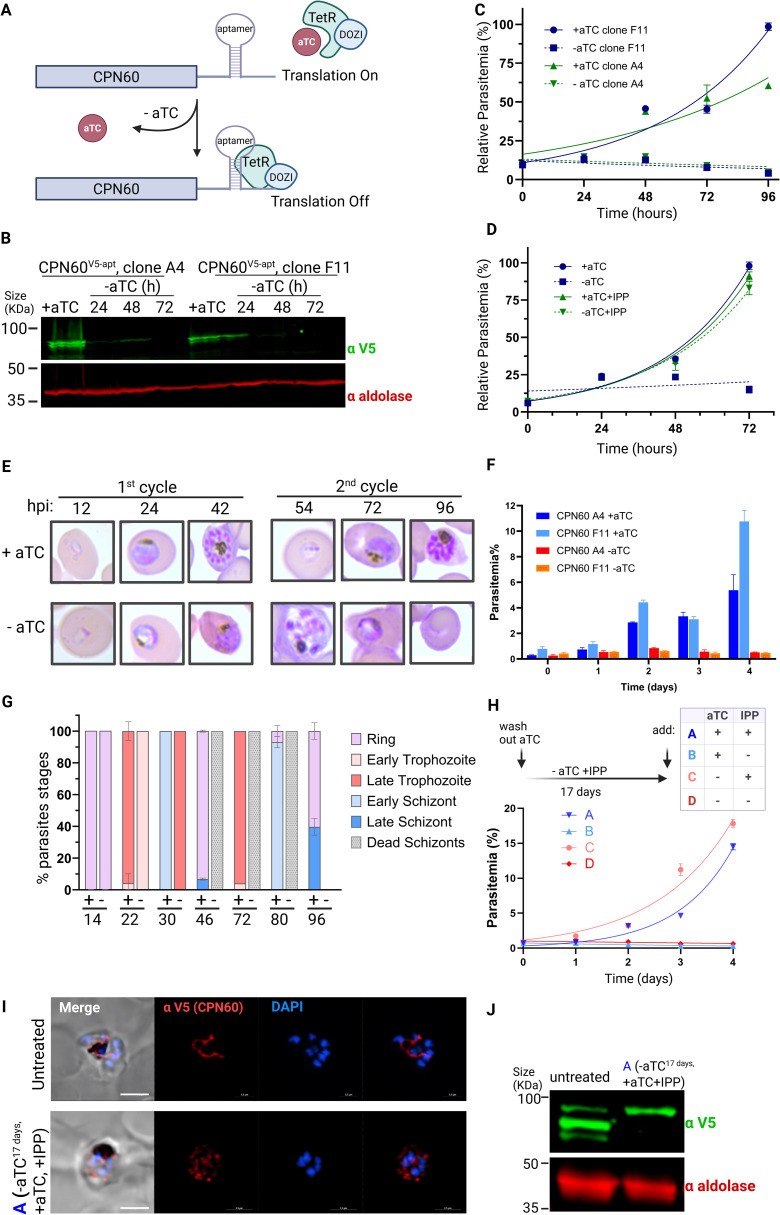
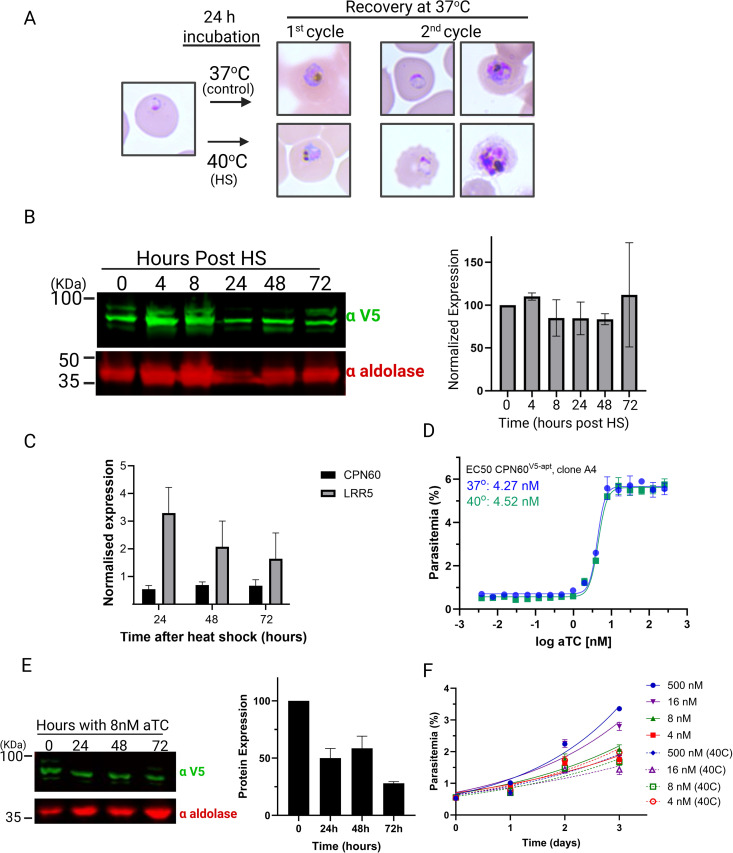
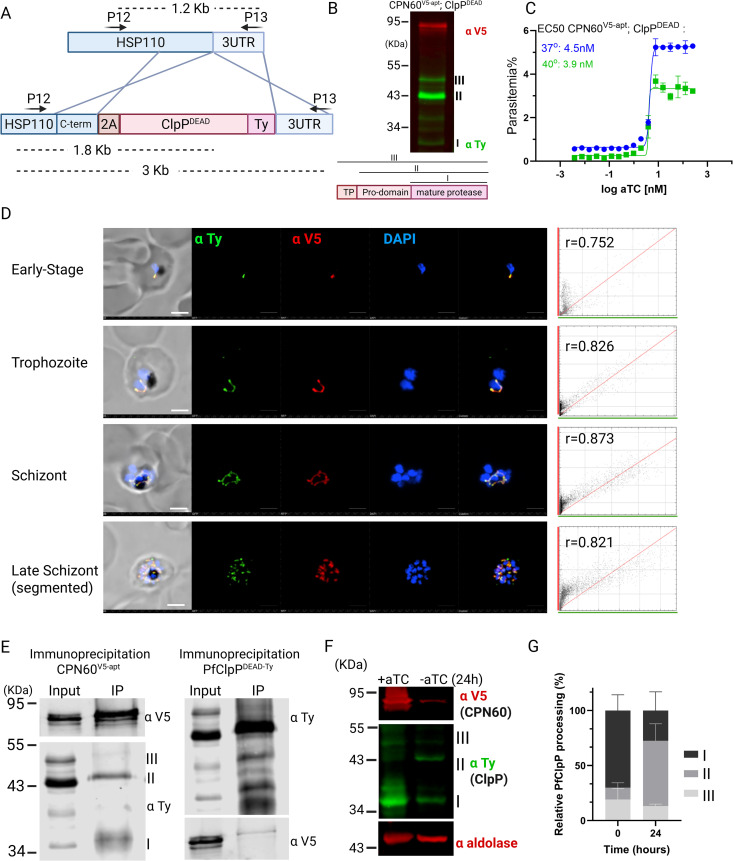
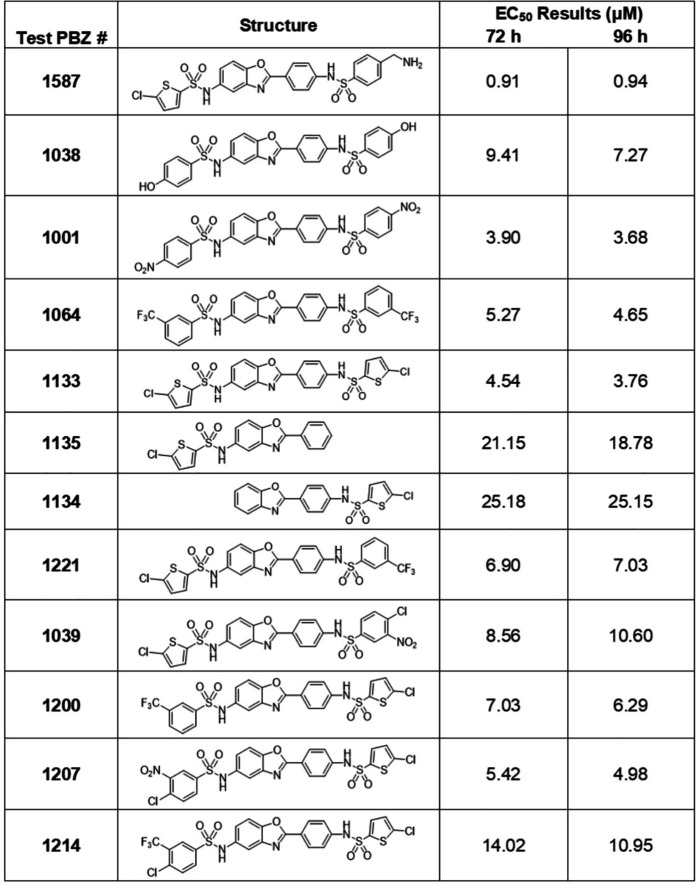
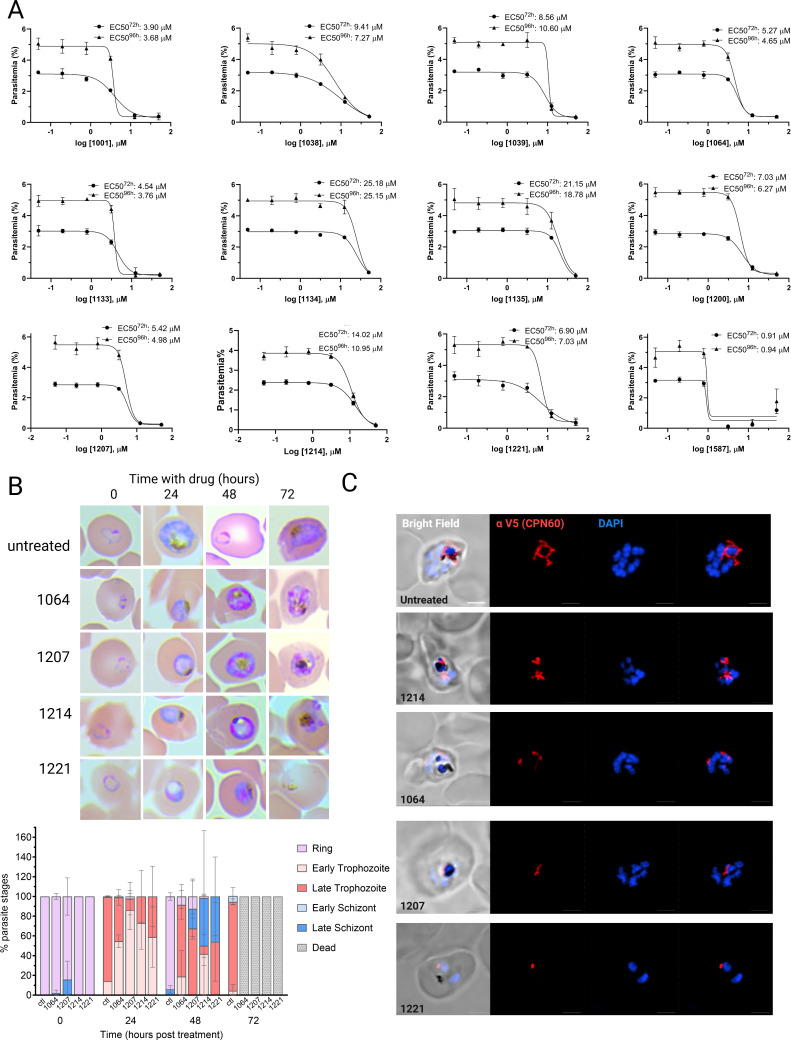
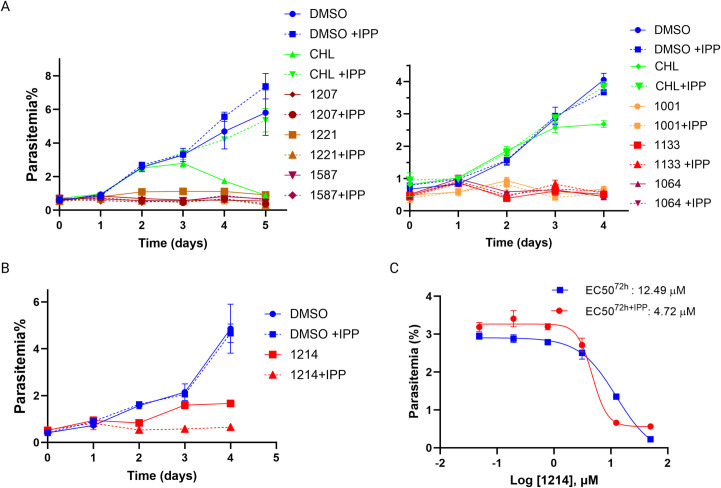
The apicoplast of Plasmodium parasites serves as a metabolic hub that synthesize essential biomolecules. Like other endosymbiotic organelles, 90% of the apicoplast proteome is encoded by the cell nucleus and transported to the organelle. Evidence suggests that the apicoplast has minimal control over the synthesis of its proteome and therefore it is unclear how organelle proteostasis is regulated. Here, we identified and investigated a large and conserved chaperonin (CPN) complex with a previously unknown function. Using genetic tools, we demonstrated that ablation of the apicoplast CPN60 subunit leads to parasite death due to organellar damage, immediately within its first replication cycle, deviating from the delayed death phenotype commonly observed for apicoplast translation inhibitors. Unlike its close orthologues in other prokaryotic and eukaryotic cells, CPN60 is not upregulated during heat shock (HS) and does not affect HS response in the parasite. Instead, we found that it is directly involved in proteostasis through interaction with the Clp (caseinolytic protease) proteolytic complex. We showed that CPN60 physically binds both the active and inactive forms of the Clp complex, and manipulates its stability. A computational structural model of a possible interaction between these two large complexes suggests a stable interface. Finally, we screened a panel of inhibitors for the bacterial CPN60 orthologue GroEL, to test the potential of chaperonin inhibition as antimalarial. These inhibitors demonstrated an anti-Plasmodium activity that was not restricted to apicoplast function, with additional targets outside of this organelle. Taken together, this work reveals how balanced activities of proteolysis and refolding safeguard the apicoplast proteome, and are essential for organelle biogenesis.
疟原虫的顶质体是一个代谢中心,可合成必需的生物分子。与其他内共生细胞器一样,顶质体蛋白质组的90%由细胞核编码并转运至该细胞器。有证据表明,顶质体对其蛋白质组的合成控制极少,因此尚不清楚细胞器蛋白质稳态是如何调节的。在此,我们鉴定并研究了一种功能未知的大型保守伴侣蛋白(CPN)复合体。利用基因工具,我们证明,顶质体CPN60亚基的缺失会导致寄生虫因细胞器损伤而在其第一个复制周期内立即死亡,这与顶质体翻译抑制剂通常观察到的延迟死亡表型不同。与其他原核和真核细胞中的紧密同源物不同,CPN60在热休克(HS)期间不会上调,也不会影响寄生虫的HS反应。相反,我们发现它通过与Clp(酪蛋白溶解蛋白酶)蛋白水解复合体相互作用直接参与蛋白质稳态。我们表明,CPN60与Clp复合体的活性和非活性形式都发生物理结合,并操纵其稳定性。这两种大型复合体之间可能相互作用的计算结构模型表明存在一个稳定的界面。最后,我们筛选了一组针对细菌CPN60同源物GroEL的抑制剂,以测试抑制伴侣蛋白作为抗疟药物的潜力。这些抑制剂表现出抗疟活性,且不仅限于顶质体功能,在该细胞器之外还有其他靶点。综上所述,这项工作揭示了蛋白质水解和重折叠的平衡活动如何保护顶质体蛋白质组,以及对细胞器生物发生至关重要。