Datir Rohan R, Datir Rohit R, Datir Pooja R, Heyrani Nasser
Medicine, California University of Science and Medicine, Colton, USA.
Biology, New Jersey Institute of Technology, Newark, USA.
Cureus. 2025 Jun 22;17(6):e86549. doi: 10.7759/cureus.86549. eCollection 2025 Jun.
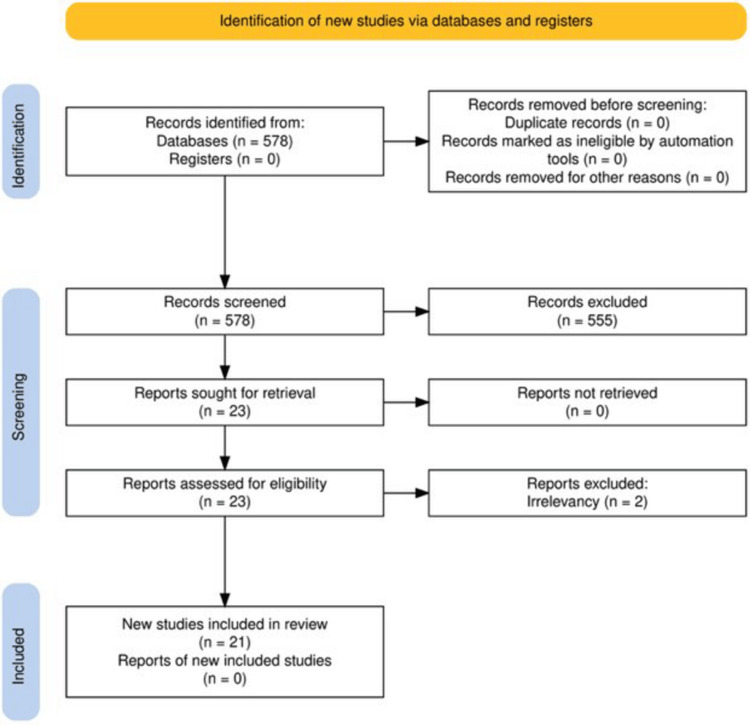
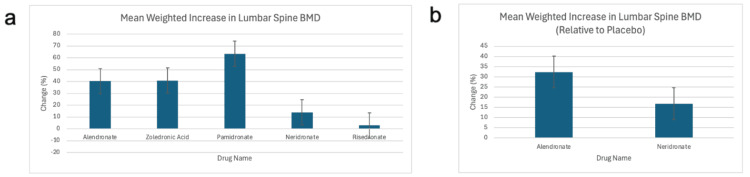
Osteogenesis imperfecta (OI) is a rare genetic disorder that causes frequent fractures. Bisphosphonates play a key role in managing OI. This manuscript examines the comparative effectiveness of alendronate, neridronate, olpadronate, pamidronate, risedronate, and zoledronic acid on fracture rate reduction, increases in lumbar spine (LS) bone mineral density (BMD), and adverse effects compared to placebos and each other. A PubMed search using specific keywords for bisphosphonates and OI yielded 21 sources, from which data about fracture rates, fracture risk, and/or LS BMD were collected. The inclusion criteria consisted of randomized controlled trials involving bisphosphonates to treat OI with data regarding fracture rates, fracture risk, and/or BMD, and the exclusion criteria were any sources that did not meet such standards. A one-way analysis of variance (ANOVA) was conducted to assess the significance of differences among bisphosphonates. Neridronate, olpadronate, and risedronate had a lower fracture risk and fracture rate than their placebo counterparts. Olpadronate demonstrated a markedly lower fracture rate compared to its placebo, and neridronate similarly showed a substantially reduced fracture risk relative to its placebo. Risedronate was effective but less so than the other two. Pamidronate showed the largest overall increase in LS BMD, while alendronate demonstrated the highest placebo-adjusted ratio. Despite ANOVA testing finding insignificant differences between drugs, except for fracture risk, limited data constrained the analysis. Adverse effects varied: alendronate caused the most gastrointestinal distress, zoledronic acid and neridronate caused illness-like symptoms, risedronate had illness-like and gastrointestinal symptoms, and pamidronate was linked to severe effects, including death. This analysis highlighted the efficacy and safety profiles of bisphosphonates in the treatment of OI. Neridronate and olpadronate were highly effective in reducing fracture risk and rates, and olpadronate demonstrated superior efficacy in reducing fracture rates. Future research should focus on large, diverse samples, detailed fracture and BMD data, and comparisons across multiple bisphosphonates to refine treatment strategies.
成骨不全症(OI)是一种罕见的遗传性疾病,会导致频繁骨折。双膦酸盐在OI的治疗中起着关键作用。本手稿研究了阿仑膦酸盐、奈立膦酸盐、奥帕膦酸盐、帕米膦酸盐、利塞膦酸盐和唑来膦酸在降低骨折率、增加腰椎(LS)骨矿物质密度(BMD)方面的相对有效性,以及与安慰剂相比和相互之间的不良反应。使用双膦酸盐和OI的特定关键词在PubMed上进行搜索,得到21个来源,从中收集了有关骨折率、骨折风险和/或LS BMD的数据。纳入标准包括涉及双膦酸盐治疗OI的随机对照试验,且有关于骨折率、骨折风险和/或BMD的数据,排除标准为任何不符合此类标准的来源。进行单因素方差分析(ANOVA)以评估双膦酸盐之间差异的显著性。奈立膦酸盐、奥帕膦酸盐和利塞膦酸盐的骨折风险和骨折率低于其对应的安慰剂。与安慰剂相比,奥帕膦酸盐的骨折率显著更低,奈立膦酸盐相对于其安慰剂同样显示出骨折风险大幅降低。利塞膦酸盐有效,但效果不如其他两种。帕米膦酸盐使LS BMD总体增加最大,而阿仑膦酸盐显示出最高的安慰剂调整后比率。尽管方差分析测试发现除骨折风险外药物之间差异不显著,但有限的数据限制了分析。不良反应各不相同:阿仑膦酸盐引起的胃肠道不适最多,唑来膦酸和奈立膦酸盐引起类似疾病的症状,利塞膦酸盐有类似疾病和胃肠道症状,帕米膦酸盐与严重影响有关,包括死亡。该分析突出了双膦酸盐在治疗OI中的疗效和安全性概况。奈立膦酸盐和奥帕膦酸盐在降低骨折风险和骨折率方面非常有效,奥帕膦酸盐在降低骨折率方面显示出更高的疗效。未来的研究应侧重于大规模、多样化的样本、详细的骨折和BMD数据,以及多种双膦酸盐之间的比较,以完善治疗策略。