Volkening Jeremy D, Spatz Stephen J, Garcia Maricarmen, Ross Teresa A, Maekawa Daniel A, Rosenthal Kenneth S, Zamora Ana C, Skipper April, Blakey Julia R, Paudel Rashan
BASE2BIO, Oshkosh, Wisconsin, United States of America.
US National Poultry Research Center, ARS-USDA, Athens, Georgia, United States of America.
PLoS Pathog. 2025 Jul 23;21(7):e1013219. doi: 10.1371/journal.ppat.1013219. eCollection 2025 Jul.
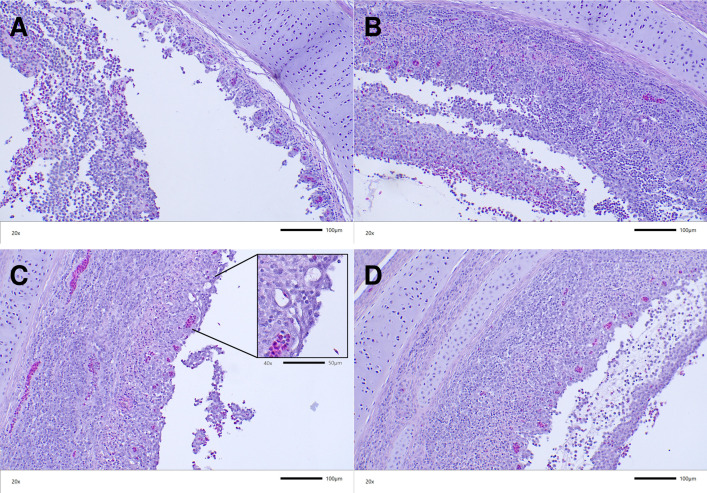
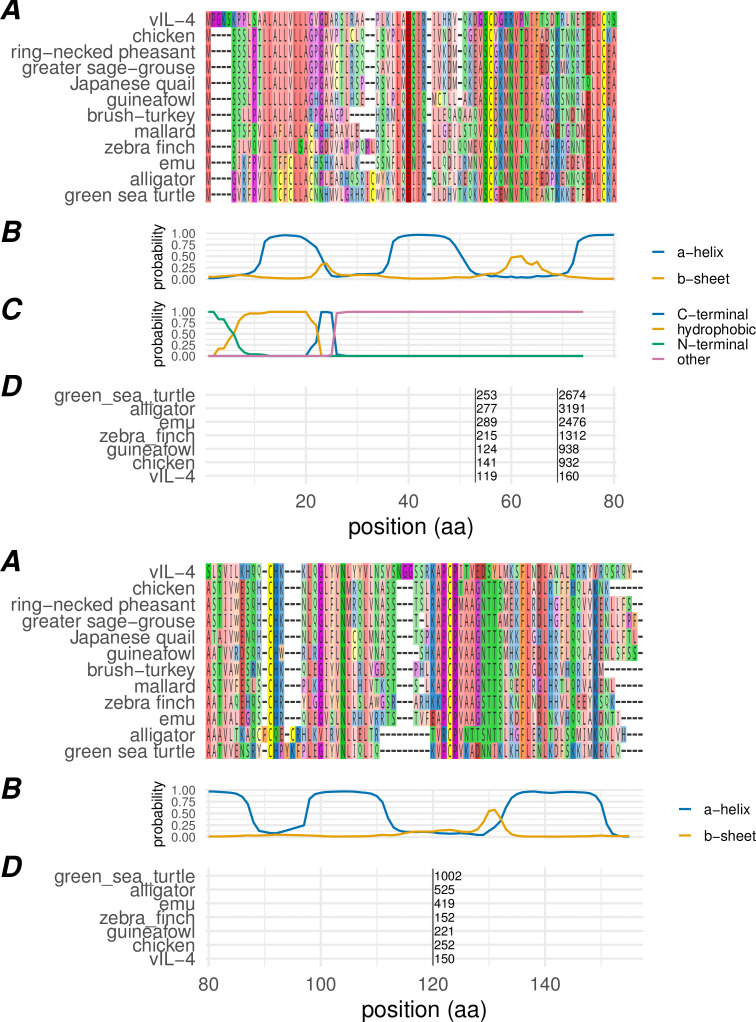
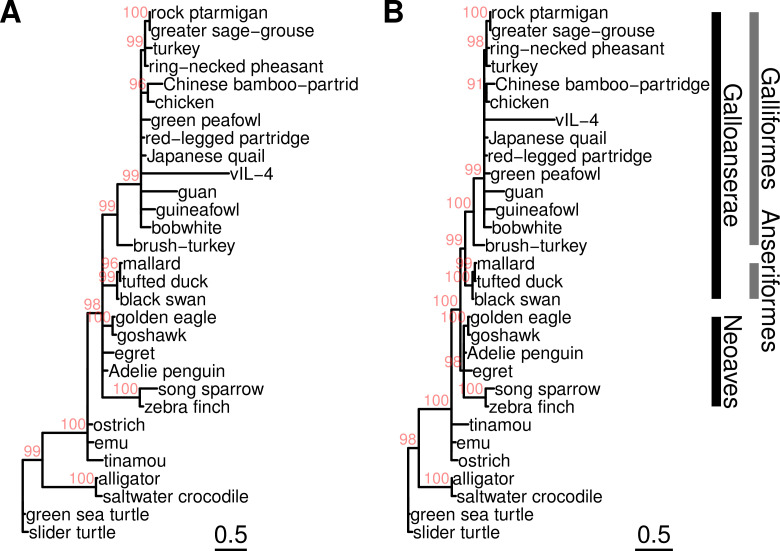
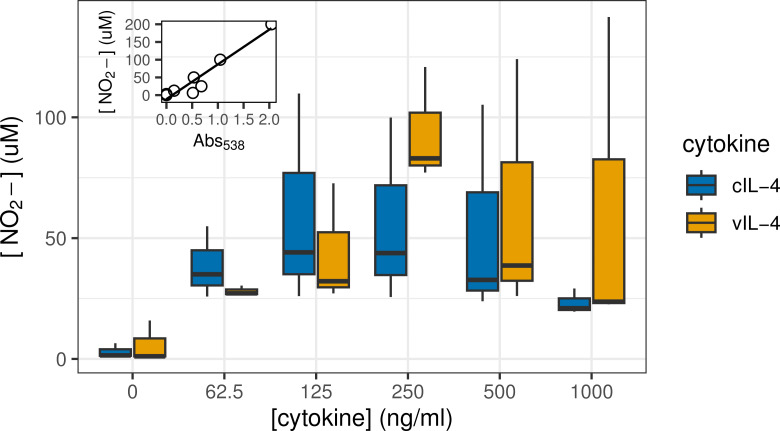
Herpesviruses have evolved numerous immune evasion tactics, persisting within their hosts through self-perpetuating strategies. One such tactic involves acquiring functional copies of host genes encoding cytokines such as IL-6 (HHV-8), IL-10 (HHV-4, HHV-5), and IL-17 (SaHV-2). These viral mimics, or virokines, can bind to cellular receptors, modulating the natural cytokine signaling to manipulate the immune response in favor of the virus or stimulate target cell growth to enhance virus replication. In the course of full-length cDNA sequencing of infectious laryngotracheitis virus (ILTV) transcripts, a previously unknown highly spliced gene was discovered in the viral genome predicted to encode a 147 amino acid protein with similarity to vertebrate interleukin-4. The three-intron gene structure was precisely conserved with chicken and other vertebrate IL-4 homologs, and the amino acid sequence displayed structural conservation with vertebrate homologs at the primary, secondary, and tertiary levels based on computational modeling. The viral IL-4 gene was subsequently identified in all sequenced ILTV genomes. The mature transcript was highly expressed both in vitro and in vivo, and protein expression in infected cells was confirmed using LC-MS/MS. Phylogenetic analyses, along with the conserved gene structure, suggested direct capture from a Galliformes host. Functionally, an LPS-stimulation assay showed that the expressed viral IL-4 homolog stimulated nitric oxide production in a macrophage cell line at comparable levels to recombinant chicken IL-4. A recombinant virus lacking vIL-4 exhibited slightly higher titers in cell culture compared to the parental strain. In vivo bird studies demonstrated reduced pathogenicity of the vIL-4 knockout compared to wildtype. These results represent the first report of a previously unknown virokine encoded in the ILTV genome expressing a functional IL-4 homolog and virulence factor.
疱疹病毒已经进化出多种免疫逃避策略,通过自我延续的策略在宿主内持续存在。其中一种策略涉及获取编码细胞因子(如白细胞介素-6(HHV-8)、白细胞介素-10(HHV-4、HHV-5)和白细胞介素-17(SaHV-2))的宿主基因的功能拷贝。这些病毒模拟物,即病毒细胞因子,可与细胞受体结合,调节天然细胞因子信号传导,以操纵免疫反应从而有利于病毒,或刺激靶细胞生长以增强病毒复制。在传染性喉气管炎病毒(ILTV)转录本的全长cDNA测序过程中,在病毒基因组中发现了一个以前未知的高度剪接基因,预计该基因编码一个与脊椎动物白细胞介素-4相似的147个氨基酸的蛋白质。该含三个内含子的基因结构与鸡和其他脊椎动物白细胞介素-4同源物精确保守,基于计算模型,氨基酸序列在一级、二级和三级水平上与脊椎动物同源物显示出结构保守性。随后在所有测序的ILTV基因组中都鉴定出了病毒白细胞介素-4基因。成熟转录本在体外和体内均高度表达,并使用液相色谱-串联质谱法(LC-MS/MS)证实了感染细胞中的蛋白质表达。系统发育分析以及保守的基因结构表明该基因是直接从鸡形目宿主捕获的。在功能上,脂多糖刺激试验表明,表达的病毒白细胞介素-4同源物在巨噬细胞系中刺激一氧化氮产生的水平与重组鸡白细胞介素-4相当。与亲本毒株相比,缺乏vIL-4的重组病毒在细胞培养中的滴度略高。体内鸟类研究表明,与野生型相比,vIL-4基因敲除病毒的致病性降低。这些结果代表了首次报道在ILTV基因组中编码功能性白细胞介素-4同源物和毒力因子的以前未知的病毒细胞因子。