Kim Seong Hoon, Kee Hae Jin, Zhou Hongyan, Park Hyukjin, Lee Seung Hun, Sim Doo Sun, Jeong Myung Ho, Hong Young Joon
Department of Cardiology, Chonnam National University Medical School, 42 Jebong-ro, Dong-gu, Gwangju, 61469, Republic of Korea.
Department of Biomedical Sciences, Graduate School of Chonnam National University, Hwasun, 58128, Republic of Korea.
Sci Rep. 2025 Jul 24;15(1):26925. doi: 10.1038/s41598-025-12222-0.
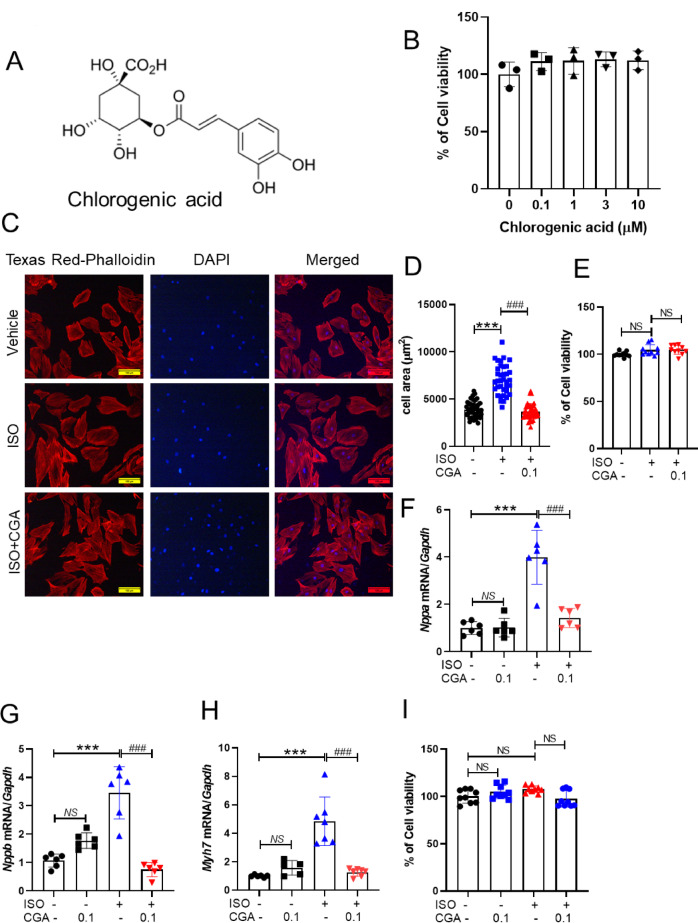
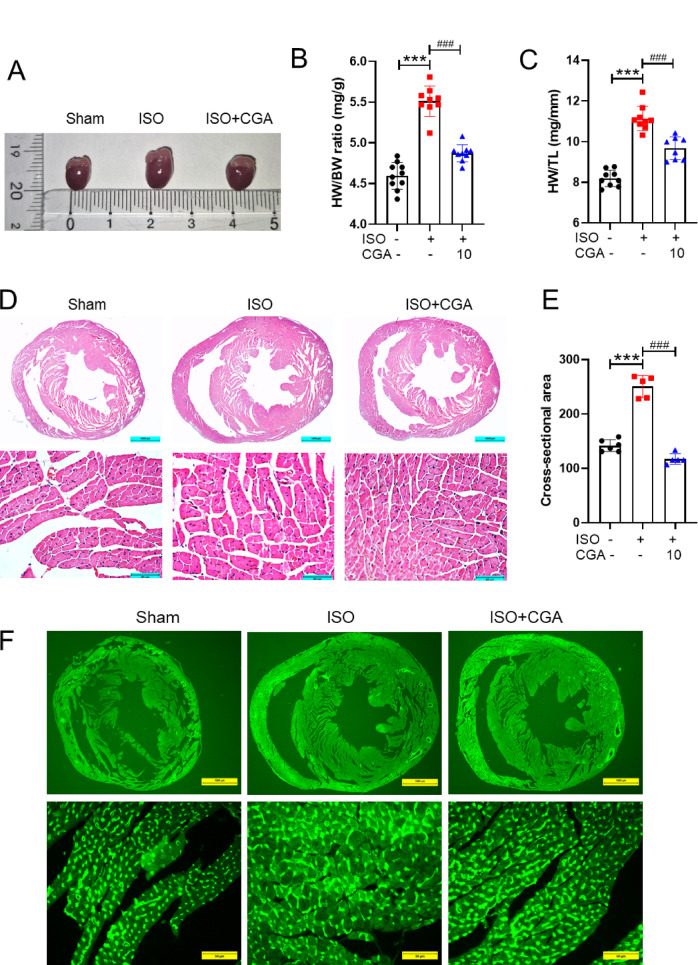
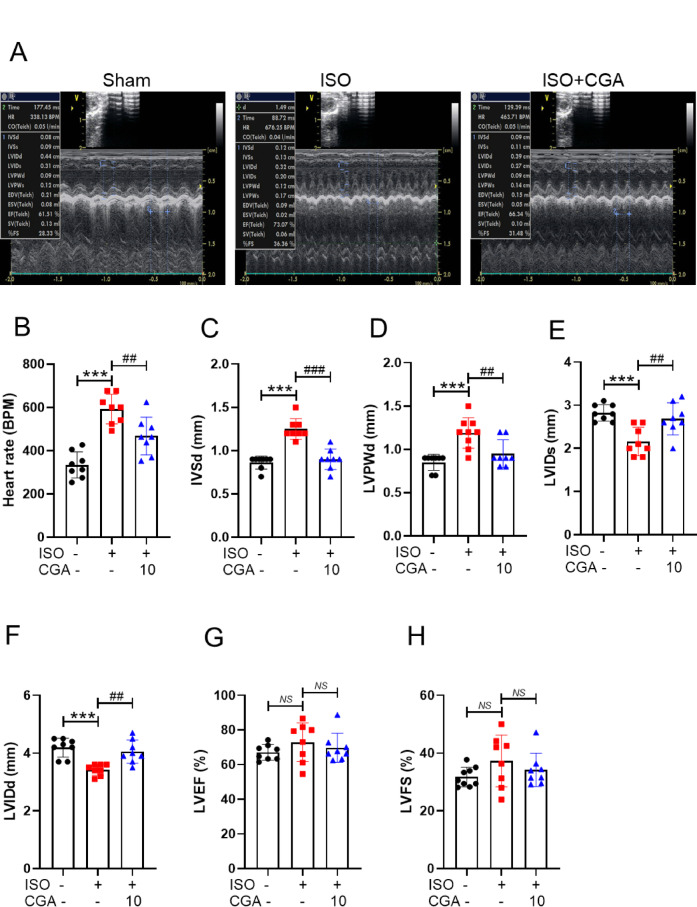
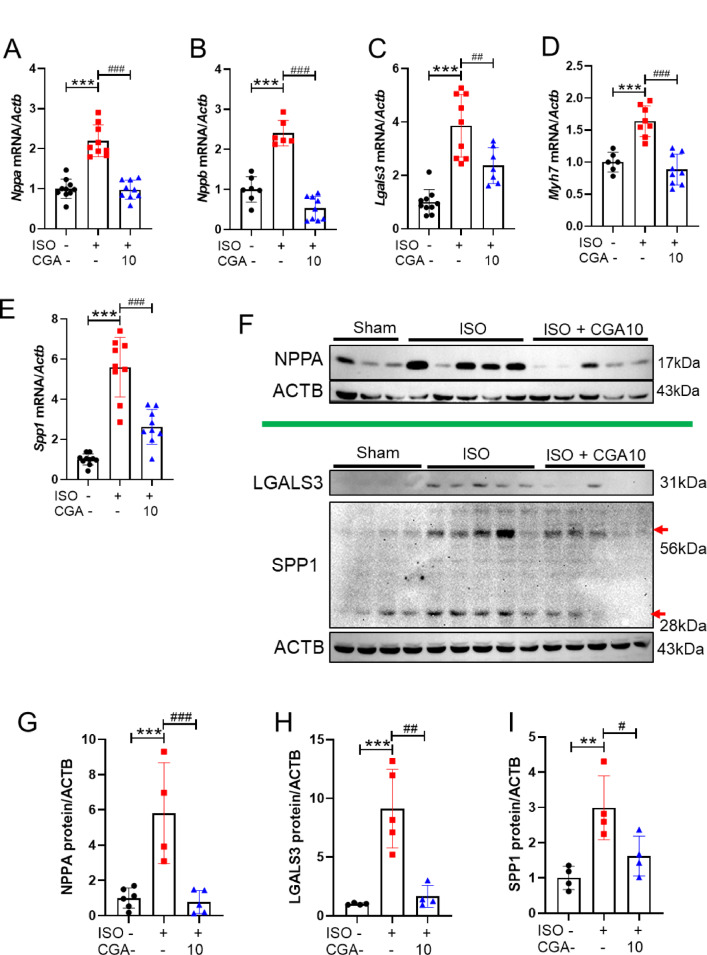
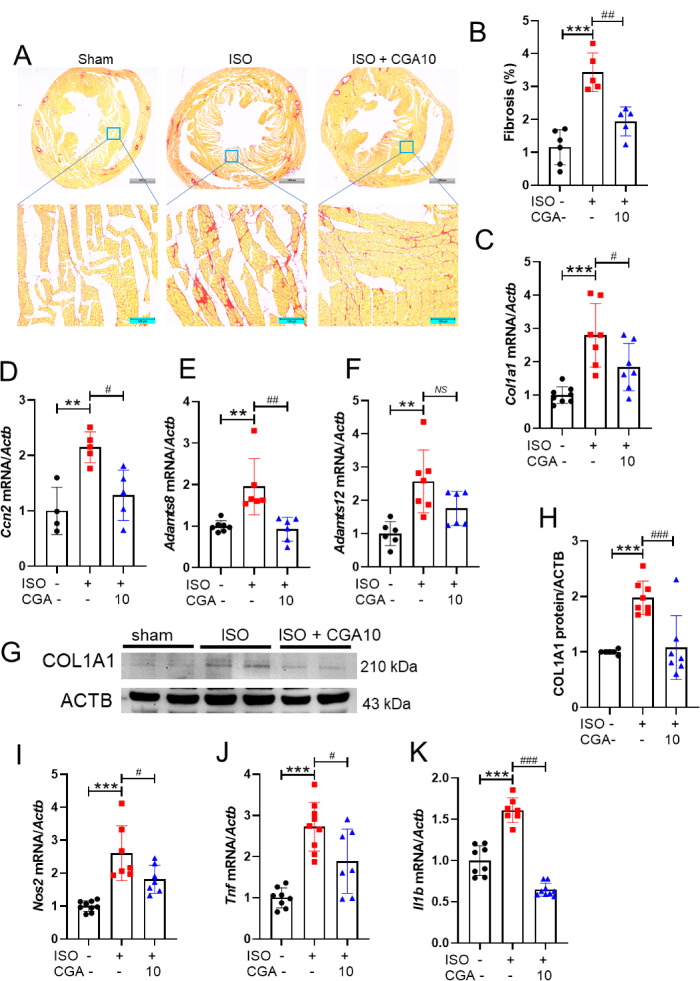
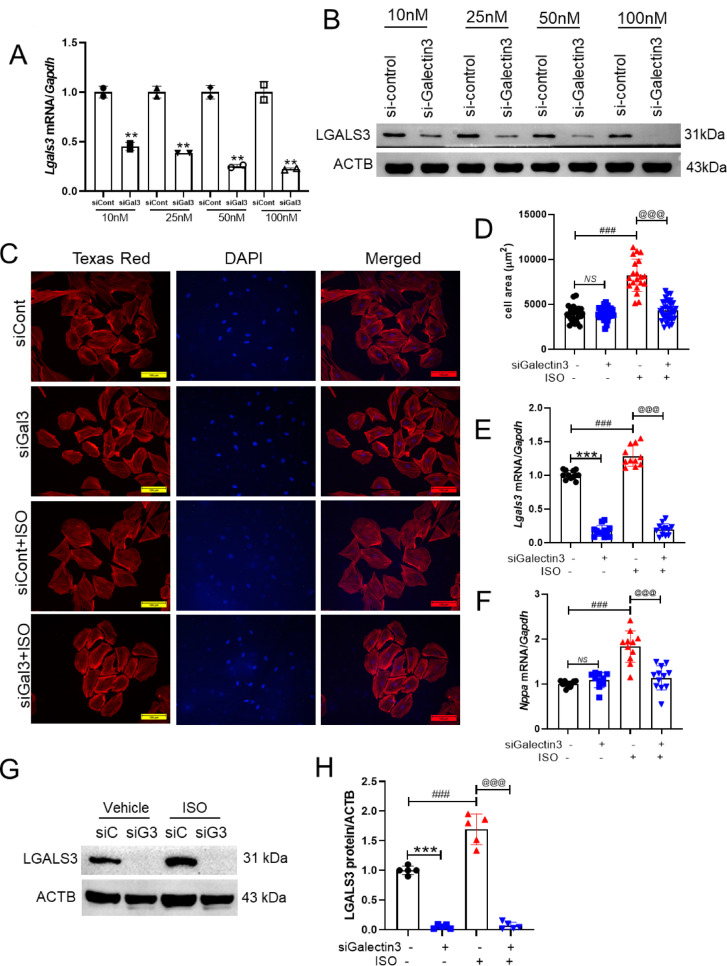
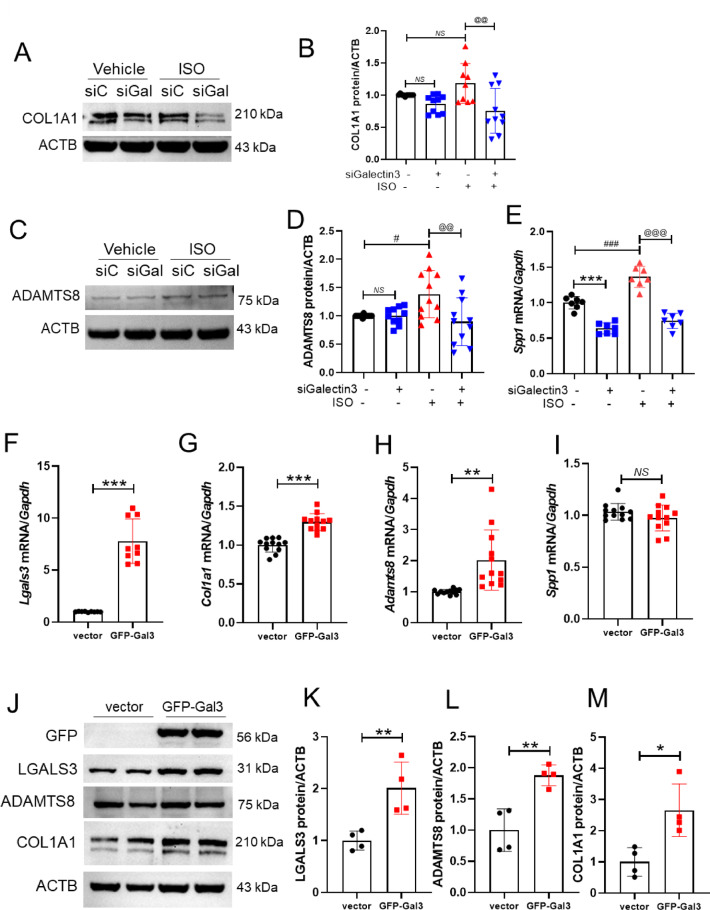
Chlorogenic acid, an ester of caffeic acid and quinic acid, is found in foods such as eggplant and peaches. Its role in heart disease remains poorly understood. This study investigated whether chlorogenic acid affects cardiac hypertrophy and fibrosis in animal and cellular models of isoproterenol-induced cardiac hypertrophy. Treatment of isoproterenol-stimulated cardiomyocytes with chlorogenic acid reduced cell size and the expression levels of cardiac hypertrophy-related genes. In the animal model, isoproterenol was delivered via an osmotic minipump for 2 weeks to induce cardiac hypertrophy, and chlorogenic acid was intraperitoneally administered for the same duration. Echocardiographic analysis showed that chlorogenic acid significantly reduced wall thickness in mice. Picrosirius red staining, quantitative reverse transcription polymerase chain reaction, and Western blot analysis revealed that cardiac fibrosis was attenuated by chlorogenic acid. Chlorogenic acid treatment downregulated galectin 3 (Lgals3), a fibrosis-associated gene that had been upregulated by isoproterenol stimulation. Galectin 3 knockdown ameliorated isoproterenol-induced cardiac hypertrophy and reduced the expression levels of COL1A1 and ADAMTS8; galectin 3 overexpression increased cardiomyocyte size and upregulated COL1A1 and ADAMTS8 expression levels. These findings suggest that chlorogenic acid could serve as a novel treatment for cardiac hypertrophy and fibrosis via downregulation of galectin 3.
绿原酸是咖啡酸和奎尼酸的酯,存在于茄子和桃子等食物中。其在心脏病中的作用仍知之甚少。本研究调查了绿原酸在异丙肾上腺素诱导的心肌肥大动物和细胞模型中是否影响心肌肥大和纤维化。用绿原酸处理异丙肾上腺素刺激的心肌细胞可减小细胞大小,并降低心肌肥大相关基因的表达水平。在动物模型中,通过渗透微型泵给予异丙肾上腺素2周以诱导心肌肥大,并在相同持续时间内腹腔注射绿原酸。超声心动图分析表明,绿原酸显著降低了小鼠的壁厚。天狼星红染色、定量逆转录聚合酶链反应和蛋白质印迹分析显示,绿原酸可减轻心肌纤维化。绿原酸处理下调了半乳糖凝集素3(Lgals3),这是一种在异丙肾上腺素刺激下上调的纤维化相关基因。敲低半乳糖凝集素3可改善异丙肾上腺素诱导的心肌肥大,并降低COL1A1和ADAMTS8的表达水平;过表达半乳糖凝集素3可增加心肌细胞大小,并上调COL1A1和ADAMTS8的表达水平。这些发现表明,绿原酸可通过下调半乳糖凝集素3作为心肌肥大和纤维化的一种新的治疗方法。