Gechev Tsanko
Department of Molecular Stress Physiology, Center of Plant Systems Biology and Biotechnology, 14 Knyaz Boris I Pokrastitel, Plovdiv, 4023, Bulgaria.
Department of Molecular Biology, University of Plovdiv, Plovdiv, 4000, Bulgaria.
Plant J. 2025 Jul;123(2):e70382. doi: 10.1111/tpj.70382.
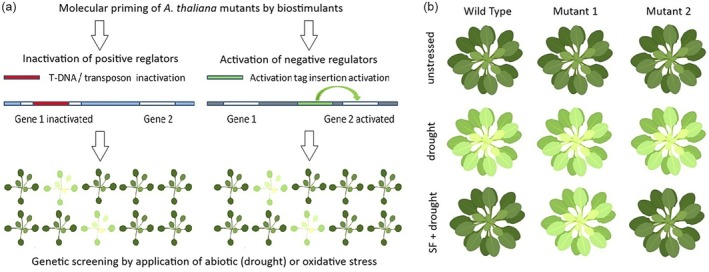
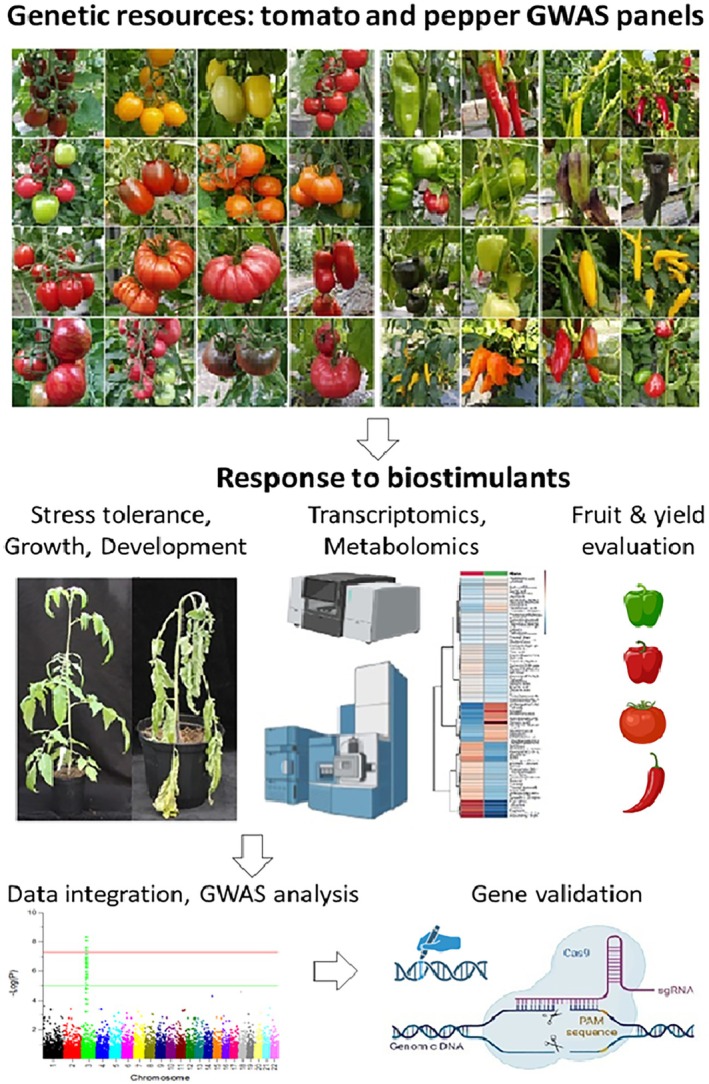
Biostimulants are changing modern agriculture, as they have the potential to secure healthy and sustainable food production while preserving the environment. They have two main biological effects: growth promotion and stress protection. Both effects can lead to enhancement of the yield and improvement of the marketable grade of the produce in crops, without compromising crop quality. Their use increased exponentially in the past decade, as they are highly efficient, ecologically friendly (non-toxic, biodegradable), and applicable to all major crops. While exponential data on the physiological mechanisms of stress protection is accumulating in recent years, the information as to how biostimulants act at the molecular level is still rather limited. Here we review the growing evidence of the biostimulants role in stress protection and yield enhancement of crops, as well as the recent transcriptomic and metabolomic data, which indicate biostimulants' molecular mode of action. In particular, we outline the role of genes encoding signaling components, plant hormones (abscisic acid, brassinosteroids, and ethylene), genes encoding transcription factors from ERF, WRKY, NAC, and MYB families, and genes related to growth, photosynthesis, and stress response. Finally, we describe strategies to study the genetic and genomics control of biostimulants mode of action, with foci on stress tolerance and yield enhancement. In Arabidopsis, established systems for biostimulants-induced protection against drought and oxidative stress will allow both forward and reverse genetics approaches to identify key genes from the biostimulants network. Mutations in such genes compromise the stress-protective effect of biostimulants. In major crops such as pepper and tomato, large Genome Wide Association Studies (GWAS) panels can be utilized to study crops responses to biostimulants in terms of drought tolerance, fruit qualities, and yield in order to pinpoint genes controlling biostimulants-induced stress protection and yield enhancement. The combination of these approaches allows identification and verification of important genes involved in the pathways of biostimulant-induced stress protection and yield enhancement, as well as deciphering parts of the intricate biostimulant-signaling network.
生物刺激素正在改变现代农业,因为它们有潜力在保护环境的同时确保健康和可持续的粮食生产。它们有两个主要的生物学效应:促进生长和保护免受胁迫。这两种效应都可以提高作物产量并改善农产品的可销售等级,而不影响作物品质。在过去十年中,它们的使用呈指数级增长,因为它们高效、生态友好(无毒、可生物降解),并且适用于所有主要作物。虽然近年来关于胁迫保护生理机制的指数级数据不断积累,但关于生物刺激素在分子水平上如何起作用的信息仍然相当有限。在这里,我们综述了越来越多的证据表明生物刺激素在作物胁迫保护和增产方面的作用,以及最近的转录组学和代谢组学数据,这些数据表明了生物刺激素的分子作用模式。特别是,我们概述了编码信号成分、植物激素(脱落酸、油菜素内酯和乙烯)的基因,来自ERF、WRKY、NAC和MYB家族的编码转录因子的基因,以及与生长、光合作用和胁迫反应相关的基因的作用。最后,我们描述了研究生物刺激素作用模式的遗传和基因组控制的策略,重点是胁迫耐受性和增产。在拟南芥中,已建立的生物刺激素诱导的抗旱和抗氧化胁迫系统将允许采用正向和反向遗传学方法从生物刺激素网络中鉴定关键基因。这些基因的突变会损害生物刺激素的胁迫保护作用。在辣椒和番茄等主要作物中,可以利用大型全基因组关联研究(GWAS)面板来研究作物对生物刺激素在耐旱性、果实品质和产量方面的反应,以便确定控制生物刺激素诱导的胁迫保护和增产的基因。这些方法的结合可以识别和验证参与生物刺激素诱导的胁迫保护和增产途径的重要基因,以及破译复杂的生物刺激素信号网络的部分内容。