Mondal Saugat, An Jusung, Bera Tapas, Banerjee Moumita, Debnath Snehasish, Mandal Debasish, Sikder Antara, Guha Samit, Kim Jong Seung, Singh N D Pradeep
Department of Chemistry, Indian Institute of Technology Kharagpur, Kharagpur 721302, India.
Department of Chemistry, Korea University, Seoul 02841, Korea.
ACS Cent Sci. 2025 Mar 20;11(7):1062-1070. doi: 10.1021/acscentsci.5c00027. eCollection 2025 Jul 23.
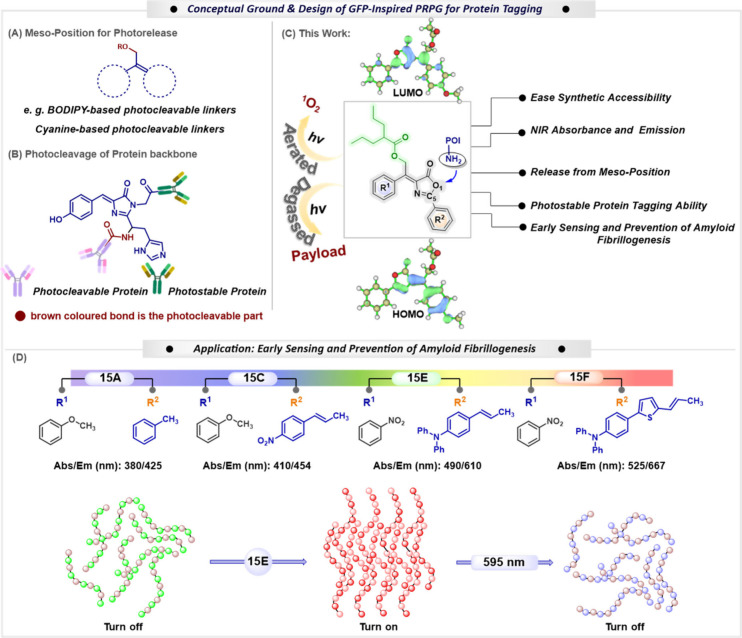
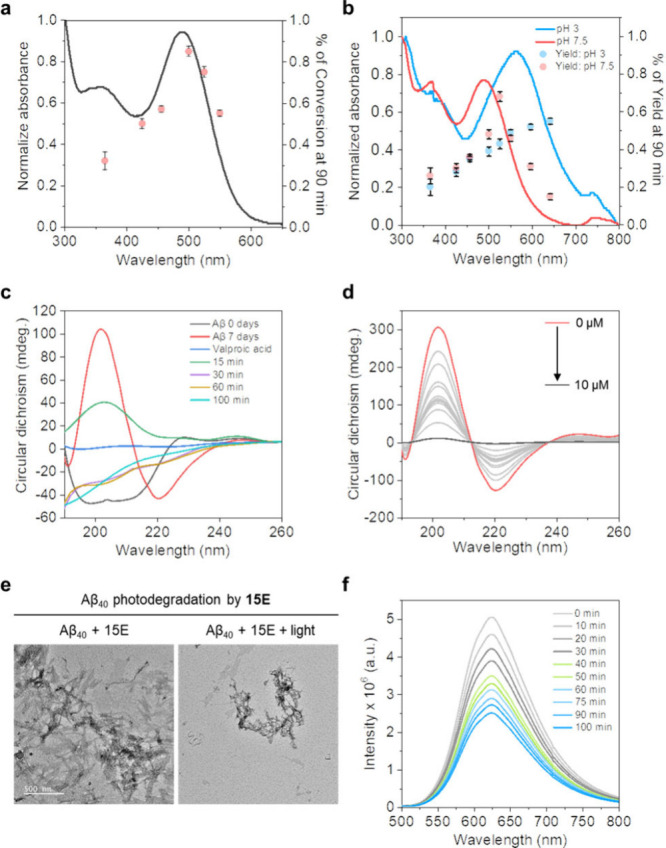
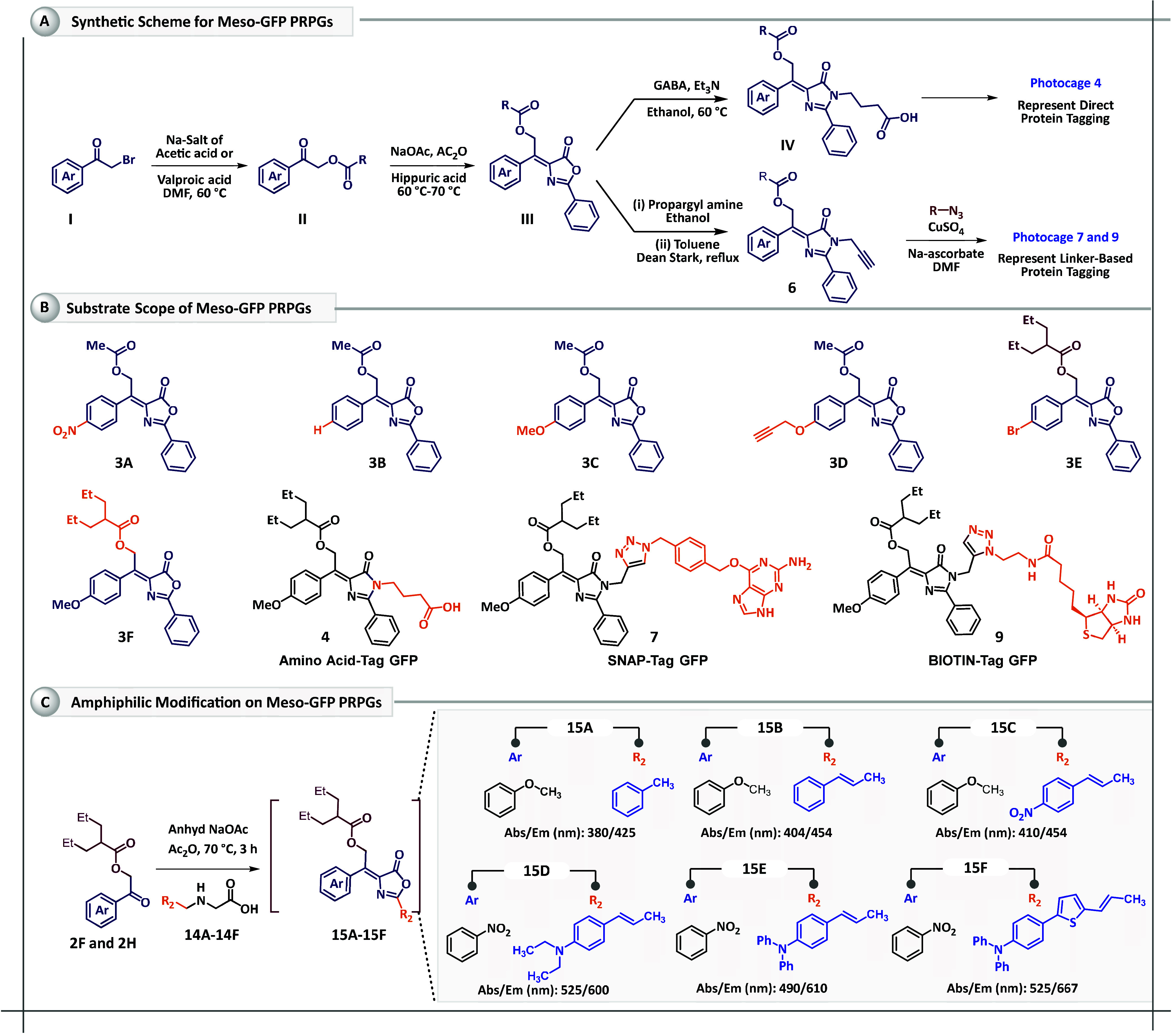
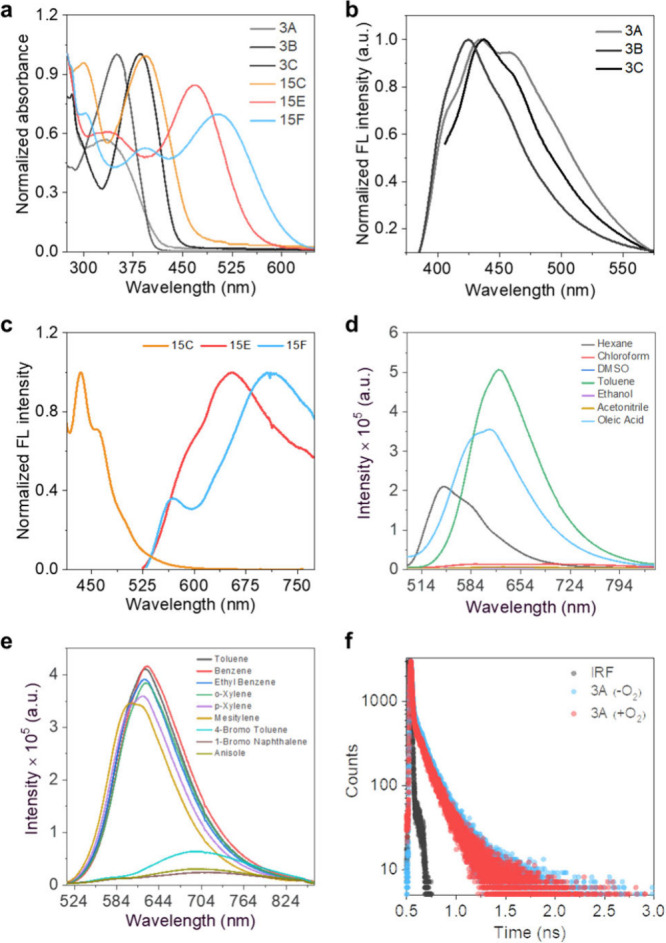
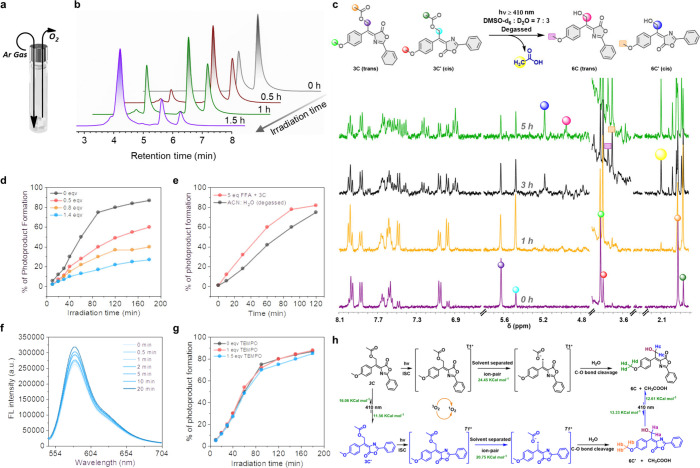
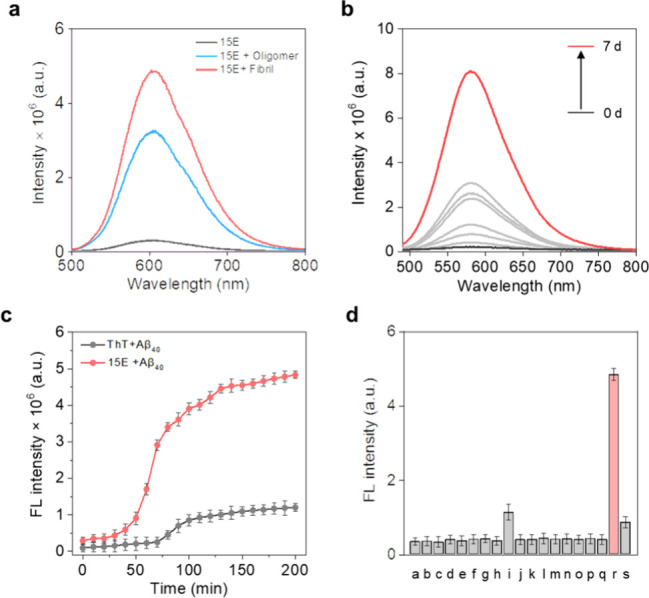
NIR light-activated photocage with inherent protein tagging ability is unprecedented in contemporary photochemistry. Herein, we introduce a series of protein-taggable NIR-photocages derived from green fluorescent protein (GFP) chromophore analogs with spatiotemporal control for releasing the caged bioactive molecules. Through molecular engineering of the GFP chromophoric scaffold, a series of meso-substituted oxazolone-photocages (-GFP-PRPG) were judiciously designed and synthesized. These photocages, anchored with electron-donating groups (EDG) and electron-withdrawing groups (EWG), accommodate diverse payloads, including aliphatic carboxylic acids, expanding the possibilities for tailoring their properties and applications. Notably, under anaerobic conditions, irradiation of -GFP-PRPG leads to fast and efficient release of caged molecules. Insightful experimental and theoretical investigations revealed that photorelease is predominantly driven by the triplet state photochemistry in anaerobic conditions. The concept's theranostic potential was demonstrated by the conditional release of valproic acid, a neuroprotective agent for Alzheimer's disease (AD) treatment. -GFP-PRPG () showed enhanced NIR emission with Aβ oligomers and fibrils (30-37 fold vs ThT) and effectively degraded amyloid fibrils under 640 nm light, offering a promising targeted treatment approach for neurodegenerative disorders.
具有固有蛋白质标记能力的近红外光激活光笼在当代光化学中是前所未有的。在此,我们介绍了一系列源自绿色荧光蛋白(GFP)发色团类似物的可蛋白质标记的近红外光笼,它们具有时空控制能力,可释放笼蔽的生物活性分子。通过对GFP发色团支架进行分子工程,精心设计并合成了一系列中取代恶唑酮光笼(-GFP-PRPG)。这些光笼锚定有供电子基团(EDG)和吸电子基团(EWG),可容纳多种负载物,包括脂肪族羧酸,从而扩大了调整其性质和应用的可能性。值得注意的是,在厌氧条件下,-GFP-PRPG的照射会导致笼蔽分子快速高效释放。深入的实验和理论研究表明,光释放主要由厌氧条件下的三重态光化学驱动。通过有条件地释放丙戊酸(一种用于治疗阿尔茨海默病(AD)的神经保护剂),证明了该概念的诊疗潜力。-GFP-PRPG()与Aβ寡聚体和原纤维相比,近红外发射增强(比ThT高30 - 37倍),并在640 nm光下有效降解淀粉样原纤维,为神经退行性疾病提供了一种有前景的靶向治疗方法。