Zhu Can, Li Jinhong, Li Yaofeng, Chen Daiyong, Lin Chang
College of Basic Medicine, Guizhou University of Traditional Chinese Medicine, Guiyang 550025, China.
College of Basic Chinese Medicine, Guizhou University of Traditional Chinese Medicine, Guiyang 550025, China.
Curr Issues Mol Biol. 2025 Jul 19;47(7):569. doi: 10.3390/cimb47070569.
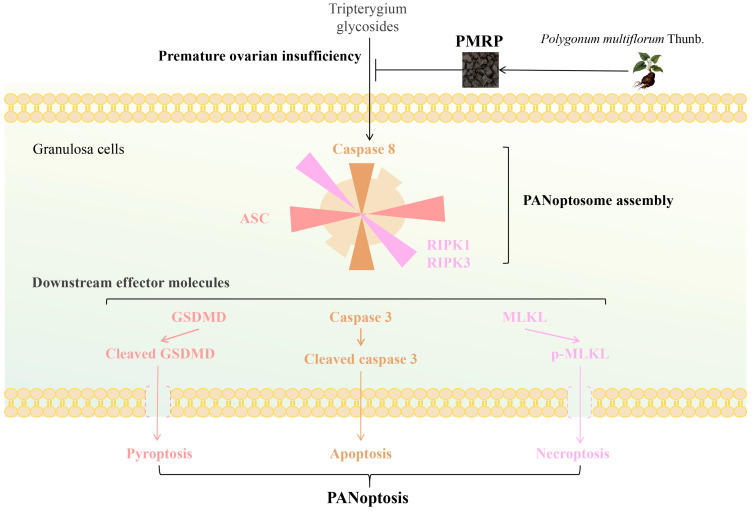
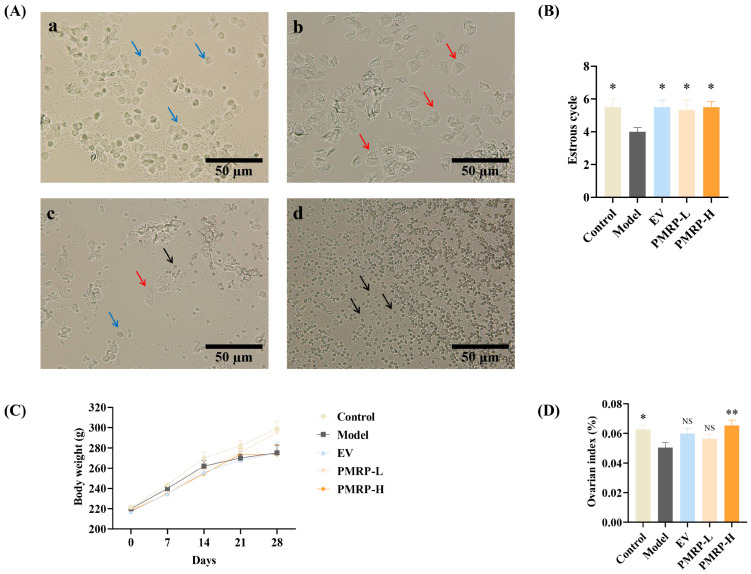
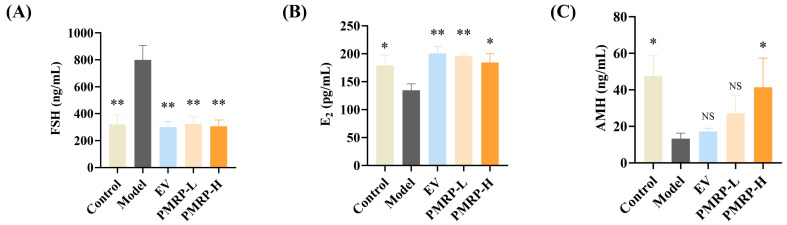
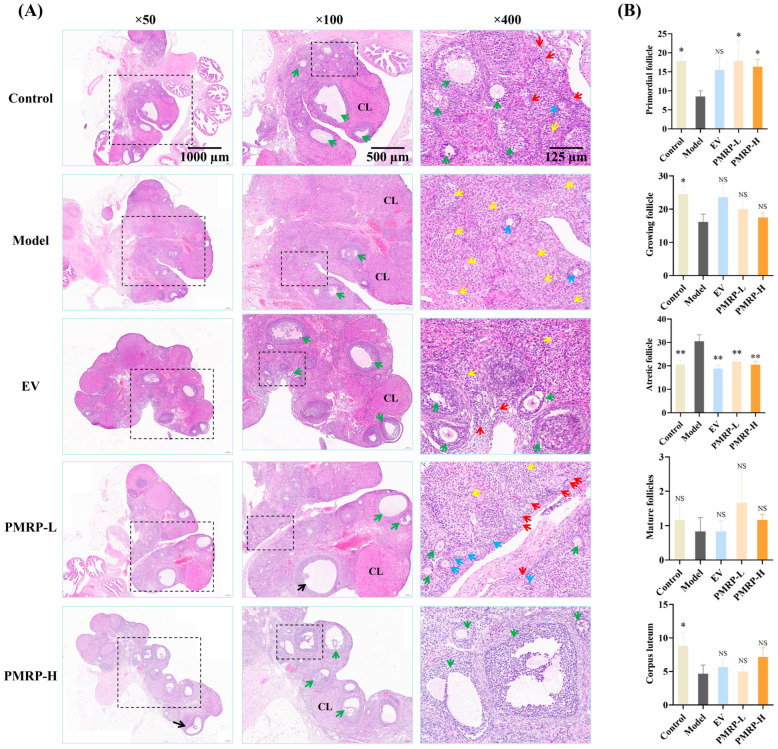
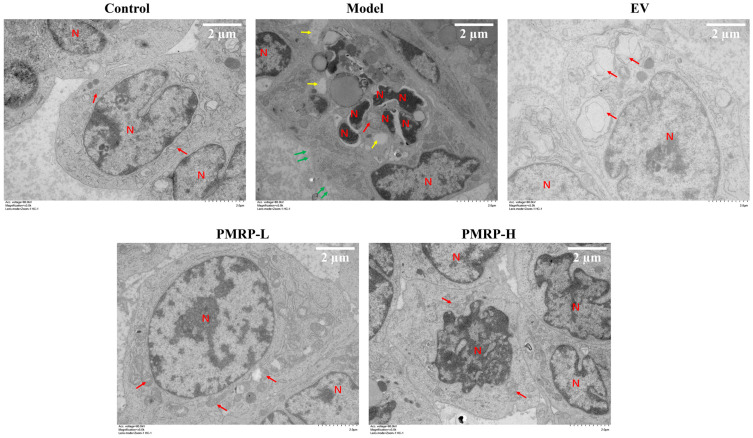
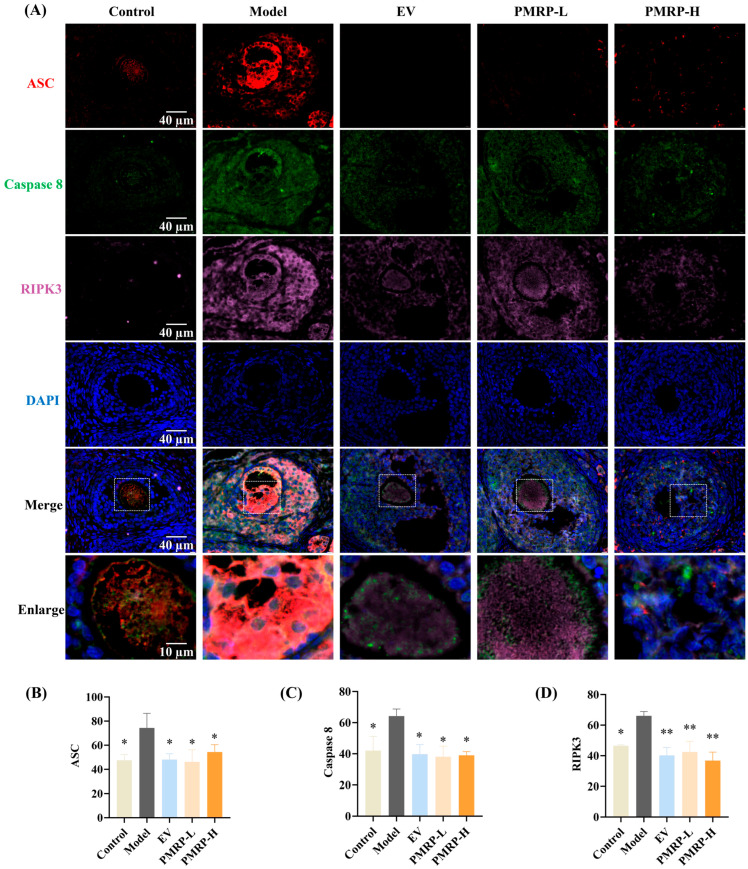
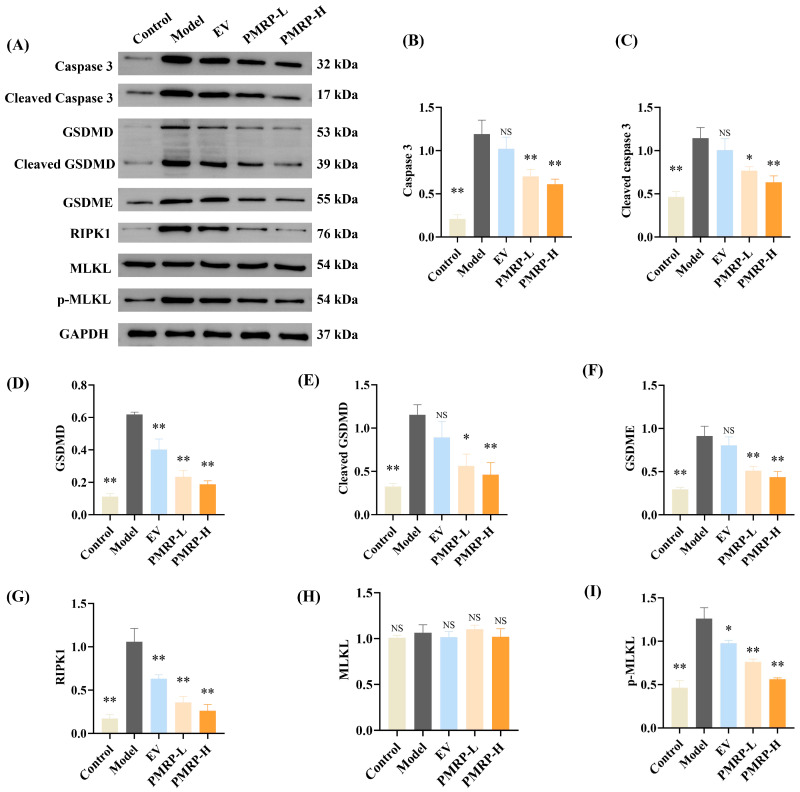
Polygoni Multiflori Radix Praeparata (PMRP), a processed root of Thunb. (known as Zhiheshouwu in Chinese medicine), exhibits anti-aging properties and is used to improve ovarian aging. However, its therapeutic mechanism against premature ovarian insufficiency (POI) remains unclear. This study investigates whether PMRP alleviates POI by inhibiting PANoptosis-a cell death pathway characterized by the concurrent occurrence and interplay of pyroptosis, apoptosis, and necroptosis. POI was induced in rats using tripterygium glycosides. We evaluated the estrous cycle, serum hormone levels (follicle-stimulating hormone [FSH], estrogen [E], anti-Müllerian hormone [AMH]), follicular development, and the ultrastructure of granulosa cells. PANoptosome assembly (apoptosis-associated speck-like protein containing a CARD [ASC]/caspase-8/receptor-interacting protein kinase 3 [RIPK3] co-localization) and key effectors of PANoptosis (caspase 3, cleaved caspase 3, gasdermin D [GSDMD], cleaved GSDMD, GSDME, RIPK1, mixed-lineage kinase domain-like protein [MLKL], and p-MLKL) were analyzed. PMRP restored the estrous cycle, lowered FSH levels, and increased E and AMH levels in POI rats. It reduced follicular atresia, preserved primordial follicles, and suppressed PANoptosis-like death in granulosa cells. Mechanistically, PMRP disrupted PANoptosome assembly and downregulated key effectors of PANoptosis. PMRP alleviates POI by inhibiting PANoptosis in granulosa cells, overcoming the previous limitations of targeting single death pathways and providing novel insights into the pathogenesis and treatment strategies for POI.
制何首乌(PMRP)是蓼科植物何首乌的炮制根(在中药中称为制何首乌),具有抗衰老特性,可用于改善卵巢衰老。然而,其治疗卵巢早衰(POI)的机制尚不清楚。本研究调查了PMRP是否通过抑制PANoptosis(一种以细胞焦亡、凋亡和坏死性凋亡同时发生和相互作用为特征的细胞死亡途径)来减轻POI。使用雷公藤多苷诱导大鼠发生POI。我们评估了动情周期、血清激素水平(促卵泡生成素[FSH]、雌激素[E]、抗苗勒管激素[AMH])、卵泡发育以及颗粒细胞的超微结构。分析了PANoptosome组装(含半胱天冬酶激活和招募结构域的凋亡相关斑点样蛋白[ASC]/半胱天冬酶-8/受体相互作用蛋白激酶3[RIPK3]共定位)和PANoptosis的关键效应分子(半胱天冬酶3、裂解的半胱天冬酶3、gasdermin D[GSDMD]、裂解的GSDMD、GSDME、RIPK1、混合谱系激酶结构域样蛋白[MLKL]和p-MLKL)。PMRP恢复了POI大鼠的动情周期,降低了FSH水平,并提高了E和AMH水平。它减少了卵泡闭锁,保留了原始卵泡,并抑制了颗粒细胞中类似PANoptosis的死亡。从机制上讲,PMRP破坏了PANoptosome组装并下调了PANoptosis的关键效应分子。PMRP通过抑制颗粒细胞中的PANoptosis来减轻POI,克服了以往针对单一死亡途径的局限性,并为POI的发病机制和治疗策略提供了新的见解。