Charonis Spyros, James Lisa M, Georgopoulos Apostolos P
Brain Sciences Center, Department of Veterans Affairs Health Care System, Minneapolis, MN, 5541, USA.
Department of Neuroscience, University of Minnesota Medical School, Minneapolis, MN 55455, USA.
J Neurol Neuromedicine. 2019 Oct 19;4(5):23-30. doi: 10.29245/2572.942x/2019/5.1254.
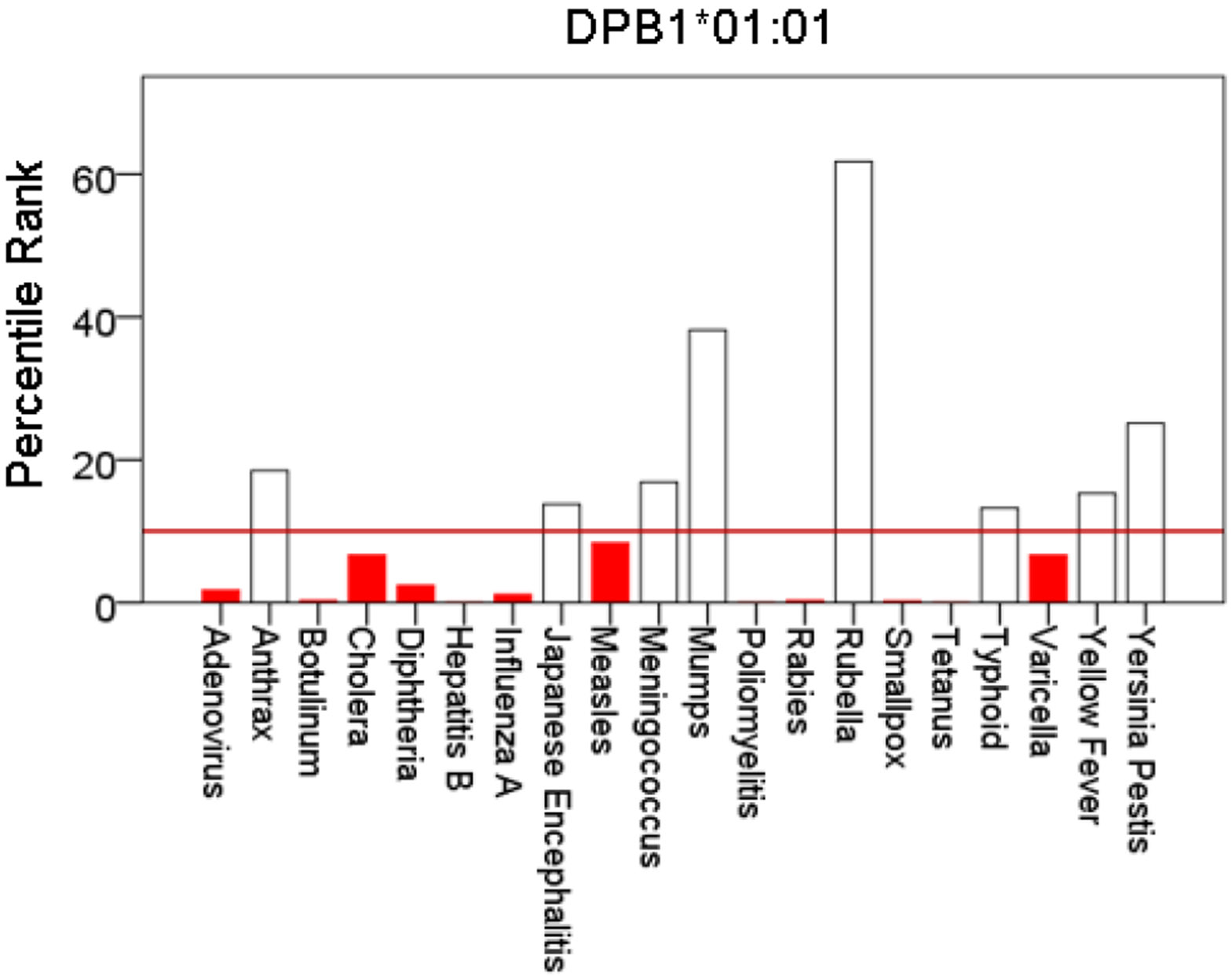
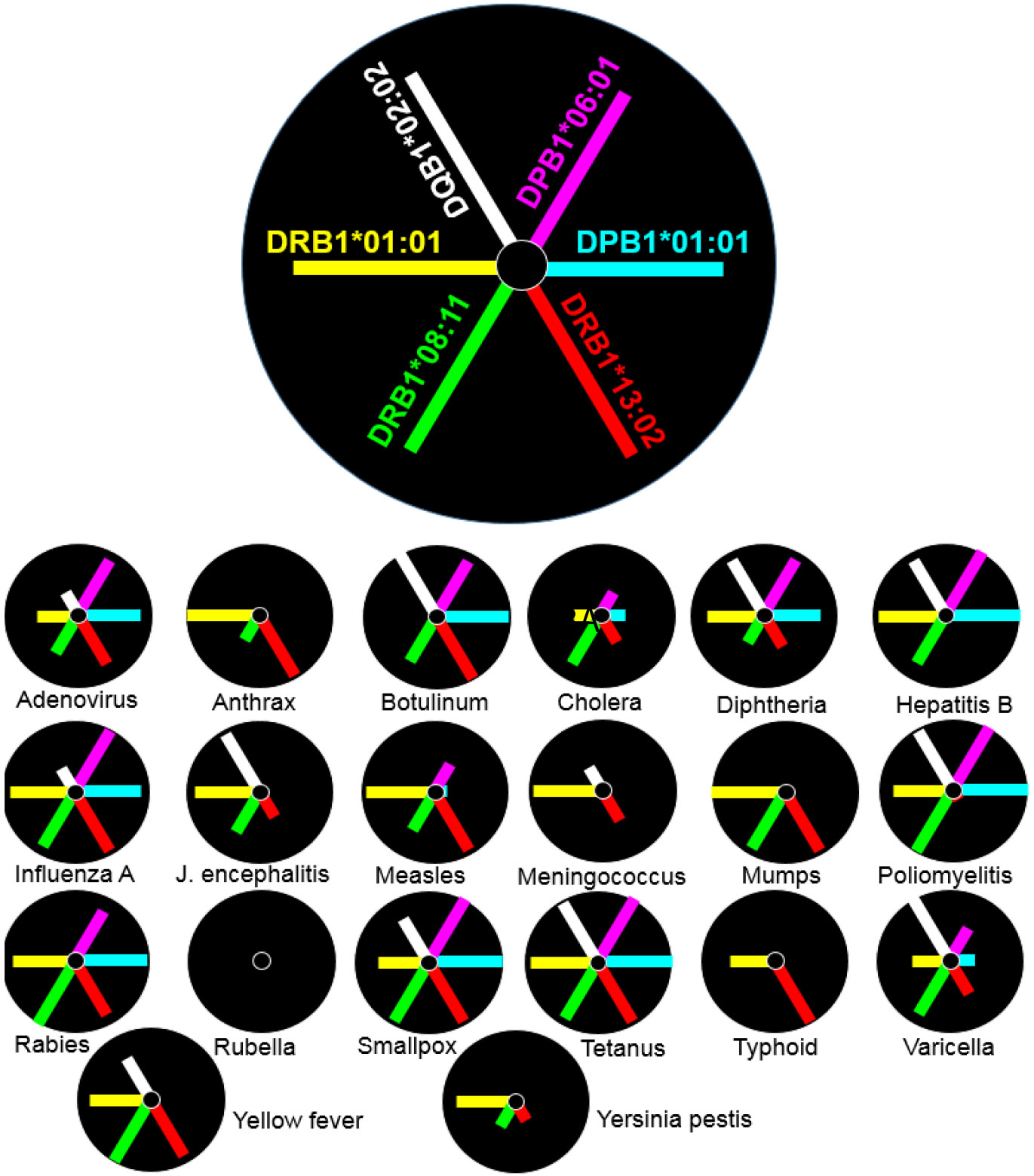
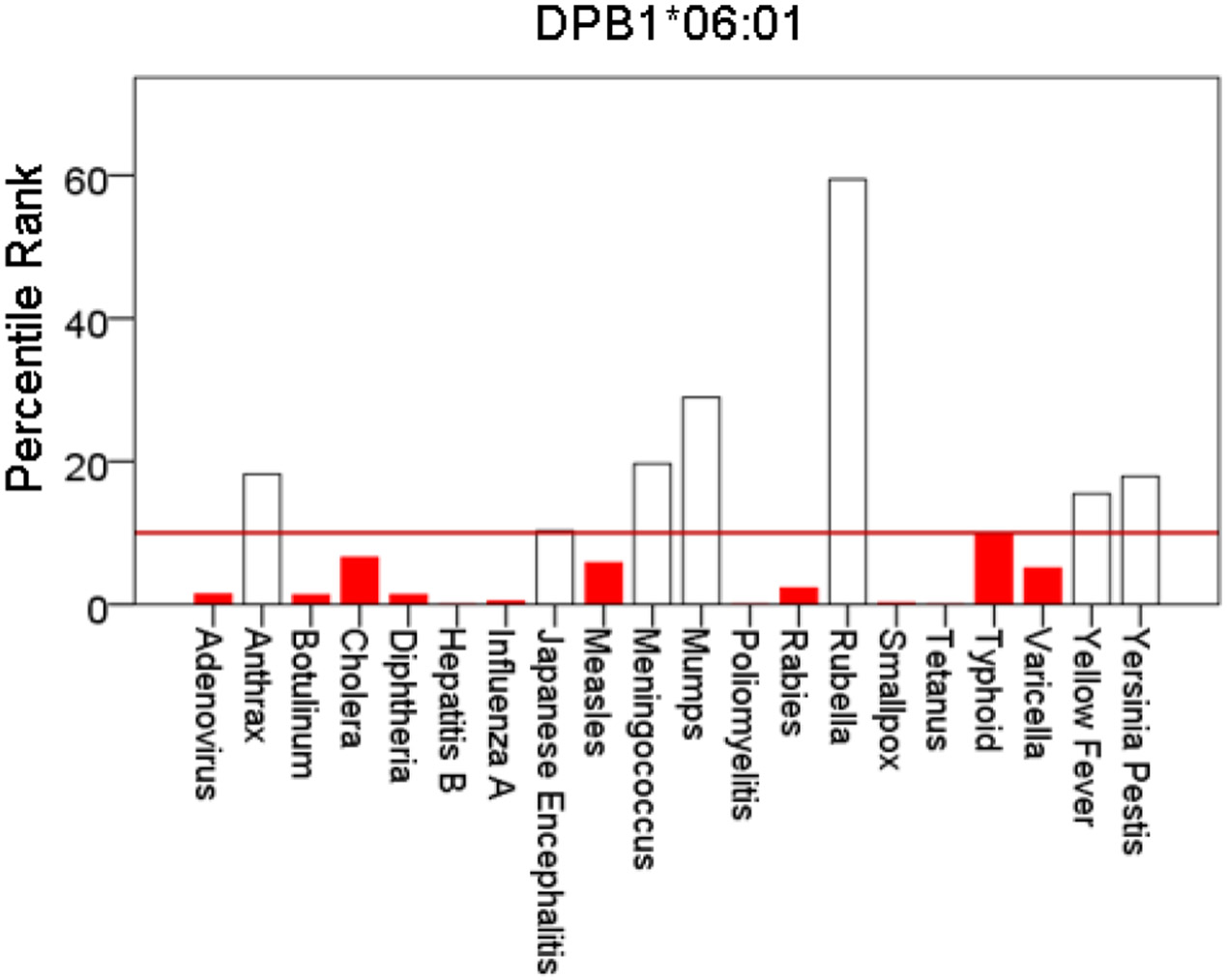
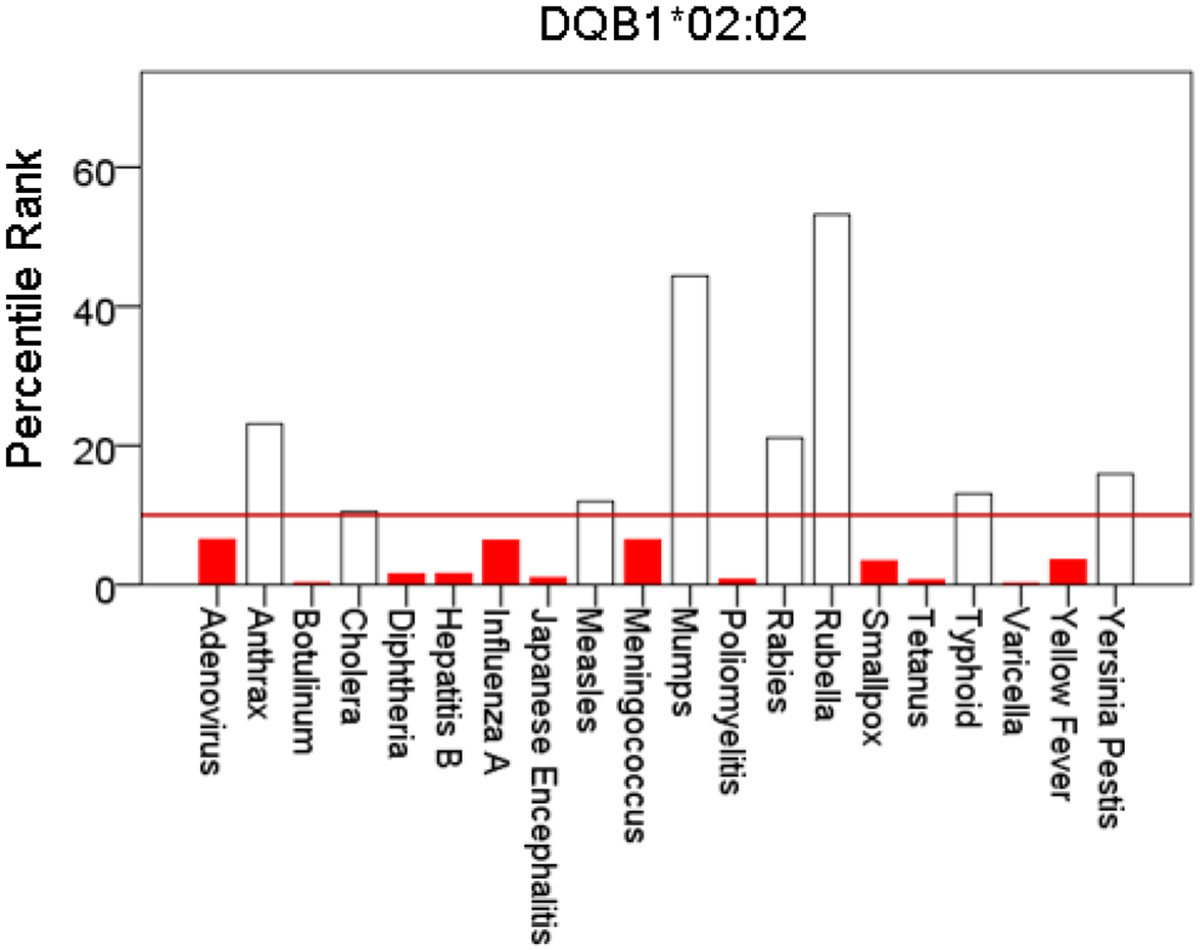
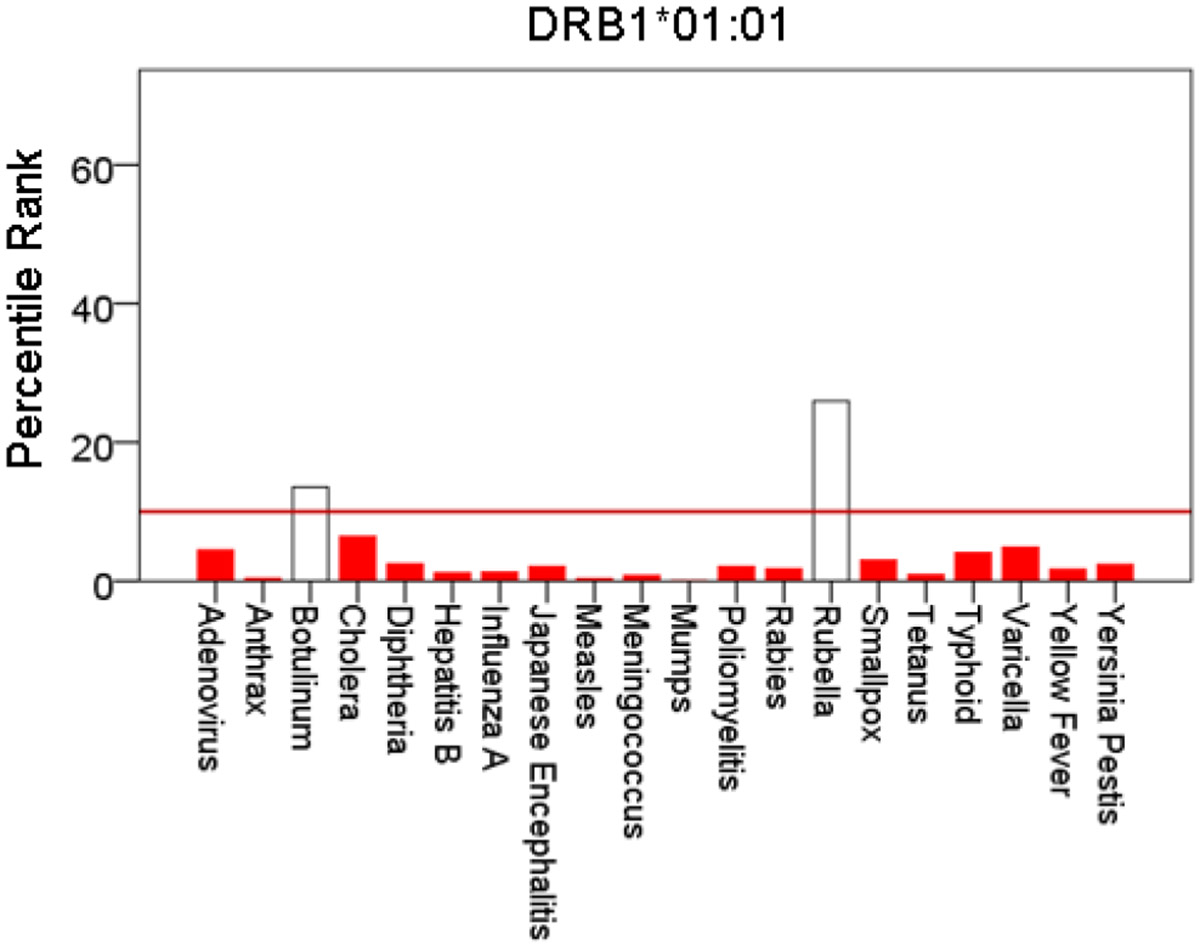
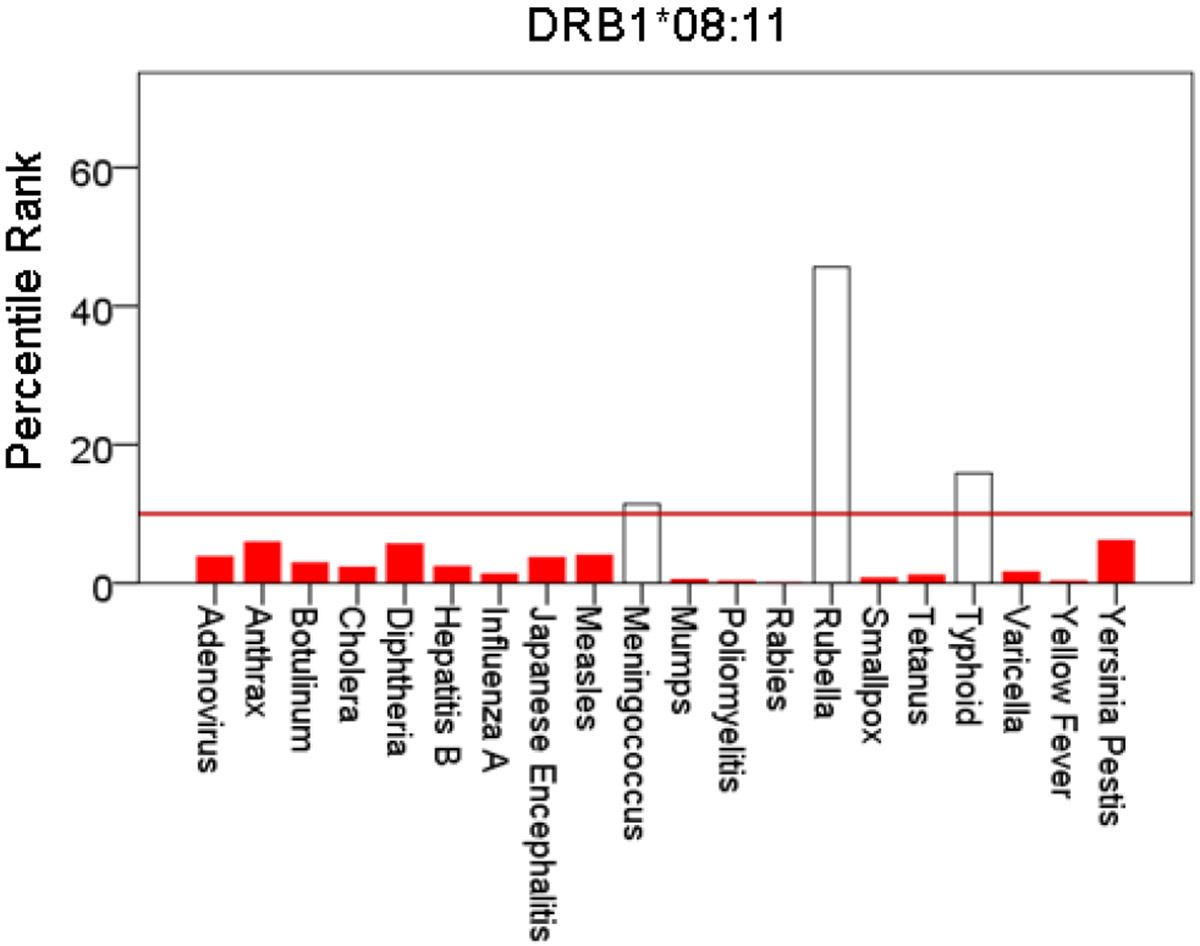
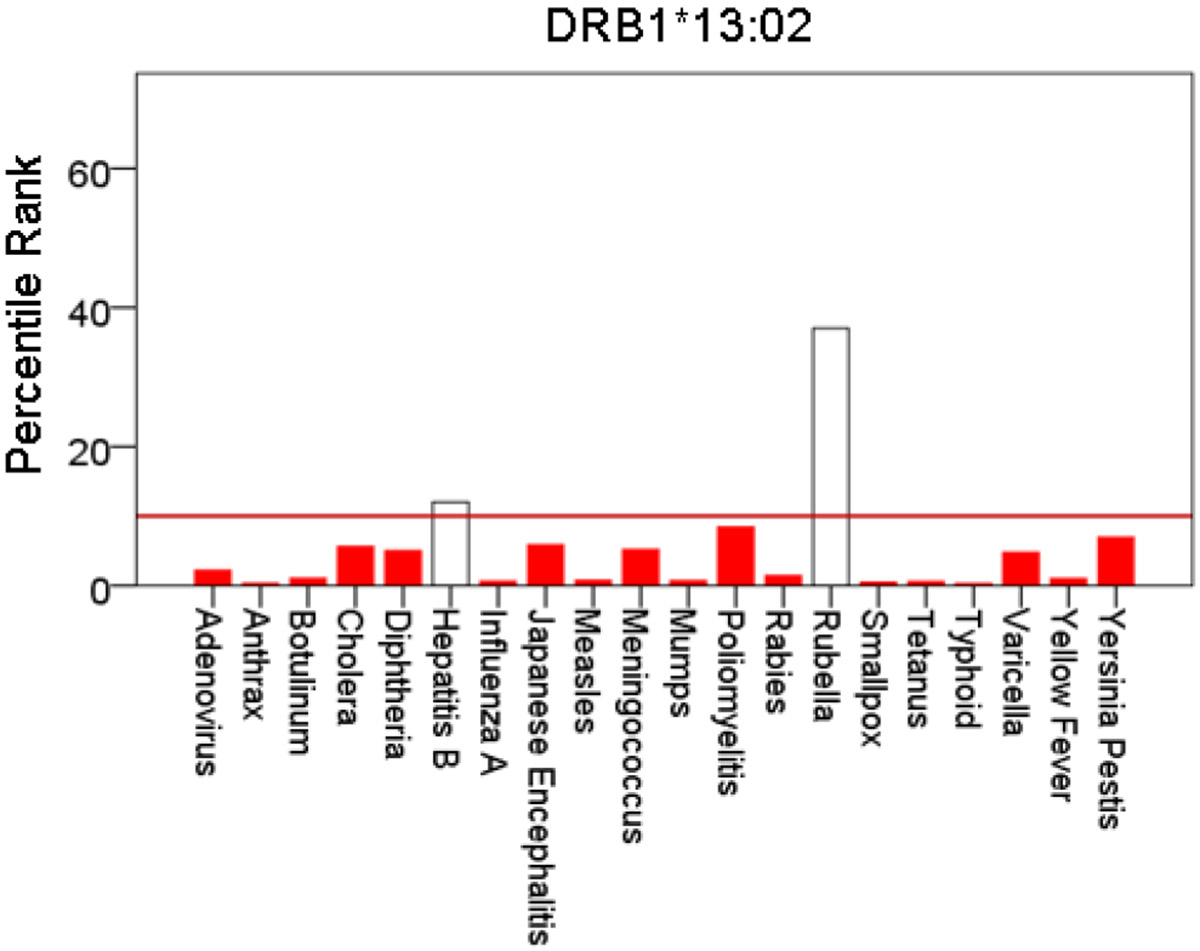
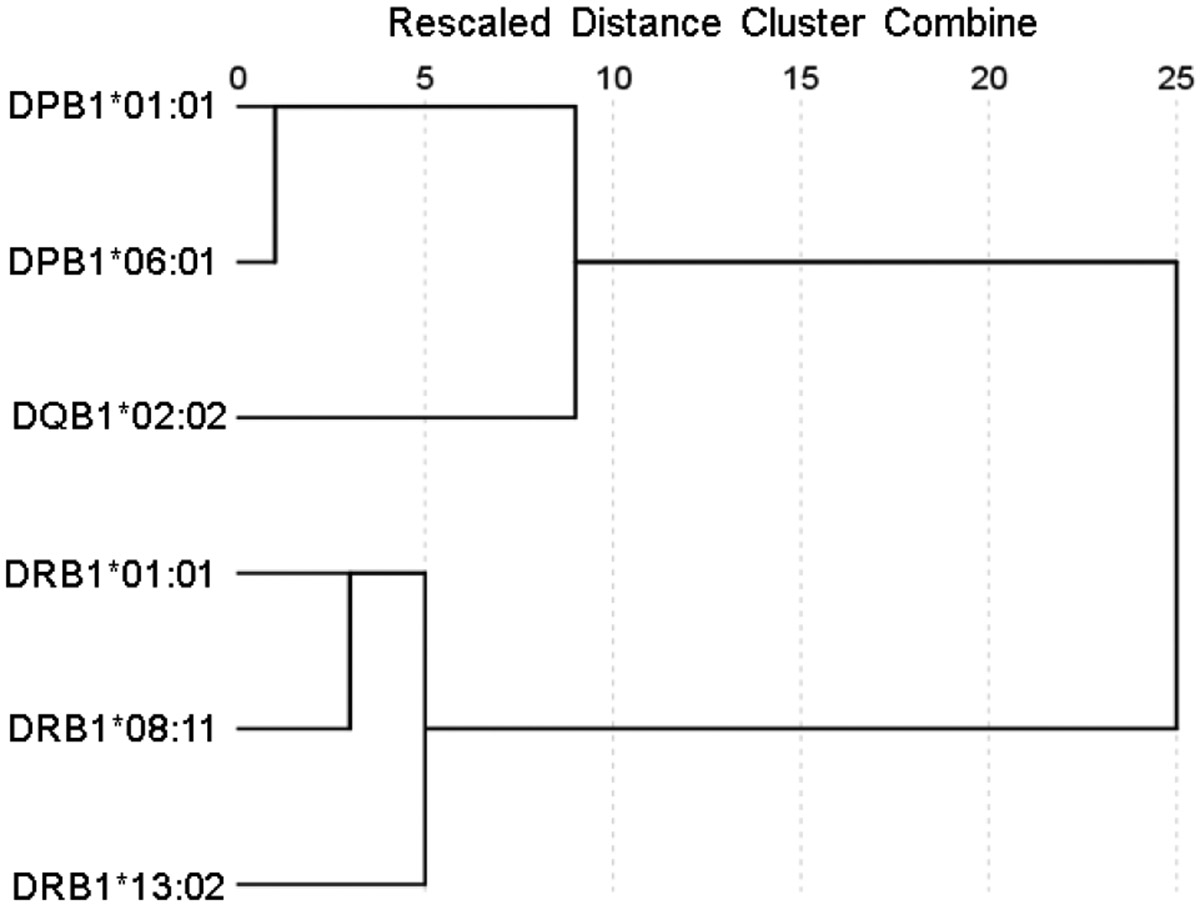
Gulf War Illness (GWI) is a chronic, multi-symptom disorder of unknown etiology affecting veterans of the 1990-91 Gulf War. We identified previously a set of 6 Human Leukocyte Antigen (HLA) class II alleles that are protective for GWI, namely DPB101:01, DPB106:01, DQB102:02, DRB101:01, DRB108:11, and DRB113:02. Since the function of HLA class II molecules is to connect with matching extracellular antigens of various pathogens (mostly viruses), as an initial step in the sequence of events leading to the development of antibodies against the matched antigen and its subsequent elimination, we hypothesized that GWI may be due, in part, to the persistence of offending antigens which could not be eliminated. We further hypothesized that such antigens were contained in the 16 vaccines administered to GW veterans against adenovirus, anthrax, botulinum, cholera, diphtheria, hepatitis B, influenza A, Japanese encephalitis, measles, meningococcus, poliomyelitis, rabies, smallpox, tetanus, typhoid, yellow fever. This hypothesis predicts that antigens present in those vaccines should have a high affinity for matching with the 6 HLA class II protective alleles above. Here we tested this prediction by using the Immune Epitope DataBase (IEDB) to determine the ranked affinity of each one of the 6 GWI protective alleles to the 10 most frequently assayed epitopes of each pathogen for which a vaccine was administered. We found that our 6 GWI protective alleles above collectively covered all vaccine antigens except for rubella for which all alleles above showed low binding affinity. Affinity strength varied among antigen-allele pairs, with DRB101:01 and DRB113:02 showing overall higher affinities. These two alleles also had the highest binding affinities for the anthrax antigen contained in the anthrax vaccine administered to GW veterans. These findings document a good match between the 6 GWI HLA protective alleles above and the antigens contained in the GW vaccines, and support the fundamental assumption that the HLA protection for GWI is mediated through the successful elimination of potentially harmful persistent antigens contained in those vaccines.
海湾战争综合征(GWI)是一种病因不明的慢性多症状疾病,影响着1990 - 1991年海湾战争的退伍军人。我们之前鉴定出一组对GWI具有保护作用的6个人类白细胞抗原(HLA)II类等位基因,即DPB101:01、DPB106:01、DQB102:02、DRB101:01、DRB108:11和DRB113:02。由于HLA II类分子的功能是与各种病原体(主要是病毒)的匹配细胞外抗原相结合,作为导致针对匹配抗原产生抗体并随后将其清除的一系列事件的第一步,我们推测GWI可能部分归因于无法被清除的致病抗原的持续存在。我们进一步推测,此类抗原包含在给海湾战争退伍军人接种的16种疫苗中,这些疫苗针对腺病毒、炭疽、肉毒杆菌、霍乱、白喉、乙型肝炎、甲型流感、日本脑炎、麻疹、脑膜炎球菌、脊髓灰质炎、狂犬病、天花、破伤风、伤寒、黄热病。该假设预测,那些疫苗中存在的抗原应与上述6种HLA II类保护等位基因具有高度亲和力。在此,我们通过使用免疫表位数据库(IEDB)来测试这一预测,以确定上述6种GWI保护等位基因中每一个与针对每种接种疫苗的病原体的10个最常检测表位的排序亲和力。我们发现,除风疹外,上述6种GWI保护等位基因共同涵盖了所有疫苗抗原,对于风疹,上述所有等位基因均显示出低结合亲和力。抗原 - 等位基因对之间的亲和力强度各不相同,DRB101:01和DRB113:02总体显示出较高的亲和力。这两个等位基因对给海湾战争退伍军人接种的炭疽疫苗中所含的炭疽抗原也具有最高的结合亲和力。这些发现证明了上述6种GWI HLA保护等位基因与海湾战争疫苗中所含抗原之间的良好匹配,并支持了HLA对GWI的保护是通过成功清除那些疫苗中潜在有害的持续抗原介导的这一基本假设。