Ascione Raimondo, Stasiak Joanna R, Baz-Lopez Daniel, Serrani Marta, Moggridge Geoff D
Bristol Medical School and Translational Biomedical Research Centre, Faculty of Health and Life Science, University of Bristol, Bristol BS2 8HW, United Kingdom.
Department of Chemical Engineering and Biotechnology, University of Cambridge, Cambridge CB3 0AS, United Kingdom.
Eur J Cardiothorac Surg. 2025 Aug 2;67(8). doi: 10.1093/ejcts/ezaf266.
To assess the in vivo 6-month safety of styrene-block-ethylene/butylene-block-styrene (SEBS) block copolymers material used to make cardiac valves.
Research-grade mitral valve prototypes made from SEBS29/SEBS20 copolymers (n = 7; 3 with heparin-coating) were implanted in juvenile sheep under cardiopulmonary bypass and kept for 6 months. No vitamin K antagonists were used. Anticoagulation included enoxaparin 1 mg/kg SC twice/day from day 1 until day 120 along with clopidogrel 300 mg once/day with food from day 1 until sacrifice. Safety measures included SEBS-related calcification, degradation, haemolysis, cytotoxicity, clinical pathology (biochemistry, complete blood count, coagulation), structural integrity, damage to surrounding tissue, overall animal health, and device embolization and function.
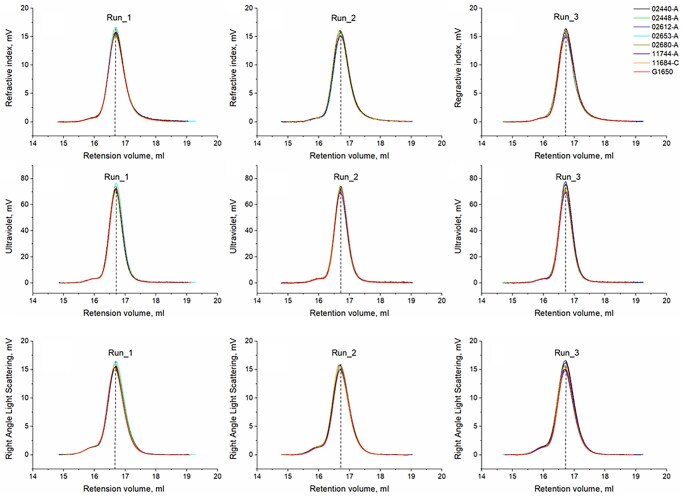
Surgery was feasible in all cases. Four animals reached the final 180 ± 5 days timepoint, while 1 needed non-SEBS related sacrifice on day 2, 1 suffered non-SEBS related death on day 81, and 1 needed sacrifice on day 169 due to prototype dysfunction. High-resolution X-ray, spectroscopy and histology showed absence of SEBS calcification, while gel permeation chromatography confirmed no SEBS degradation at 6 months. At histology, there was no SEBS-related calcification, thrombosis, cytotoxic or neoplastic degeneration, and no damage of the cardiac and downwards organs. Blood testing showed no haemolysis, while clinical pathology and animal health remained within normal reference intervals. The function of the research-grade mitral prototypes was clinically acceptable. The use of heparin-coating did not add benefit.
This preclinical in vivo study in juvenile sheep confirms the 6-month safety of SEBS29/SEBS20 material used to make cardiac valves. A future early feasibility study is warranted to confirm long-term durability, haemocompatibility, and function in humans.
评估用于制造心脏瓣膜的苯乙烯-嵌段-乙烯/丁烯-嵌段-苯乙烯(SEBS)嵌段共聚物材料在体内6个月的安全性。
由SEBS29/SEBS20共聚物制成的研究级二尖瓣原型(n = 7;3个带有肝素涂层)在体外循环下植入幼年绵羊体内,并维持6个月。未使用维生素K拮抗剂。抗凝措施包括从第1天至第120天皮下注射依诺肝素1 mg/kg,每日两次,同时从第1天至处死每日一次随食物服用300 mg氯吡格雷。安全措施包括与SEBS相关的钙化、降解、溶血、细胞毒性、临床病理学(生物化学、全血细胞计数、凝血)、结构完整性、对周围组织的损伤、动物整体健康状况以及装置栓塞和功能。
所有病例手术均可行。4只动物达到了最后的180±5天时间点,1只在第2天因非SEBS相关原因处死,1只在第81天因非SEBS相关原因死亡,1只在第169天因原型功能障碍需要处死。高分辨率X射线、光谱学和组织学检查显示无SEBS钙化,而凝胶渗透色谱法证实在6个月时SEBS未降解。组织学检查显示无SEBS相关的钙化、血栓形成、细胞毒性或肿瘤性退变,心脏及向下器官无损伤。血液检测显示无溶血,而临床病理学和动物健康状况仍在正常参考区间内。研究级二尖瓣原型的功能在临床上是可接受的。使用肝素涂层未带来益处。
这项在幼年绵羊身上进行的临床前体内研究证实了用于制造心脏瓣膜的SEBS29/SEBS20材料6个月的安全性。有必要进行未来的早期可行性研究以确认其在人体中的长期耐久性、血液相容性和功能。