Tsoi Ho, Leung George Man Hong, Man Ellen Pui Sum, You Chan Ping, Cheung Koei Ho Lam, Chan Kelvin Yuen Kwong, Gong Chun, Huen Michael Shing Yan, Khoo Ui Soon
Department of Pathology, School of Clinical Medicine, Li Ka Shing Faculty of Medicine, The University of Hong Kong, Pokfulam, Hong Kong SAR, China.
School of Science and Technology, Hong Kong Metropolitan University, Ho Man Tin, Hong Kong SAR, China.
J Transl Med. 2025 Aug 5;23(1):860. doi: 10.1186/s12967-025-06902-8.
Triple-negative breast cancer (TNBC) is an aggressive subtype lacking targetable proteins for treatment. PARP inhibitors (PARPi) are effective in BRCA-mutated cancers but have limited utility in non-germline BRCA-mutated (non-gBRCAm) TNBC. We hypothesized that inducing BRCAness by targeting RAD51, a key homologous recombination protein, could sensitize non-gBRCAm TNBC to PARPi.
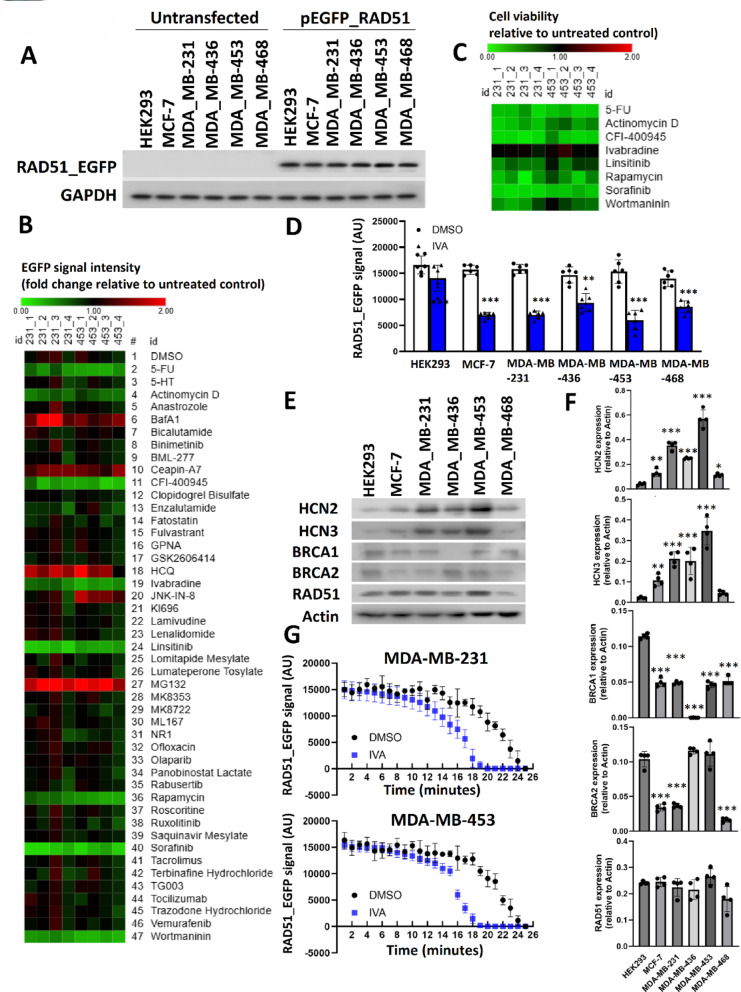
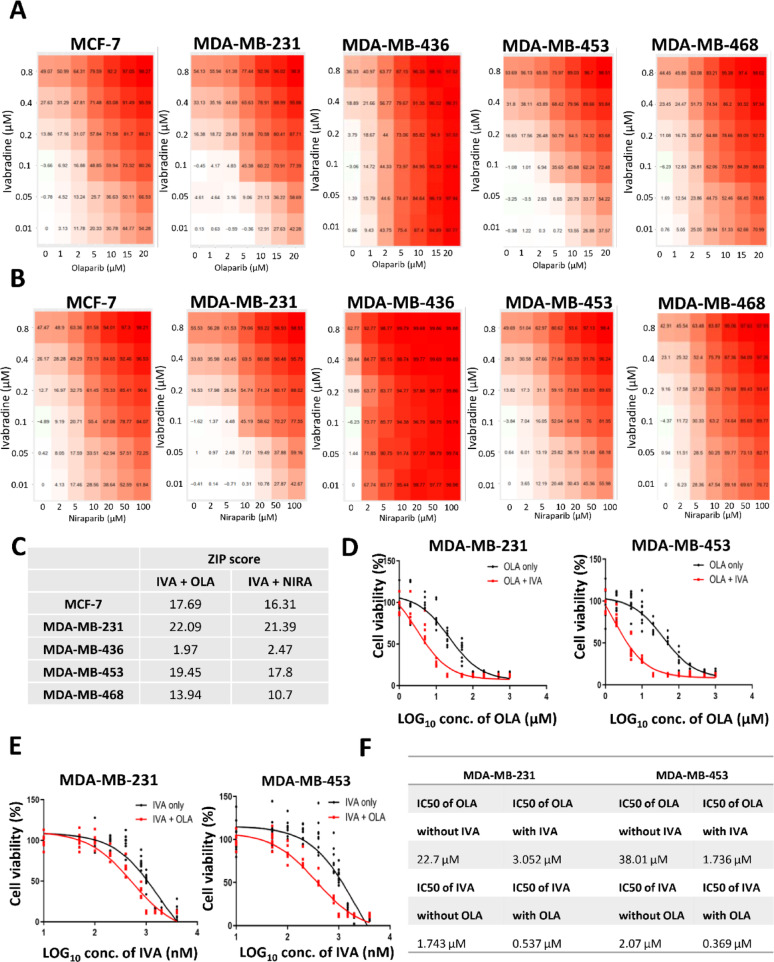
EGFP-tagged RAD51 was generated and EGFP signal was monitored for identifying agents that affected RAD51 protein expression and stability. Cell viability was assayed using cell counting kit-8. Synergism of ivabradine and olaparib was determined using SynergyFinder 3.0. DR-GFP, EJ5-GFP and comet assays were employed to evaluate the degree of DNA repair and damage, respectively. Protein and mRNA levels were determined by western blot and qPCR, respectively. ChIP was used to determine the binding to ATF6 to the promoter of FBXO24. CoIP was employed to determine the interaction between RAD51 and FBXO24. Xenografts on nude mice and PDTX were in vivo models for validating the combined effect of ivabradine and olaparib.
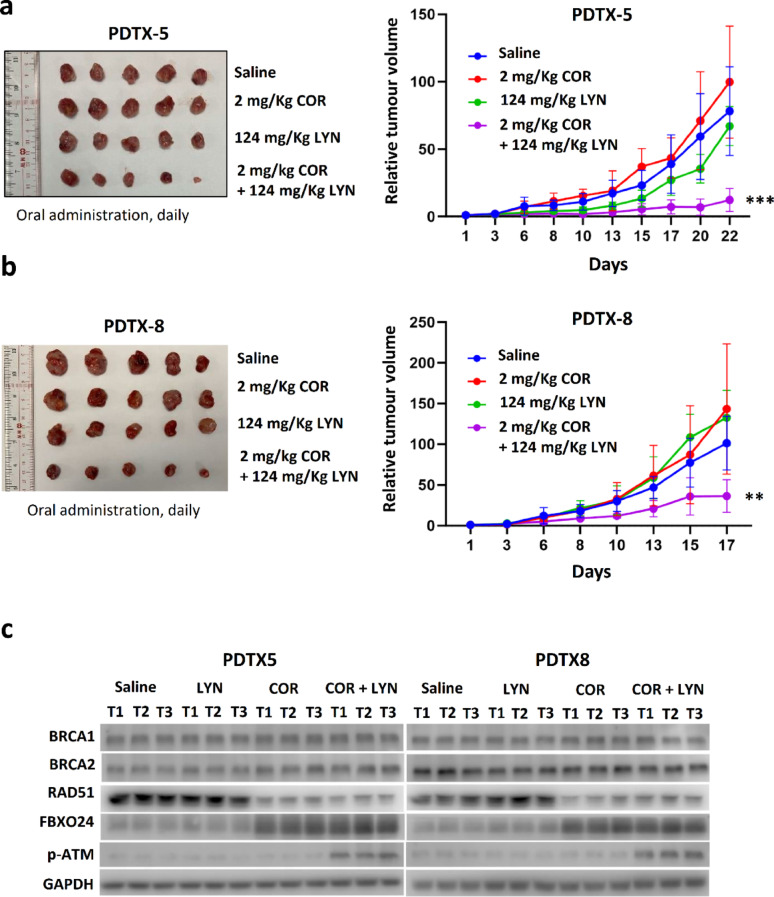
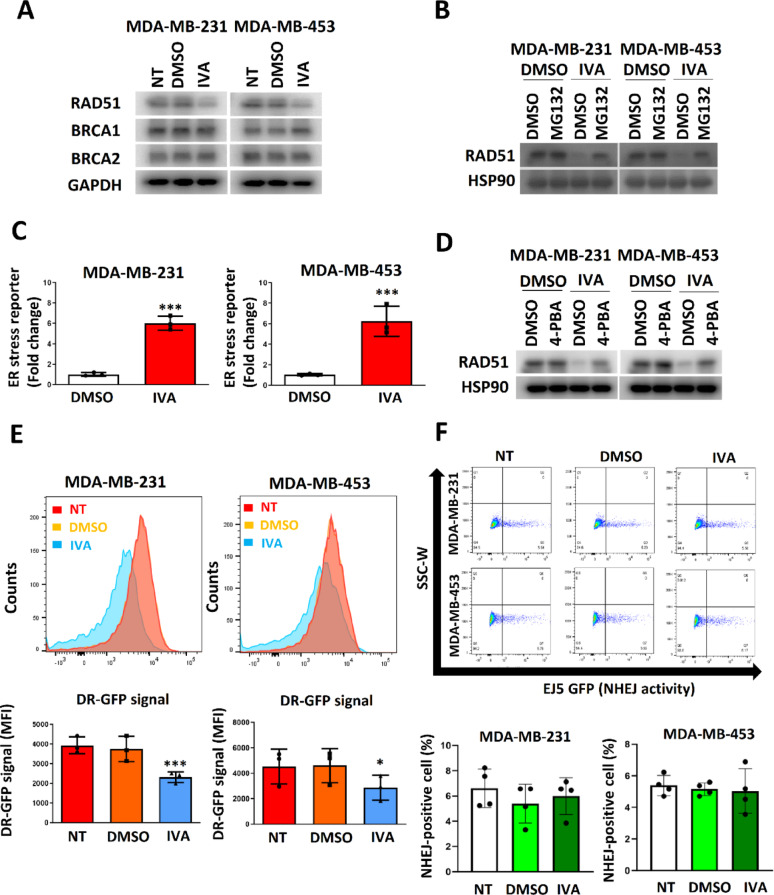
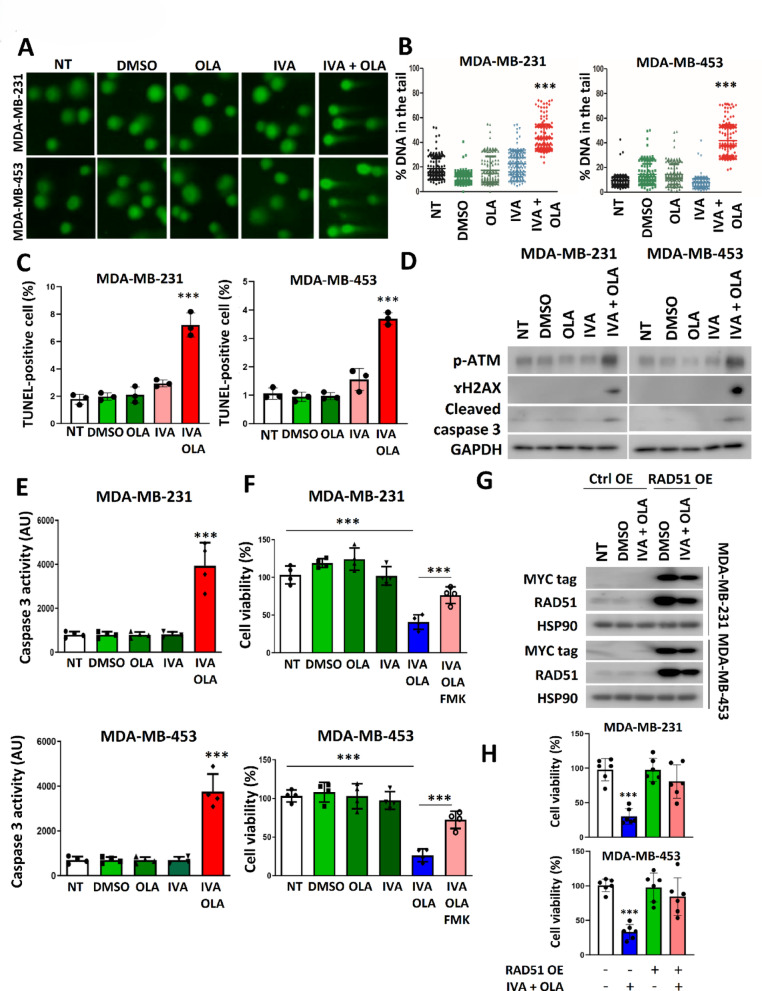
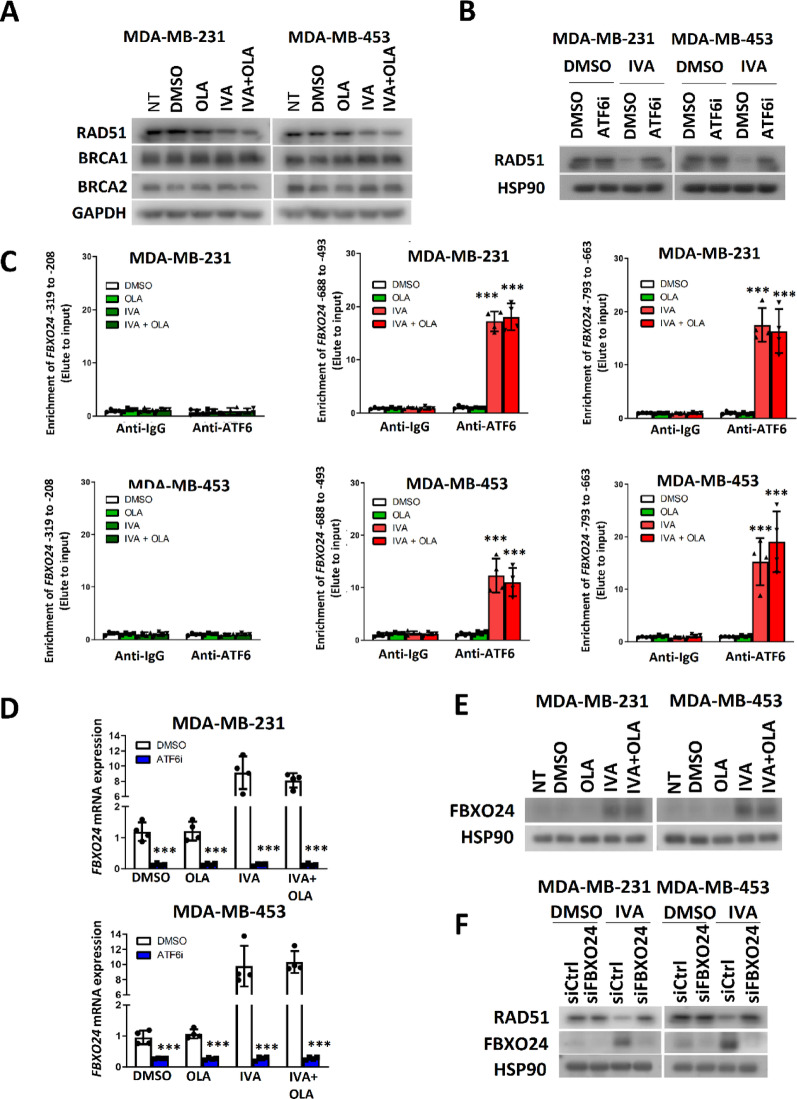
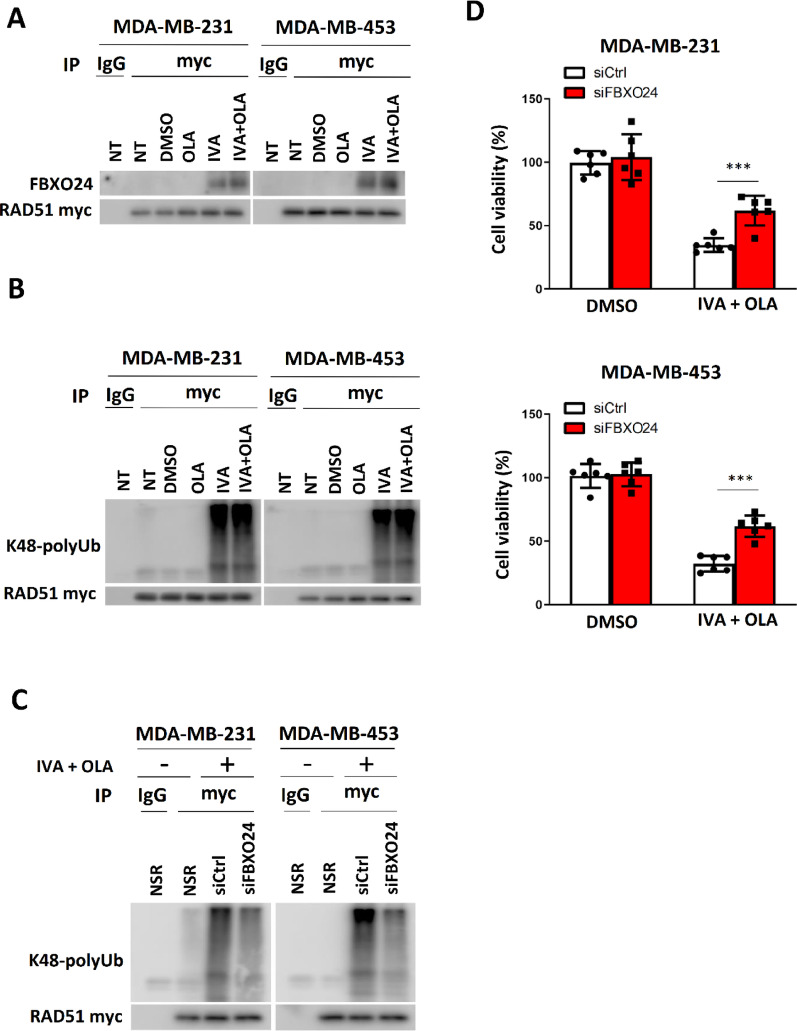
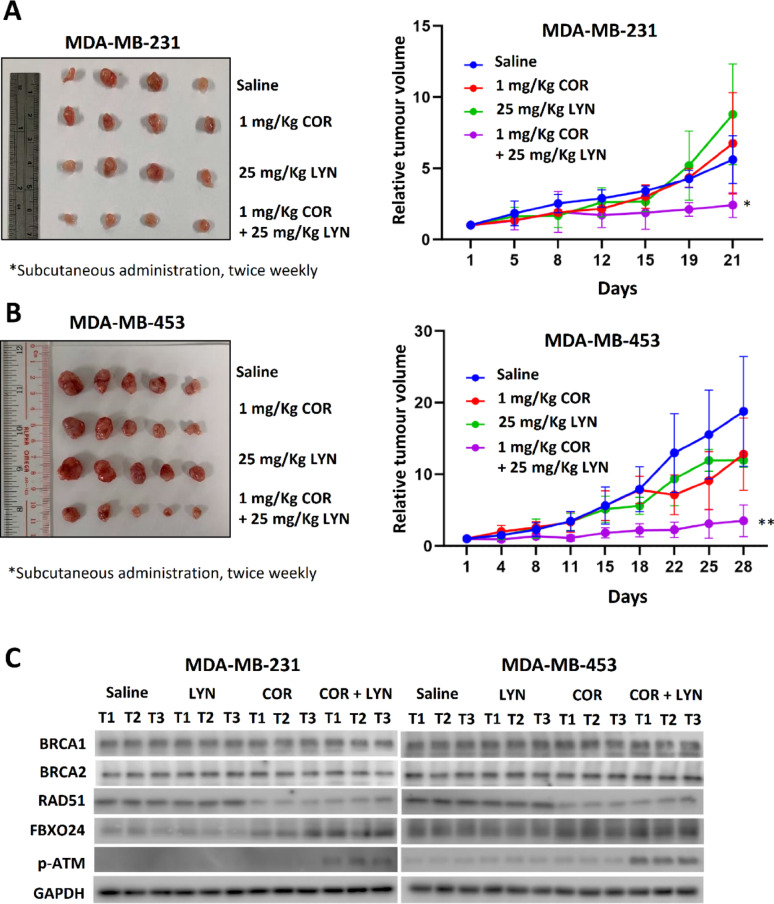
Using an EGFP-RAD51 reporter, we identified ivabradine as a RAD51-reducing agent. In vitro studies with TNBC cell lines demonstrated that ivabradine synergized with PARPi to reduce cell viability (ZIP score > 10), induce apoptosis, and impair HR-mediated DNA repair. This synergy was confirmed in vivo using xenografts and patient-derived tumor xenografts, where co-treatment with clinical grade ivabradine (Coralan) and PARPi olaparib (Lynparza) led to substantial tumor growth inhibition without notable toxicity. Mechanistically, ivabradine triggered ER stress, activating ATF6 to upregulate FBXO24-dependent ubiquitination, leading to RAD51 degradation, resulting in the condition of BRCAness. Chromatin immunoprecipitation and co-immunoprecipitation confirmed the ATF6-FBXO24-RAD51 cascade. These findings reveal a novel mechanism by which ivabradine, an FDA-approved cardiac drug, induces BRCAness, by degrading RAD51 via the ATF6-FBXO24 axis, thus, by mimicking HR deficiency hypersensitizes BRCA-proficient TNBC to olaparib.
This study highlights the translational potential of repurposing ivabradine as a therapeutic strategy for non-gBRCAm TNBC. By addressing a critical unmet need of this aggressive breast cancer subtype, it can potentially expand the utility of PARPi.
三阴性乳腺癌(TNBC)是一种侵袭性亚型,缺乏可用于治疗的靶向蛋白。聚(ADP-核糖)聚合酶抑制剂(PARPi)在BRCA突变的癌症中有效,但在非胚系BRCA突变(非gBRCAm)的TNBC中效用有限。我们假设通过靶向关键的同源重组蛋白RAD51来诱导BRCA功能状态,可使非gBRCAm的TNBC对PARPi敏感。
生成了带有增强绿色荧光蛋白(EGFP)标签的RAD51,并监测EGFP信号以鉴定影响RAD51蛋白表达和稳定性的药物。使用细胞计数试剂盒-8检测细胞活力。使用SynergyFinder 3.0确定伊伐布雷定和奥拉帕利的协同作用。分别采用DR-GFP、EJ5-GFP和彗星试验评估DNA修复和损伤程度。分别通过蛋白质印迹法和定量聚合酶链反应(qPCR)测定蛋白质和mRNA水平。采用染色质免疫沉淀法确定活化转录因子6(ATF6)与FBXO24启动子的结合。采用免疫共沉淀法确定RAD51与FBXO24之间的相互作用。裸鼠异种移植瘤和患者来源肿瘤异种移植瘤是用于验证伊伐布雷定和奥拉帕利联合作用的体内模型。
使用EGFP-RAD51报告基因,我们鉴定出伊伐布雷定是一种可降低RAD51水平的药物。对TNBC细胞系的体外研究表明,伊伐布雷定与PARPi协同作用可降低细胞活力(ZIP评分>10)、诱导凋亡并损害同源重组(HR)介导的DNA修复。在体内,通过异种移植瘤和患者来源肿瘤异种移植瘤证实了这种协同作用,临床级伊伐布雷定(可兰特)与PARPi奥拉帕利(利普卓)联合治疗可显著抑制肿瘤生长且无明显毒性。从机制上讲,伊伐布雷定引发内质网应激,激活ATF6以上调FBXO24依赖的泛素化,导致RAD51降解,从而导致BRCA功能状态。染色质免疫沉淀和免疫共沉淀证实了ATF6-FBXO24-RAD51级联反应。这些发现揭示了一种新机制,即美国食品药品监督管理局(FDA)批准的心脏药物伊伐布雷定通过ATF6-FBXO24轴降解RAD51来诱导BRCA功能状态,从而使BRCA功能正常的TNBC对奥拉帕利敏感,类似于HR缺陷。
本研究突出了将伊伐布雷定重新用作非gBRCAm TNBC治疗策略的转化潜力。通过满足这种侵袭性乳腺癌亚型的一项关键未满足需求,它有可能扩大PARPi的效用。