Tang Yu, Liu Xiao, Fang Yiling, Calvanese Enrico, Hong Yeram, Gu Yangnan
Department of Plant and Microbial Biology, University of California, Berkeley, Berkeley, CA 94720, USA; State Key Laboratory of Wheat Improvement, Peking University Institute of Advanced Agricultural Sciences, Shandong Laboratory of Advanced Agricultural Sciences in Weifang, Shandong 261325, China.
State Key Laboratory of Wheat Improvement, Peking University Institute of Advanced Agricultural Sciences, Shandong Laboratory of Advanced Agricultural Sciences in Weifang, Shandong 261325, China.
Dev Cell. 2025 Aug 1. doi: 10.1016/j.devcel.2025.07.008.
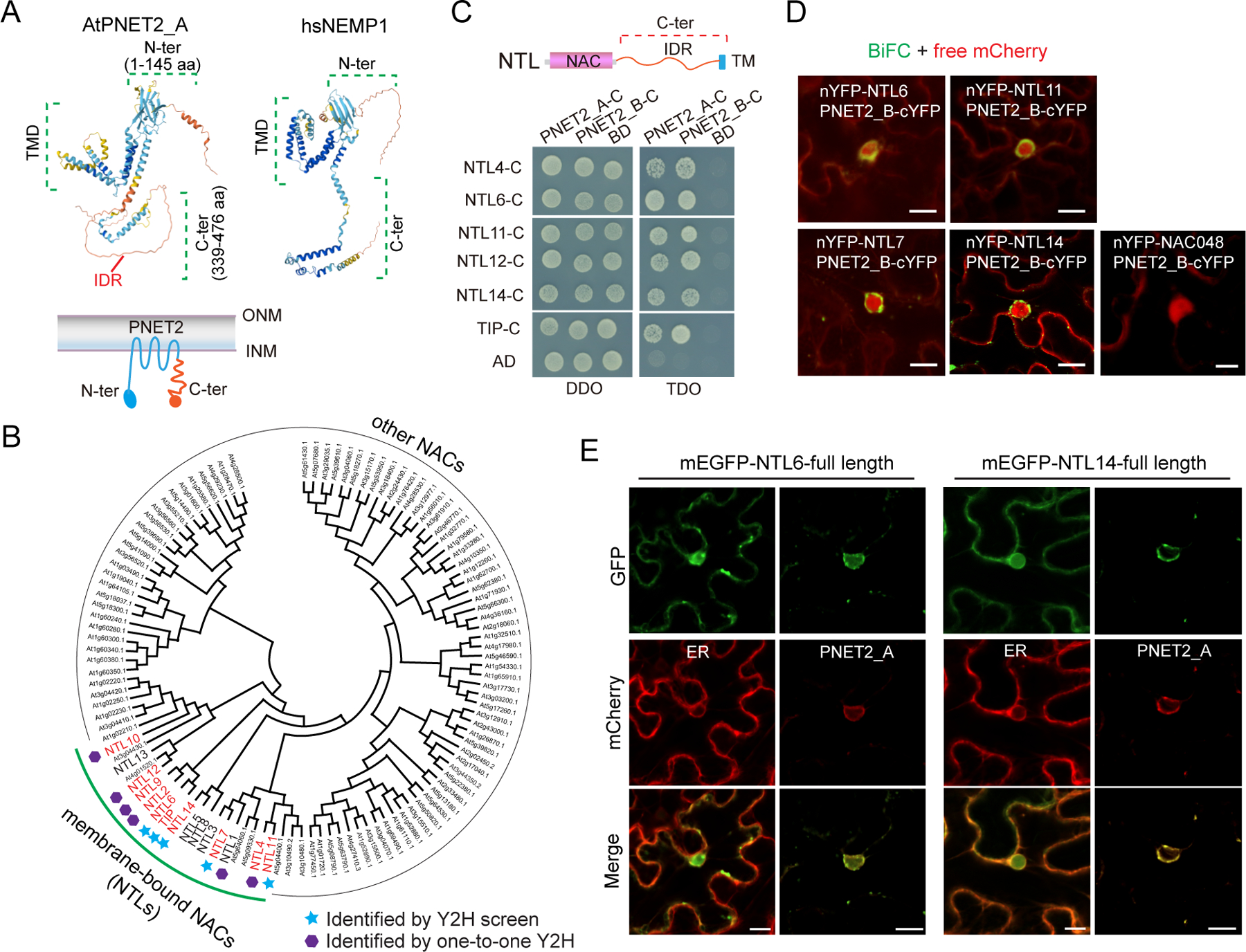
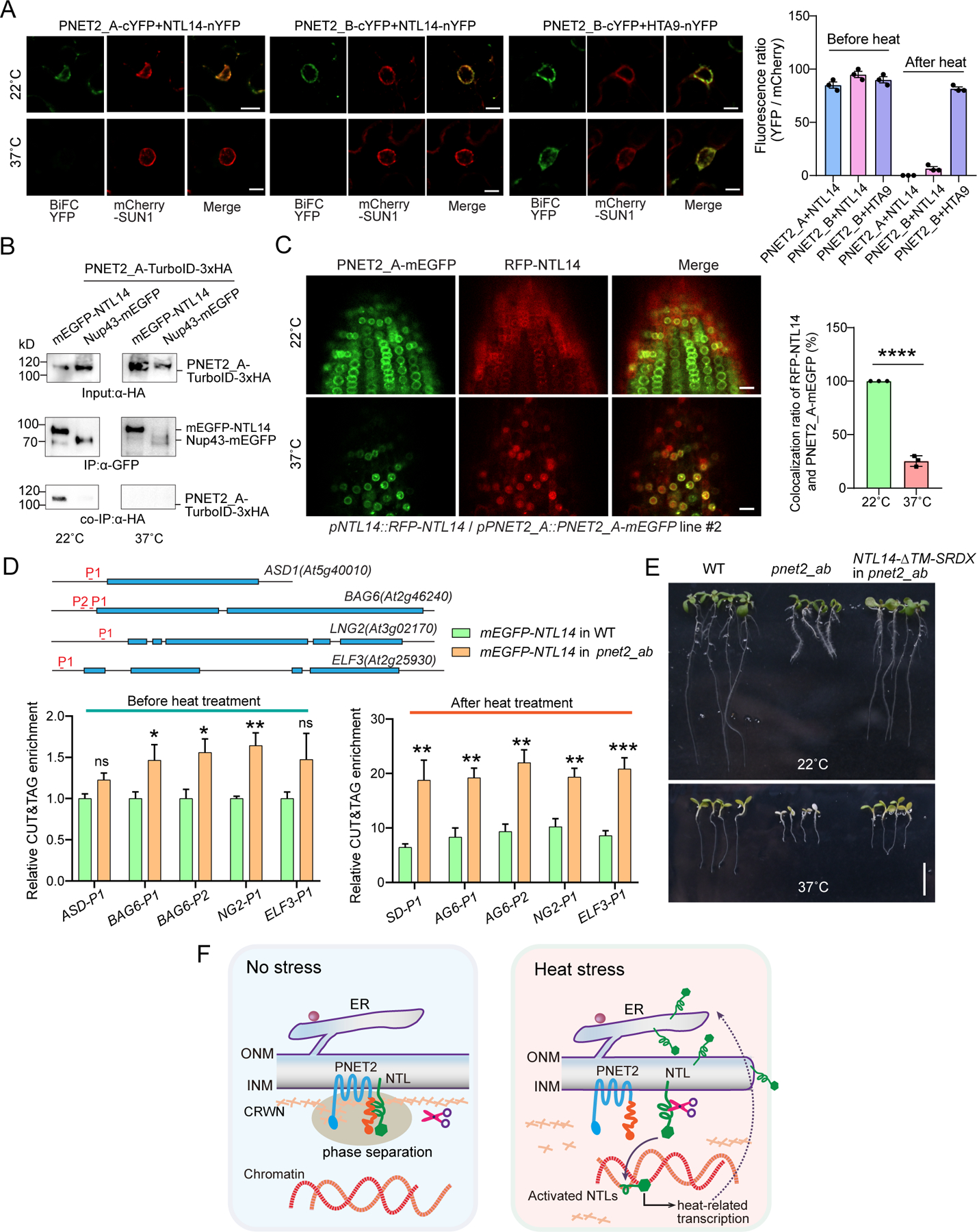
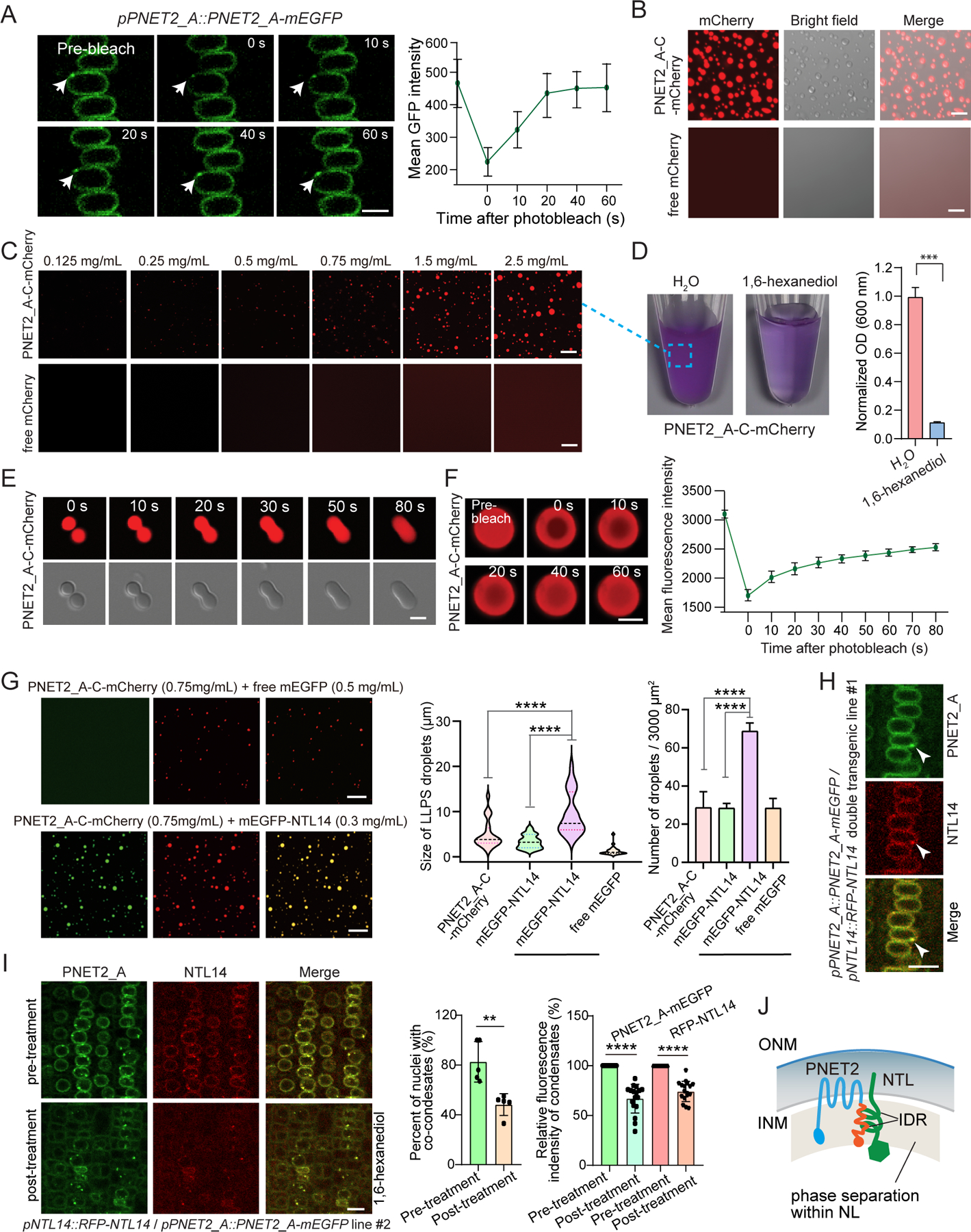
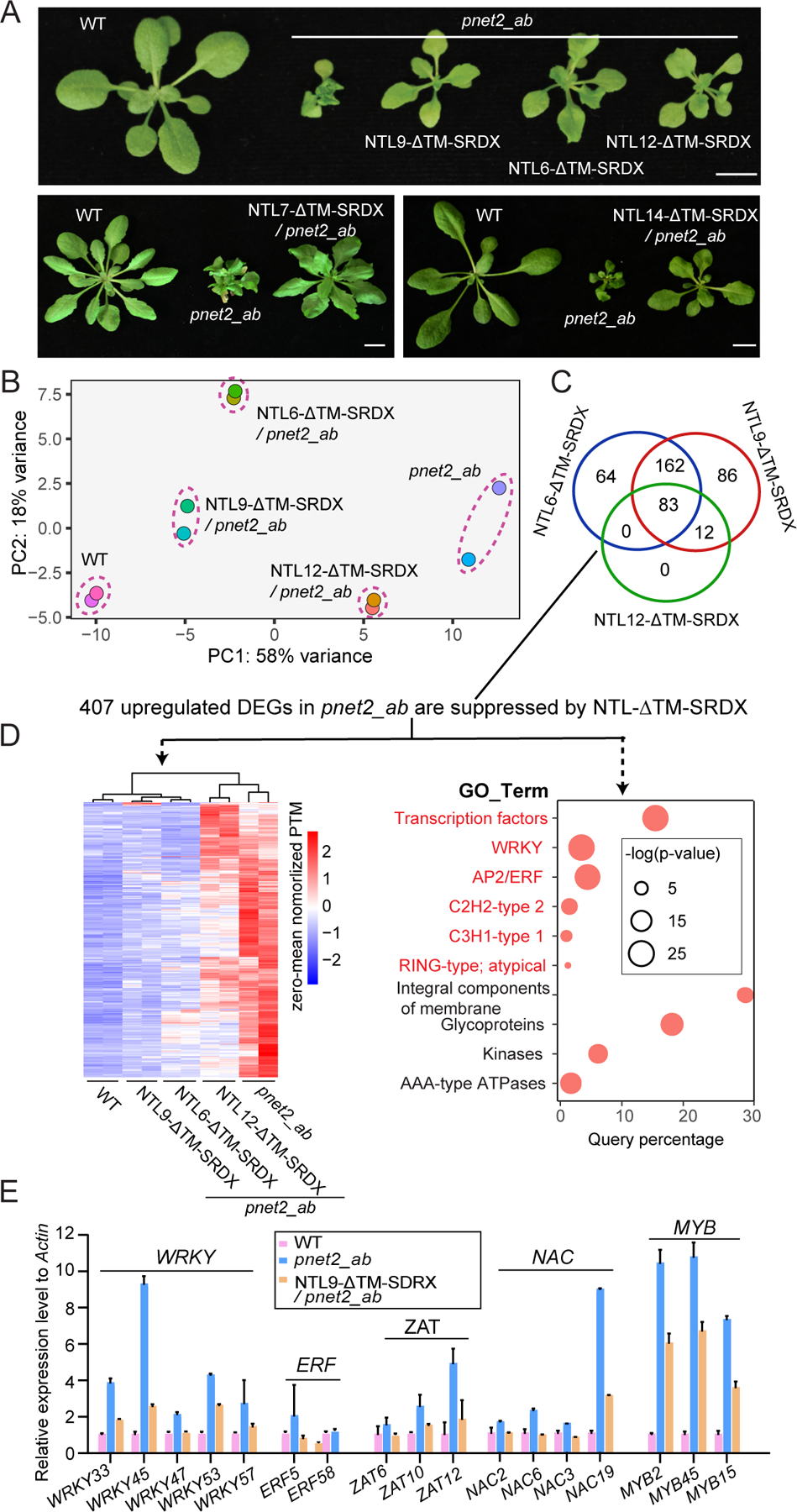
The nuclear lamina (NL), a perinuclear protein meshwork formed by nucleoskeleton and inner nuclear membrane (INM) proteins, is crucial for chromatin organization at the nuclear periphery and gene expression regulation in eukaryotic cells. However, NL-dependent transcriptional regulation remains poorly understood in plants due to the absence of most canonical NL proteins found in animals. Here, we report that the plant INM protein PLANT NUCLEAR ENVELOPE TRANSMEMBRANE 2 (PNET2) interacts with membrane-bound NAC (NAM, ATAF1/2, and CUC2) transcription factors, NTLs, via intrinsic disorder regions and promotes liquid-liquid phase separation within the NL. This compartmentalization effectively sequesters NTLs and restricts their transcriptional activity. In the absence of PNET2, NTLs become deregulated, triggering spontaneous and broad-spectrum stress responses. Importantly, we found that stress stimuli, such as heat shock, disrupt PNET2-NTL phase separation, releasing NTLs for target gene binding and transcriptional activation. These findings demonstrate a phase separation-based regulatory mechanism within the NL that controls membrane-bound transcription factor activity in response to environmental cues.
核纤层(NL)是一种由核骨架和内核膜(INM)蛋白形成的核周蛋白网络,对真核细胞中核周边的染色质组织和基因表达调控至关重要。然而,由于植物中缺乏动物中发现的大多数典型核纤层蛋白,因此在植物中对依赖核纤层的转录调控仍知之甚少。在这里,我们报道植物内核膜蛋白植物核膜跨膜蛋白2(PNET2)通过内在无序区域与膜结合的NAC(NAM、ATAF1/2和CUC2)转录因子NTLs相互作用,并促进核纤层内的液-液相分离。这种区室化有效地隔离了NTLs并限制了它们的转录活性。在没有PNET2的情况下,NTLs变得失调,引发自发的广谱应激反应。重要的是,我们发现热休克等应激刺激会破坏PNET2-NTL相分离,释放NTLs用于靶基因结合和转录激活。这些发现证明了核纤层内基于相分离的调控机制,该机制可响应环境信号控制膜结合转录因子的活性。