Son Yiseul, Lee Eun Ja, Kim Nam-Hee, Lee So Jeong
J Korean Soc Radiol. 2025 Jul;86(4):483-500. doi: 10.3348/jksr.2024.0107. Epub 2025 Jul 25.
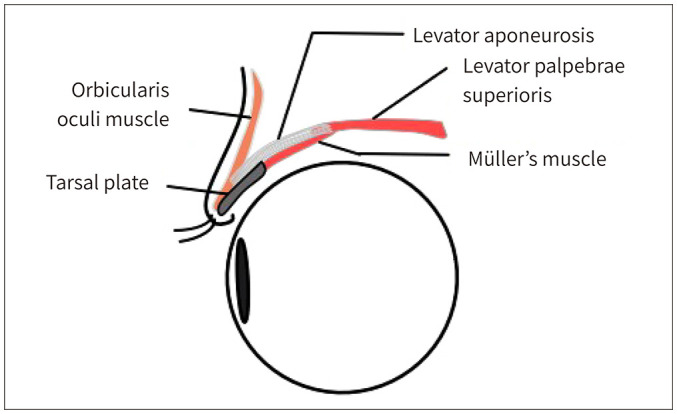
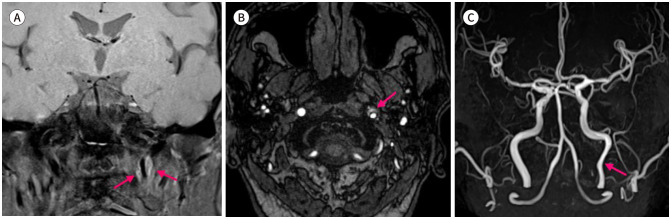
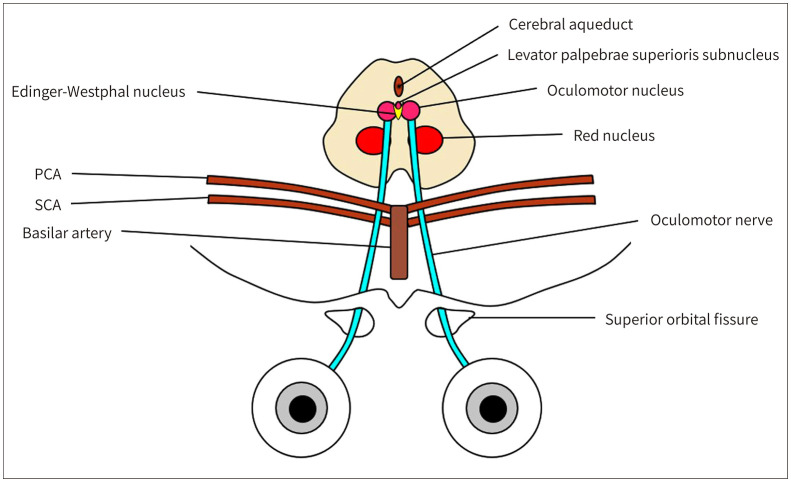
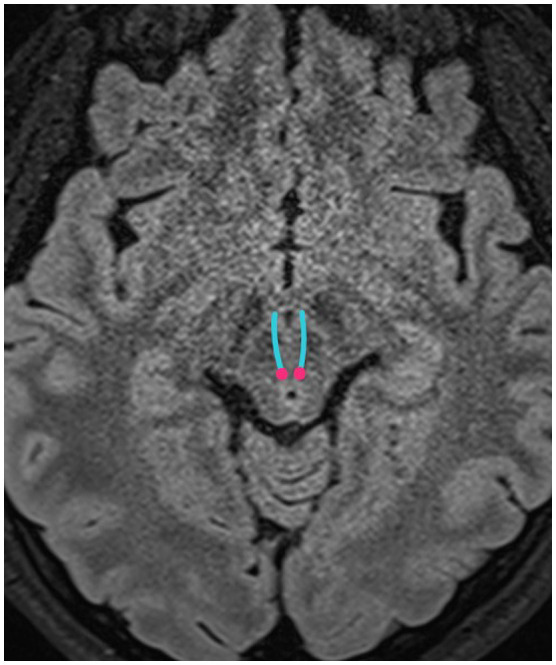
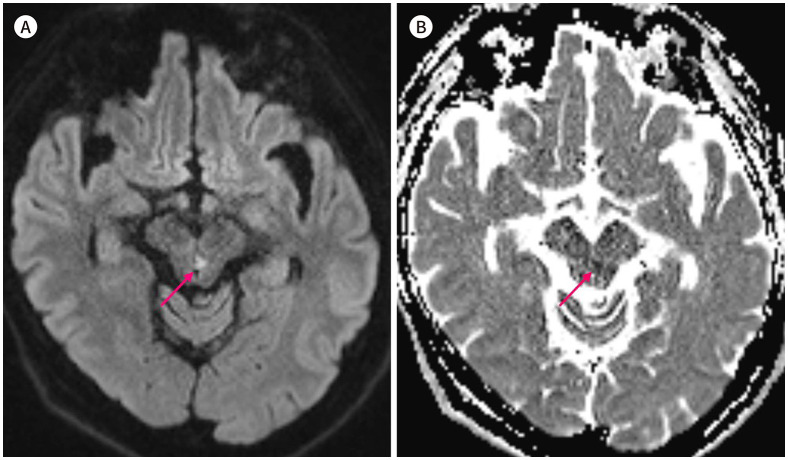
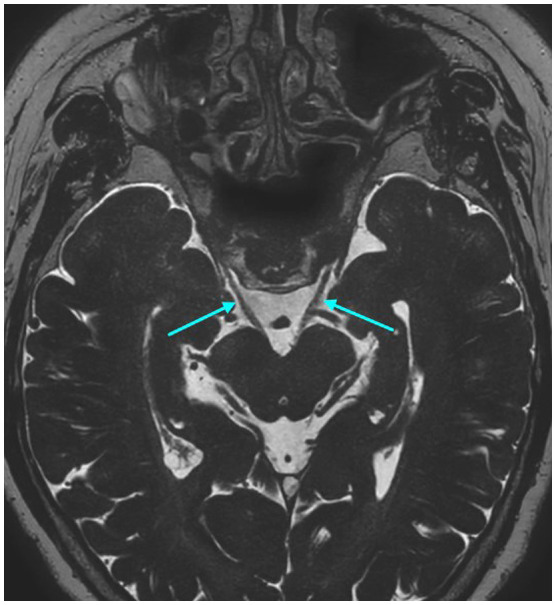
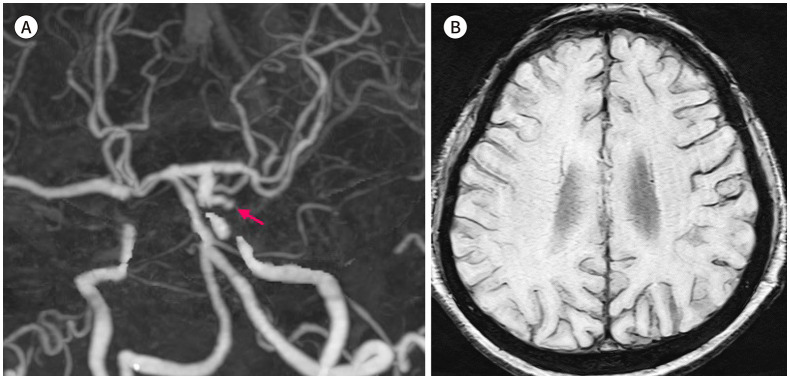
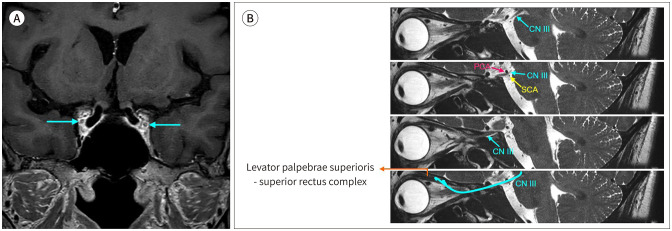
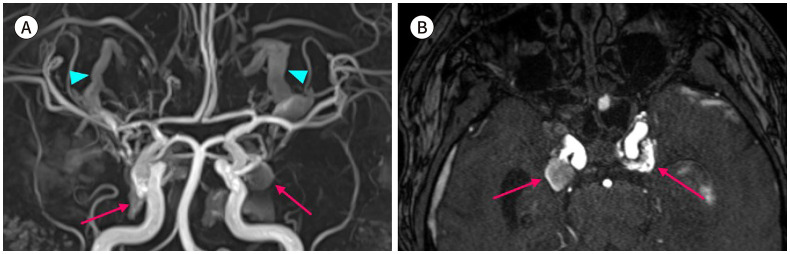
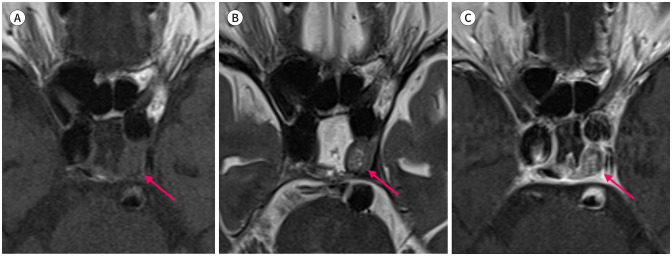
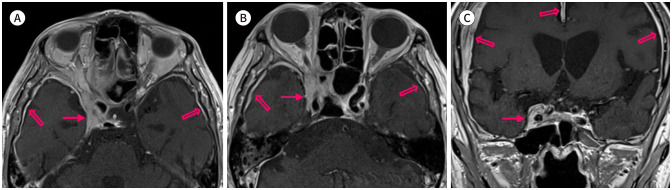
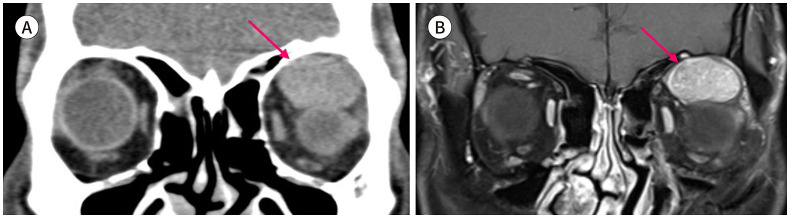
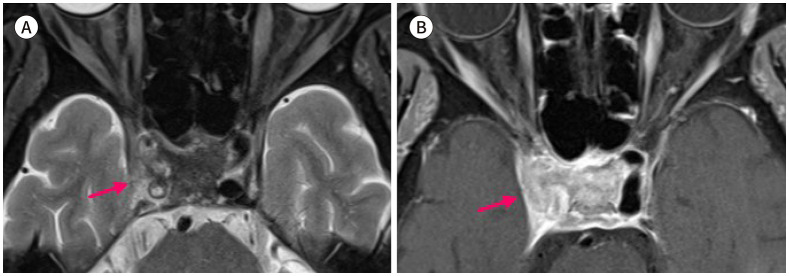
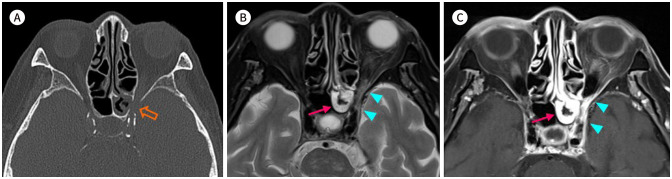
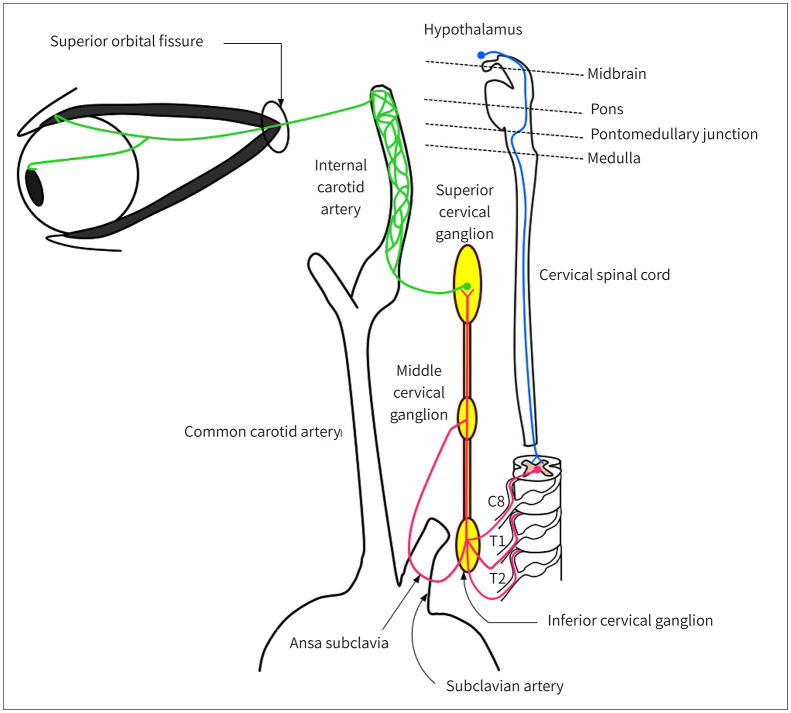
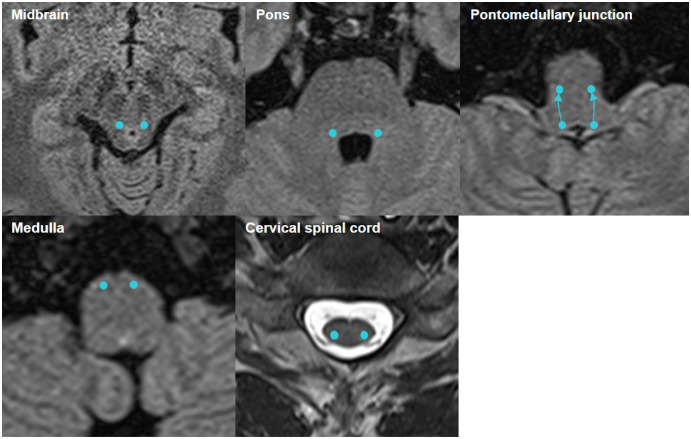
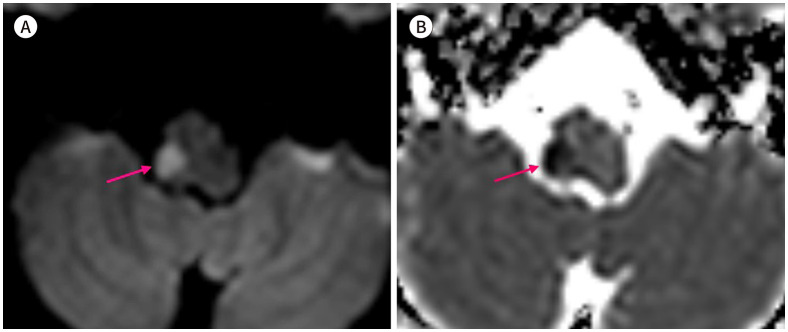
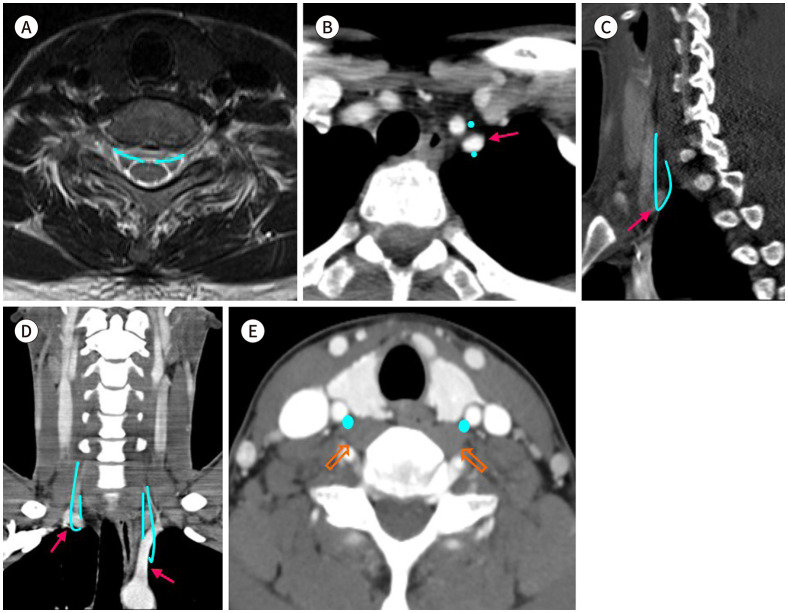
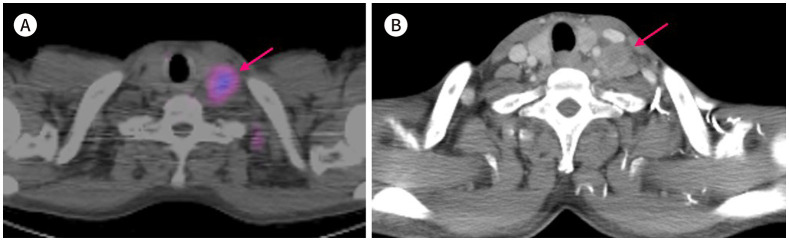
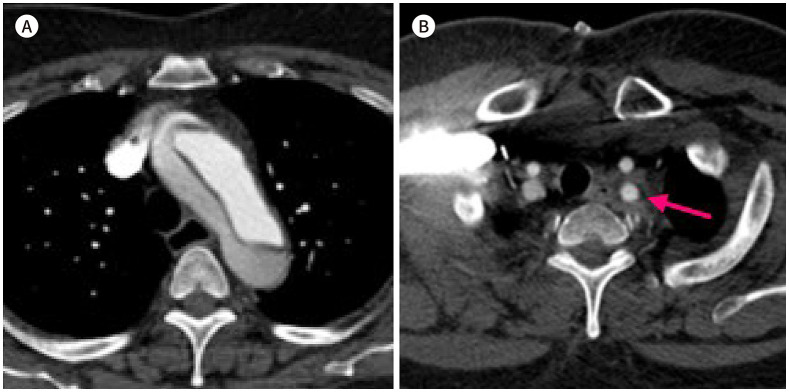
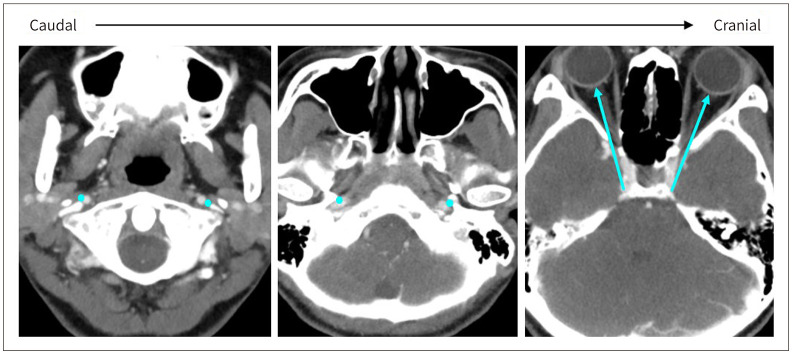
Neurogenic ptosis refers to upper eyelid drooping resulting from disrupted innervation of the eyelid retractor muscles. The differential diagnoses of neurogenic ptosis include oculomotor nerve palsy, Horner's syndrome, and neuromuscular junction disorders. Oculomotor nerve palsy and Horner's syndrome result from damage to the oculomotor and oculosympathetic pathways, respectively. The oculomotor nerve pathway has four segments: intraaxial, subarachnoid, cavernous, and orbital. The oculosympathetic pathway consists of three orders of neurons extending from the base of the skull to the upper chest. Several pathologic conditions can affect these neural pathways and cause neurogenic ptosis owing to the long course of the involved nerves. Therefore, neurogenic ptosis is usually associated with unique clinical features based on the anatomical location of the pathology. This pictorial essay provides a deeper understanding of the neural pathways and different diseases that cause neurogenic ptosis, which can help in determining the location of the pathology.
神经源性上睑下垂是指因眼睑提肌神经支配中断而导致的上睑下垂。神经源性上睑下垂的鉴别诊断包括动眼神经麻痹、霍纳综合征和神经肌肉接头疾病。动眼神经麻痹和霍纳综合征分别由动眼神经和眼交感神经通路受损引起。动眼神经通路有四个节段:轴内段、蛛网膜下腔段、海绵窦段和眶内段。眼交感神经通路由从颅底延伸至上胸部的三级神经元组成。由于受累神经行程较长,几种病理状况可影响这些神经通路并导致神经源性上睑下垂。因此,基于病变的解剖位置,神经源性上睑下垂通常具有独特的临床特征。这篇图文并茂的文章能更深入地了解导致神经源性上睑下垂的神经通路和不同疾病,有助于确定病变位置。