Romano Nicola, Federici Margherita, Castaldi Antonio
Department of Health Sciences (DISSAL) - Radiology Section, University of Genoa, Genoa, Italy.
Department of Diagnostic and Interventional Neuroradiology, E.O. Ospedali Galliera, Genoa, Italy.
Insights Imaging. 2019 Mar 15;10(1):33. doi: 10.1186/s13244-019-0719-5.
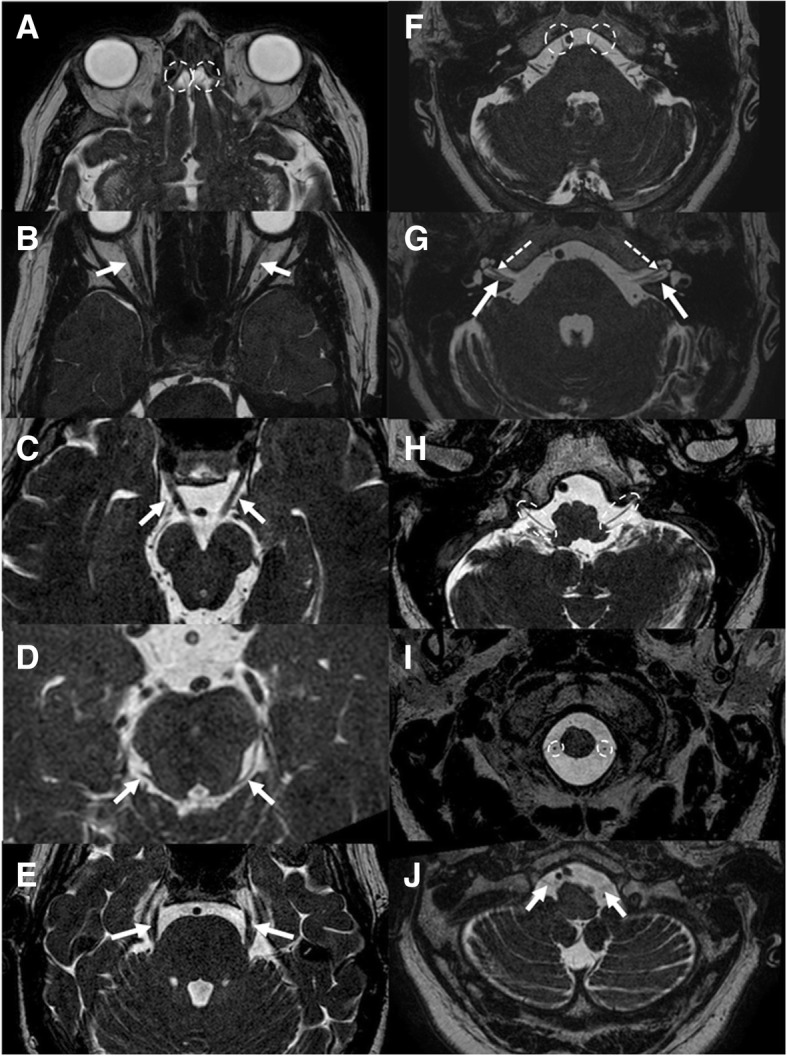
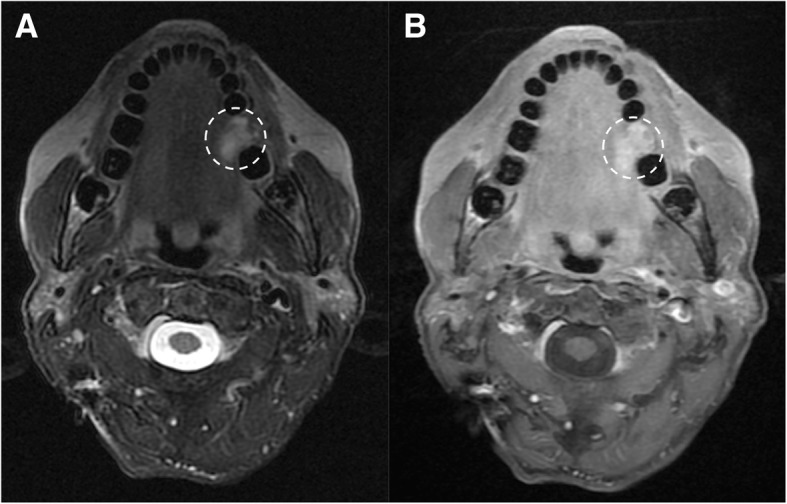
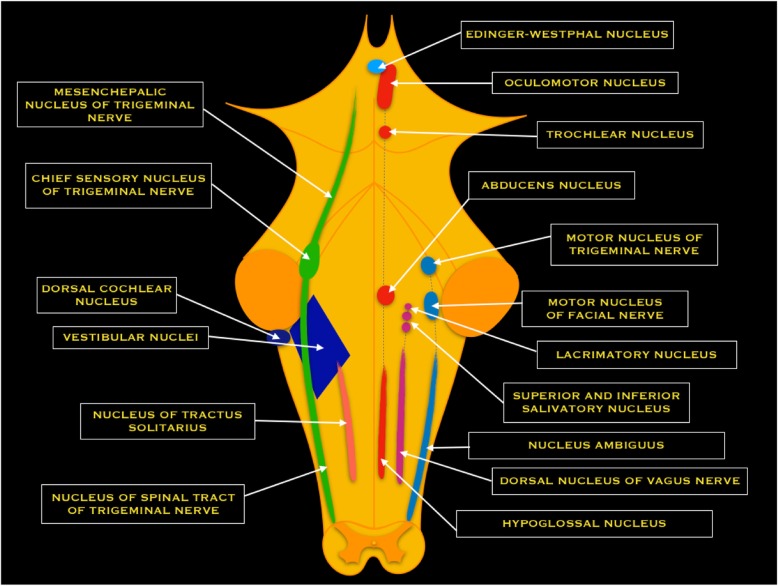
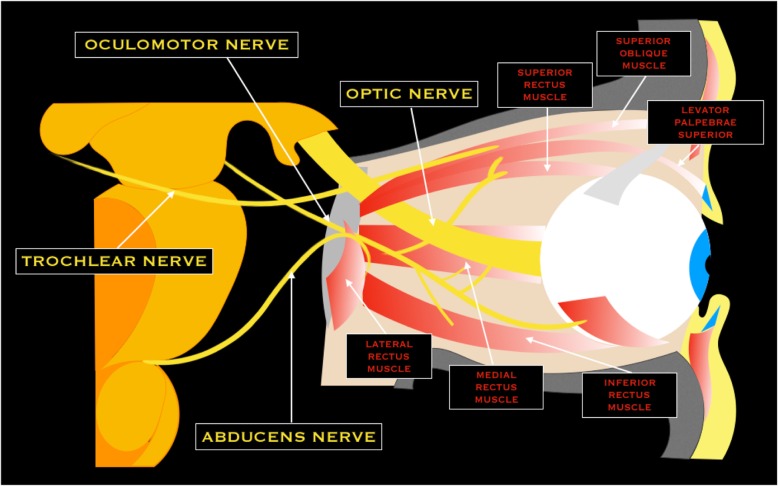
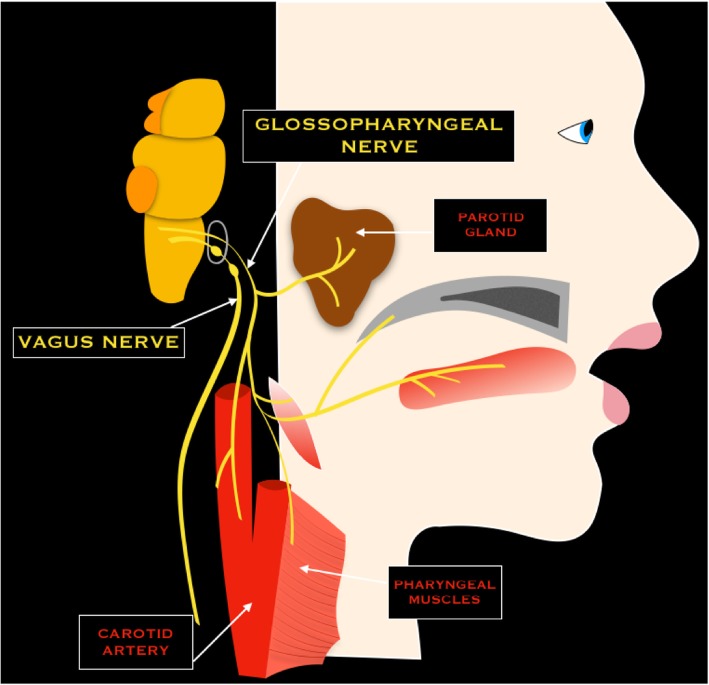
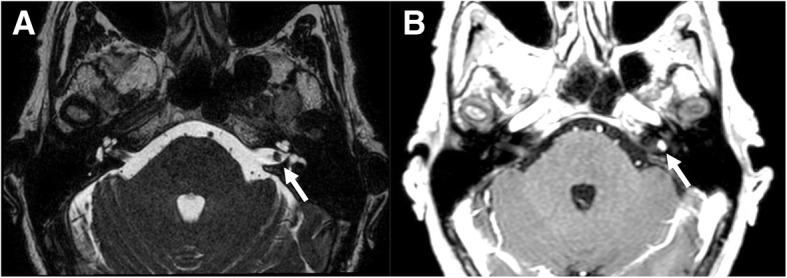
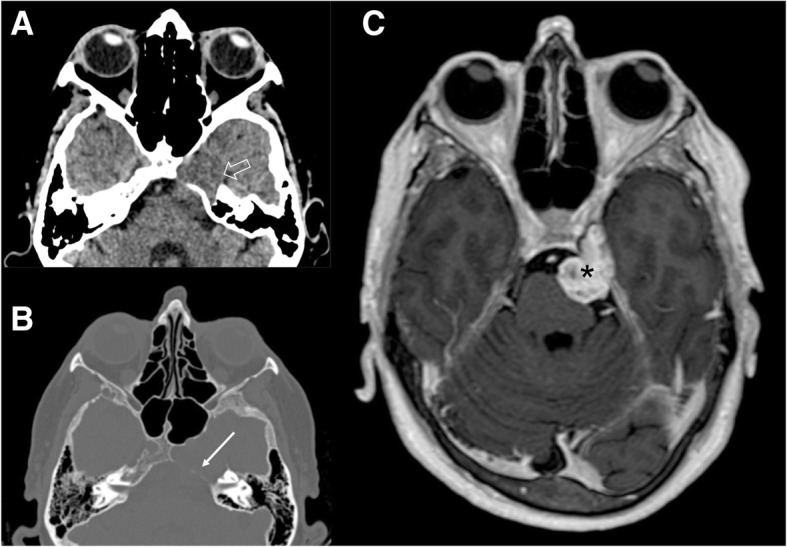
The human body has 12 pairs of cranial nerves that control motor and sensory functions of the head and neck. The anatomy of cranial nerves is complex and its knowledge is crucial to detect pathological alterations in case of nervous disorders. Therefore, it is necessary to know the most frequent pathologies that may involve cranial nerves and recognize their typical characteristics of imaging. Cranial nerve dysfunctions may be the result of pathological processes of the cranial nerve itself or be related to tumors, inflammation, infectious processes, or traumatic injuries of adjacent structures. Magnetic resonance imaging (MRI) is considered the gold standard in the study of the cranial nerves. Computed tomography (CT) allows, usually, an indirect view of the nerve and is useful to demonstrate the intraosseous segments of cranial nerves, the foramina through which they exit skull base and their pathologic changes. The article is a complete pictorial overview of the imaging of cranial nerves, with anatomic and pathologic descriptions and great attention to illustrative depiction. We believe that it could be a useful guide for radiologists and neuroradiologists to review the anatomy and the most important pathologies that involve cranial nerves and their differential diagnosis.
人体有12对颅神经,控制头部和颈部的运动及感觉功能。颅神经的解剖结构复杂,了解其知识对于在神经疾病情况下检测病理改变至关重要。因此,有必要了解可能累及颅神经的最常见病理情况,并认识其典型的影像学特征。颅神经功能障碍可能是颅神经本身病理过程的结果,也可能与肿瘤、炎症、感染性疾病或相邻结构的创伤性损伤有关。磁共振成像(MRI)被认为是研究颅神经的金标准。计算机断层扫描(CT)通常能间接观察神经,有助于显示颅神经的骨内段、它们穿出颅底的孔道及其病理变化。本文是颅神经影像学的完整图像综述,包括解剖和病理描述,并特别注重图示说明。我们认为,它可能是放射科医生和神经放射科医生回顾涉及颅神经的解剖结构、最重要的病理情况及其鉴别诊断的有用指南。