Das Animesh, Jog Mandar
Department of Clinical Neurological Sciences, Western University, London, ON N6A 3K7, Canada.
Toxins (Basel). 2025 Aug 16;17(8):416. doi: 10.3390/toxins17080416.
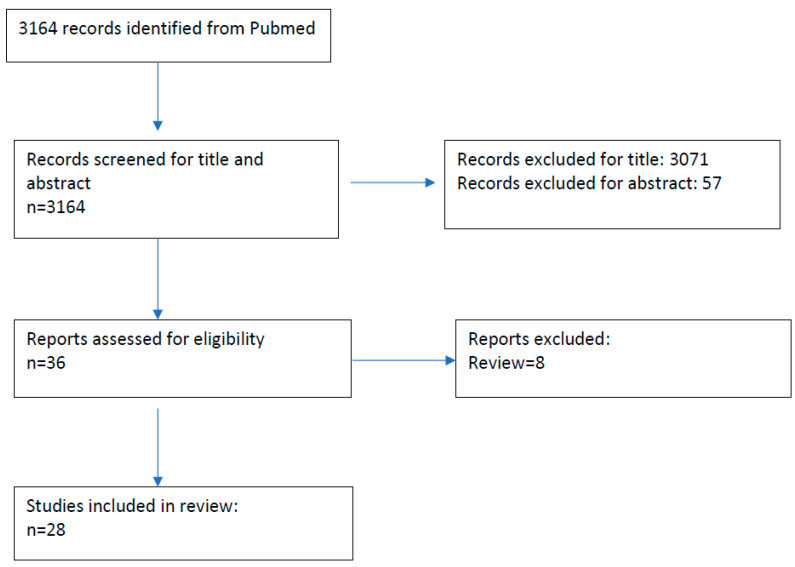
The primary effect of Botulinum toxin (BoNT) is to cause weakness in the injected muscles by inhibiting the release of acetyl choline from presynaptic nerve terminals. Its effect on sensorimotor integration (SMI) has largely been confined to small studies. The aim of this review is to highlight effect of BoNT on SMI in the context of Parkinson's disease (PD), Cervical dystonia (CD), and Writer's cramp (WC). Using keywords "Botulinum toxin" and "sensorimotor integration" or "Freezing of gait (FOG)" or 'Tremor"or "Cervical dystonia" or "Parkinson's disease", or "Writer's cramp", PubMed database was searched for relevant articles supporting our view. The abstracts of all resultant articles (case reports, case series, randomized trials, observational studies) were reviewed to look for evidence of effects of botulinum toxin on SMI. The relevant articles were charted in excel sheet for further full text review. In FOG, chronic BoNT injections may alter central motor patterns with inclusion of alternative striatal systems, cerebellum, and its connections. In tremor, the afferent proprioceptive input may be modified with reduction of intracortical facilitation and increment of intracortical inhibition. In CD, BoNT can restore disorganized cortical somatotrophy, the key pathophysiology behind cervical dystonia. Similarly, in WC, both the deficient sensory system and abnormal reorganization of the sensorimotor cortex may be altered following chronic BoNT injections. There is preliminary evidence that BoNT may modulate SMI in PD, CD, and WC by altering inputs from the muscle spindles in short term and modifying circuits/particular anatomic cerebral cortices in the long term. Properly conducted randomized trials comparing BoNT with placebo or prospective large-scale studies to look for effect on various surrogate markers reflective of changes in SMI should be the next step to confirm these findings. Targeting the system of afferents like spindles and golgi tendon organs in muscles may be a better way of injecting BoNT, with lower amounts of toxin needed and potential for lesser side-effects like weakness and atrophy. However, this needs to be proven in controlled trials.
肉毒杆菌毒素(BoNT)的主要作用是通过抑制突触前神经末梢释放乙酰胆碱,导致注射部位的肌肉无力。其对感觉运动整合(SMI)的影响主要局限于小型研究。本综述的目的是强调肉毒杆菌毒素在帕金森病(PD)、颈部肌张力障碍(CD)和书写痉挛(WC)背景下对SMI的影响。使用关键词“肉毒杆菌毒素”和“感觉运动整合”或“冻结步态(FOG)”或“震颤”或“颈部肌张力障碍”或“帕金森病”或“书写痉挛”,在PubMed数据库中搜索支持我们观点的相关文章。对所有所得文章(病例报告、病例系列、随机试验、观察性研究)的摘要进行审查,以寻找肉毒杆菌毒素对SMI影响的证据。将相关文章记录在Excel表格中,以便进一步进行全文审查。在FOG中,长期注射BoNT可能会改变中枢运动模式,包括纳入替代纹状体系统、小脑及其连接。在震颤方面,传入的本体感觉输入可能会因皮质内易化减少和皮质内抑制增加而发生改变。在CD中,BoNT可以恢复紊乱的皮质躯体营养,这是颈部肌张力障碍背后的关键病理生理学。同样,在WC中,长期注射BoNT后,感觉系统缺陷和感觉运动皮层的异常重组都可能发生改变。有初步证据表明,BoNT可能通过短期改变肌梭输入和长期改变回路/特定解剖脑皮质来调节PD、CD和WC中的SMI。下一步应进行适当的随机试验,将BoNT与安慰剂进行比较,或进行前瞻性大规模研究,以寻找对反映SMI变化的各种替代标志物的影响,以证实这些发现。针对肌肉中的梭形和高尔基腱器官等传入系统注射BoNT可能是一种更好的方法,所需毒素量较低,且产生无力和萎缩等副作用的可能性较小。然而,这需要在对照试验中得到证实。