Mavroudis Ioannis, Franekova Katerina, Petridis Foivos, Ciobîca Alin, Gabriel Dăscălescu, Anton Emil, Ilea Ciprian, Papagiannopoulos Sotirios, Kazis Dimitrios
Department of Neuroscience, Leeds Teaching Hospital, NHS Trust, Leeds LS17 7HY, UK.
Institute of Health Sciences, University of Leeds, Leeds LS2 9NL, UK.
Life (Basel). 2025 Aug 20;15(8):1322. doi: 10.3390/life15081322.
Functional Neurological Disorder (FND) encompasses a spectrum of symptoms-including motor, cognitive, and seizure-like manifestations-that are not fully explained by structural neurological disease. Accumulating evidence suggests that comorbid psychiatric and somatic conditions significantly influence the clinical course, diagnostic complexity, and treatment response in FND.
This study systematically explores psychiatric and medical comorbidities across major FND subtypes-Functional Cognitive Disorder (FCD), Functional Movement Disorder (FMD), and Psychogenic Non-Epileptic Seizures (PNES)-with an emphasis on subtype-specific patterns and shared vulnerabilities.
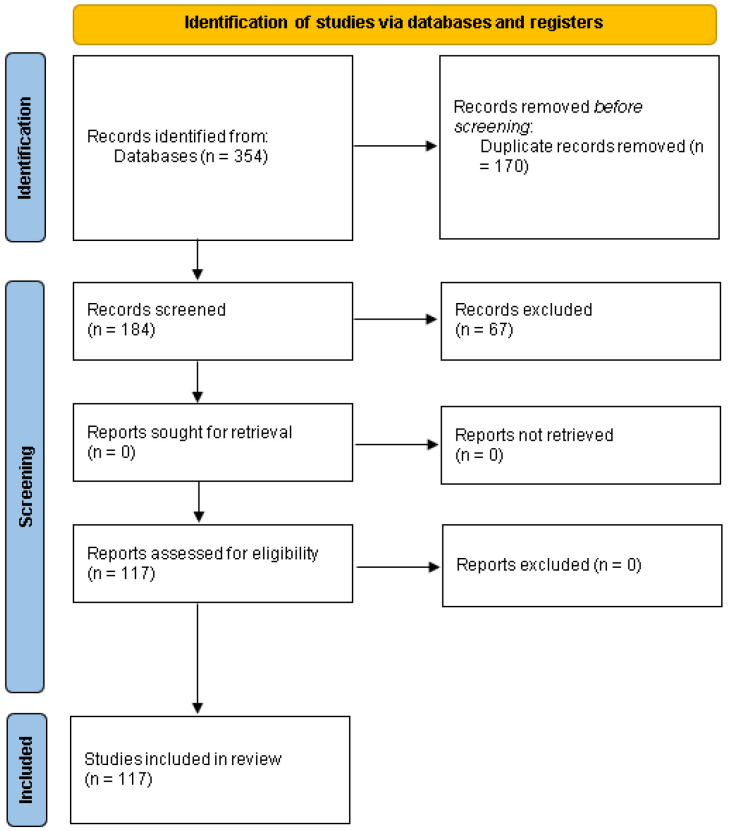
We conducted a narrative review of the published literature, guided by systematic principles for transparency, covering both foundational and contemporary sources to examine comorbid conditions in patients with FCD, FMD, PNES, PPPD and general (mixed) FND populations. Relevant studies were identified through structured research and included based on methodological rigor and detailed reporting of comorbidities (PRISMA). Extracted data were organized by subtype and comorbidity type (psychiatric or medical/somatic).
Across all FND subtypes, high rates of psychiatric comorbidities were observed, particularly depression, anxiety, PTSD, and dissociative symptoms. FCD was predominantly associated with internalizing symptoms, affective misattribution, and heightened cognitive self-monitoring. FMD demonstrated strong links with trauma, emotional dysregulation, and personality vulnerabilities. PNES was characterized by the highest burden of psychiatric illness, with complex trauma histories and dissociation frequently reported. Somatic comorbidities-such as fibromyalgia, chronic pain, irritable bowel syndrome, and fatigue-were also prevalent across all subtypes, reflecting overlapping mechanisms involving interoception, central sensitization, and functional symptom migration.
Comorbid psychiatric and medical conditions are integral to understanding the presentation and management of FND. Subtype-specific patterns underscore the need for individualized diagnostic and therapeutic approaches, while the shared biopsychosocial mechanisms suggest benefits of integrated care models across the FND spectrum.
功能性神经障碍(FND)涵盖一系列症状,包括运动、认知和癫痫样表现,而这些症状无法完全用结构性神经疾病来解释。越来越多的证据表明,共病的精神和躯体状况会显著影响FND的临床病程、诊断复杂性和治疗反应。
本研究系统地探讨了主要FND亚型——功能性认知障碍(FCD)、功能性运动障碍(FMD)和精神性非癫痫性发作(PNES)——中的精神和医学共病情况,重点关注亚型特异性模式和共同的易感性。
我们对已发表的文献进行了叙述性综述,以透明度的系统原则为指导,涵盖基础和当代资料来源,以检查FCD、FMD、PNES、持续性姿势-知觉性头晕(PPPD)和一般(混合性)FND人群中共病情况。通过结构化研究确定相关研究,并根据方法的严谨性和共病情况的详细报告(PRISMA)纳入研究。提取的数据按亚型和共病类型(精神性或医学/躯体性)进行整理。
在所有FND亚型中,均观察到较高的精神共病率,尤其是抑郁症、焦虑症、创伤后应激障碍(PTSD)和解离症状。FCD主要与内化症状、情感错误归因和增强的认知自我监测有关。FMD与创伤、情绪调节障碍和人格易感性有很强的联系。PNES的特点是精神疾病负担最重,经常报告有复杂的创伤史和解离症状。躯体共病,如纤维肌痛、慢性疼痛、肠易激综合征和疲劳,在所有亚型中也很普遍,反映了涉及内感受、中枢敏化和功能性症状迁移的重叠机制。
共病的精神和医学状况是理解FND的表现和管理的重要组成部分。亚型特异性模式强调了个性化诊断和治疗方法的必要性,而共同的生物心理社会机制表明,跨FND谱系的综合护理模式具有益处。